
Technomyrmex gibbosus
- Sci. Name
- Technomyrmex gibbosus
- Tribe
- Tapinomini
- Subfamily
- Dolichoderinae
- Author
- Wheeler, 1906
- Distribution
- Found in 3 countries
Introduction
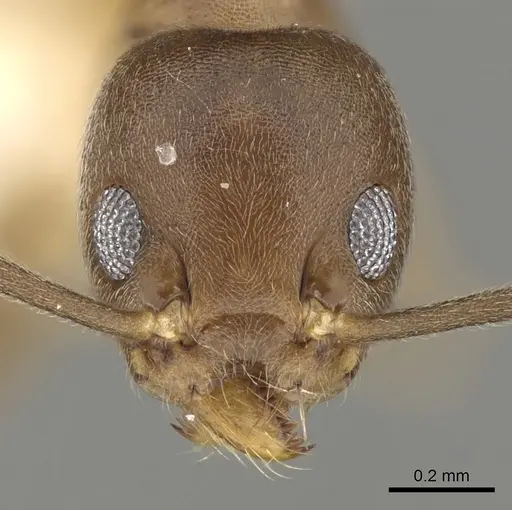
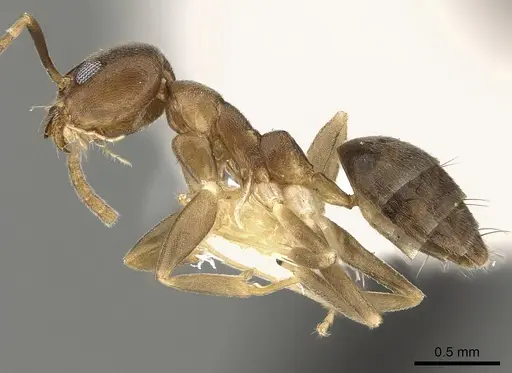
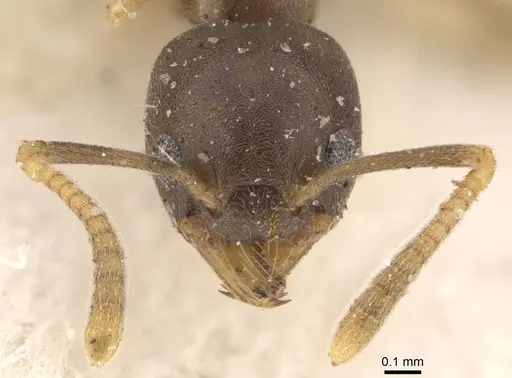
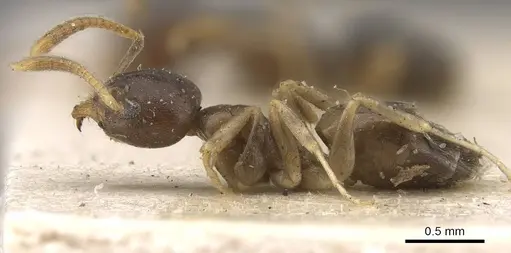
Technomyrmex gibbosus is a tiny dark ant native to East Asia, measuring just 2.4–3.0mm in total length . Workers have a medium to dark brown body, often with a reddish tint on the head and mesosoma, while the gaster is dark brown and the legs are dull yellow to yellowish brown . They belong to the subfamily Dolichoderinae, which means they defend themselves by exuding sticky, foul-smelling compounds from an anal gland rather than stinging. In the wild they nest in dead twigs and dead bamboo stems . Their closest known relative, Technomyrmex vexatus, lives only in Morocco – an odd distribution gap that has puzzled researchers .
Quick Summary
- Difficulty: Easy
- Origin & Habitat: Native to Japan (Hokkaido to Kyushu, though rare in Hokkaido), North Korea, and South Korea [2]. Found in dead twigs and dead bamboo stems in forested areas [3][5].
- Colony Type: Colony structure is unconfirmed – likely monogyne (single queen) based on typical genus patterns, but no specific studies document this species’ social structure.
- Size & Growth:
- Queen: Unconfirmed – no specific measurements documented for queens.
- Worker: 2.4–3.0mm total length [1], workers approximately 2.5mm [3].
- Colony: Unknown – no colony size data available for this species.
- Growth: Unknown – no development timing data available.
- Development: Unknown – no direct measurements available. Based on typical Dolichoderinae patterns, expect 6–10 weeks at optimal temperature. (Development timeline is unconfirmed for this species. Related Technomyrmex species typically develop in 6–8 weeks under warm conditions.)
- Antkeeping:
- Temperature: Keep at 22–26°C. This species is found in temperate Japan and Korea, so room temperature is generally suitable. A slight warmth can encourage activity and brood development [3].
- Humidity: Keep the nest substrate (wood, twigs, or bamboo) slightly damp but not waterlogged. Their natural habitat in dead wood means they prefer a humid microclimate without standing water.
- Diapause: Likely yes – given their range in northern Japan and Korea, they probably require a winter rest period. Reduce temperature to 10–15°C for 2–3 months (November to February) [3].
- Nesting: Best kept in naturalistic setups with dead twigs, bamboo sections, or cork bark. They also do well in Y-tong (AAC), plaster, or 3D-printed nests with narrow chambers. Avoid large open spaces – they prefer tight, enclosed spaces similar to their natural twig nests [3].
- Behavior: Generally calm and non-aggressive. As Dolichoderinae, they exude sticky, foul-smelling compounds when threatened but pose no serious danger to keepers. They are small and quick-moving. Escape prevention is critical due to their tiny ~2.5mm size – use fine mesh and tight-fitting lids. They are arboreal by nature, so they will explore upward and may attempt to climb out of enclosures.
- Common Issues: escape prevention is critical – their tiny ~2.5mm size means they can squeeze through standard mesh, use 0.5mm or finer mesh., colonies may be slow to establish due to unknown founding behavior., winter die-offs are possible if proper diapause conditions aren't provided., test tube setups may be too spacious – they prefer tight, twig-like chambers., may be outcompeted by more aggressive ant species in shared spaces.
Housing and Nest Setup
Technomyrmex gibbosus is an arboreal species that naturally nests in dead twigs and bamboo stems [3]. For captive care, naturalistic setups work best – use pieces of dead bamboo, cork bark, or thin twigs arranged vertically or horizontally. The chambers should be tight and narrow, mimicking their natural twig nesting sites. Y-tong (AAC), plaster, or 3D-printed nests with narrow chambers also work well, but avoid large open spaces. These ants are tiny (about 2.5mm), so even small gaps in commercial formicaria can be escape points. Use fine mesh (0.5mm or smaller) on all openings and ensure lids fit tightly. Provide an outworld with a small foraging area connected to the nest chamber.
Feeding and Diet
Like other Technomyrmex species, these ants are likely omnivorous with a preference for sweet liquids and small protein sources. Offer sugar water, honey, or diluted honeydew regularly as an energy source. For protein, provide small insects like fruit flies, pinhead crickets, or tiny mealworms. Given their very small size, prey items should be appropriately sized – wingless fruit flies and small springtails are ideal. They may also tend aphids for honeydew if kept in a setup with live plants. Feed small amounts every 2–3 days, removing any uneaten protein within 24 hours to prevent mold.
Temperature and Seasonal Care
Keep colony temperatures in the 22–26°C range. This species is found in temperate regions of Japan and Korea, so they can tolerate room temperature (around 20–22°C) without additional heating. A slight temperature gradient allows ants to self-regulate. During winter (roughly November to February), reduce temperatures to 10–15°C to provide a diapause period – this matches their natural seasonal cycle in northern Japan and Korea where nuptial flights occur in September [3] and winters are cold. Do not feed during the deep winter rest period, but ensure a small water source is available.
Behavior and Temperament
Technomyrmex gibbosus is a calm, non-aggressive species. When threatened, Dolichoderinae ants like this one defend themselves by exuding sticky, foul-smelling cyclopentanoid monoterpenes from an anal gland – this is harmless to humans but can deter other insects. Workers are quick-moving and will explore their environment actively. They are arboreal by nature, so they tend to climb and explore upward. This behavior, combined with their tiny ~2.5mm size, makes escape prevention essential. They are not known for being particularly aggressive toward keepers or other colony members. Colonies appear to be active year-round when kept at appropriate temperatures, with reduced activity during winter diapause. [1]
Colony Establishment
Since colony structure is unconfirmed for this species, assume a standard single-queen founding scenario. A newly mated queen will likely seal herself in a small chamber (claustral founding) and survive on stored fat reserves until her first workers (nanitics) emerge. The founding chamber should be small and dark. Once workers emerge, they can be moved to a larger nest setup. Growth rate is unknown, but expect slow initial growth during the first few months as the colony establishes. Be patient – small species often take longer to reach significant numbers. Do not disturb the queen during founding – stress can cause her to abandon or consume her brood.
Frequently Asked Questions
How long does it take for Technomyrmex gibbosus to get first workers?
The exact timeline is unknown for this species. Based on typical Dolichoderinae development, expect first workers (nanitics) to emerge in 6–10 weeks after the queen lays eggs, assuming temperatures around 24–26°C. Initial growth is slow – colonies may take several months to reach 10–20 workers.
What do Technomyrmex gibbosus ants eat?
They are omnivorous. Offer sugar sources like sugar water, honey, or honeydew regularly. For protein, provide tiny insects like fruit flies, small springtails, or pinhead crickets. Prey should be appropriately sized for their ~2.5mm workers.
Can I keep Technomyrmex gibbosus in a test tube?
Test tubes can work for founding colonies, but these ants prefer tight spaces similar to their natural twig nests. If using test tubes, choose ones with small diameters and provide a dark cover. For established colonies, consider naturalistic setups with bamboo sections or cork bark. Y-tong or plaster nests with narrow chambers are also good options.
Do Technomyrmex gibbosus need hibernation?
Likely yes. This species is found in northern Japan and Korea, where winters are cold. Provide a winter rest period of 2–3 months at 10–15°C during winter months (roughly November to February). Reduce feeding and ensure some moisture is available.
Are Technomyrmex gibbosus good for beginners?
Yes, they are considered easy to keep. They are small, calm, and have modest temperature requirements. The main challenges are escape prevention due to their tiny size and providing appropriate nesting sites. They are not aggressive and don't require special handling.
How big do Technomyrmex gibbosus colonies get?
Colony size data is not available for this species. Based on their small worker size (~2.5mm) and typical Technomyrmex patterns, colonies likely reach several hundred workers at most. They are not known for producing massive colonies.
When do Technomyrmex gibbosus have nuptial flights?
Nuptial flights occur in September in their native Japan [3]. This is late in the year compared to many ant species, which makes sense given their temperate distribution.
Why are my Technomyrmex gibbosus escaping?
Their tiny ~2.5mm size allows them to squeeze through standard mesh and small gaps. Use fine mesh (0.5mm or smaller), ensure all lids fit tightly, and check for any small cracks or gaps in your setup. Apply fluon or similar barriers to sliding lids.
What is the best nest type for Technomyrmex gibbosus?
Naturalistic setups with dead twigs, bamboo sections, or cork bark work best since they naturally nest in dead wood [3]. Y-tong (AAC), plaster, or 3D-printed nests with narrow chambers are also suitable. Avoid large, open spaces – they prefer tight, enclosed chambers.
Report an Issue
The current care sheet is based fully on literature. See inconsistencies, or something that's incorrect? Please , it will be resolved after review from an admin. Contributing to the blogs tab also helps providing information, to make us be able to further improve the caresheets. Thank you for your support!
References

This caresheet is licensed under CC BY-SA 4.0 .
Community Blogs
CASENT0280683
View on AntWeb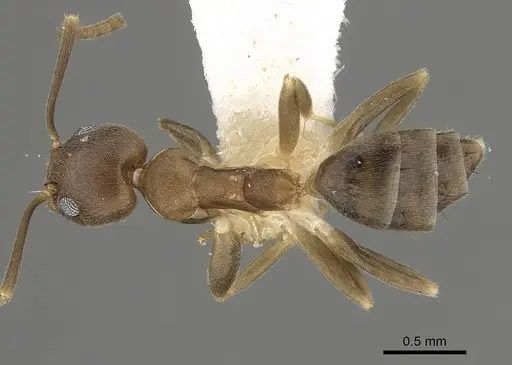
CASENT0909797
View on AntWeb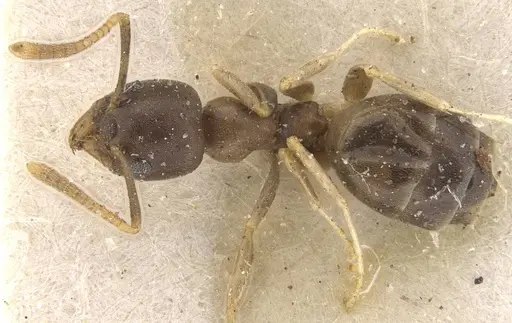
Literature
Loading distribution map...Loading products...