
Technomyrmex fisheri
- Sci. Name
- Technomyrmex fisheri
- Tribe
- Tapinomini
- Subfamily
- Dolichoderinae
- Author
- Bolton, 2007
- Distribution
- Found in 1 countries
Introduction
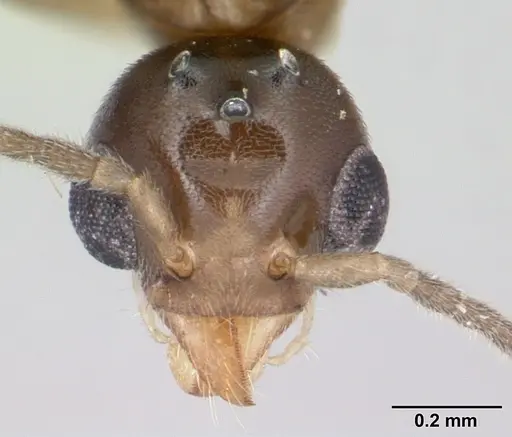
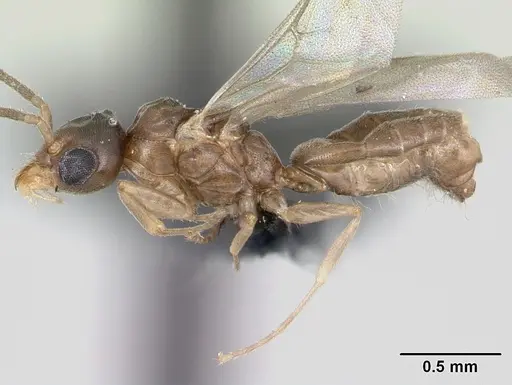
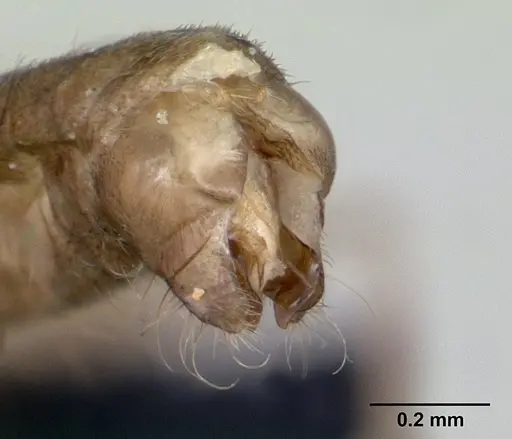
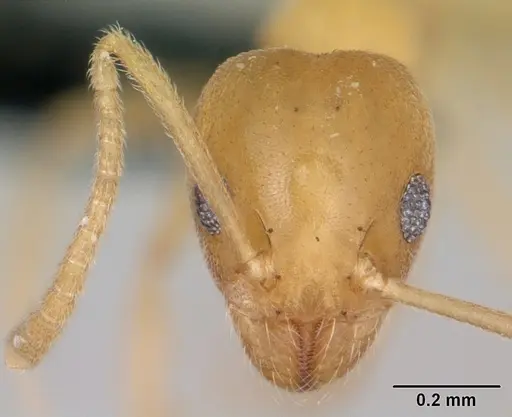
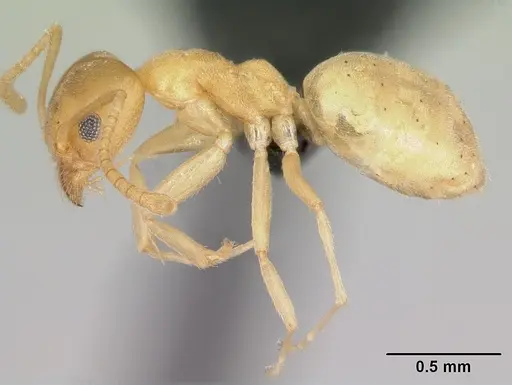
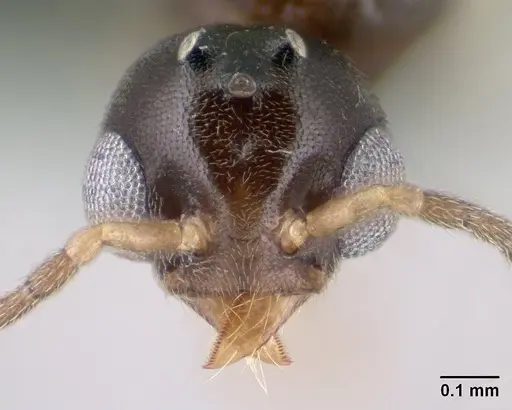
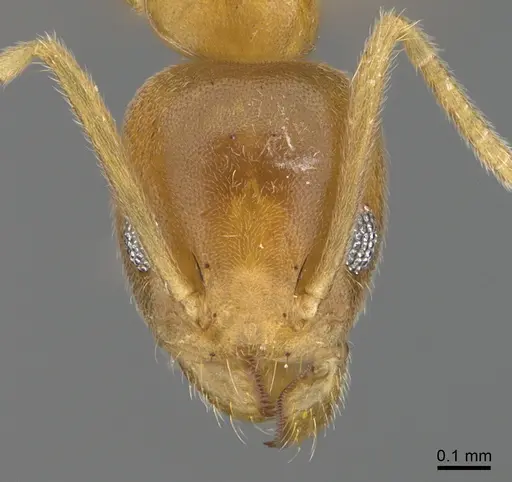
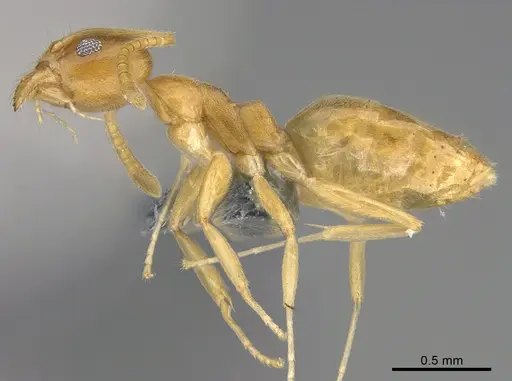
Technomyrmex fisheri is a tiny yellow to light brown ant from Madagascar, measuring about 2.3-2.6 mm in total length . It belongs to the subfamily Dolichoderinae and is part of the Technomyrmex albipes group, specifically the T. pallipes complex. Workers are unique because they lack setae (bristles) on the mesonotum and propodeal declivity, which sets them apart from look‑alikes like Technomyrmex madecassus . In the wild, these ants live in rainforests. Most specimens are collected by beating low vegetation, but they also nest in twigs still attached to trees and in rotten logs on the forest floor . An interesting feature is that worker‑queen intercastes (individuals with mixed worker‑queen traits) have been found, hinting at some flexibility in caste development .
Quick Summary
- Difficulty: Medium
- Origin & Habitat: Madagascar, rainforests at low elevations (around 30 m) on islands like Nosy Be [1].
- Colony Type: Colony structure is poorly documented. Worker‑queen intercastes are known, which suggests some flexibility in how castes develop [1].
- Size & Growth:
- Queen: Not directly measured, worker‑queen intercastes exist but queen‑specific size is unknown [1]
- Worker: 2.3-2.6 mm total length [1]
- Colony: Unknown for this species
- Growth: Moderate, inferred from related Technomyrmex species
- Development: 6-8 weeks estimated, based on typical Dolichoderinae development at warm temperatures (Development timeline is an estimate, no specific study exists for this species)
- Antkeeping:
- Temperature: Keep at 24-28°C. As a tropical rainforest ant from Madagascar, it needs steady warmth year‑round [1].
- Humidity: Keep the nest substrate consistently moist but not waterlogged. These ants naturally live in damp forest environments [1].
- Diapause: No, as a tropical species from Madagascar, it does not need hibernation. Keep warm all year [1].
- Nesting: In the wild they nest in rotting wood, twigs, and under bark. In captivity, a Y‑tong (AAC) nest or plaster formicarium works well. They prefer tight, humid chambers over dry, open spaces [1].
- Behavior: These are small, active ants that forage in vegetation. As Dolichoderinae, they lack a functional stinger. Instead, they defend themselves by exuding sticky, foul‑smelling cyclopentanoid monoterpenes from an anal gland, a defence mechanism known as ‘smear’. They are not aggressive toward keepers but will use this chemical defence if threatened. Their tiny size (2-3 mm) makes escape prevention critical, they can squeeze through the tiniest gaps. They likely feed on honeydew and small insects, like other Dolichoderinae.
- Common Issues: escape prevention is critical due to their tiny 2-3 mm size, use fine mesh and tight‑fitting lids., high humidity requirements can lead to mold if ventilation is poor, balance is essential., tropical species may decline if temperatures drop below 22°C, monitor closely., wild‑caught colonies may have parasites or diseases that can cause colony failure.
Housing and Nest Setup
For Technomyrmex fisheri, you need a nest that holds humidity well while still letting air circulate. A Y‑tong (AAC) block or plaster nest is a good choice. Keep the chambers small, these ants are only 2-3 mm long, so tight passages help them feel secure. Because they naturally nest in rotting wood and twigs in damp forest environments, the nest material should stay moist but not soaking wet. A test tube setup works fine for a founding colony, but once the colony outgrows it (somewhere past 20-30 workers), move them to a more permanent nest. Always provide an outworld for foraging, these ants will venture out to find food [1].
Feeding and Diet
Like other Dolichoderinae, Technomyrmex fisheri probably eats a mix of sweet and protein foods. In the wild, they likely harvest honeydew from sap‑sucking insects and hunt small arthropods. In captivity, offer sugar water or honey water as a steady carbohydrate source. For protein, give them tiny live prey like fruit flies, pinhead crickets, or small mealworms, anything bigger than the ant itself will be ignored. Feed protein two to three times a week and keep sugar water available always. Remove uneaten prey after 24 hours to prevent mold.
Temperature and Humidity
These Madagascar rainforest ants need warmth and steady moisture. Keep the temperature between 24-28°C. A heating cable or mat on one side of the nest can help reach these numbers, especially in cooler rooms. The nest substrate should be consistently moist, aim for a damp‑sponge feel, not waterlogged. You can mist the nest occasionally or use a water reservoir in your formicarium. Avoid putting the nest near air conditioning vents or draughty windows, sudden temperature drops can stress or kill the colony [1].
Behavior and Handling
Technomyrmex fisheri is a small, busy ant that forages actively in vegetation. Being a Dolichoderinae, it has no stinger, its defence is a sticky, foul‑smelling chemical released from an anal gland. They are not aggressive to keepers, but if handled roughly they may smear this chemical on you. It’s harmless but unpleasant. Their tiny size makes them excellent escape artists, use fluon or another barrier on the edges of your setup, and make sure all lids fit tightly. These ants are most active during the day and will form clear trails to food sources [1].
Colony Development
No one has published specific development data for this species. Based on typical Dolichoderinae patterns and their small size, expect the first workers (nanitics) to appear about 6-8 weeks after the queen starts laying, assuming you keep the temperature around 26°C. The species is known to produce worker‑queen intercastes, individuals that have a mix of worker and queen traits. This means you might see some oddly shaped ants that don’t fit the usual caste mould. Colony growth will be moderate, it may take several months to reach 50 workers, depending on how consistently you feed them and maintain the environment [1].
Frequently Asked Questions
How long does it take for Technomyrmex fisheri to produce first workers?
Based on typical Dolichoderinae development, expect 6-8 weeks from egg to first worker at optimal temperatures (around 26°C). This is an estimate since specific development data for this species is not available.
What size colony does Technomyrmex fisheri reach?
The maximum colony size for this species is not documented. Based on their small worker size (2.3-2.6 mm) and typical Technomyrmex patterns, colonies likely reach several hundred workers at most [1].
Can I keep Technomyrmex fisheri in a test tube?
Yes, test tubes work well for founding colonies. However, because they require high humidity and are tiny, monitor the water reservoir closely and be prepared to move them to a more permanent setup once the colony grows beyond about 20 workers.
What do Technomyrmex fisheri eat?
They likely eat honeydew and small insects in the wild. In captivity, offer sugar water or honey water constantly, plus small live prey like fruit flies or small mealworms 2-3 times per week.
Do Technomyrmex fisheri need hibernation?
No. As a tropical species from Madagascar, they do not require hibernation. Keep them warm year‑round at 24-28°C [1].
Are Technomyrmex fisheri good for beginners?
They are rated as Medium difficulty. While not the hardest species, their high humidity requirements and need for warm temperatures make them better suited for keepers who already have some experience with tropical ant species.
Why are my Technomyrmex fisheri escaping?
Their tiny 2-3 mm size makes them excellent escape artists. Use fine mesh on any ventilation holes, apply fluon or petroleum jelly around lid edges, and ensure all connections between nest and outworld are sealed tightly [1].
When should I move my colony to a formicarium?
Move them when the test tube becomes crowded (typically around 20-30 workers) or when the water reservoir runs low and cannot be easily replaced. A Y‑tong or plaster nest works well for this species.
What temperature is too cold for Technomyrmex fisheri?
Temperatures below 22°C may cause stress. Keep them at 24-28°C for optimal health. Prolonged cold exposure can weaken or kill the colony [1].
Report an Issue
The current care sheet is based fully on literature. See inconsistencies, or something that's incorrect? Please , it will be resolved after review from an admin. Contributing to the blogs tab also helps providing information, to make us be able to further improve the caresheets. Thank you for your support!
References

This caresheet is licensed under CC BY-SA 4.0 .
Community Blogs
CASENT0005969
View on AntWeb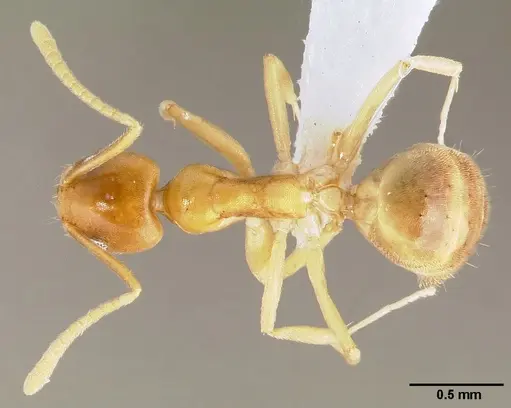
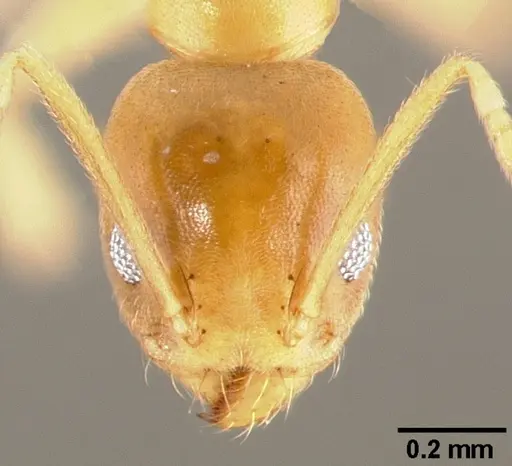
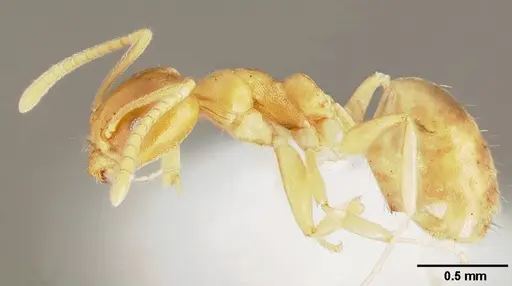
CASENT0052471
View on AntWeb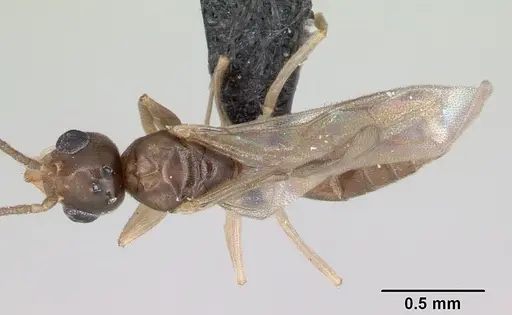
CASENT0053815
View on AntWeb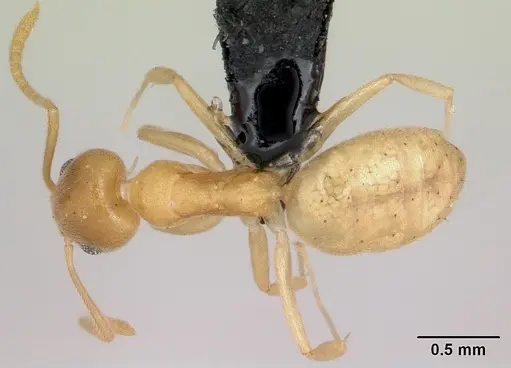
CASENT0138451
View on AntWeb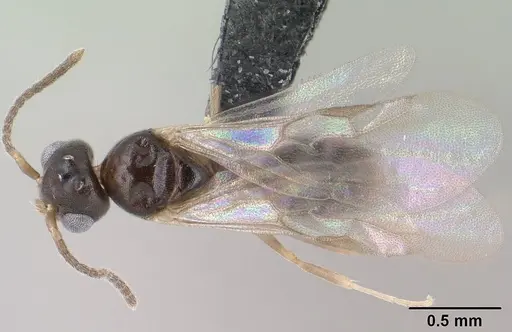
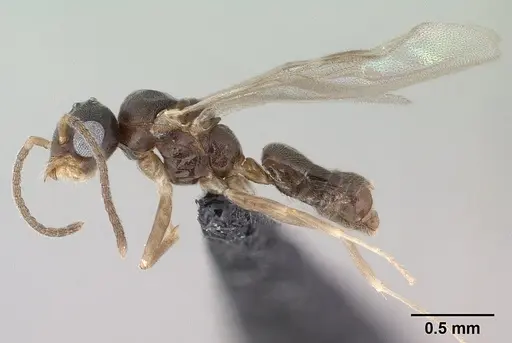
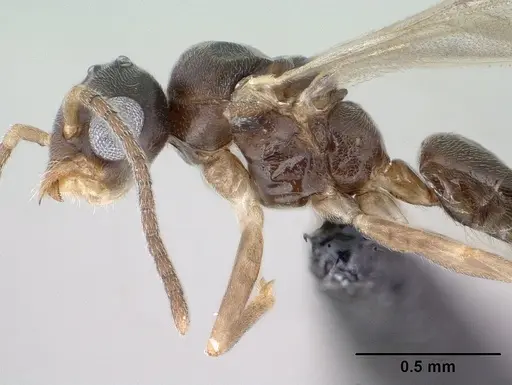
CASENT0345030
View on AntWeb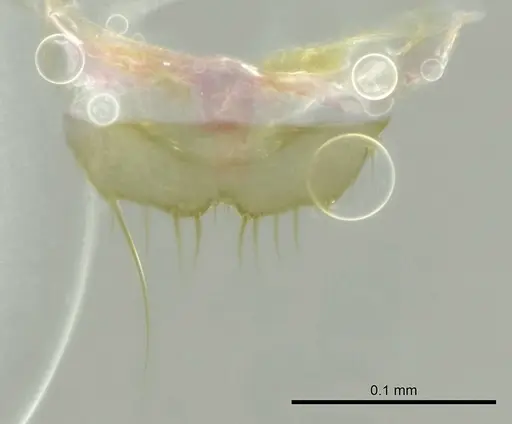
CASENT0345032
View on AntWeb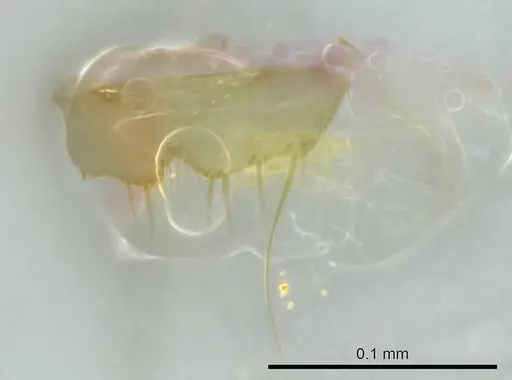
CASENT0345033
View on AntWeb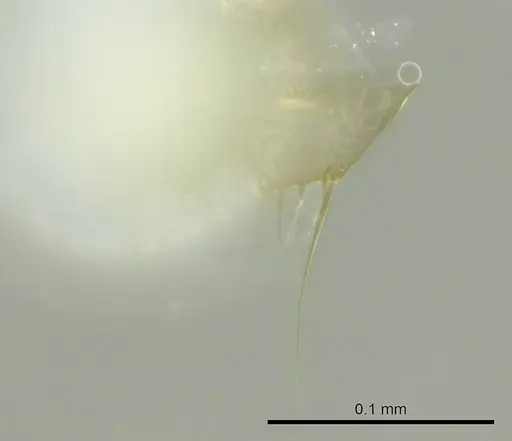
CASENT0345034
View on AntWeb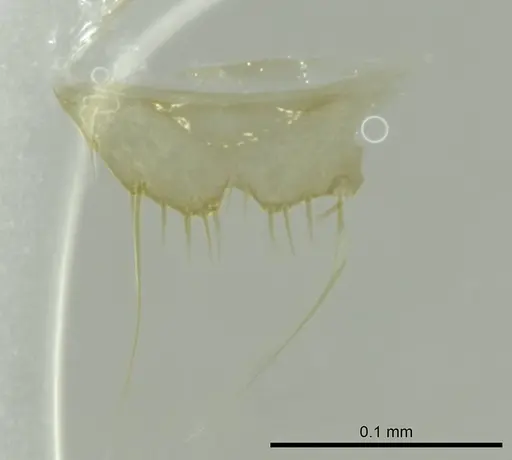
CASENT0345035
View on AntWeb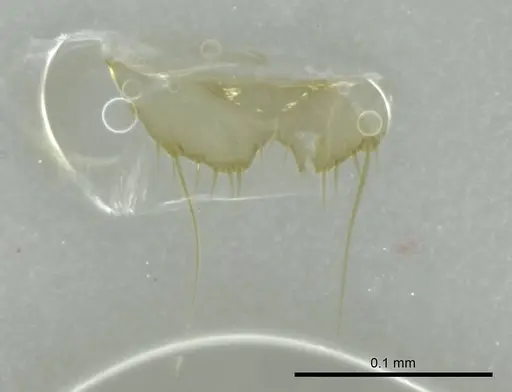
CASENT0435387
View on AntWeb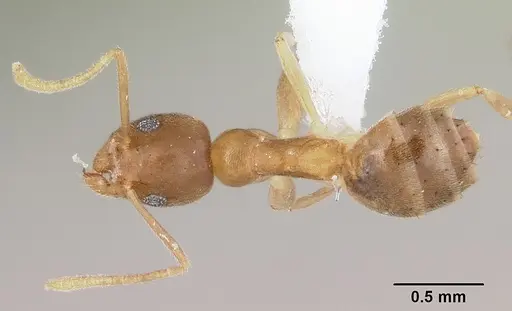
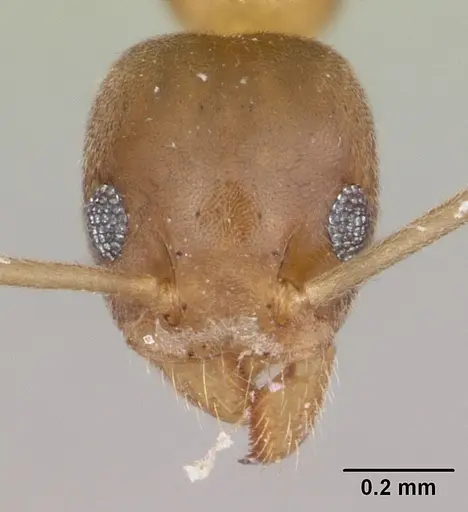
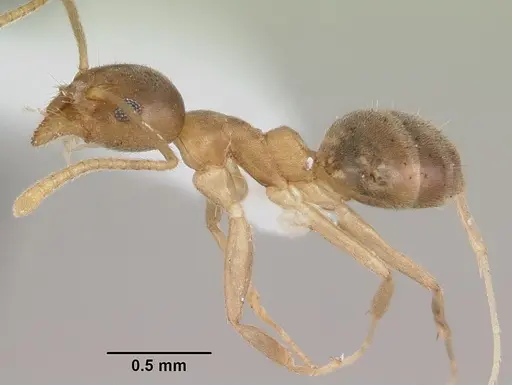
CASENT0485349
View on AntWeb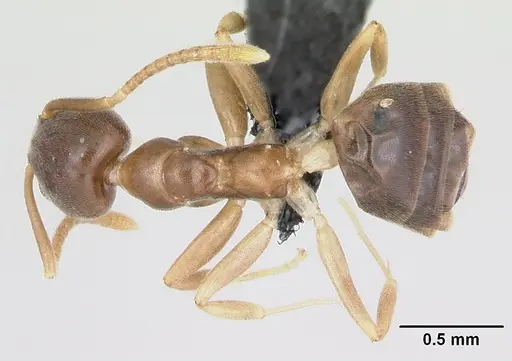
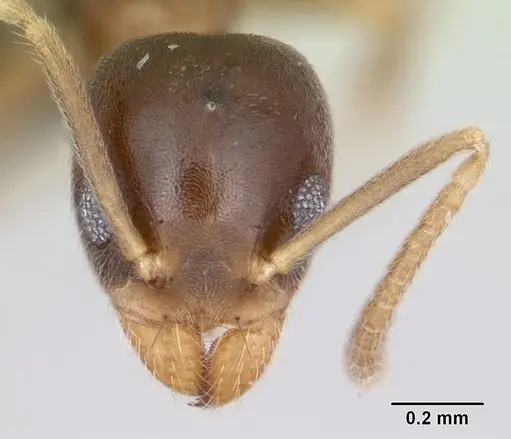
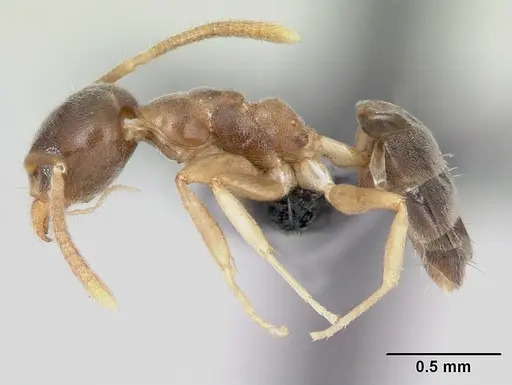
CASENT4024431
View on AntWeb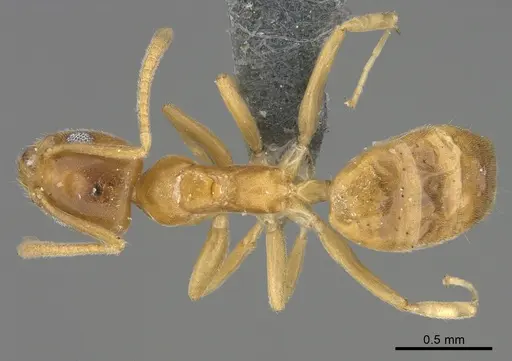
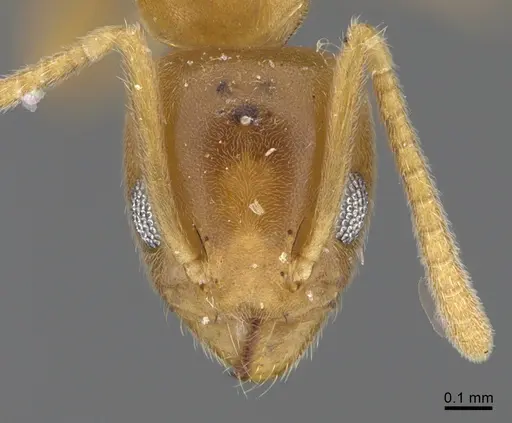
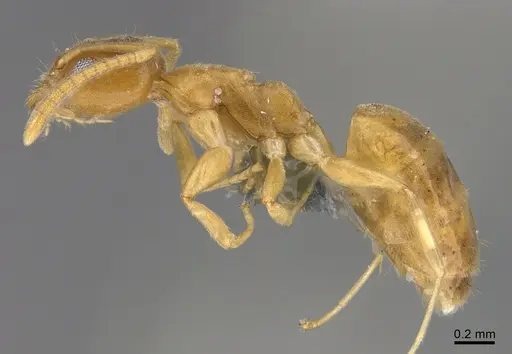
CASENT4024434
View on AntWeb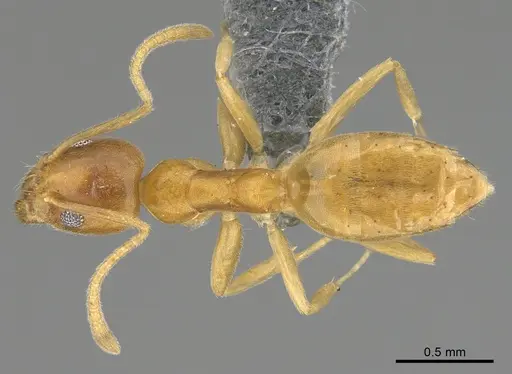
Literature
Loading distribution map...Loading products...