
Tapinoma subtile
- Sci. Name
- Tapinoma subtile
- Tribe
- Tapinomini
- Subfamily
- Dolichoderinae
- Author
- Santschi, 1911
- Distribution
- Found in 7 countries
Introduction
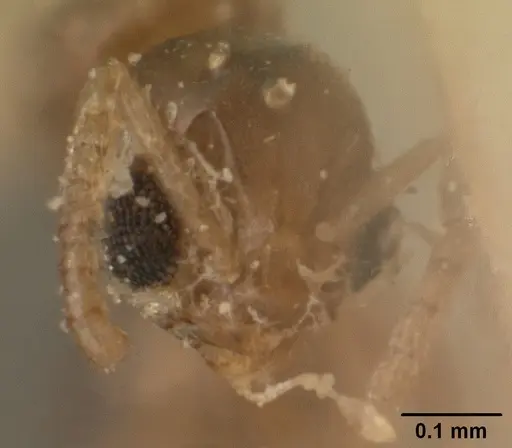
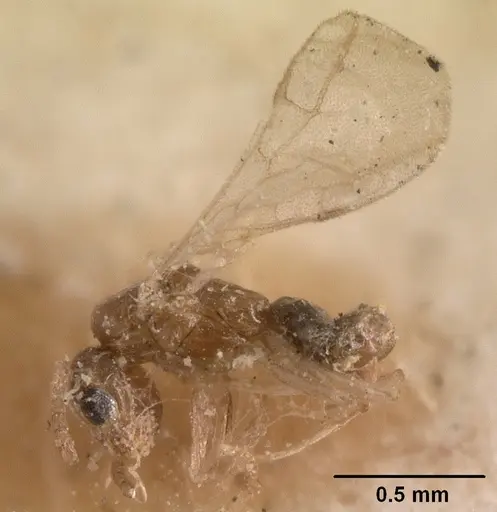
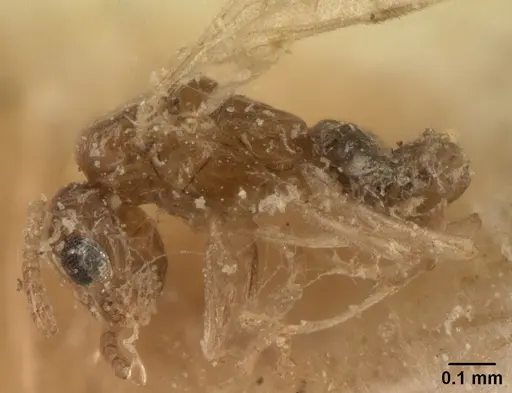
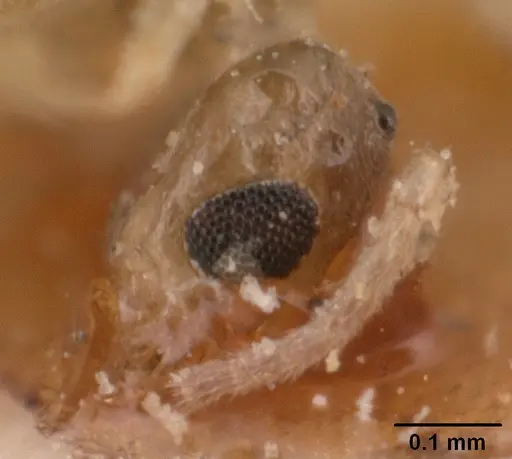
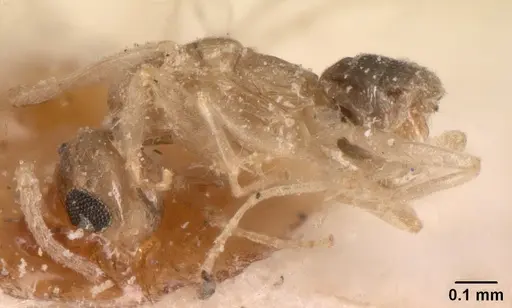
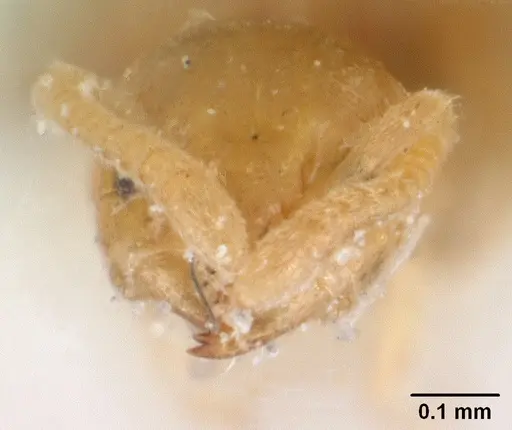
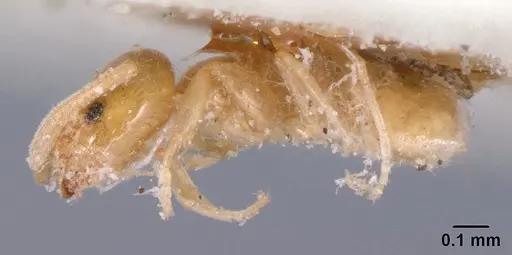
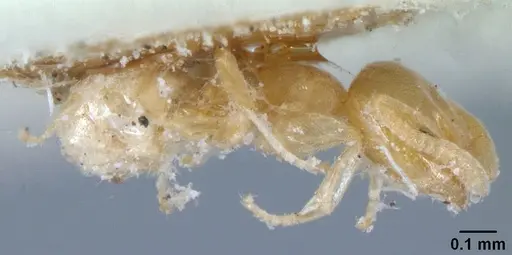
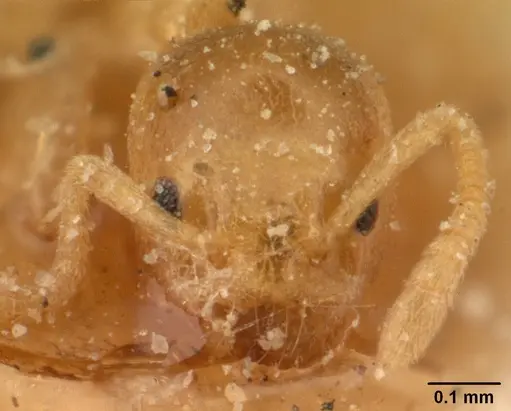
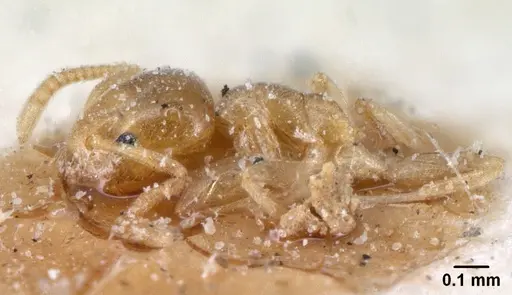
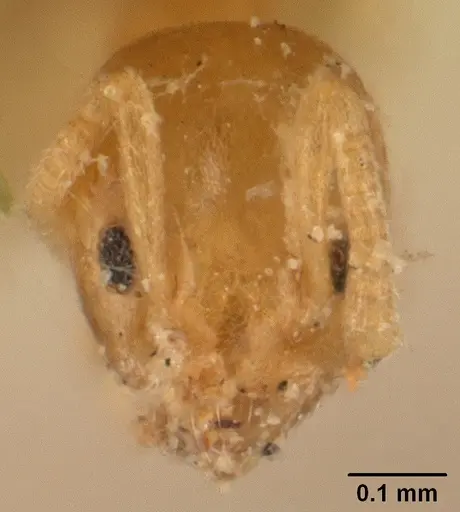
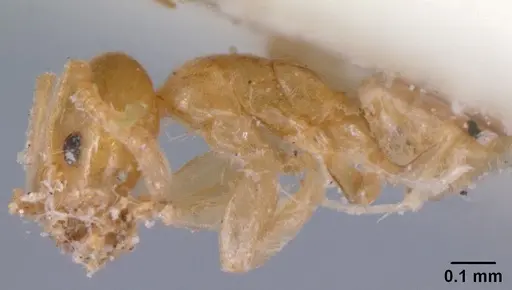
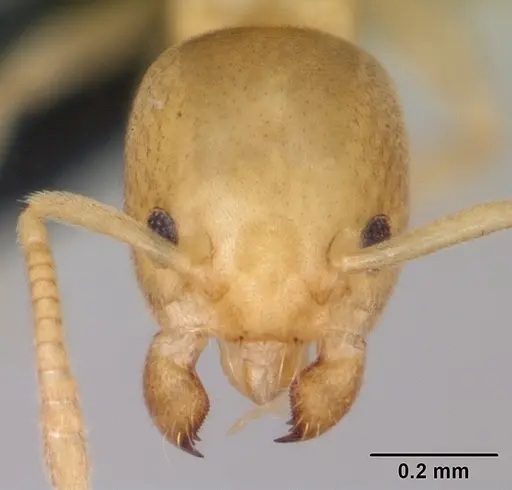
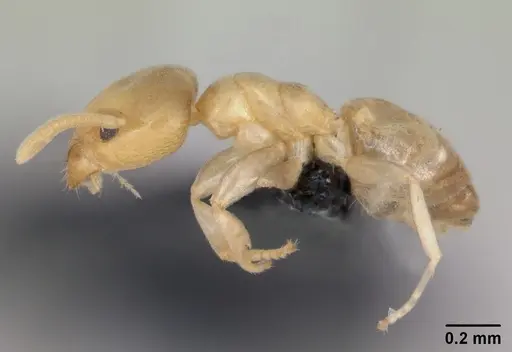
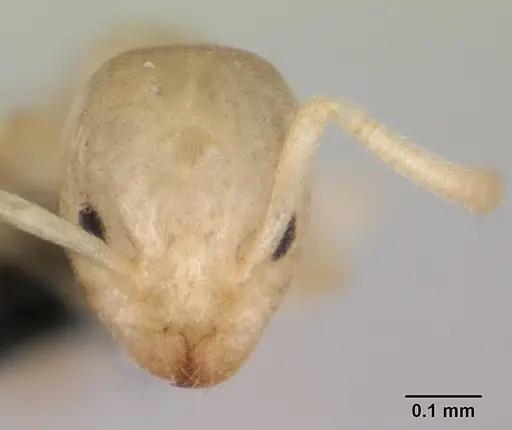
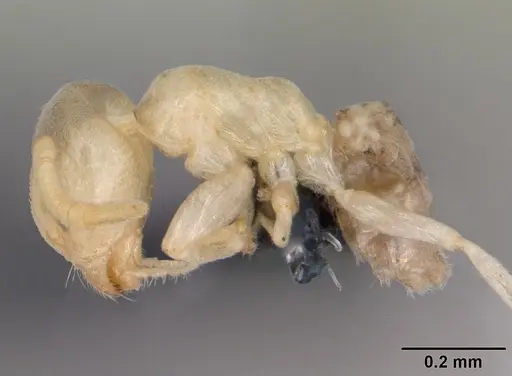
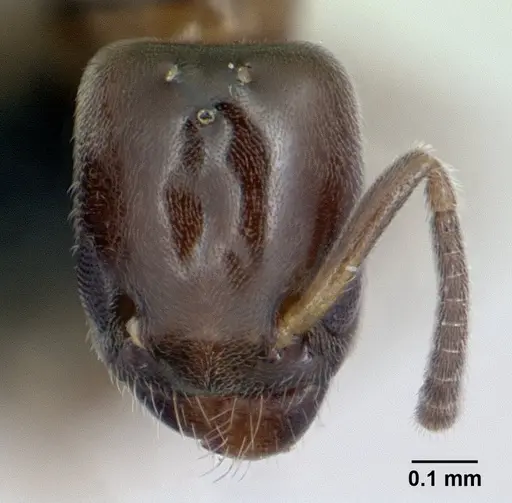
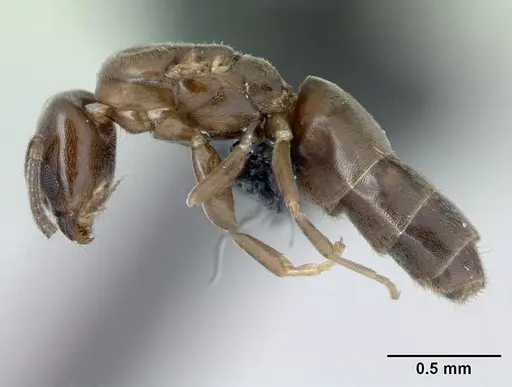
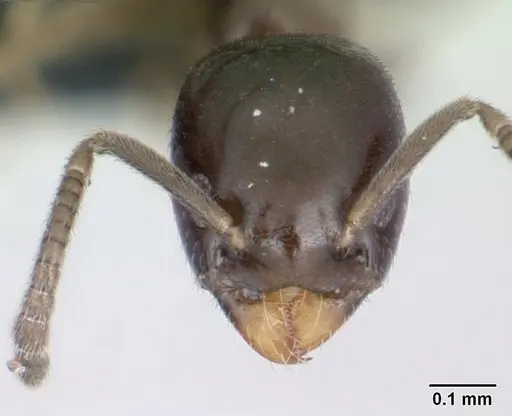
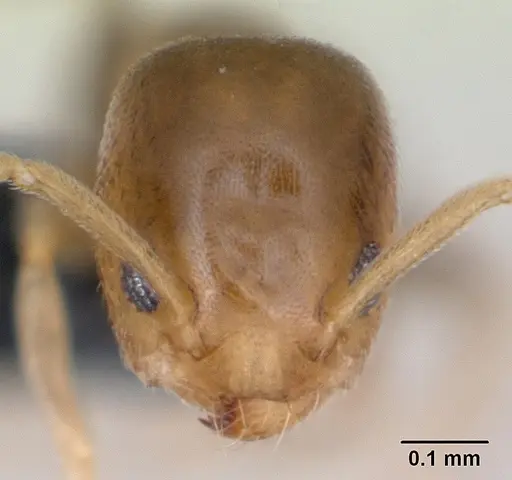
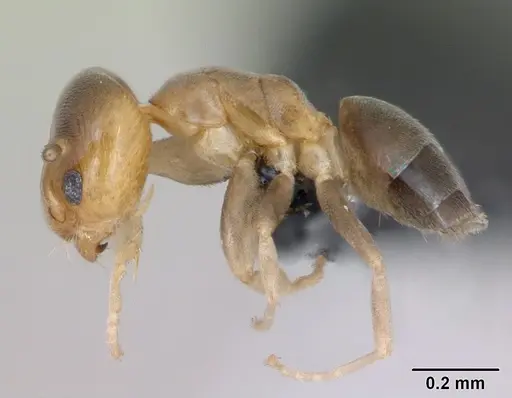
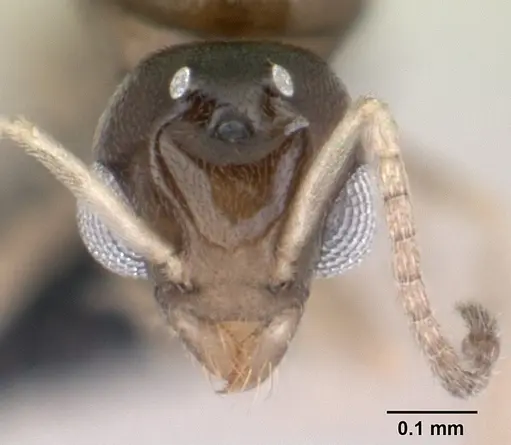
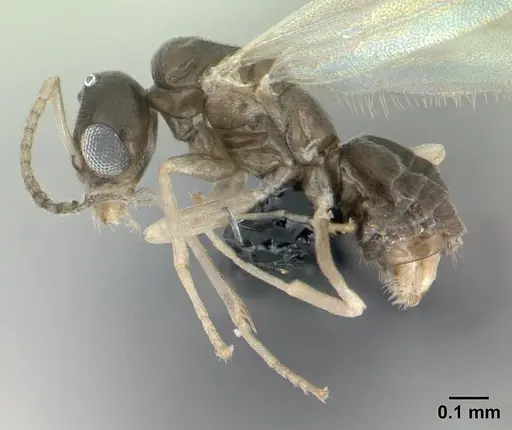
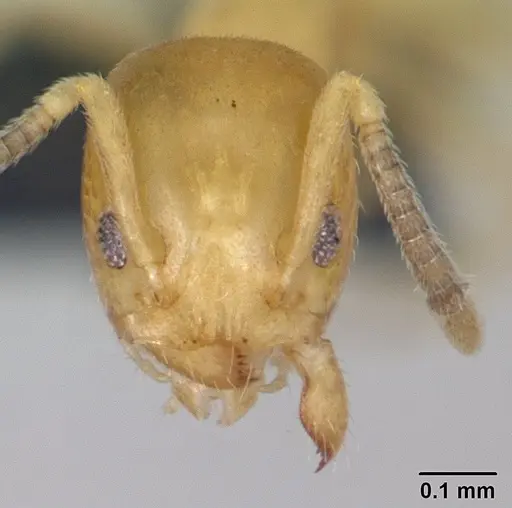
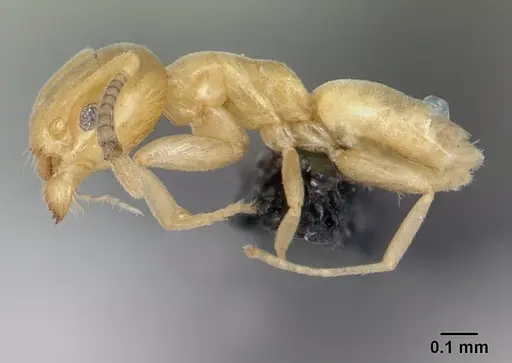
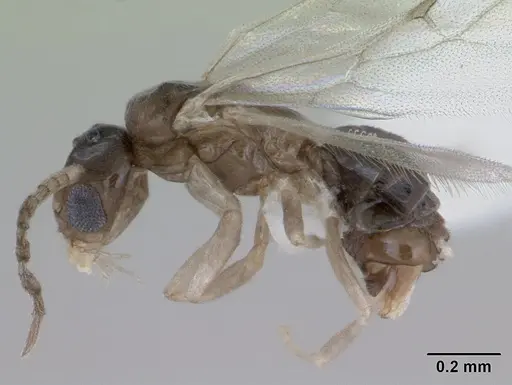
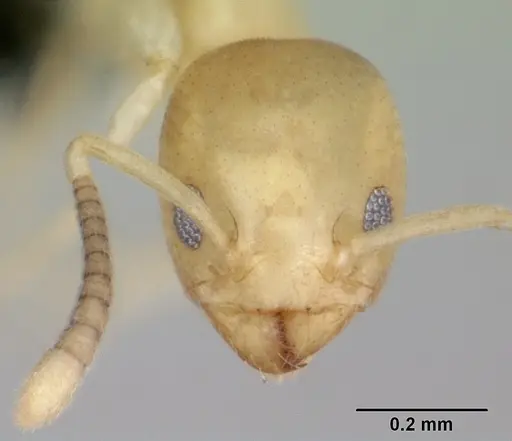
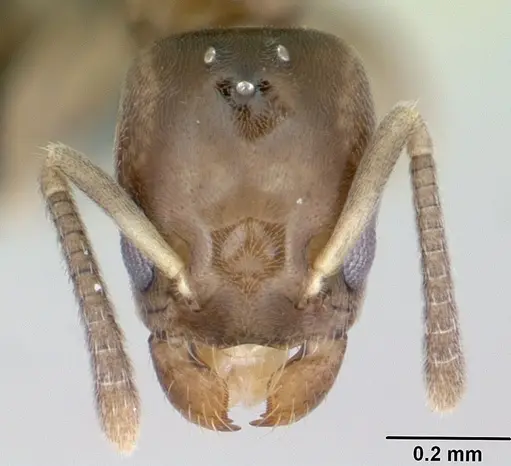
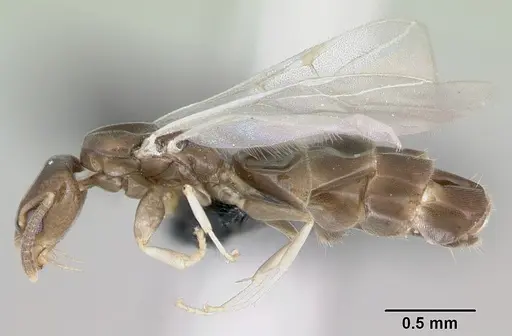
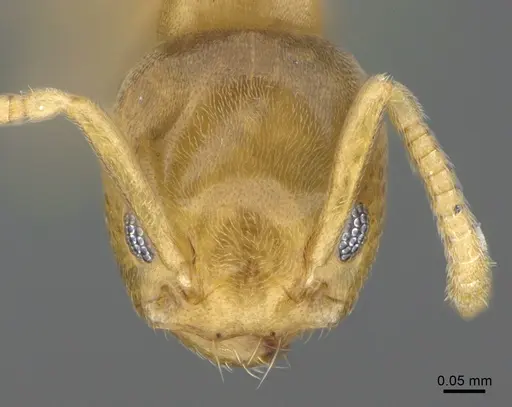
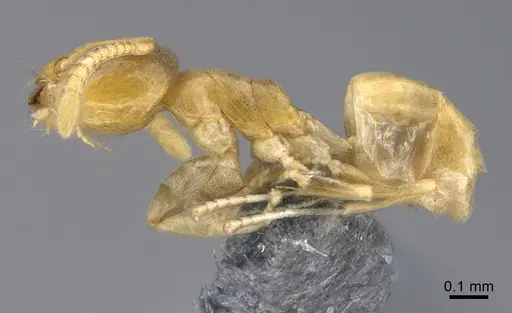
*Tapinoma subtile* is a small, pale to dark brown ant native to Madagascar, Comoros, Namibia, and Mayotte . Workers are small, estimated around 2-3 mm, with a compact body and a rounded, heart-shaped gaster that they raise when threatened, a typical *Tapinoma* look . They belong to the Dolichoderinae subfamily, so they don't sting. Instead, they defend themselves by releasing a sticky, foul-smelling substance from their anal gland . What makes *T. subtile* stand out is its arboreal lifestyle and strong competitive streak. In Madagascar’s coastal rainforests, it is one of the top five most common tree-dwelling ants, with colonies that can take over whole tree crowns . In Namibia’s desert, it monopolized every bait it found . Interestingly, in the rainforest it often shares trees with other ant species, showing a mix of dominance and tolerance .
Quick Summary
- Difficulty: Medium
- Origin & Habitat: Found in Madagascar, Comoros, Namibia, and Mayotte [1]. Lives in a range of habitats including coastal rainforests, dry deciduous forests, and even desert tree canopies [4][2][3]. It is arboreal, nesting in trees and woody vegetation rather than underground [2][3].
- Colony Type: Colony structure is not well documented in the scientific literature. Based on typical *Tapinoma* behavior, colonies probably have a single queen (monogyne), but this is not confirmed [2].
- Size & Growth:
- Queen: Inferred from *Tapinoma* genus: roughly 4-5 mm [1]
- Worker: Inferred from *Tapinoma* genus: roughly 2-3 mm [1]
- Colony: Large, documented occupying entire tree crowns in Madagascar [2]
- Growth: Moderate
- Development: Estimated 6-8 weeks at optimal temperature, based on genus patterns [1] (Development timeline has not been directly studied for this species.)
- Antkeeping:
- Temperature: Keep at 22-26°C. This tropical species needs consistent warmth, below 18°C can stress them and slow growth [1].
- Humidity: Moderate humidity. They are adaptable, found in both humid rainforest and drier forest [4][2]. Keep the nest substrate slightly moist but not waterlogged.
- Diapause: No, this is a tropical species that does not need hibernation. Keep temperatures consistent year-round [1].
- Nesting: An arboreal setup works best. These ants naturally nest in trees and wood, so provide vertical climbing space with cork bark, branches, or a Y-tong (AAC) nest. Avoid fully ground-level test tubes, they prefer elevated nesting spots [2][3].
- Behavior: Fast-moving foragers that are competitive at food sources. When threatened, they raise their gaster and release a sticky, foul-smelling substance from their anal gland, no sting. They are excellent climbers and escape artists because of their small size. In nature they often co-occur with other ant species, showing both dominance and tolerance [2][3].
- Common Issues: escape prevention is critical, they are small, agile climbers that will find any tiny gap, anal gland defense can produce a strong, unpleasant odor when they feel threatened, need vertical space and climbing structures to feel at home, tropical species is sensitive to cold, keep warm year-round, can be aggressive toward other ants at food sources, so keep them separate from other colonies
Housing and Nest Setup
Tapinoma subtile lives in trees, so your setup should reflect that. A Y-tong (AAC) nest works well, or go with a naturalistic terrarium that has branches, cork bark, and maybe even live plants for them to explore. These ants are excellent climbers and will use every bit of vertical space. Give them chambers at different heights to mimic tree hollows. Since they come from tropical areas, keep the nest slightly moist but not wet. A water tube or small water source in the outworld helps. Don't use a flat test tube on the ground, they prefer elevated nesting spots that feel like tree cavities [2][3].
Feeding and Diet
Like most Tapinoma, this species is omnivorous with a sweet tooth. Always offer a sugar source, sugar water, honey, or diluted maple syrup. For protein, give small insects like fruit flies, pinhead crickets, or tiny pieces of mealworm. They will also scavenge seeds and plant matter. In the wild they are competitive at food sources, so you might see them aggressively defend food in the setup [3]. Feed protein 2-3 times a week and keep sugar available all the time. Remove any uneaten prey after 24 hours to prevent mold.
Temperature and Seasonal Care
Keep your colony at 22-26°C year-round. This tropical ant does not tolerate cold, temperatures below 18°C can stress them and slow brood development. Use a heating cable on one side of the nest if your room is cooler. No hibernation or diapause is needed, just keep things warm and stable. Although they come from humid rainforests, they are also found in dry forests and desert areas, so they can handle some variation in humidity [4][2]. Aim for moderate humidity with a moisture gradient in the nest.
Behavior and Defense
This species is a strong competitor but also a tolerant neighbor. Workers move fast and will defend food sources. Their only defense is a sticky, foul-smelling substance from the anal gland, they don't have a stinger [1]. When threatened, they raise their gaster as a warning. The smell can be strong, so don't put your face near the colony. Because they are small and nimble, escape is a real risk. Use tight-fitting lids, fine mesh on vents, and consider a fluon barrier on the rim of the outworld. Despite their competitiveness, in Madagascar they often share trees with other ants [2], so they may not be hyper‑aggressive all the time.
Colony Development
Colonies can grow large. In their native habitat, a single colony can take over an entire tree crown [2]. Queen founding is unconfirmed, but based on genus patterns it is likely claustral, the queen seals herself in a chamber and raises the first workers using stored reserves. The first workers (nanitics) are smaller than later ones. Growth is moderate, you might expect 50+ workers after 6-12 months if conditions are good. Keep them warm, well‑fed, and give them plenty of vertical space to grow.
Frequently Asked Questions
Can I keep Tapinoma subtile in a test tube setup?
A standard test tube on its side is not ideal because they are arboreal. If you must use a test tube, set it up vertically or at an angle so it feels like an elevated cavity. Better options are a Y-tong (AAC) nest or a terrarium with climbing structures [1].
How long does it take for Tapinoma subtile to raise first workers?
Based on typical Tapinoma development, you can expect 6-8 weeks from egg to first worker at around 24-26°C. This is an estimate because the exact timeline for T. subtile hasn't been studied. The queen will seal herself in during founding and emerge with the first nanitics after that period [1].
Are Tapinoma subtile good for beginners?
They are rated medium difficulty. They are trickier than ground‑nesting species because you need an arboreal enclosure with vertical space and climbing surfaces. They also need year‑round warmth. If you have experience with tree‑dwelling ants or are willing to set up a naturalistic tank, they can be rewarding [1].
What do Tapinoma subtile eat?
They are omnivores with a preference for sweets. Give them sugar water, honey, or diluted maple syrup constantly. For protein, offer small insects like fruit flies, pinhead crickets, or mealworm pieces. Feed protein 2-3 times a week and remove leftovers after a day [1][3].
How big do Tapinoma subtile colonies get?
Pretty large. In Madagascar, colonies have been seen occupying whole tree crowns, which suggests they can grow big. With good care, expect several hundred workers over time [2].
Do Tapinoma subtile need hibernation?
No. They are a tropical species from Madagascar, so they don't need a cold period. Keep temperatures at 22-26°C all year. They are sensitive to cold and can be stressed below 18°C [1].
Why are my Tapinoma subtile escaping?
This species is tiny and a great climber. You need excellent escape prevention: tight‑fitting lids, fine mesh over any ventilation, and a barrier like fluon or petroleum jelly around the rim. Check daily for gaps, they can squeeze through very small holes [1].
Can I keep multiple queens together?
It's not recommended. The colony structure of this species is not well understood, but most Tapinoma are monogyne (single queen). Trying to keep multiple queens together could lead to fighting. Start with one mated queen for best results [1].
Are Tapinoma subtile aggressive toward other ants?
They are competitive and will dominate food sources when they find them, in Namibia they monopolized every bait they landed on [3]. But in Madagascar they often share trees with other ant species, so they aren't always hostile. If you keep them in a mixed setup, they will likely win any food fights, so it's safer to house them alone [2][3].
Report an Issue
The current care sheet is based fully on literature. See inconsistencies, or something that's incorrect? Please , it will be resolved after review from an admin. Contributing to the blogs tab also helps providing information, to make us be able to further improve the caresheets. Thank you for your support!
References

This caresheet is licensed under CC BY-SA 4.0 .
Community Blogs
CASENT0065204
View on AntWeb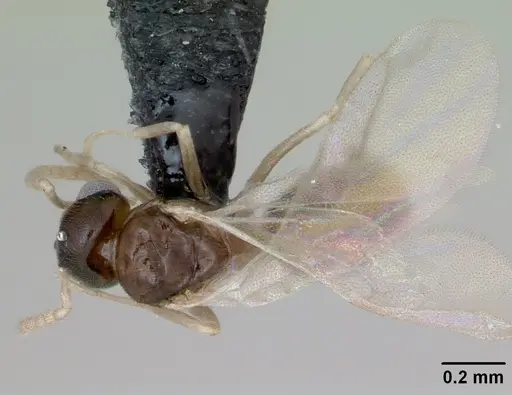
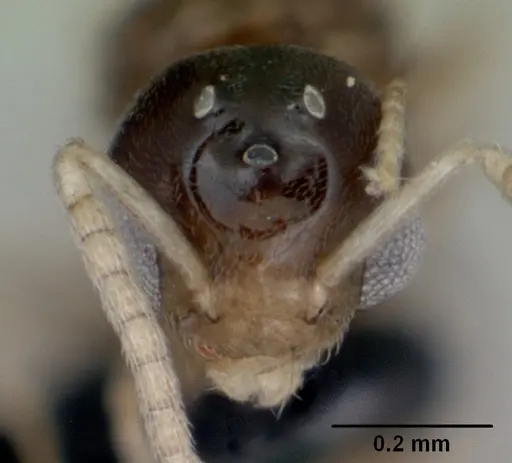
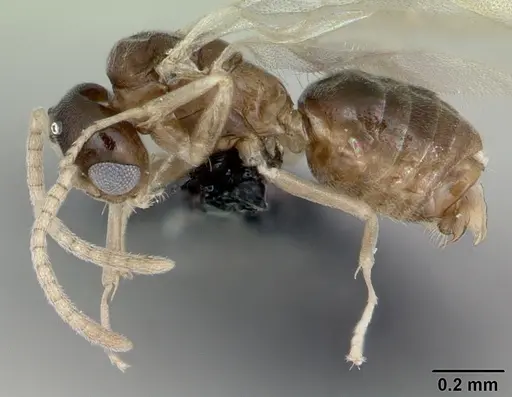
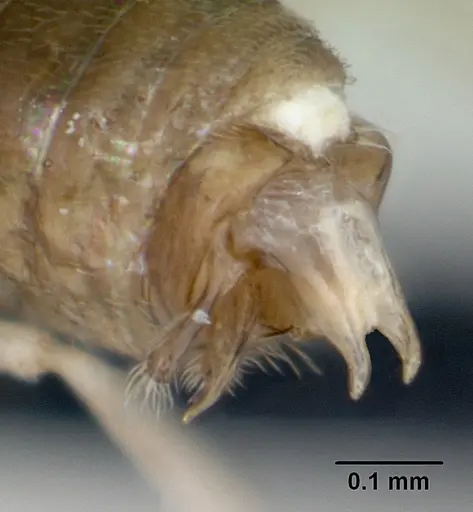
CASENT0101081
View on AntWeb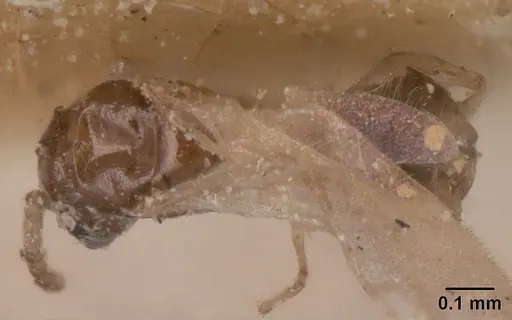
CASENT0101082
View on AntWeb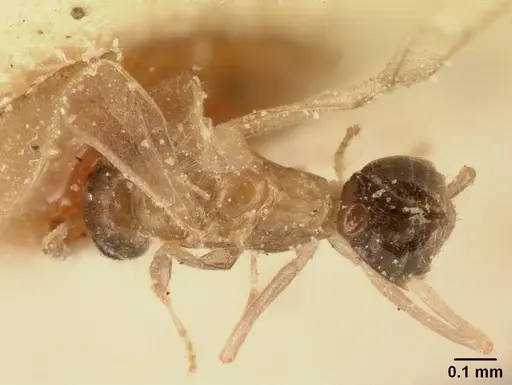
CASENT0101083
View on AntWeb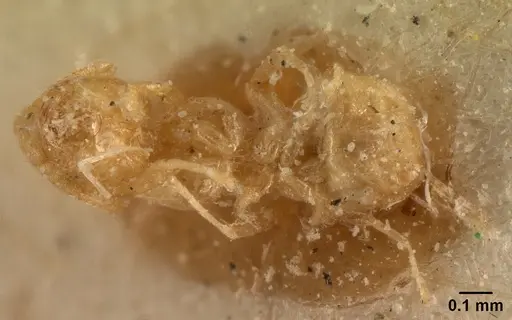
CASENT0101084
View on AntWeb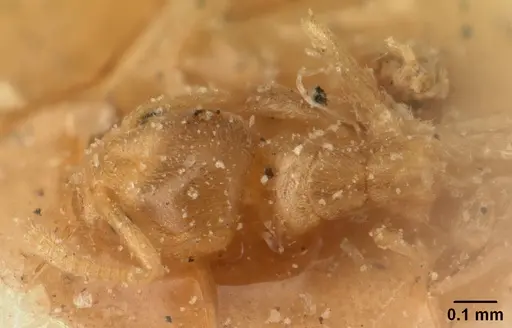
CASENT0101085
View on AntWeb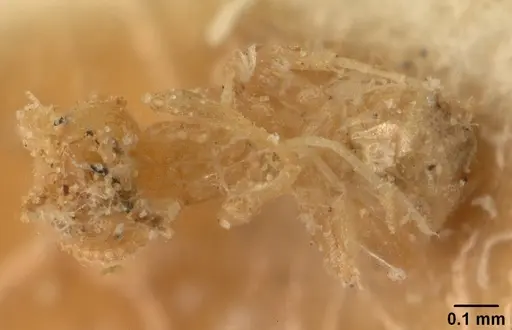
CASENT0109862
View on AntWeb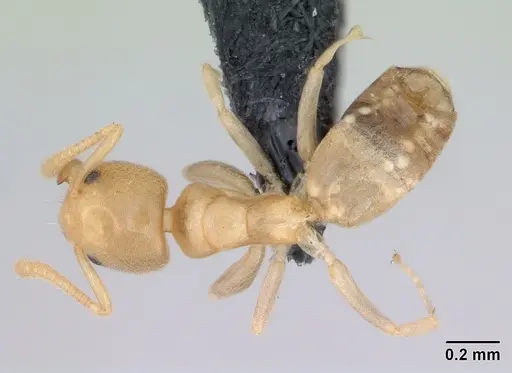
CASENT0109864
View on AntWeb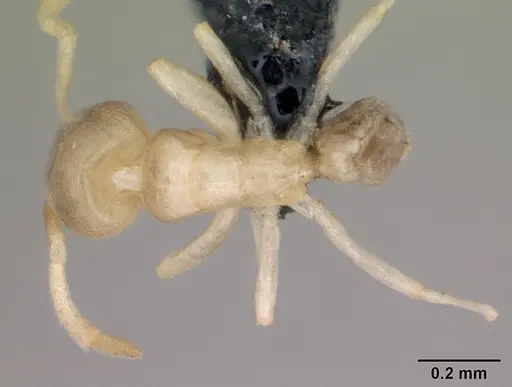
CASENT0132810
View on AntWeb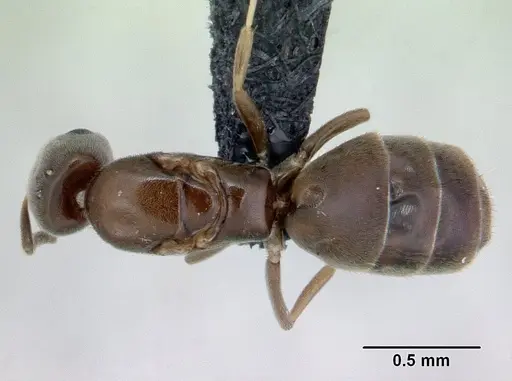
CASENT0132840
View on AntWeb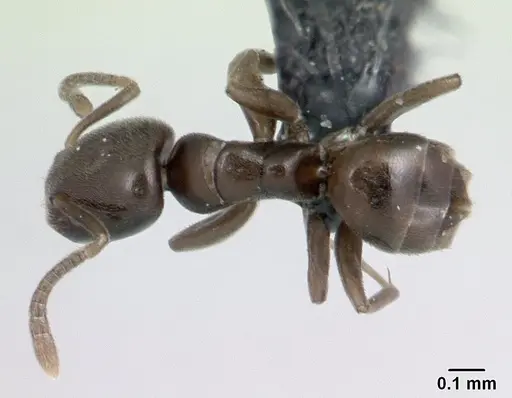
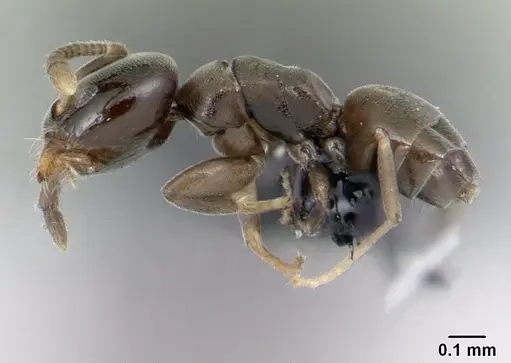
CASENT0134904
View on AntWeb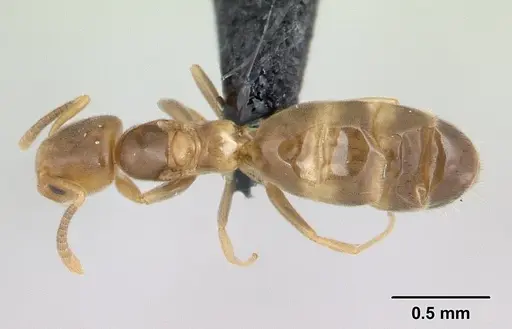
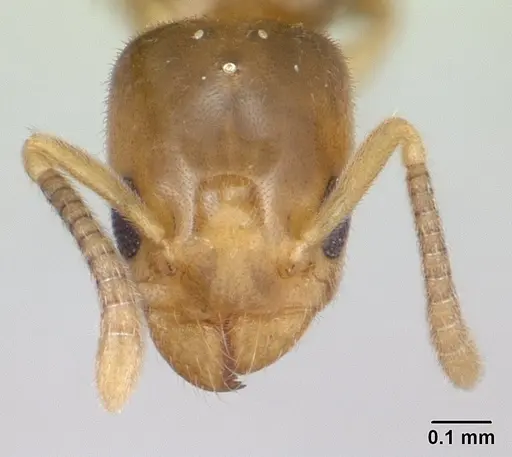
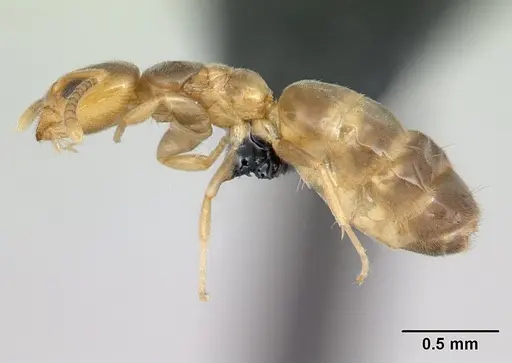
CASENT0135003
View on AntWeb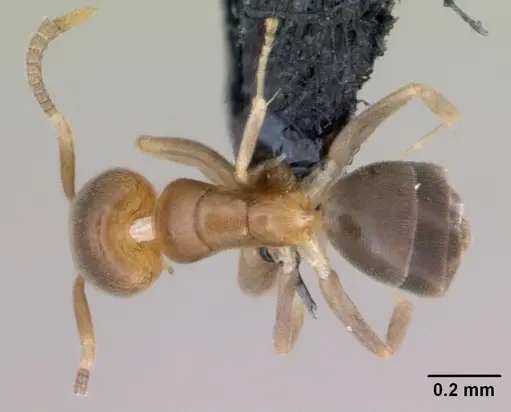
CASENT0136850
View on AntWeb
CASENT0178200
View on AntWeb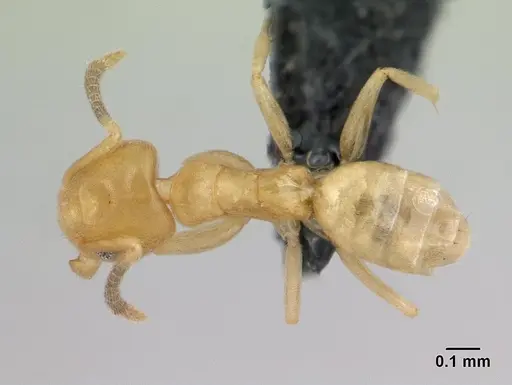
CASENT0418239
View on AntWeb
CASENT0453961
View on AntWeb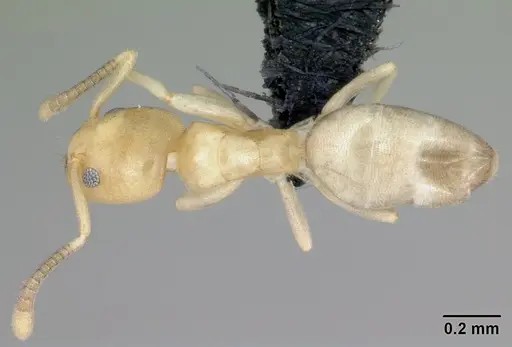
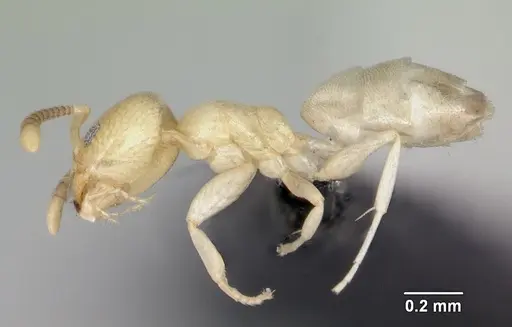
CASENT0453991
View on AntWeb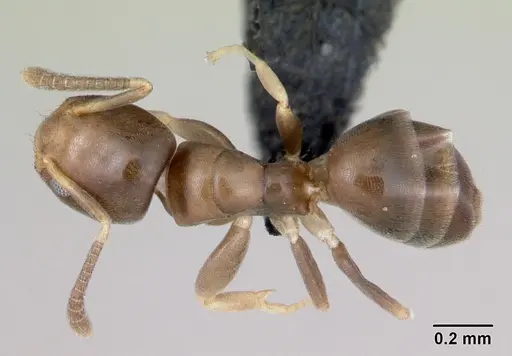
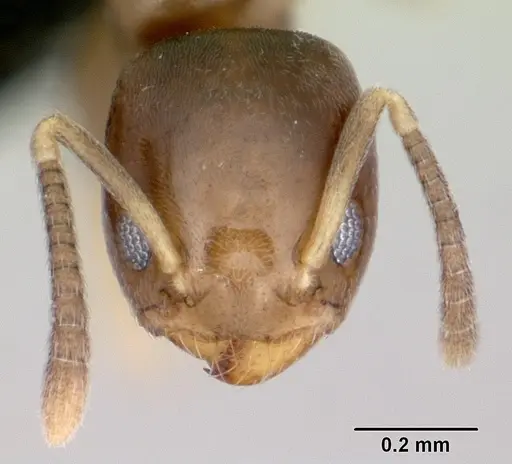
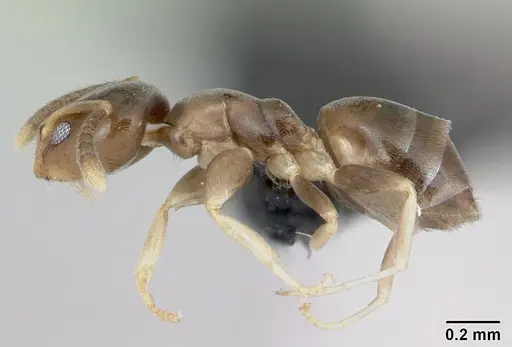
CASENT0453994
View on AntWeb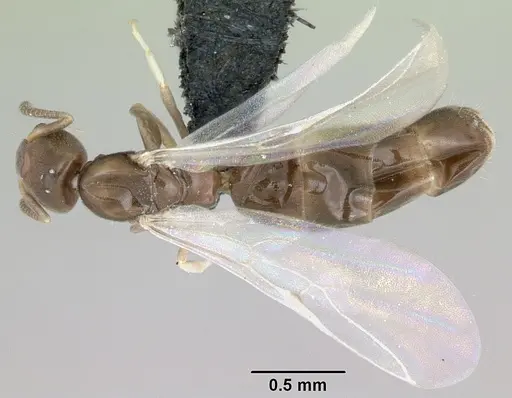
CASENT0923744
View on AntWeb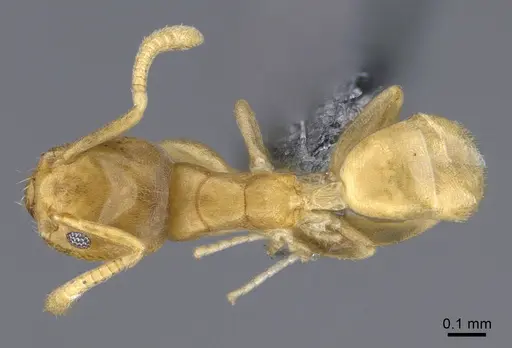
CASENT0923745
View on AntWeb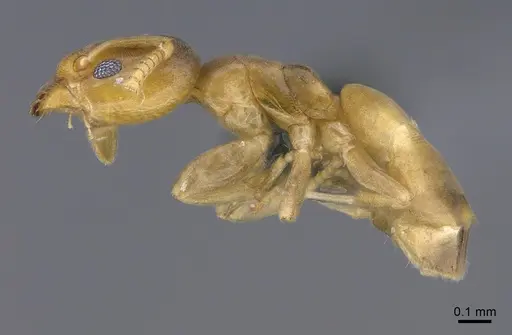
Literature
Loading distribution map...Loading products...