
Tapinoma simrothi
- Sci. Name
- Tapinoma simrothi
- Tribe
- Tapinomini
- Subfamily
- Dolichoderinae
- Author
- Krausse, 1911
- Distribution
- Found in 13 countries
Introduction
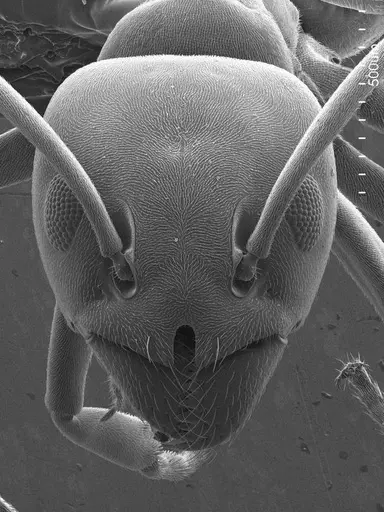
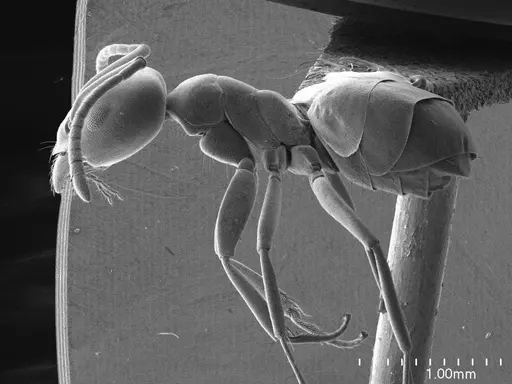
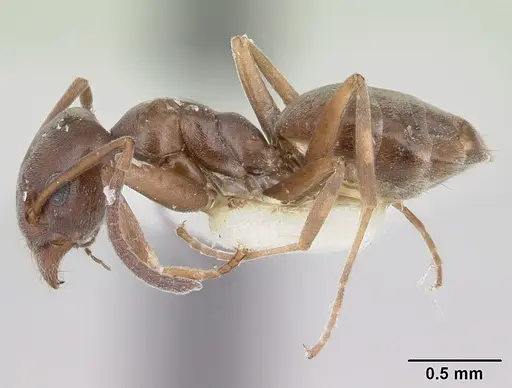
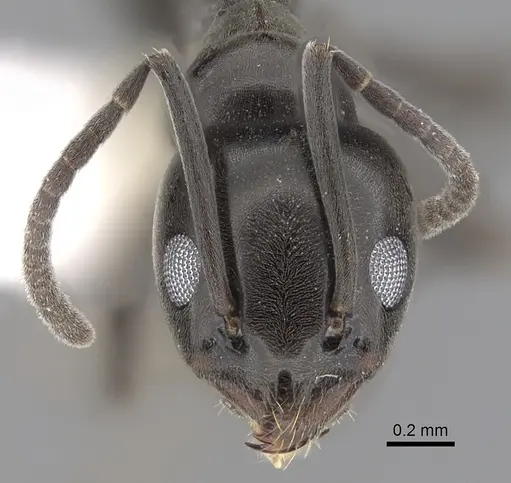
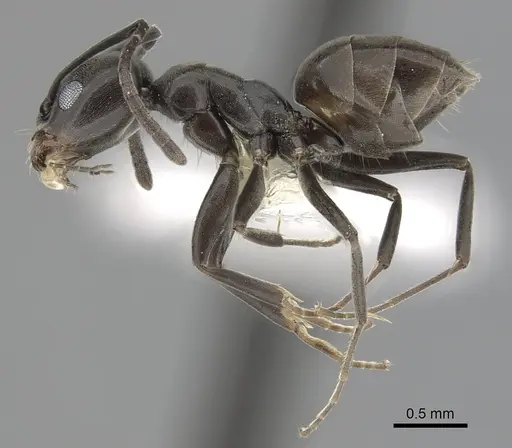
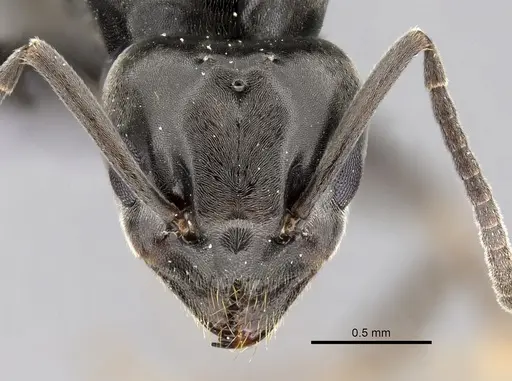
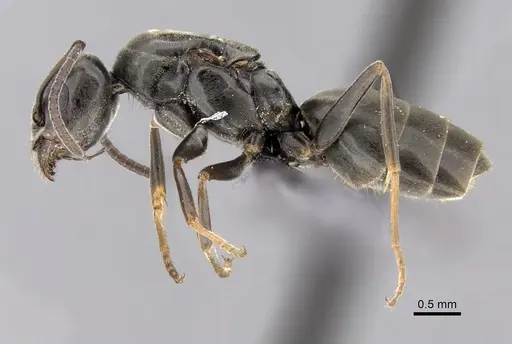
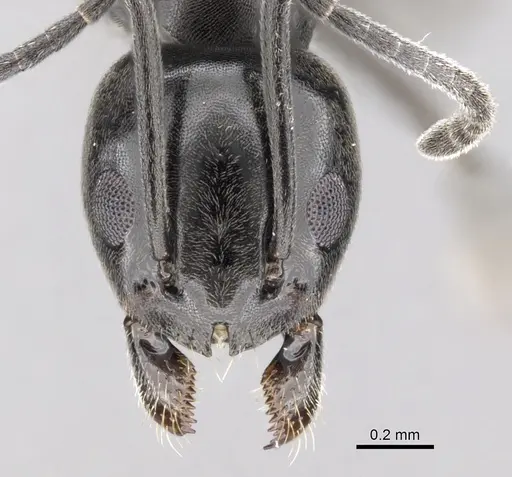
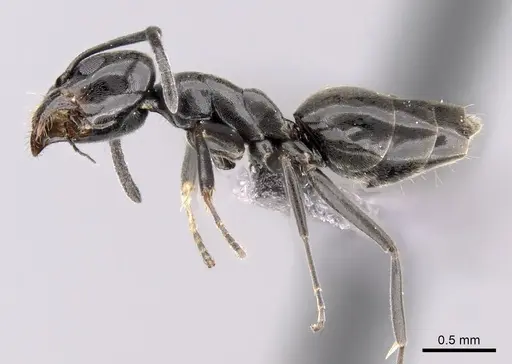
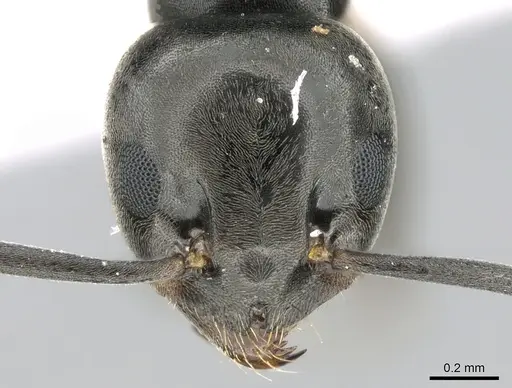
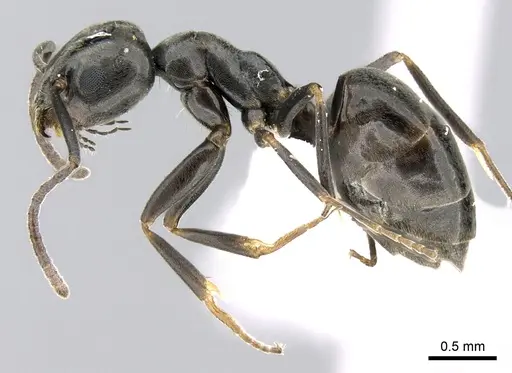
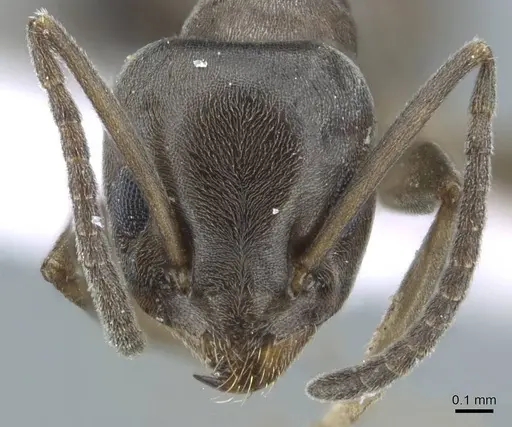
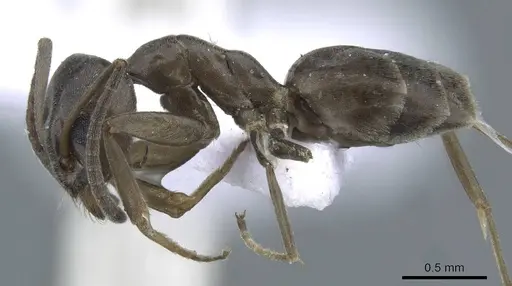
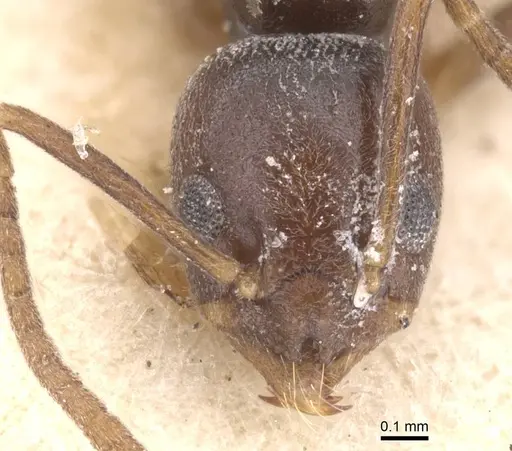
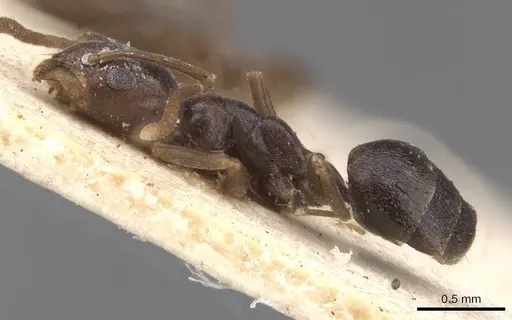
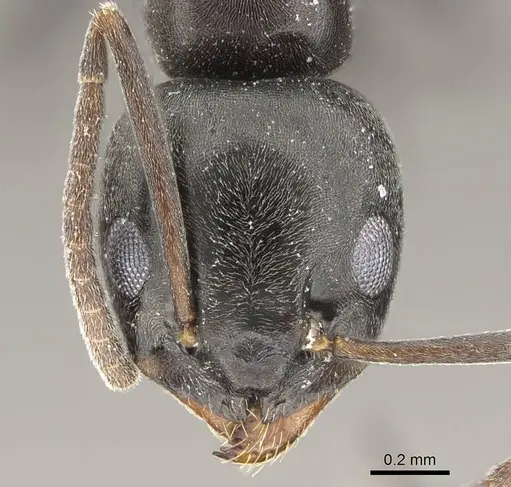
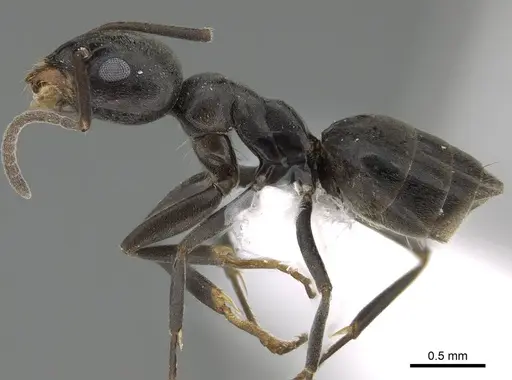
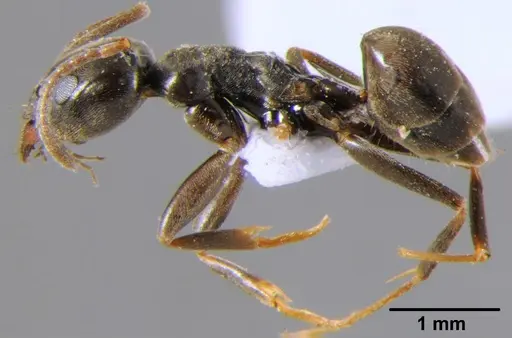
Tapinoma simrothi is a medium-sized, polymorphic ant native to the West Mediterranean region. Workers are 2.5-4mm and dark brown to black, with a deep notch in the clypeus (the plate covering the mouthparts) . This species is polygynous - colonies have multiple queens - and can form both single-nest (monodomous) and multi-nest (polydomous) colonies, but not the huge supercolonies seen in related species like Tapinoma nigerrimum . It's a warmth-loving ant that thrives in sunny, open habitats from coastal sand dunes to mountains up to 1070m . Originally from the Middle East, it has spread across the Mediterranean and into the Arabian Peninsula, where it actively tends aphids and mealybugs for honeydew .
Quick Summary
- Difficulty: Expert
- Origin & Habitat: West Mediterranean region, native range spans from Morocco east to Tunisia and north to 41°N in Spain and Sardinia. Has spread to Afghanistan, Arabian Peninsula (Saudi Arabia, UAE, Oman, Yemen, Kuwait, Qatar), Iran, Turkey, Greece, France, Italy, and Malta [2][6]. Prefers very sunny open habitats: sand dunes, coastal cliffs, garrigue, meadows, pastures, gardens, and urban areas with pavement and some greenery [3].
- Colony Type: Polygynous, multiple queens cooperate in a single colony. May form both single-nest and multi-nest colonies but not the large supercolonies seen in the Tapinoma nigerrimum complex [3][7].
- Size & Growth:
- Queen: Size data unavailable.
- Worker: 2.5-4mm (polymorphic) [1][2].
- Colony: Several thousand workers [7].
- Growth: Moderate
- Development: 6-8 weeks (estimated, based on typical Dolichoderinae development) (Exact timing for this species is not documented, warmer temperatures (24-28°C) accelerate development.)
- Antkeeping:
- Temperature: 22-28°C, this warmth-loving species needs a warm setup. Provide a temperature gradient so workers can choose their preferred spot [2].
- Humidity: Moderate humidity. They nest in soil and tolerate dry conditions well. Keep the nest substrate lightly moist but not waterlogged. Naturally found in coastal salt pans and inland dry areas, showing wide adaptability [3].
- Diapause: No, Mediterranean species from warm climates do not need hibernation. Cooler winter temperatures will slow activity, which is normal [2].
- Nesting: Natural soil-nesters. In captivity, use a formicarium with soil or sandy substrate, with a connected foraging area. They will also nest under stones or in walls in the wild [3].
- Behavior: Generally peaceful and not aggressive. They lack a functional sting, instead they bite and release sticky, foul-smelling secretions from their anal gland as a defense (smear defense). Workers forage actively during the day, scavenging and tending aphids for honeydew [8][4]. They use pygidial gland secretions for trail-following and alarm, high concentrations trigger alarm, lower concentrations lure workers along trails [9][10]. Escape risk is moderate, they are small (under 4mm) so ensure good barriers.
- Common Issues: invasive species, do NOT release into the wild. This ant is already established in many non-native areas and can cause ecological harm if released [13]., colonies may decline if kept too cold, maintain warmth at 22-28°C., aphid-tending behavior means they may ignore sugar water if they have access to honeydew-producing insects., small initial colony requires careful feeding, offer both sugar and protein regularly., polygynous structure means multiple queens coexist, never separate them., may be outcompeted by more aggressive species in mixed setups.
Housing and Nest Setup
Tapinoma simrothi does well in a standard formicarium with soil or sandy substrate, they're natural soil-nesters [3]. You can also use Y-tong (AAC) or 3D-printed nests as long as there's a digging area. Connect the nest to a foraging arena where you offer food. Since they are polygynous, provide enough space for multiple queens and the eventual large worker population. A shallow water source in the outworld helps maintain humidity without flooding the nest. They are small ants (under 4mm), so use effective barriers like fluon on the outworld walls to prevent escapes.
Feeding and Diet
In the wild, Tapinoma simrothi feeds mainly on honeydew from aphids and mealybugs, which they actively tend and protect from predators [8][4]. They also scavenge and hunt small insect larvae [11]. In captivity, offer a constant supply of sugar water or honey water for carbohydrates. For protein, provide small insects like fruit flies, small crickets, or pieces of mealworm. They may ignore artificial sugar sources if they have access to live honeydew producers. Offer food during the day since they are daytime foragers [5].
Temperature and Seasonal Care
This is a thermophilous (warmth-loving) species that thrives at 22-28°C [2]. Room temperature is often fine for established colonies. Provide a temperature gradient by heating one side of the nest, this lets workers choose their preferred warmth. They do not need hibernation (diapause), as their Mediterranean home has mild winters. Cooler winter temperatures will naturally slow their activity, that's normal. Avoid keeping them below 15°C for long periods.
Colony Structure and Behavior
Tapinoma simrothi is polygynous, multiple queens live together peacefully in one colony. Never try to separate or remove queens. Colonies can be monodomous (single nest) or polydomous (multiple connected nests) in the wild [3]. Workers are active during the day, foraging and tending aphids. They communicate using chemicals from their pygidial gland: at high concentrations these cause alarm and defense behavior, at lower concentrations workers follow them as trail pheromones to food sources [9][10]. They lack a functional sting and instead bite and smear foul-smelling secretions from their anal gland (iridodials and iridomyrmecin) [9][12].
Growth and Development
Colonies grow at a moderate rate once established. Workers are polymorphic, you will see both larger (major) and smaller (minor) workers. Queens are larger than workers but exact body size is not documented in the literature. Development from egg to worker takes an estimated 6-8 weeks at optimal temperatures (typical for Dolichoderinae). Since colonies are polygynous, multiple queens laying eggs can accelerate growth. Mature colonies can reach several thousand workers [7]. Nuptial flights in the wild occur between mid-April and late May [3].
Frequently Asked Questions
Can I keep Tapinoma simrothi in a test tube?
Yes, you can start colonies in a test tube for the first few months, but because they are polygynous and grow into large colonies, you'll need to upgrade to a proper formicarium with soil chambers as the colony expands [3].
How long until first workers appear?
Expect the first workers (nanitics) to appear in about 6-8 weeks when kept at 24-28°C. This is typical for Dolichoderinae ants. Cooler temperatures will slow development.
Are Tapinoma simrothi good for beginners?
Generally yes, they are easy to keep: docile, no diapause needed, and adapt well to captivity. However, note that this species is considered invasive in some regions and should never be released. Expert care is recommended if you are in an area where it could become established [13]. Main requirements: warmth (22-28°C), regular sugar and protein.
Can I keep multiple queens together?
Yes, this is natural, Tapinoma simrothi is polygynous (multiple queens per colony). Do not separate queens, they coexist peacefully and keeping them together helps the colony thrive [7][2].
What do Tapinoma simrothi eat?
They need constant access to sugar water or honey water for carbohydrates, and insects like fruit flies, small crickets, or mealworms for protein 2-3 times per week. In the wild they are major aphid-tenders, so they might ignore sugar if they have honeydew sources [8][4].
Do they need hibernation?
No, they do not require hibernation. As a Mediterranean species, they are adapted to mild winters. You can keep them at room temperature year-round [2].
How big do colonies get?
Mature colonies can reach several thousand workers. Because they are polygynous (multiple queens), growth is steady, expect 6-12 months to reach 100+ workers under good conditions [7].
Why are my Tapinoma simrothi dying?
Most common causes: too cold (keep at 22-28°C), too wet (allow substrate to dry slightly between waterings), or insufficient protein and sugar. They are also sensitive to disturbance during early colony growth [3].
Report an Issue
The current care sheet is based fully on literature. See inconsistencies, or something that's incorrect? Please , it will be resolved after review from an admin. Contributing to the blogs tab also helps providing information, to make us be able to further improve the caresheets. Thank you for your support!
References

This caresheet is licensed under CC BY-SA 4.0 .
Community Blogs
ANTWEB1008592
View on AntWeb
ANTWEB1041888
View on AntWeb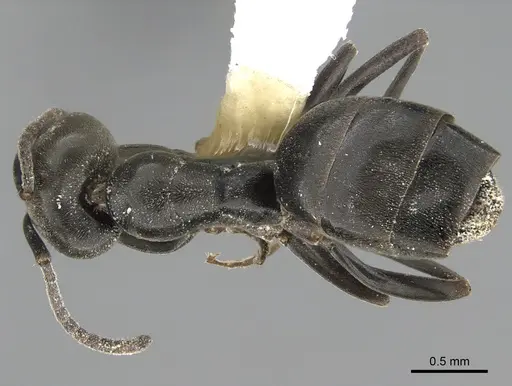
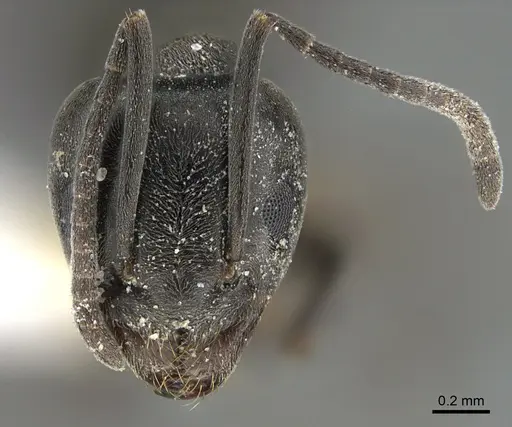
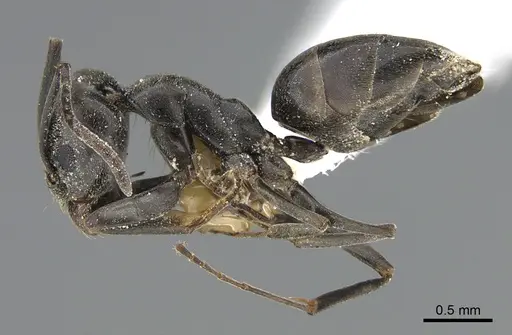
CASENT0178242
View on AntWeb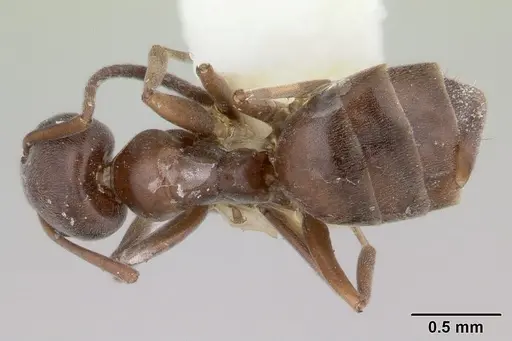
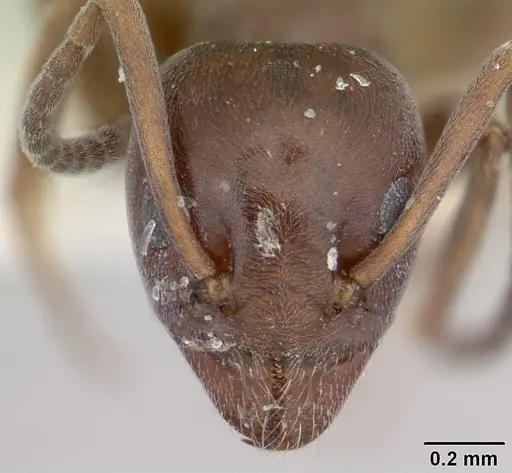
CASENT0249771
View on AntWeb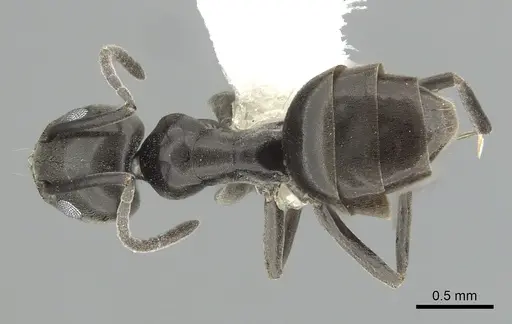
CASENT0263646
View on AntWeb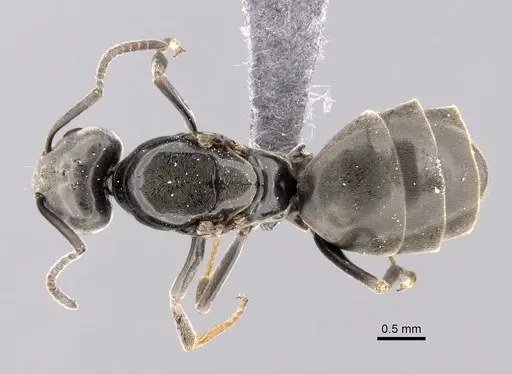
CASENT0263927
View on AntWeb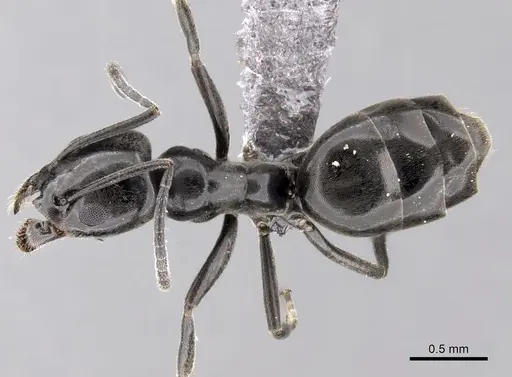
CASENT0906355
View on AntWeb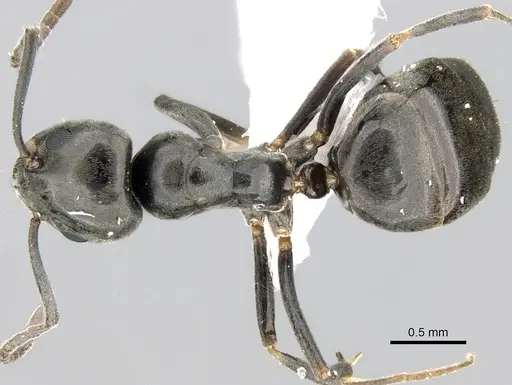
CASENT0910228
View on AntWeb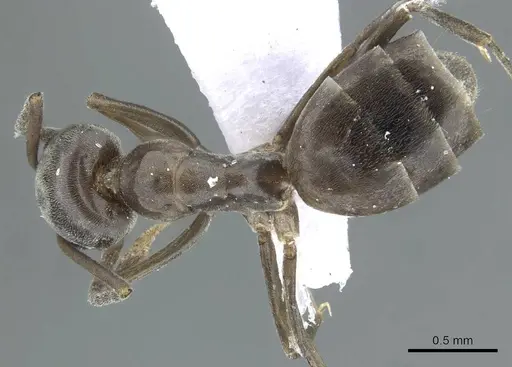
CASENT0913749
View on AntWeb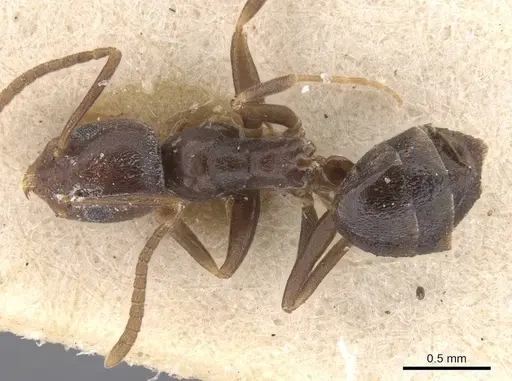
CASENT0919801
View on AntWeb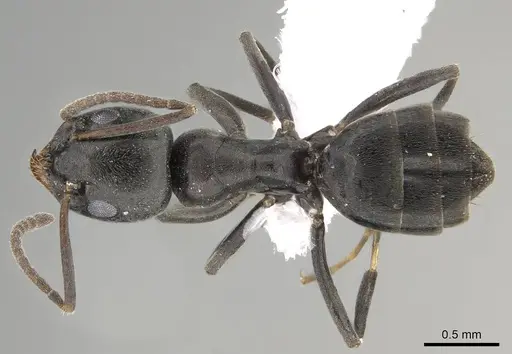
CFH000035
View on AntWeb
Literature
Loading distribution map...Loading products...