
Tapinoma madeirense
- Sci. Name
- Tapinoma madeirense
- Tribe
- Tapinomini
- Subfamily
- Dolichoderinae
- Author
- Forel, 1895
- Distribution
- Found in 8 countries
Introduction
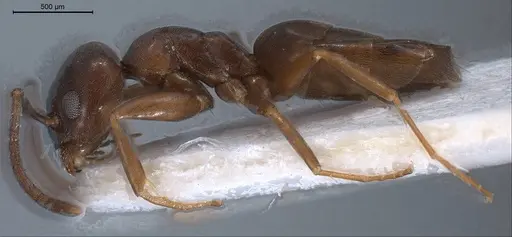
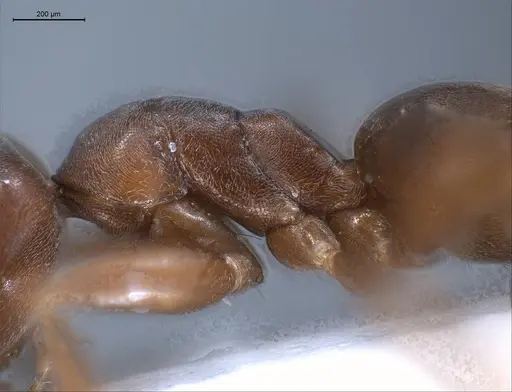
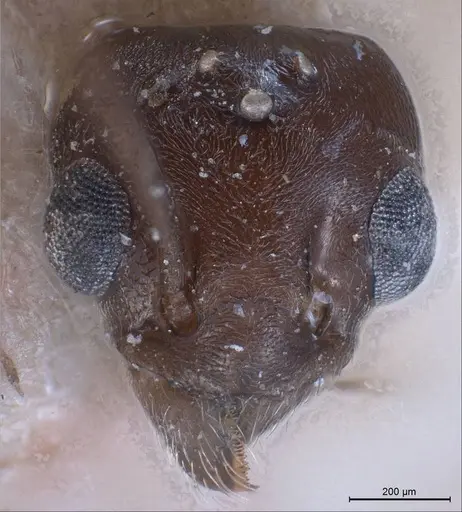
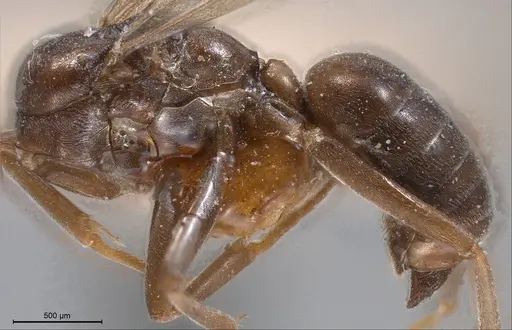
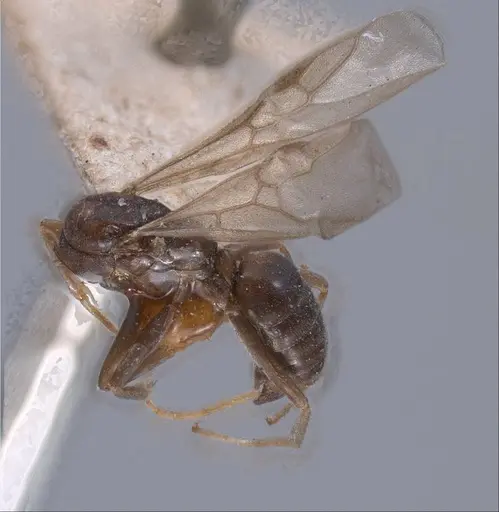
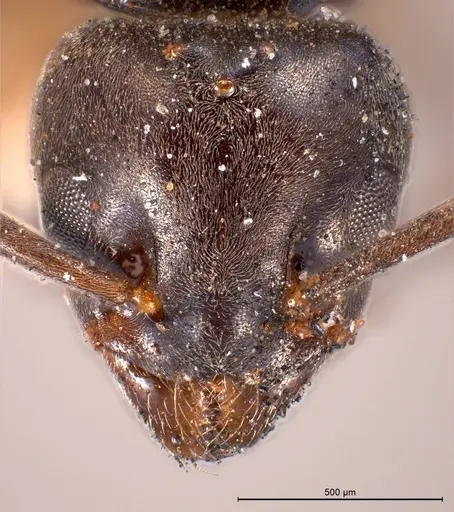
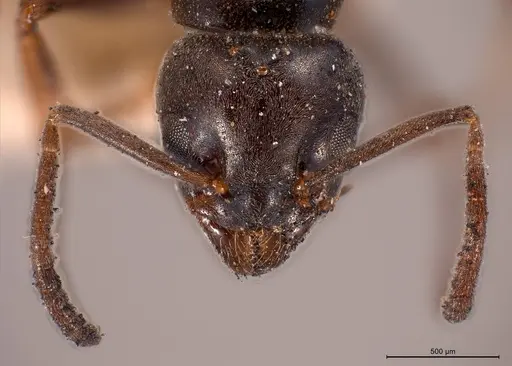
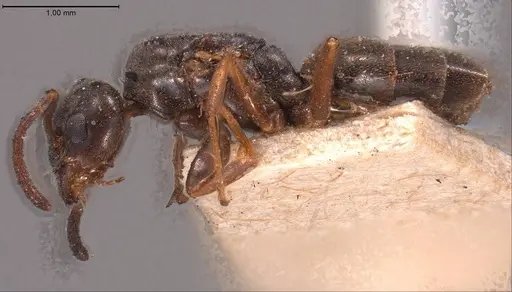
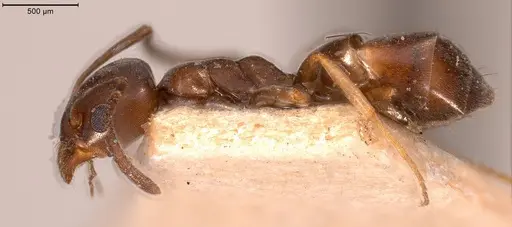
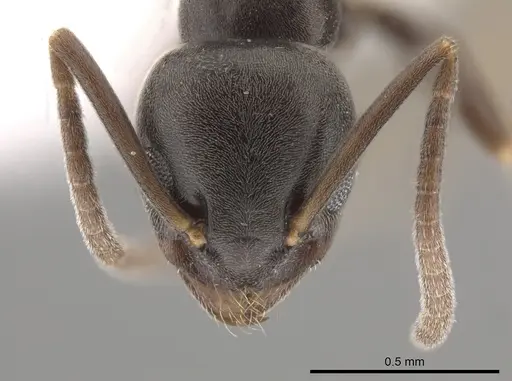
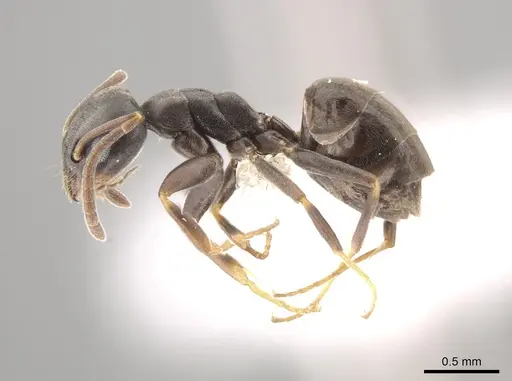
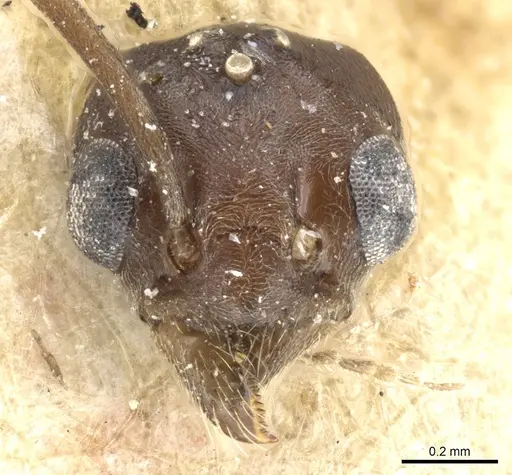
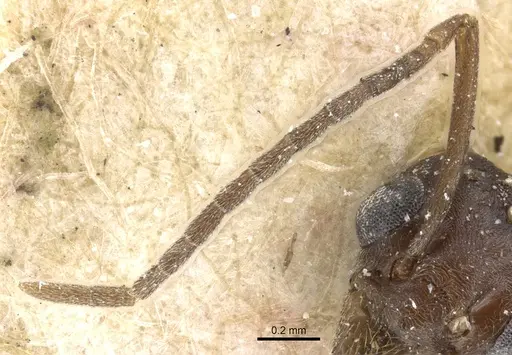
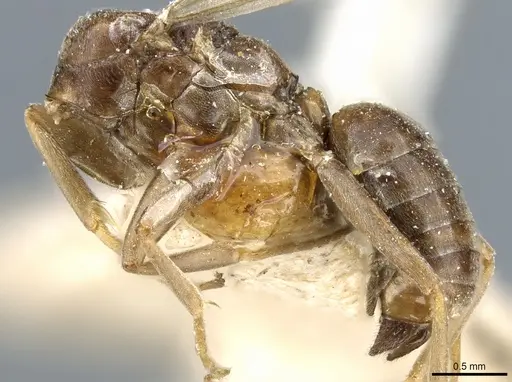
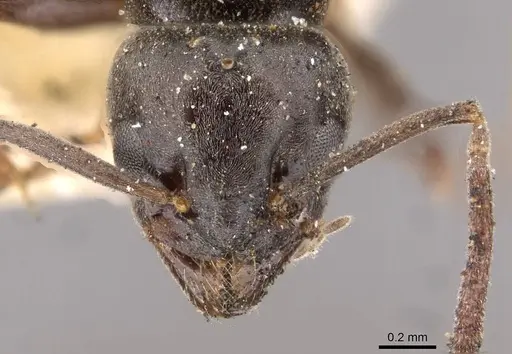
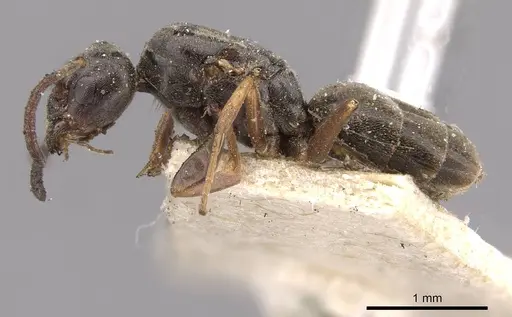
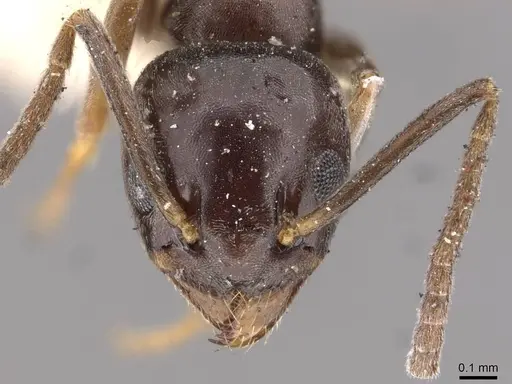
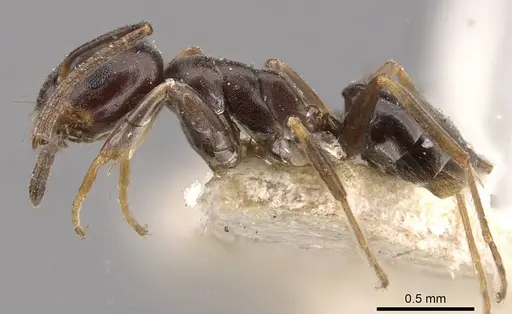
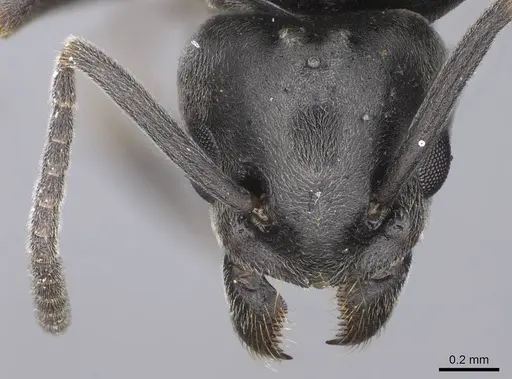
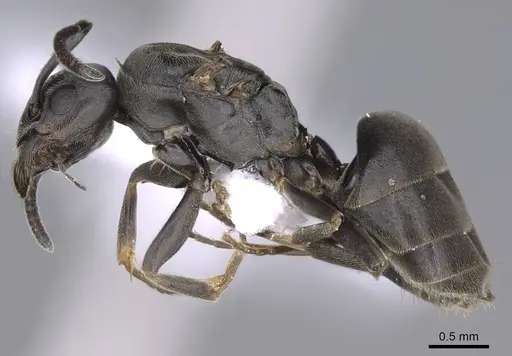
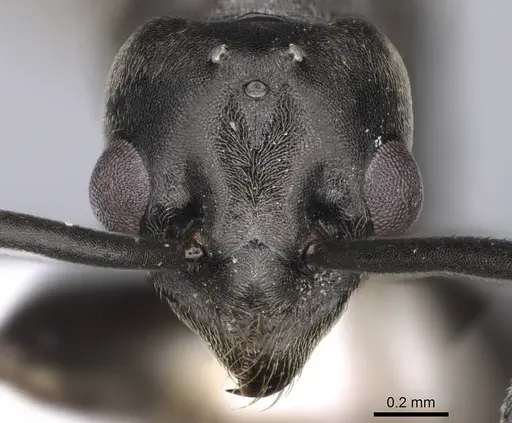
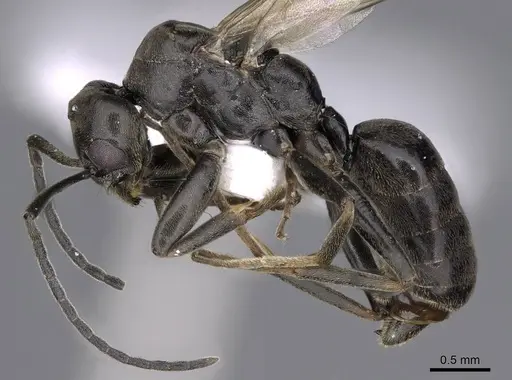
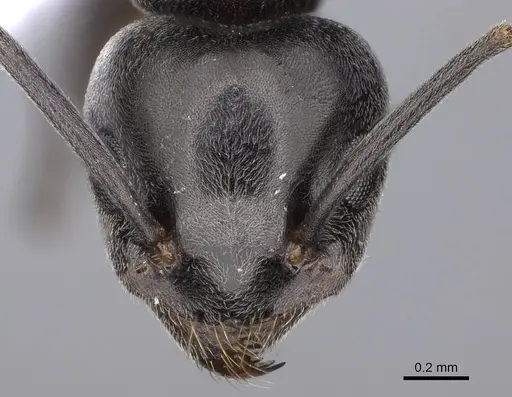
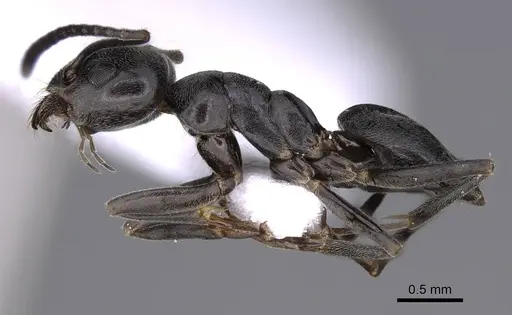
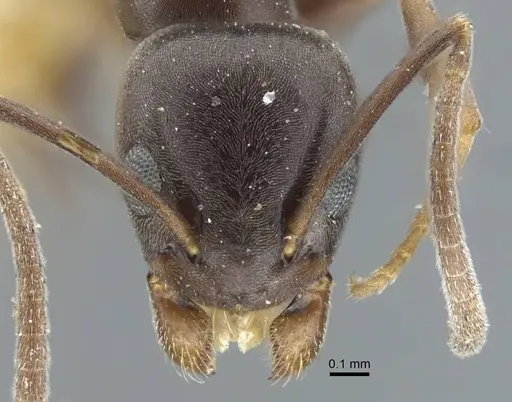
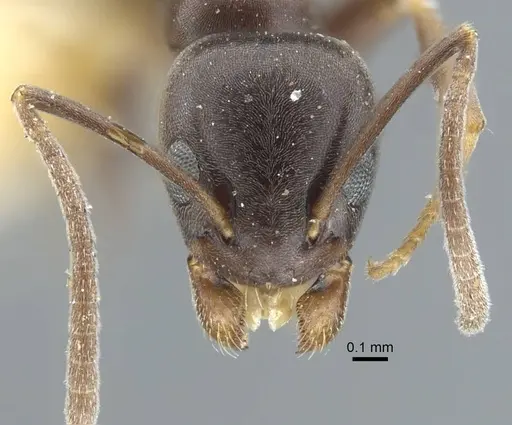
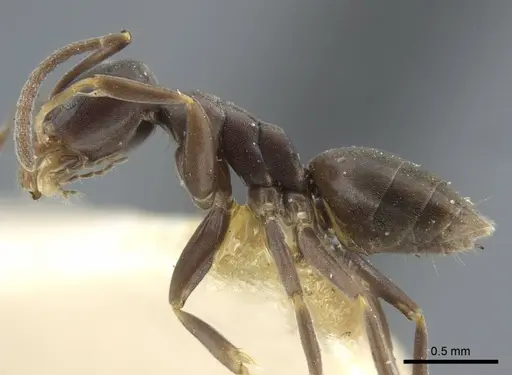
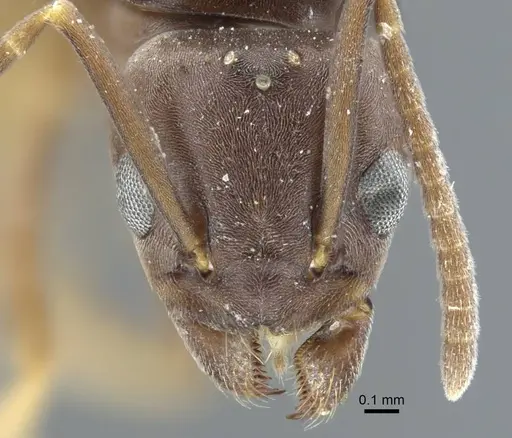
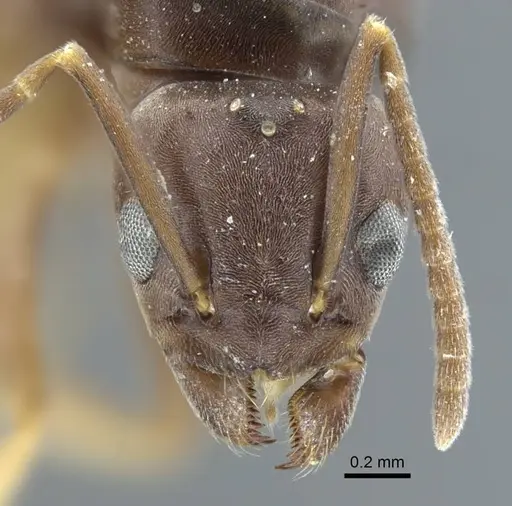
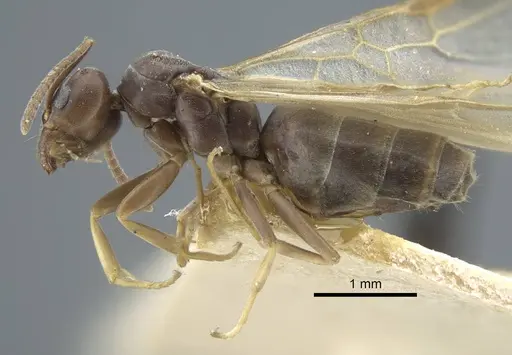
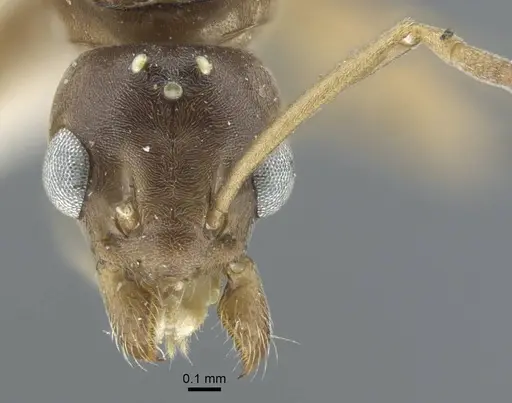
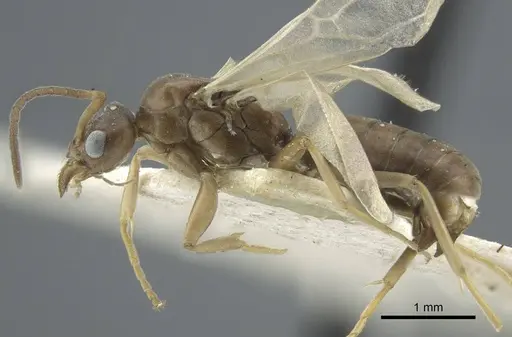
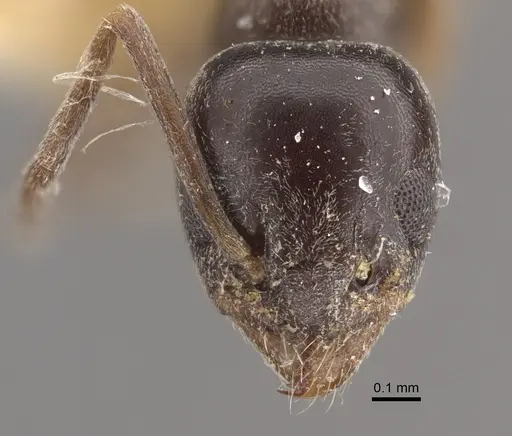
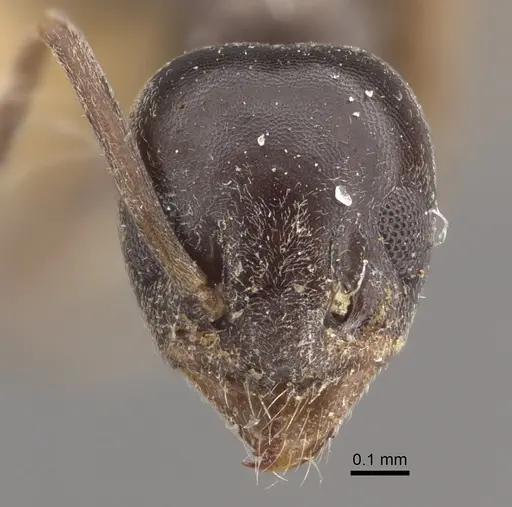
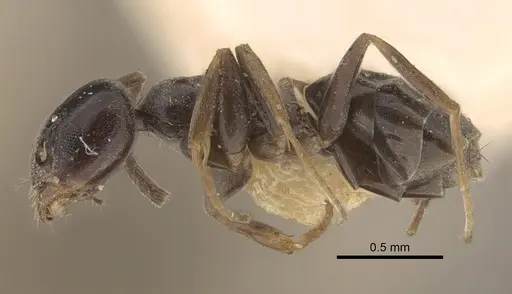
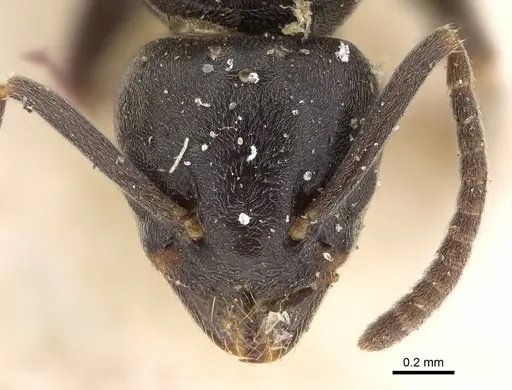
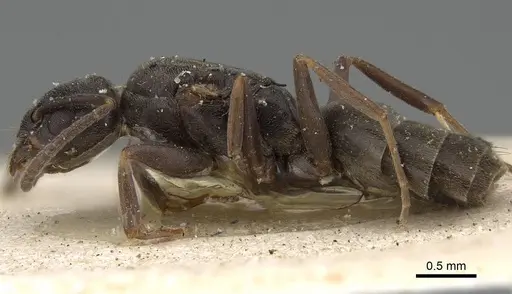
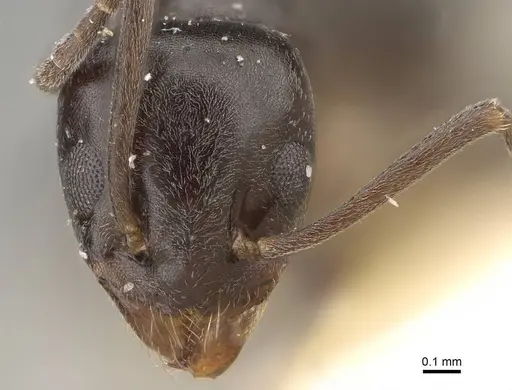
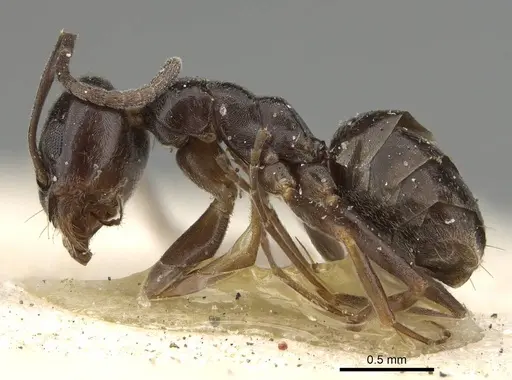
Tapinoma madeirense is a small, dark ant native to the west Mediterranean region. Workers measure 2-3mm and queens 4.2-4.8mm . They are known for constantly wiggling their abdomen while walking - the Dutch call them 'heidedraaigatje' (heath wiggle-butt). The species was previously called Tapinoma ambiguum until 2007 . It is a thermophilic ant that prefers warm, dry to moderately moist open habitats such as heathlands, grasslands, clear pine forests, and suburban gardens . Colonies are polygynous with 1-5 queens and typically reach up to 1,000 workers . Workers forage individually for dead invertebrates but recruit nestmates quickly when they find sugar sources like honeydew or fruit . Their anal gland secretion is highly toxic, giving them an edge in conflicts with other ants .
Quick Summary
- Difficulty: Easy
- Origin & Habitat: West Mediterranean species native to Madeira, Iberian Peninsula, and southern France. Also found across central and southern Europe including Portugal, Spain, France, Italy, Germany, Austria, and the UK [2]. Inhabits moderately sun‑exposed, dry to moist habitats: clear pine forests, grasslands, suburban gardens, heathlands, and sandy soils. Nests are built in the ground, under stones, or under small wood pieces [2][4].
- Colony Type: Polygynous colonies with 1-5 queens. All colonies in southern France contained at most a thousand workers [2].
- Size & Growth:
- Queen: 4.2-4.8mm [1]
- Worker: 2-3mm [1]
- Colony: Up to 1,000 workers [2]
- Growth: Moderate
- Development: 6-8 weeks (estimated based on typical Tapinoma genus patterns, specific data for this species are unavailable) (Development time is inferred from genus‑level data. Temperature affects speed, warmer conditions within 20-26°C may shorten development.)
- Antkeeping:
- Temperature: Keep at 20-26°C. This thermophilic species thrives in warm conditions. Room temperature within this range is suitable [3][1].
- Humidity: Provide a gradient: moderately moist nest chamber with drier areas available. These ants naturally inhabit dry to moist open habitats and avoid waterlogging [2].
- Diapause: Yes, requires winter diapause of 3-4 months at 5-10°C (November-February). This temperate species needs cold rest to maintain healthy reproductive cycles [3][5].
- Nesting: Test tube setups work for founding colonies. For established colonies, use a naturalistic setup with soil and flat stones (mimicking nesting under stones) or a Y‑tong (AAC) nest with narrow chambers. Avoid acrylic nests [2].
- Behavior: Non‑aggressive when disturbed, workers retreat rather than attack. They forage individually for dead invertebrates but recruit quickly to sugar sources. Colonies frequently relocate within a season to avoid overheating or to follow food. Their small size (2-3mm) means fine mesh is needed to prevent escapes [2][1].
- Common Issues: colonies stay small (max ~1,000 workers), slower growth may disappoint beginners, wild‑caught colonies can be confused with similar Tapinoma species like T. erraticum or T. subboreale, sensitive to habitat disturbance, wild populations are declining in some areas, negatively affected by invasive ants like Lasius neglectus in some regions [5], tiny workers escape through tiny gaps, use fine mesh barriers
Housing and Nest Setup
For founding a colony, a standard test tube setup works well: fill one tube with water, plug with cotton, and connect to a foraging area. For established colonies, provide a naturalistic setup with moist soil and flat stones on top, this mimics their natural nesting under stones. A Y‑tong (AAC) nest with narrow chambers suits their small size. They prefer dry to moderately moist conditions, so avoid waterlogging. A shallow water reservoir in the nest helps maintain humidity without oversaturation [2].
Feeding and Diet
In the wild, workers forage individually for dead small invertebrates. They are efficient mass recruiters when they find sugar sources like aphid honeydew or fruit peelings [2]. In captivity, offer small insects (fruit flies, pinhead crickets) for protein 2-3 times per week, and provide constant access to sugar water or honey water. They are not picky, but a balanced mix of protein and sugar keeps them healthy. Adjust portions based on colony size and consumption [2].
Temperature and Seasonal Care
Keep the nest area at 20-26°C. This thermophilic species does well at normal room temperatures. In winter, they require a diapause (hibernation) period of 3-4 months at 5-10°C to maintain healthy colony cycles. Place the colony in a cool basement or refrigerator during winter. Skipping hibernation may reduce queen egg‑laying and weaken the colony over time [3][5].
Behavior and Colony Dynamics
This species is notably non‑aggressive, when disturbed, workers retreat rather than attack. They have highly toxic anal gland secretions that give them an advantage in conflicts with other ants, but they rarely use this defensively against keepers [2]. Colonies are polygynous with 1-5 cooperating queens. A striking behavior is their frequent nest relocation within a season, likely to avoid overheating or to stay close to food. Workers forage individually but recruit nestmates through chemical trails when they find rich sugar sources. Their small colony size (max ~1,000 workers) makes them a peaceful, manageable choice for antkeepers [2][1].
Identification and Similar Species
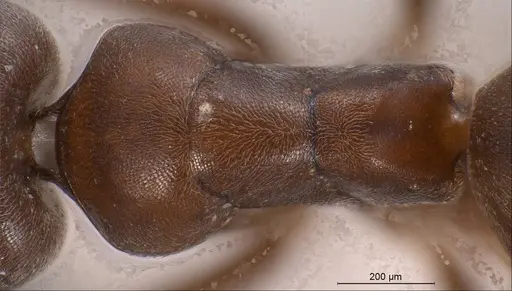
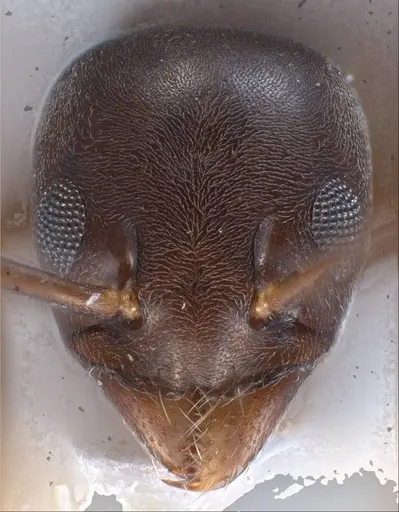
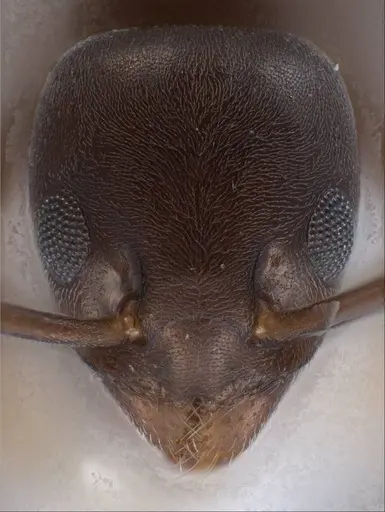
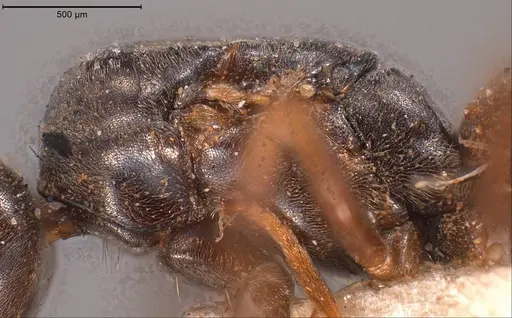
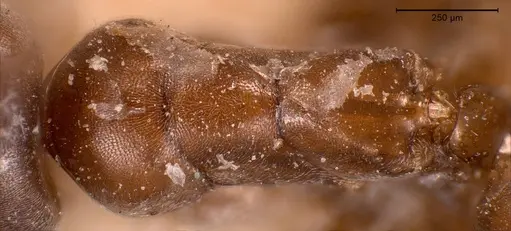
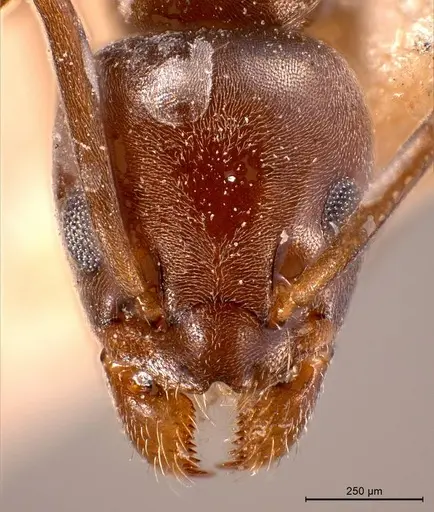
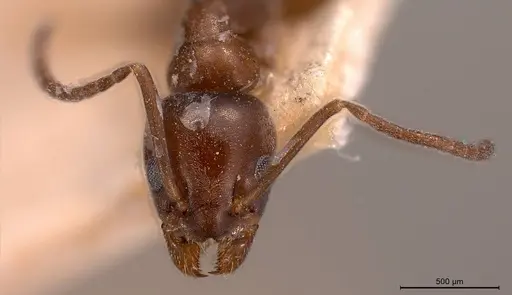
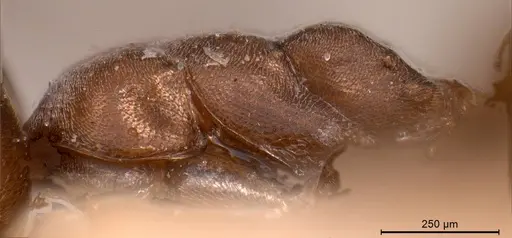
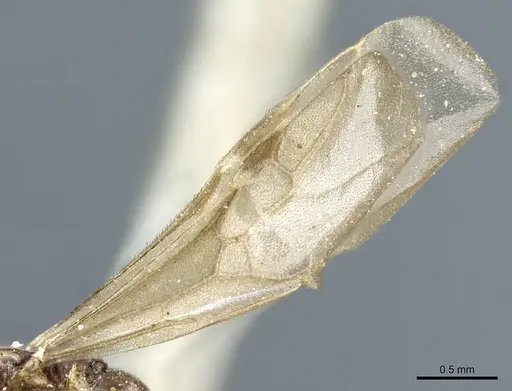
Tapinoma madeirense is a small dark ant (2-3mm workers) that constantly wags its abdomen while walking, a distinctive behavioral clue. It was known as Tapinoma madeirense until 2007 [2]. It closely resembles Tapinoma erraticum and Tapinoma subboreale, female castes cannot be safely separated by morphology alone [6]. In the wild, T. madeirense prefers sandy soils, while T. erraticum favors chalk and other soils. If you catch wild colonies, identification can be tricky, male genital characters are needed for certainty [1][6].
Frequently Asked Questions
How long does it take for Tapinoma madeirense to produce first workers?
Based on typical Tapinoma patterns, expect about 6-8 weeks from egg to first worker at room temperature (around 22-25°C). Development is temperature‑dependent, warmer conditions speed it up slightly. Specific data for this species is not available.
Can I keep multiple queens together in one colony?
Yes, this species is naturally polygynous, with 1-5 queens cooperating in a single nest. You may try to keep multiple foundresses together, but success is not guaranteed. The queens are generally tolerant of each other [2].
What temperature do Tapinoma madeirense ants need?
Keep them at 20-26°C. This thermophilic species comes from Mediterranean climates and does well at normal room temperatures. Additional heating is not needed unless your room falls below 20°C. In winter, they need a hibernation period at 5-10°C [3][1].
Do Tapinoma madeirense need hibernation?
Yes, this temperate species requires a winter rest period (diapause) of 3-4 months at 5-10°C. This is essential for maintaining proper queen reproductive cycles. Skipping hibernation can lead to reduced egg production and colony decline. Place the colony in a cool basement or refrigerator during winter [3][5].
Are Tapinoma madeirense good for beginners?
Yes, they are an easy species: non‑aggressive, modest in space needs, and tolerant of normal room temperatures. However, their small colony size (max ~1,000 workers) may feel slow‑growing compared to more dramatic species. Their constant abdomen‑wagging is entertaining, and they are a good introduction to polygynous ants [1].
How big do Tapinoma madeirense colonies get?
Colonies typically reach up to 1,000 workers in the wild. Growth rate is moderate, expect several months to reach 50+ workers, and a year or more to reach colony maturity. The polygynous structure helps sustain the population [2].
What do Tapinoma madeirense eat?
They are opportunistic. In the wild, they eat dead invertebrates and honeydew from aphids [3]. In captivity, offer small insects (fruit flies, pinhead crickets) for protein 2-3 times per week, and provide constant access to sugar water or honey water. They recruit quickly to rich food sources [2].
Why are my Tapinoma madeirense dying?
Common causes: 1) Overly damp conditions, they prefer dry to moderately moist setups, 2) Temperature stress, keep between 20-26°C, 3) Disrupted founding period, queens need peace, 4) Poor nutrition, provide varied protein and sugar, 5) Wild‑caught colonies may carry parasites. Ensure conditions match their Mediterranean preferences and avoid handling the colony unnecessarily, especially during founding [1][3].
Report an Issue
The current care sheet is based fully on literature. See inconsistencies, or something that's incorrect? Please , it will be resolved after review from an admin. Contributing to the blogs tab also helps providing information, to make us be able to further improve the caresheets. Thank you for your support!
References

This caresheet is licensed under CC BY-SA 4.0 .
Community Blogs
ANTWEB1008464
View on AntWeb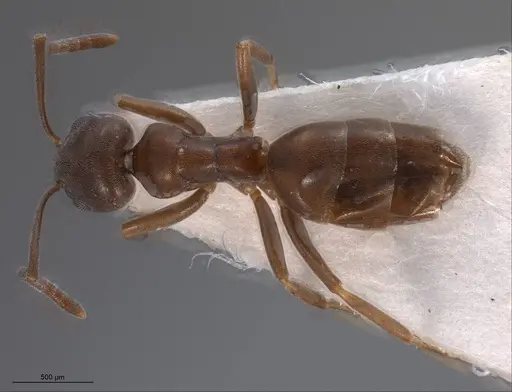
ANTWEB1008467
View on AntWeb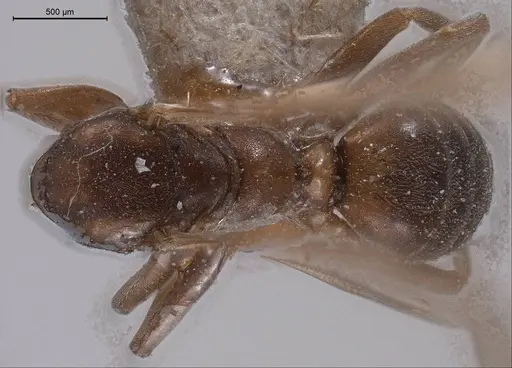
ANTWEB1008475
View on AntWeb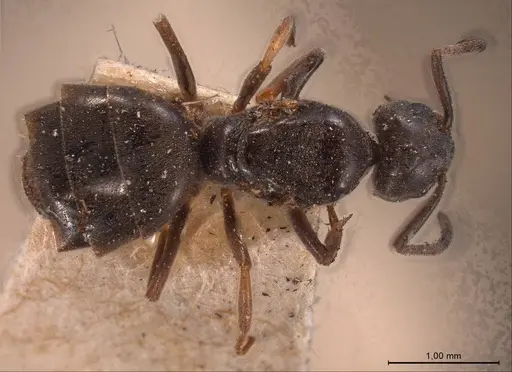
ANTWEB1008476
View on AntWeb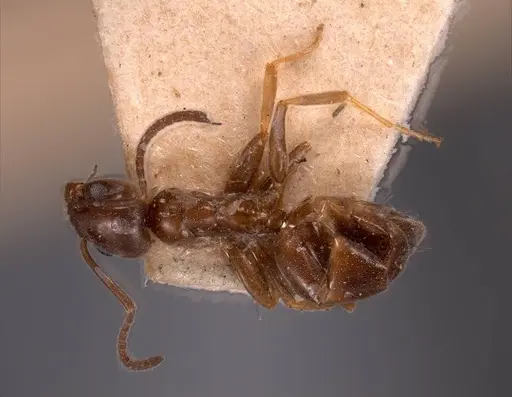
CASENT0653558
View on AntWeb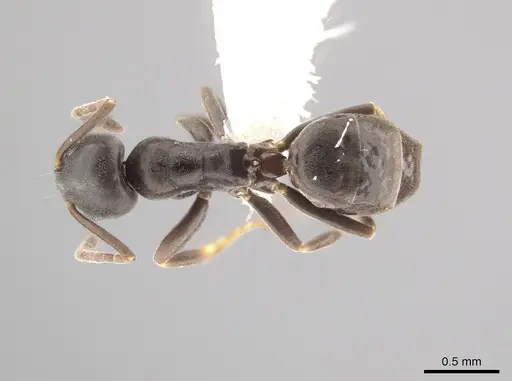
CASENT0904024
View on AntWeb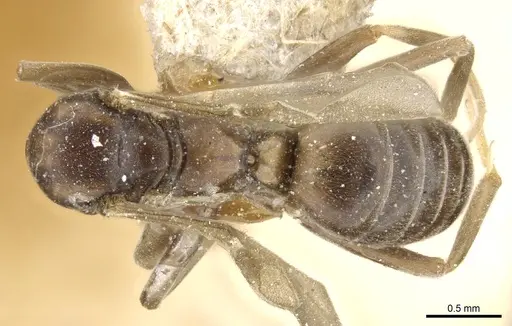
CASENT0909760
View on AntWeb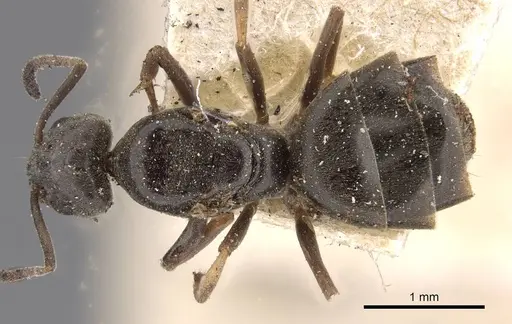
CASENT0909761
View on AntWeb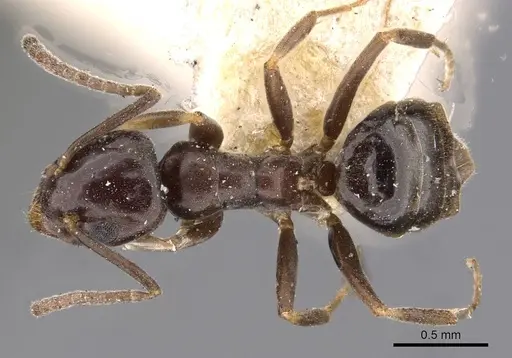
CASENT0914258
View on AntWeb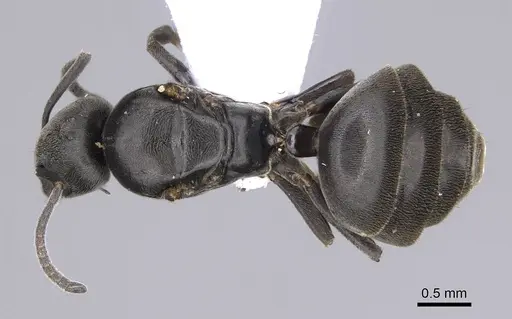
CASENT0914259
View on AntWeb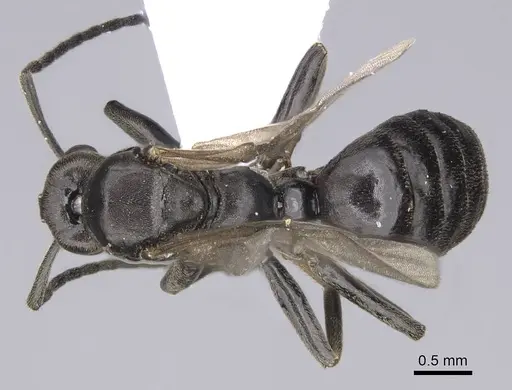
CASENT0914260
View on AntWeb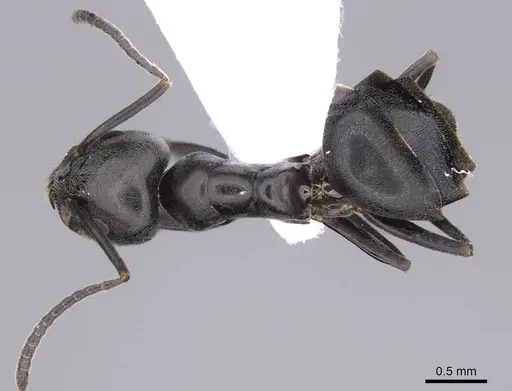
CASENT0917132
View on AntWeb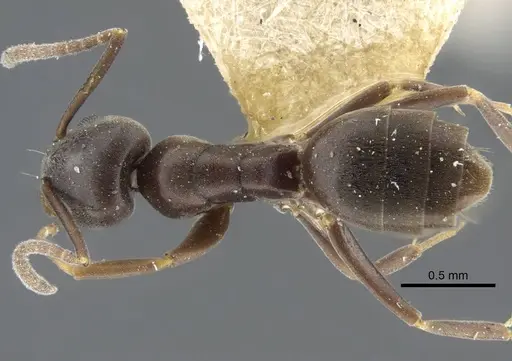
CASENT0917133
View on AntWeb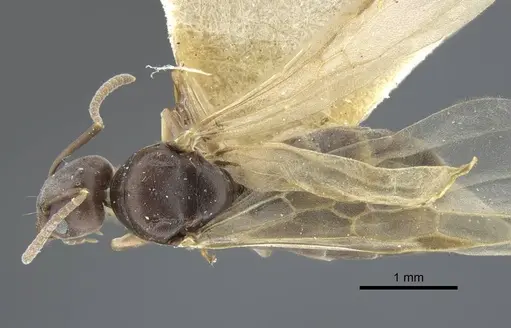
CASENT0917134
View on AntWeb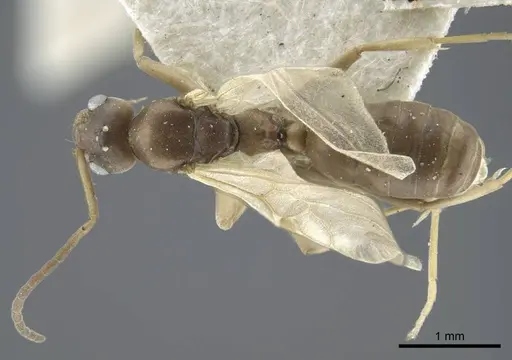
CASENT0917848
View on AntWeb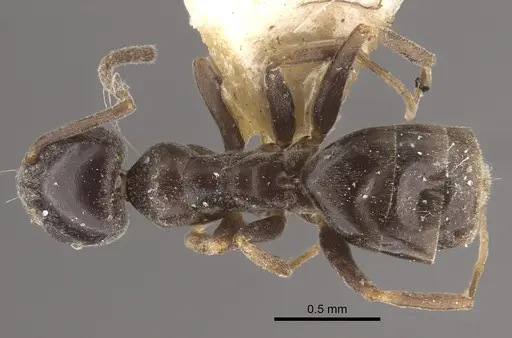
CASENT0922452
View on AntWeb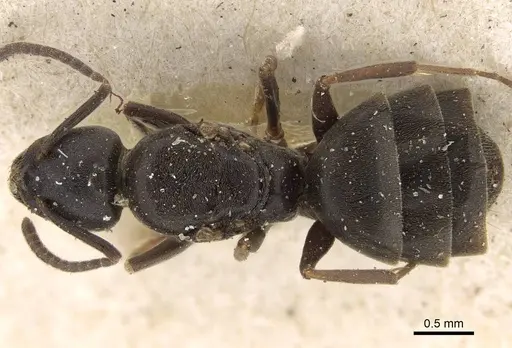
CASENT0922453
View on AntWeb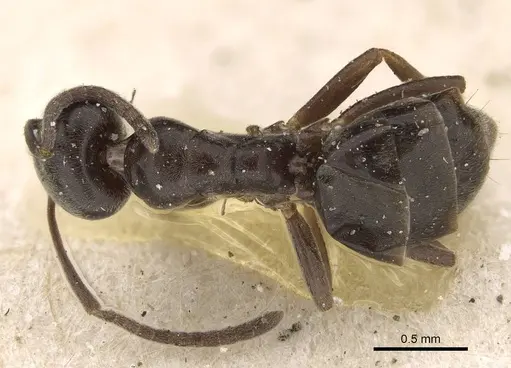
Literature
Loading distribution map...Loading products...