
Tapinoma luteum
- Sci. Name
- Tapinoma luteum
- Tribe
- Tapinomini
- Subfamily
- Dolichoderinae
- Author
- Emery, 1895
- Distribution
- Found in 7 countries
Introduction
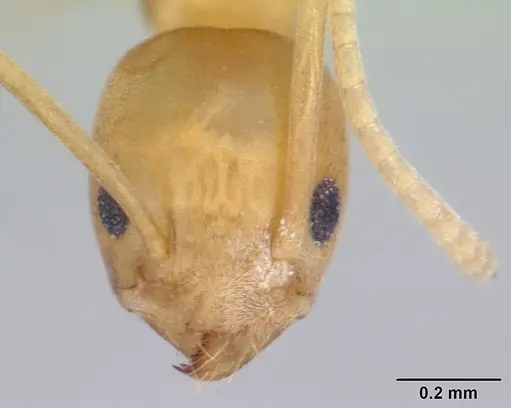
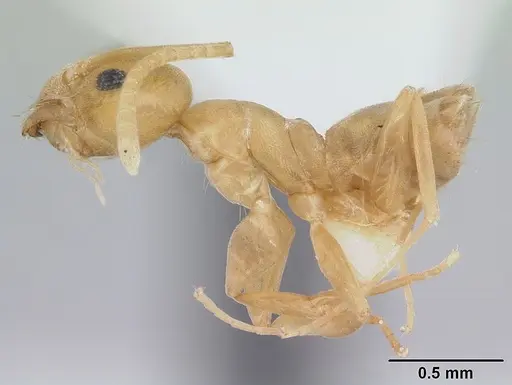
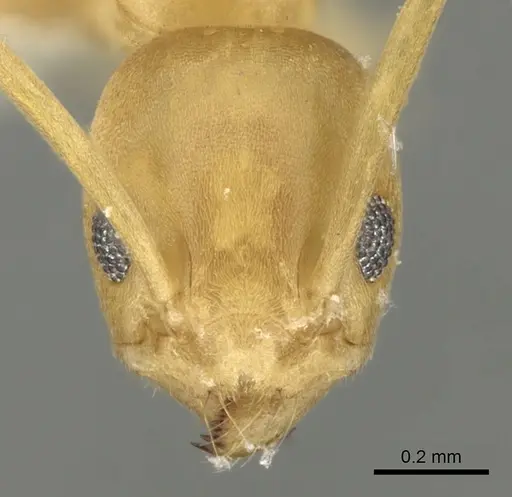
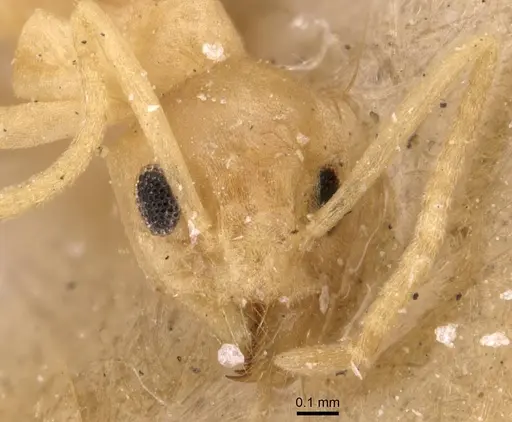
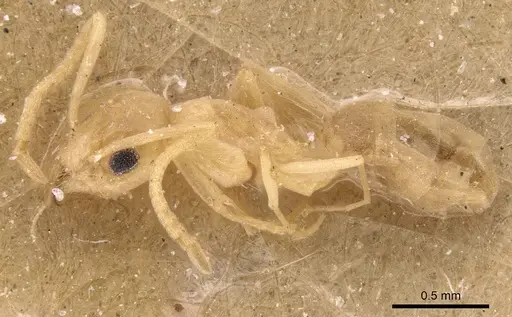
Tapinoma luteum is a small ant species native to the Afrotropical region, with records from South Africa, Kenya, Namibia, Zimbabwe, and Gambia . Workers are tiny - size data unavailable, but inferred from the Tapinoma genus at roughly 2-3 mm. They have the typical Dolichoderinae body: smooth and shiny, with a compact mesosoma, a distinct metanotal groove, and a rounded abdomen. This species nests in a variety of habitats including Acacia woodland, gallery forests, and savannah areas, often found in leaf litter, dead tree limbs, on Vachellia trunks, or under loose bark . Tapinoma luteum shows an ability to thrive in urban environments - a study in Côte d'Ivoire recorded 108 occurrences within a city , suggesting it tolerates disturbed habitats better than many native ants. Like all Dolichoderinae, it lacks a functional stinger and defends itself by exuding sticky, foul-smelling cyclopentanoid monoterpenes from an anal gland - a defense that is harmless to humans but effective against other insects.
Quick Summary
- Difficulty: Easy
- Origin & Habitat: Afrotropical region, South Africa, Kenya, Namibia, Zimbabwe, Gambia. Found in Acacia woodland, gallery forest, and savannah. Nests in leaf litter, dead tree limbs, on Vachellia trunks, and under loose bark [1][2][3].
- Colony Type: Colony structure is unconfirmed. Based on typical Tapinoma patterns, likely single-queen (monogyne) colonies, though some Dolichoderinae can have multiple queens. More research is needed.
- Size & Growth:
- Queen: Size unknown, inferred from Tapinoma genus, roughly 4-5 mm.
- Worker: Size unknown, inferred from Tapinoma genus, roughly 2-3 mm.
- Colony: Unknown, inferred from Tapinoma genus, typically up to several hundred workers.
- Growth: Moderate, estimated based on tropical origin.
- Development: Estimated 6-8 weeks at optimal temperature, based on related Dolichoderinae species. (No direct species-specific data. Tropical origin suggests faster development than temperate species.)
- Antkeeping:
- Temperature: Keep warm, around 22-28°C. As a savannah-woodland species, they prefer warmth but tolerate some variation. Avoid temperatures below 18°C for prolonged periods. A gentle heat gradient can be beneficial but is not required if room stays above 22°C.
- Humidity: Provide a humidity gradient, one area of the nest with a moist substrate (damp but not waterlogged) and the rest moderately dry. Natural habitats vary from gallery forest to dry savannah, so moderate overall humidity is fine. Avoid constant oversaturation.
- Diapause: Not required. This is a tropical/subtropical species from Africa, so no true hibernation is needed. They may slow down slightly in cooler months, but simply maintain typical room temperature.
- Nesting: Accepts various nest types. Test tubes work well for founding. For established colonies, Y-tong (AAC) blocks or plaster nests are suitable. Provide tight, dark chambers scaled to their small size, avoid large open spaces. Fine mesh barriers are essential due to their size.
- Behavior: Generally calm and non-aggressive. Workers are quick and active, foraging readily. They lack a functional stinger, instead, they exude a sticky, foul-smelling chemical from the anal gland when threatened. This is harmless to people but can deter other ants. Escape prevention is critical: their tiny size allows them to squeeze through very small gaps, so use fine mesh (0.5 mm or smaller) on ventilation and seal all connections.
- Common Issues: tiny size means escapes are likely without extremely fine mesh barriers and tight seals, limited species-specific care information means keepers must experiment and observe, tropical origin makes them sensitive to cold, keep above 20°C to avoid stress, no specific data on founding behavior or optimal temperatures, rely on genus-level patterns, limited availability in the antkeeping hobby
Housing and Nest Setup
Tapinoma luteum is a small ant that does well in basic setups. Test tubes work excellently for founding colonies, fill one section with water sealed by a cotton plug, and the queen will typically seal herself into the dry end. For established colonies, Y-tong (AAC) blocks or plaster nests work well. The key is providing appropriately scaled chambers, these tiny ants need tight, snug spaces rather than large open areas. Connect a small outworld for foraging. Ensure all connections are secure: their tiny size allows them to squeeze through gaps that larger ants cannot. A layer of substrate in the outworld isn't strictly necessary but can help stabilize humidity. [3]
Feeding and Diet
Like most Dolichoderinae, Tapinoma luteum is omnivorous with a preference for sweet liquids and small protein sources. Offer sugar water or honey diluted with water (1:1 ratio) as a constant food source. For protein, provide small insects such as fruit flies, pinhead crickets, or mealworm pieces, appropriate for their tiny size. They will also accept honeydew substitutes. Feed protein 2-3 times per week and keep sugar water available at all times. Remove uneaten prey after 24-48 hours to prevent mold. [3]
Temperature and Seasonal Care
Being an African species, Tapinoma luteum prefers warmer temperatures in the 22-28°C range. They can tolerate typical room temperature (20-24°C) without major issues, but growth and activity may slow below 22°C. Unlike temperate species, they do not require hibernation or diapause. During winter, simply maintain typical room temperature, they may become slightly less active but should not be intentionally cooled. If your room tends to be cool (below 20°C), a small heating cable on one side of the nest can provide a beneficial gradient. Avoid direct heat or temperatures above 30°C. [3]
Behavior and Handling
Tapinoma luteum workers are active and quick-moving, characteristic of many small Dolichoderinae. They are not aggressive and will flee rather than attack when disturbed. Like all ants in the subfamily Dolichoderinae, they lack a functional stinger, instead, they exude sticky, foul-smelling cyclopentanoid monoterpenes from an anal gland as a deterrent. This is harmless to humans but can be irritating to other insects. When the nest is exposed, workers may bolt and run rapidly. They are excellent foragers and will readily search out food in the outworld. Their small size makes them fascinating to watch but requires rigorous escape prevention, use fine mesh (0.5 mm or smaller) on ventilation and seal all gaps. [3]
Colony Development
The founding process for Tapinoma luteum is assumed to follow typical claustral patterns for this genus, but this is not confirmed. It is likely that the queen seals herself in a chamber and does not leave to forage, she survives on stored fat reserves while laying eggs and raising the first workers. Based on related Dolichoderinae species, the first workers may emerge 6-8 weeks after eggs are laid, depending on temperature. Once workers appear, the colony likely grows steadily, though exact growth rates and mature colony sizes are undocumented for this species. A mature colony may reach several hundred workers over time, based on genus-level patterns. [3]
Frequently Asked Questions
How long does it take for Tapinoma luteum to get their first workers?
Based on related Dolichoderinae species, expect 6-8 weeks from egg to first worker at optimal temperature (around 24-26°C). This timeline is estimated, no species-specific development data exists. Cooler temperatures will slow development.
Can I keep Tapinoma luteum in a test tube?
Yes, test tubes work excellently for this species, especially for founding colonies. Use a standard test tube setup with a water reservoir sealed with cotton. Their small size means even modest tube diameters work well. Ensure the connection to any outworld is secure.
What temperature do Tapinoma luteum need?
Keep them at 22-28°C. As an African species, they prefer warmth but tolerate typical room temperature. Avoid temperatures below 20°C or above 30°C. A heating cable on part of the nest can help maintain optimal temperature.
Do Tapinoma luteum need hibernation?
No. As a tropical African species, they do not require hibernation or diapause. They may reduce activity slightly in cooler months, but no special winter care is needed beyond maintaining room temperature.
How big do Tapinoma luteum colonies get?
Based on typical Tapinoma species, colonies likely reach several hundred workers. The exact maximum is not documented for this species. Growth is moderate, expect steady expansion over the first year or two.
What do Tapinoma luteum eat?
They are omnivorous. Offer sugar water or honey (diluted 1:1 with water) as a constant food source. For protein, provide small insects like fruit flies, small crickets, or mealworm pieces 2-3 times per week.
Are Tapinoma luteum good for beginners?
Yes, they are considered easy to keep. They are small, adaptable, and do not require special hibernation care. The main challenges are their tiny size (requiring thorough escape prevention) and limited availability in the hobby.
Why are my Tapinoma luteum escaping?
Their tiny size allows them to squeeze through remarkably small gaps. Use fine mesh (at least 0.5 mm) on ventilation, check all connection points between nest and outworld, and ensure lid seals are tight. Even gaps that would be safe for larger ants are escape routes for this species.
Report an Issue
The current care sheet is based fully on literature. See inconsistencies, or something that's incorrect? Please , it will be resolved after review from an admin. Contributing to the blogs tab also helps providing information, to make us be able to further improve the caresheets. Thank you for your support!
References

This caresheet is licensed under CC BY-SA 4.0 .
Community Blogs
CASENT0178240
View on AntWeb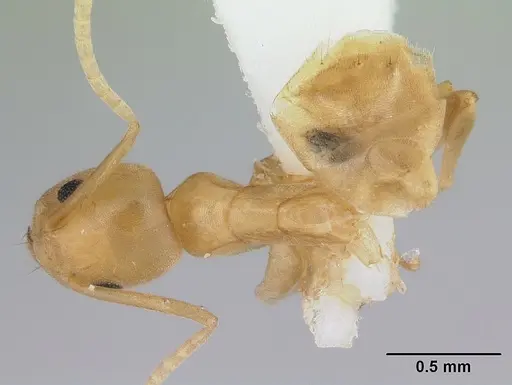
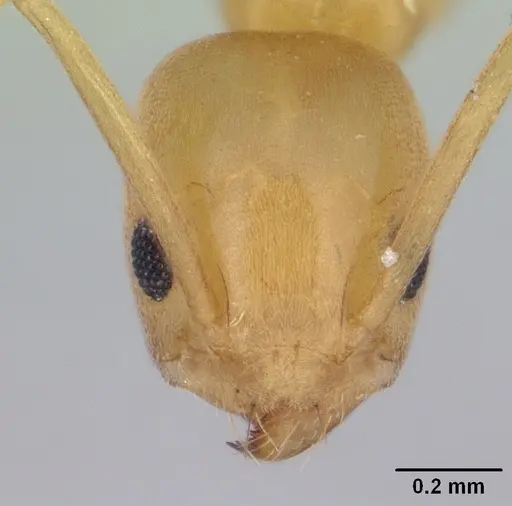
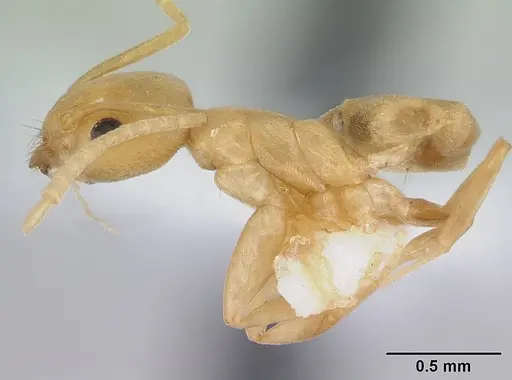
CASENT0178241
View on AntWeb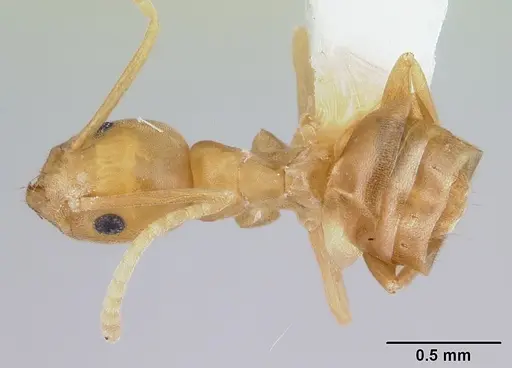
CASENT0280676
View on AntWeb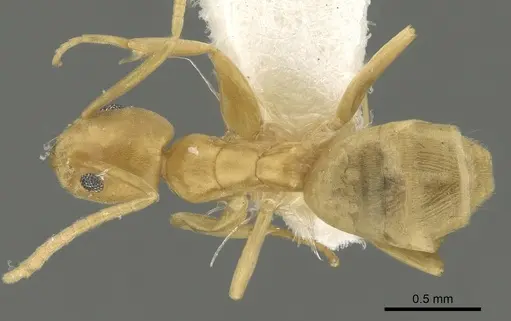
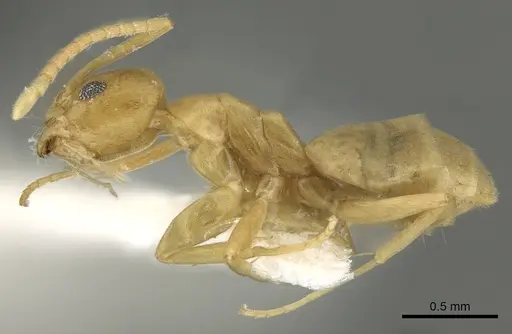
CASENT0903072
View on AntWeb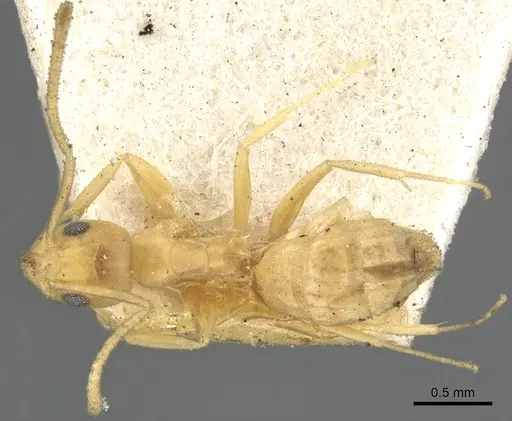
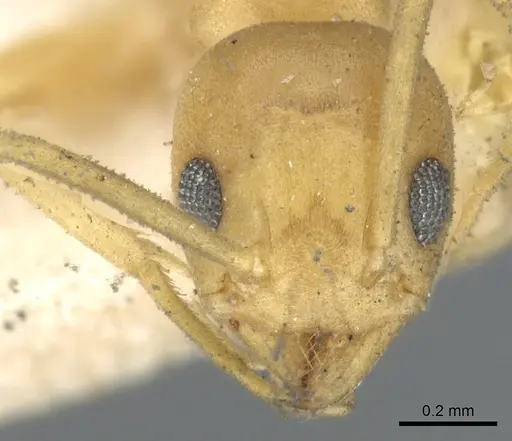
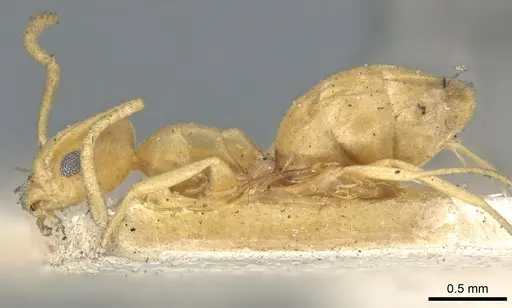
CASENT0905073
View on AntWeb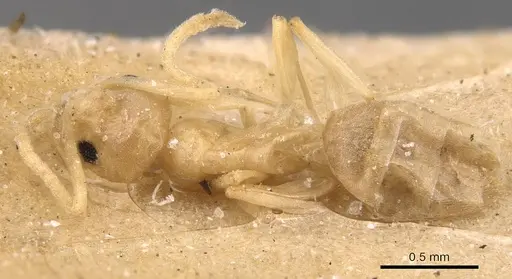
CASENT0905074
View on AntWeb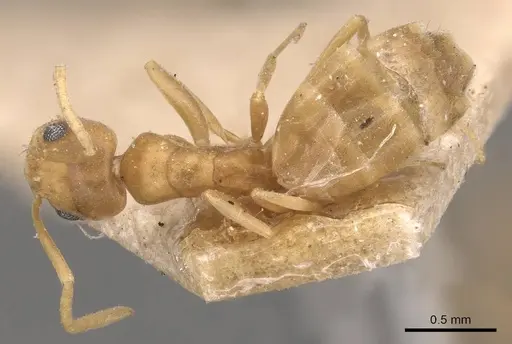
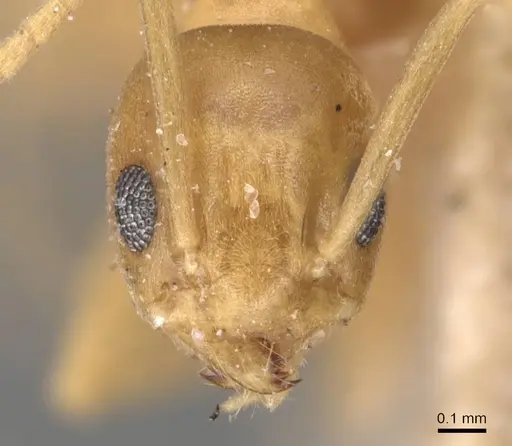
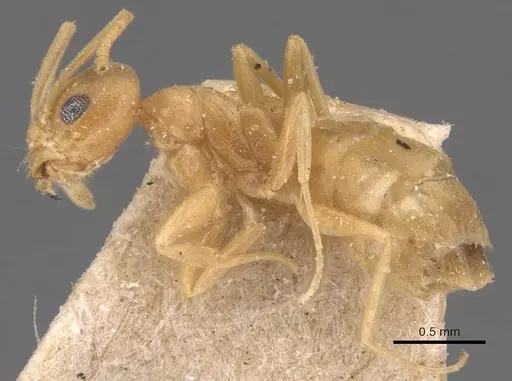
CASENT0907584
View on AntWeb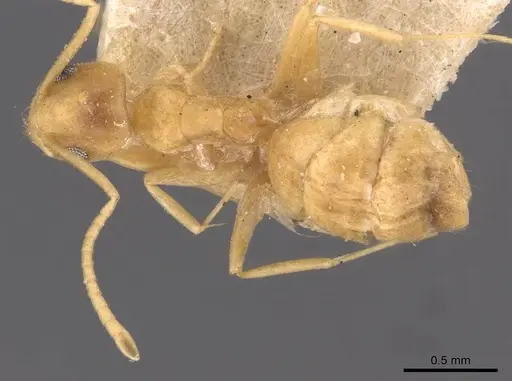
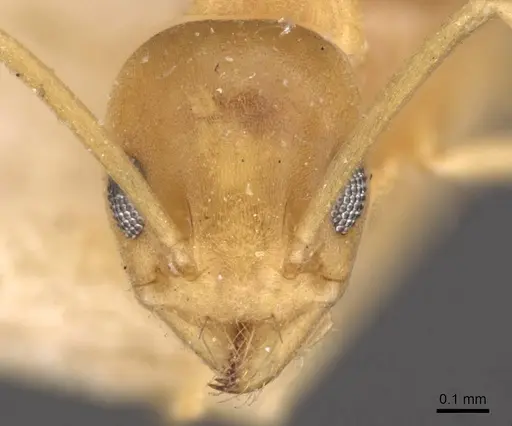
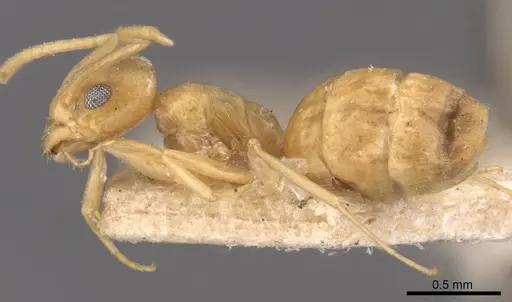
CASENT0909785
View on AntWeb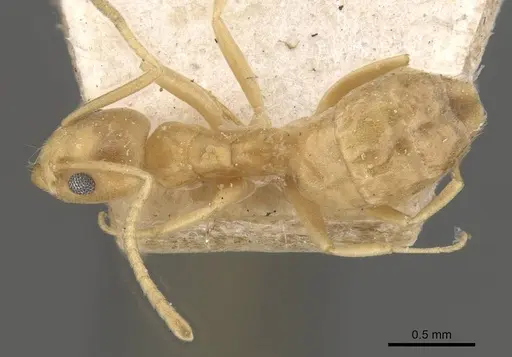
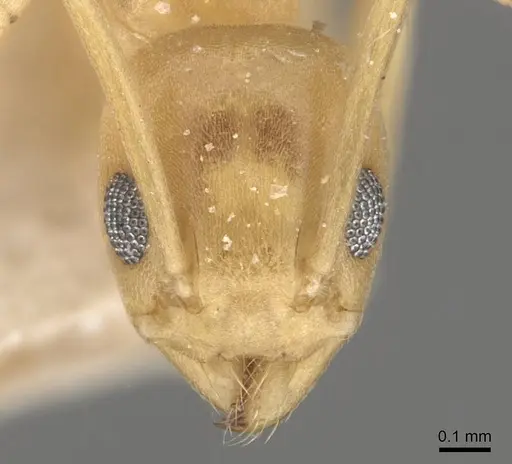
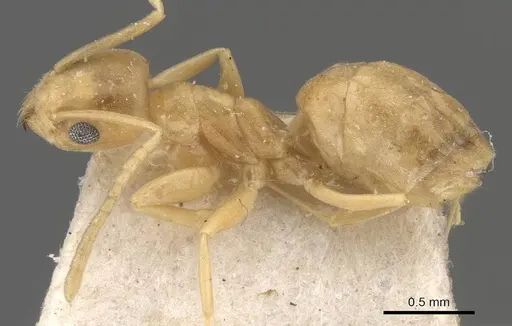
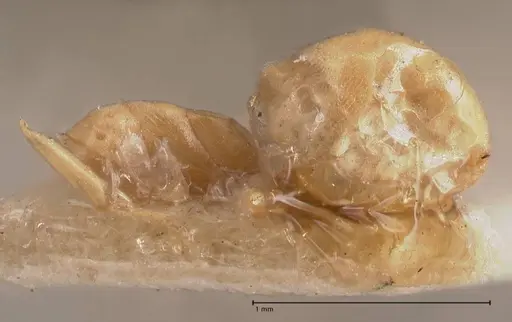
FOCOL0776
View on AntWeb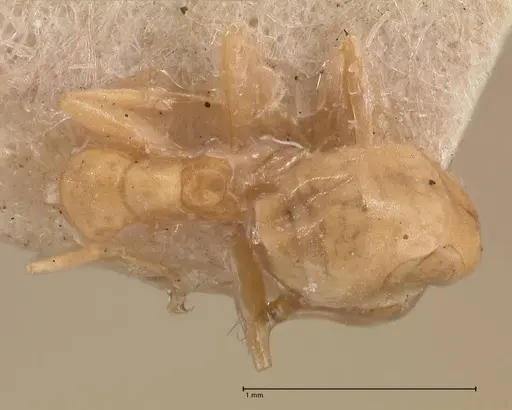
Literature
Loading distribution map...Loading products...