
Tapinoma karavaievi
- Sci. Name
- Tapinoma karavaievi
- Tribe
- Tapinomini
- Subfamily
- Dolichoderinae
- Author
- Emery, 1925
- Distribution
- Found in 2 countries
Introduction
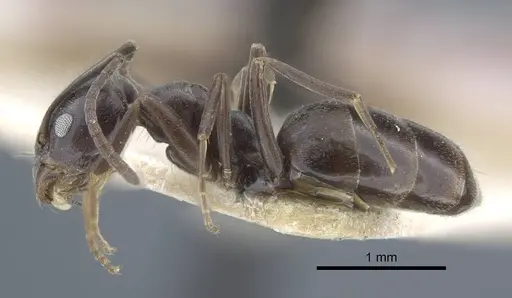
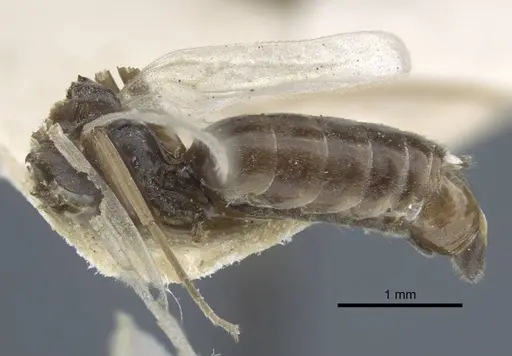
Tapinoma karavaievi is a small ant native to the Palaearctic region, ranging from Turkey and the Caucasus through Iran and Central Asia to Kazakhstan and Kyrgyzstan . Workers measure about 2-3 mm in length (inferred from the Tapinoma genus) . They nest in the ground, often with a crater of ejected soil around the entrance . These ants are polygynous and form multi-sectional nests that can produce daughter nests through budding – a group of workers, brood, and one or more queens moves to a new site, stays connected with the parent nest for a while, then becomes independent . The species is still poorly understood taxonomically; some researchers think it might just be an eastern form of the widespread Tapinoma simrothi .
Quick Summary
- Difficulty: Easy
- Origin & Habitat: Native to Turkey, Armenia, Azerbaijan, Georgia, Iran, Turkmenistan, Kazakhstan, Kyrgyzstan, and Afghanistan. They live in open or partially shaded areas such as semidesert, farmland, settlements, and riverbanks, and are found at elevations from 29 to 2075 m. The ground there usually has sparse vegetation and low to moderate rainfall.
- Colony Type: Polygynous and polydomous – colonies have multiple queens and can split into connected daughter nests by budding. A daughter nest receives workers, brood, and one or more queens, it stays linked to the parent nest for some time before becoming fully independent [3].
- Size & Growth:
- Queen: ~3-4 mm (inferred from Tapinoma genus) [2]
- Worker: ~2-3 mm (inferred from Tapinoma genus) [2]
- Colony: Several hundred workers (typical of related Tapinoma species) [2]
- Growth: Moderate
- Development: 4-6 weeks (estimated based on related Tapinoma species at warm temperatures) [2] (Actual timeline may vary depending on temperature and colony conditions.)
- Antkeeping:
- Temperature: Keep at 22-26°C. A heating cable on one side creates a gradient. They come from warm temperate and semi-arid areas, so they handle heat well. Based on the altitudinal range, they can tolerate cooler nights, but avoid prolonged cold.
- Humidity: Low to moderate. Keep the nest substrate slightly moist but allow it to dry out between waterings. Overly wet conditions can harm the colony. A small water source in the outworld is enough.
- Diapause: Unknown. Since they live in temperate regions with cold winters, a cooldown period (12-16°C for 2-3 months) may be beneficial, but it has not been confirmed for this species.
- Nesting: Y-tong (AAC) or plaster nests work well because they stay dry and provide good nesting cavities. Test tubes are fine for founding. Avoid permanently moist setups. The nest should have a dry zone and a slightly moist zone.
- Behavior: These are fast-moving, non‑aggressive ants. They defend by biting and exuding a sticky, foul‑smelling substance from their anal gland – they do not have a sting. Their tiny size means they can squeeze through very small gaps, so escape prevention is critical. Workers are active foragers and will explore the outworld eagerly.
- Common Issues: tiny workers can escape through gaps smaller than 0.5 mm – use fine mesh or fluon on all openings., overly humid nest can cause mold and stress, provide ventilation and avoid waterlogging the substrate., colony growth may be slow at the start, be patient during the first few months after founding., polygynous colonies may produce daughter nests by budding – be prepared to expand or split the setup if space runs out.
Housing and Nest Setup
Because Tapinoma karavaievi is very small and prefers dry conditions, Y‑tong (AAC) or plaster nests are ideal. Test tubes work for founding colonies. The nest should have a dry area and one corner kept slightly moist – never wet. All connections and ventilation holes must be sealed with fine mesh (gaps under 0.5 mm) or cotton, as these ants can squeeze through tiny cracks. A small outworld (10×10 cm) is enough for a growing colony. Make sure all edges are smooth and the lid fits tightly. [3][2]
Feeding and Diet
Like other Tapinoma, T. karavaievi needs carbohydrates and protein. Provide sugar water, honey, or diluted syrup constantly. For protein, offer small prey such as fruit flies, pinhead crickets, or chopped mealworms. Feed small amounts every 2-3 days and remove uneaten food to prevent mold. Because the workers are tiny, make sure prey is appropriately sized – very small insects are best. [2]
Temperature and Seasonal Care
Keep the temperature at 22-26°C for active growth. A heating cable on one side of the nest creates a useful gradient. These ants come from warm, semi‑arid areas and handle heat well. During winter, a cool period (12-16°C for 2-3 months) may be beneficial, but specific diapause requirements are not documented. Monitor colony activity and adjust if they show signs of stress. [2]
Colony Structure and Growth
This species is polygynous and builds multi‑sectional nests. New nests are formed by budding: a group of workers, brood, and one or more queens moves to a new site some distance from the parent nest. The daughter nest stays connected with the parent nest for a while, exchanging workers and brood, and eventually becomes independent [3]. In captivity, you may need to separate nests if the colony outgrows its space. The multiple queens allow the colony to grow steadily once established.
Identification and Similar Species
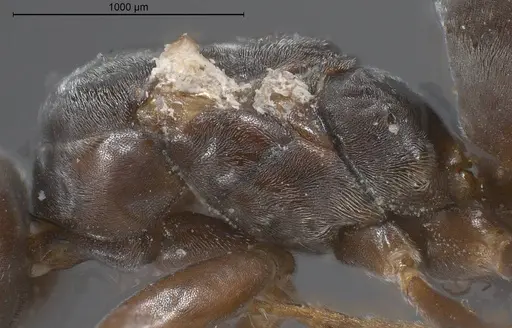
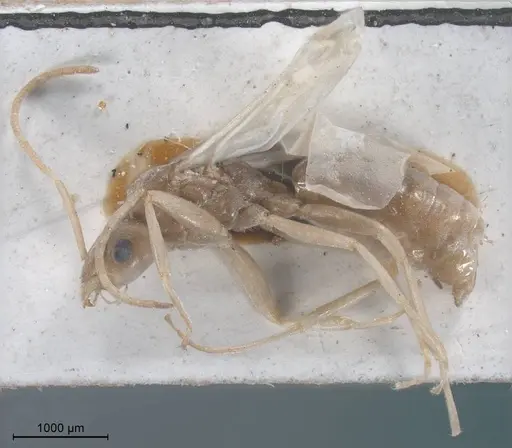
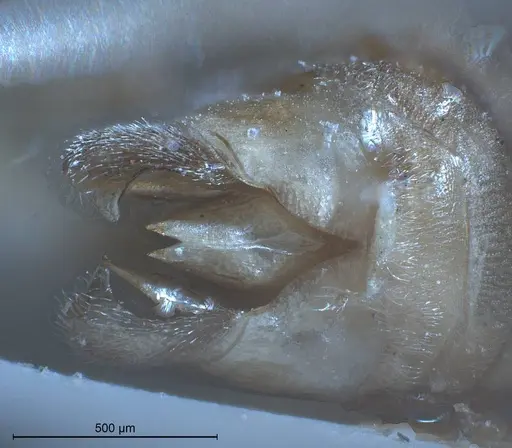
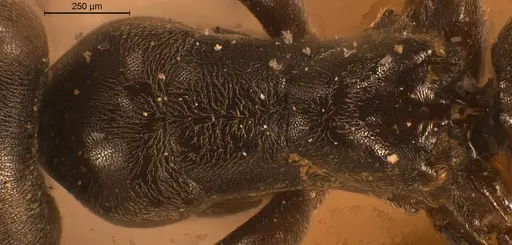
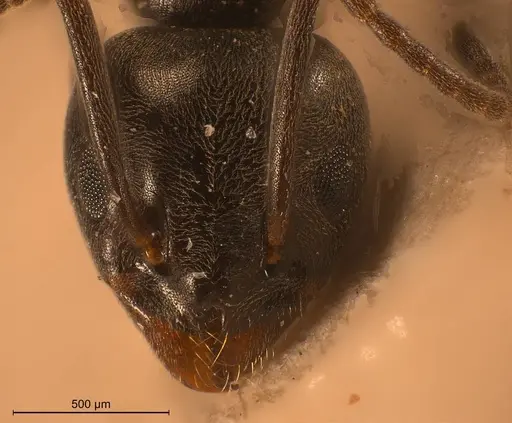
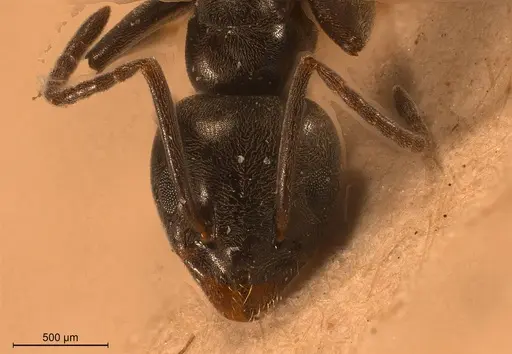
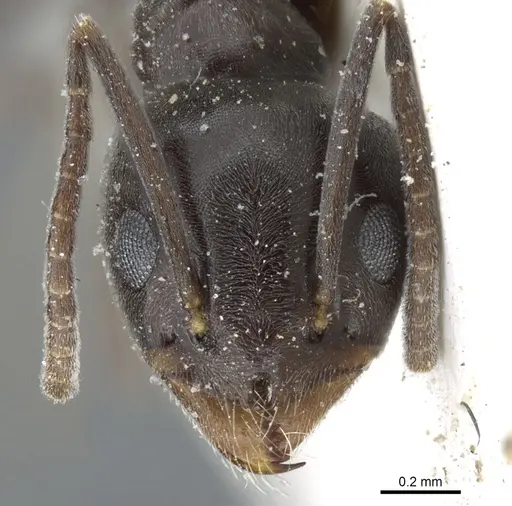
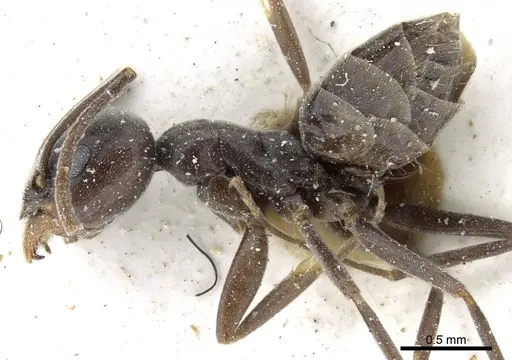
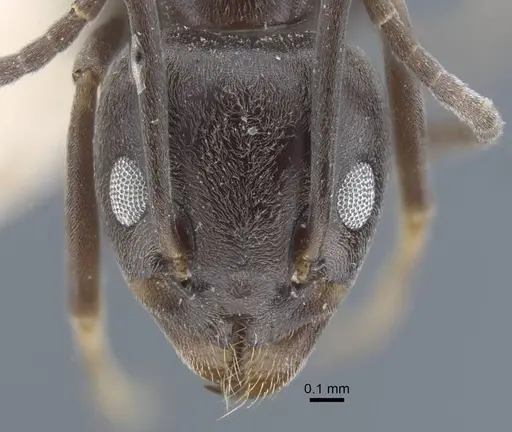
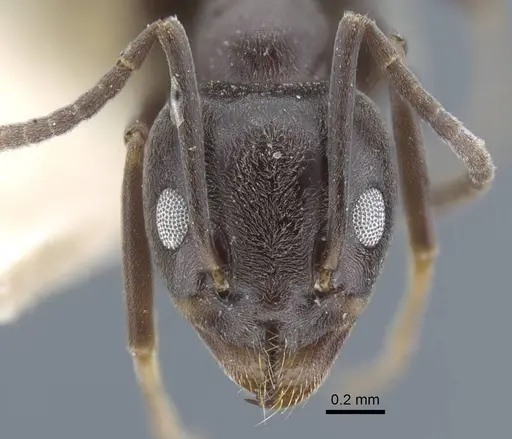
Tapinoma karavaievi can be confused with other Tapinoma species, especially T. simrothi and T. phoenicaeum. It was originally described as a subspecies of T. simrothi and was raised to species level in 1978 [2]. Some researchers note that male genitalia are extremely similar to T. simrothi and suggest that T. karavaievi may be just the eastern form of that species [4]. Accurate identification relies on subtle features of the clypeal excision and head proportions [2]. If you catch wild queens, try to confirm the species using a reliable key.
Frequently Asked Questions
How long does it take for Tapinoma karavaievi to have first workers?
Based on related Tapinoma species, first workers appear about 4-6 weeks after the queen lays eggs, assuming warm temperatures (24-26°C). The exact timing is not documented for this species, so keep conditions stable and be patient.
Can I keep multiple queens together in Tapinoma karavaievi?
Yes. This species is naturally polygynous, meaning colonies have multiple queens. In captivity you can keep a group of queens together from the start or allow a colony to grow with several queens. The multiple queens also drive the budding behavior, where a daughter nest splits off with one or more queens [3].
What size colony do Tapinoma karavaievi reach?
Colonies likely reach several hundred workers. The polydomous, multi‑queen structure supports larger sizes, but exact numbers are not recorded. Related Tapinoma species can form colonies of several thousand workers under ideal conditions.
Are Tapinoma karavaievi good for beginners?
Yes. They are easy to keep: non‑aggressive, tolerate a range of temperatures, and have simple dietary needs. The main challenges are their tiny size (escape risk) and the need to avoid over‑humid conditions. If you can prevent escapes and keep the nest dry, they are forgiving for beginners.
Do Tapinoma karavaievi need hibernation?
Diapause requirements are not documented for this species. Because they come from temperate Central Asia and the Caucasus, a winter cooldown (12-16°C for 2-3 months) is likely beneficial but not proven. If you choose to provide a cooldown, reduce temperature gradually and provide a water source.
What do Tapinoma karavaievi eat?
They eat sugar water, honey, or diluted syrup for carbohydrates, and small insects like fruit flies, pinhead crickets, or chopped mealworms for protein. Feed small amounts every 2-3 days and remove leftovers.
When should I move Tapinoma karavaievi to a formicarium?
Keep newly mated queens in a test tube until they have about 20-30 workers. Then move them to a Y‑tong or plaster nest with a small outworld. Make the transition gradual by connecting the test tube to the new nest so they can explore and move in on their own.
Why are my Tapinoma karavaievi escaping?
Their tiny size lets them fit through gaps smaller than 0.5 mm. Check all connections, use cotton or foam in tube openings, and apply fluon or fine mesh to any openings. Even a small crack that looks closed to you is a highway for them.
Is Tapinoma karavaievi invasive anywhere?
No. This species is native to the Palaearctic region and has not been reported as invasive outside its natural range. It occurs naturally in Turkey, the Caucasus, Iran, Central Asia, and surrounding areas. As always, never release captive colonies into the wild.
Report an Issue
The current care sheet is based fully on literature. See inconsistencies, or something that's incorrect? Please , it will be resolved after review from an admin. Contributing to the blogs tab also helps providing information, to make us be able to further improve the caresheets. Thank you for your support!
References

This caresheet is licensed under CC BY-SA 4.0 .
Community Blogs
ANTWEB1008472
View on AntWeb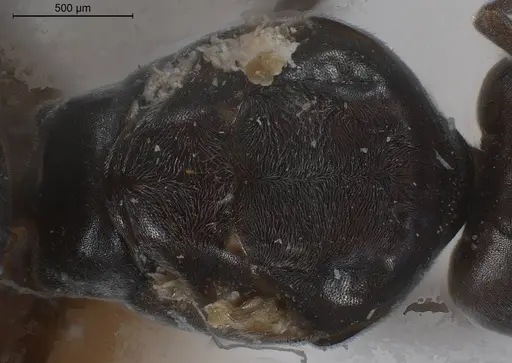
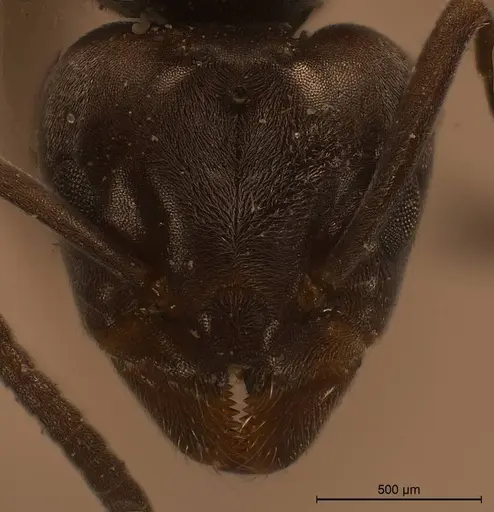
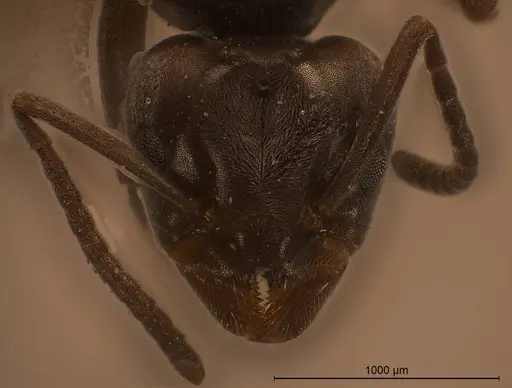
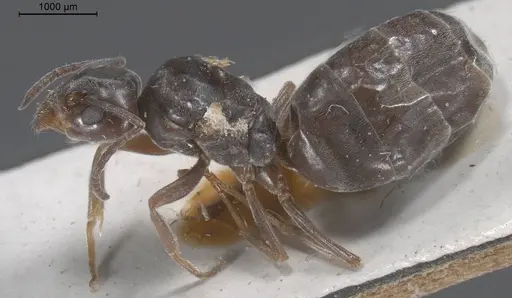
ANTWEB1008473
View on AntWeb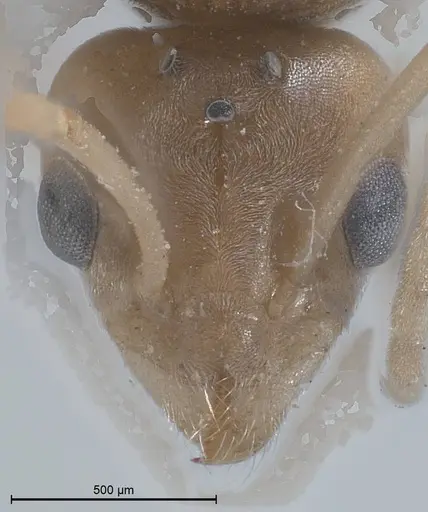
ANTWEB1008474
View on AntWeb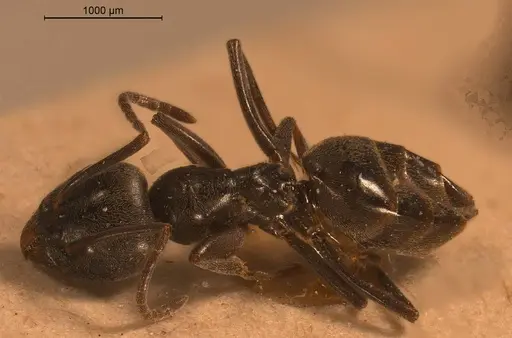
CASENT0904019
View on AntWeb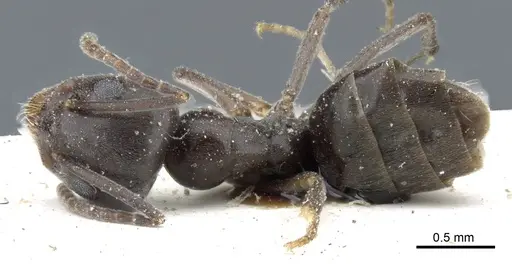
CASENT0917138
View on AntWeb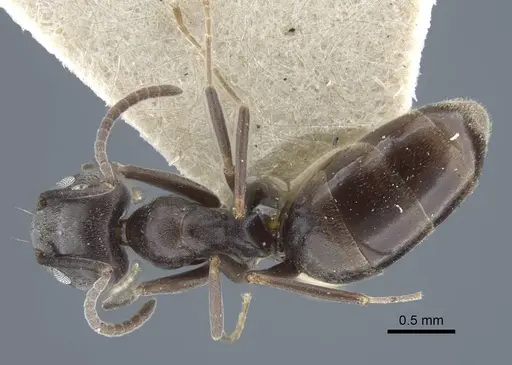
CASENT0917139
View on AntWeb
Literature
Loading distribution map...Loading products...