
Syscia valenzuelai
- Sci. Name
- Syscia valenzuelai
- Subfamily
- Dorylinae
- Author
- Longino & Branstetter, 2021
- Distribution
- Found in 2 countries
Introduction
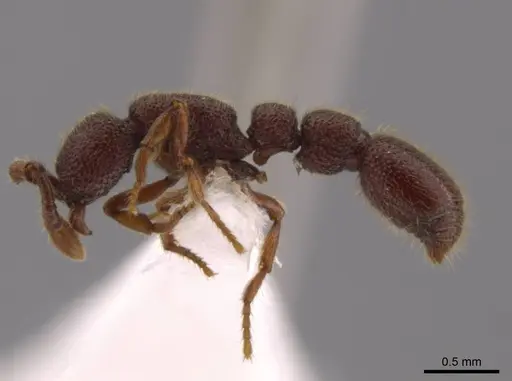
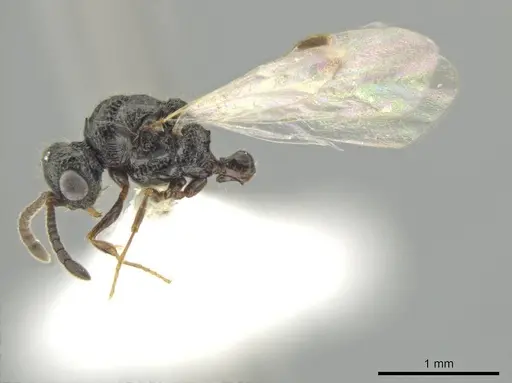
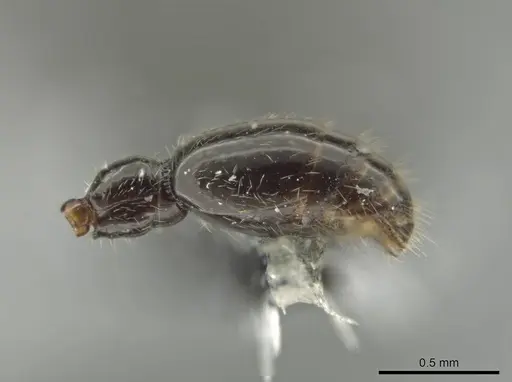
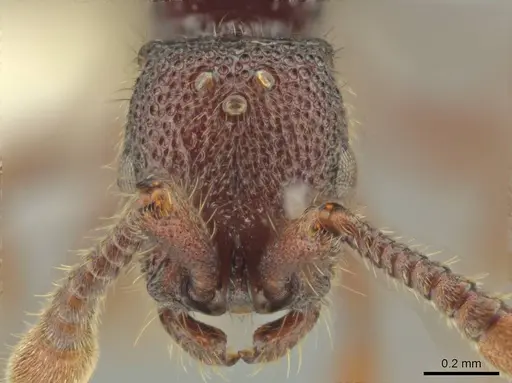
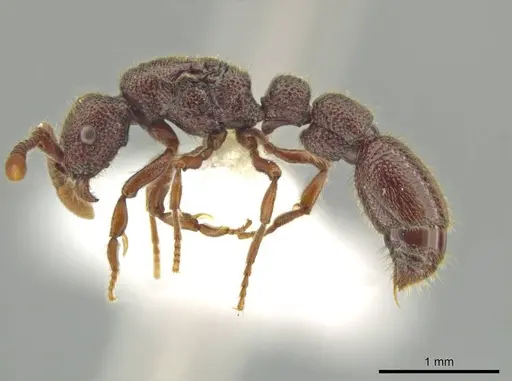
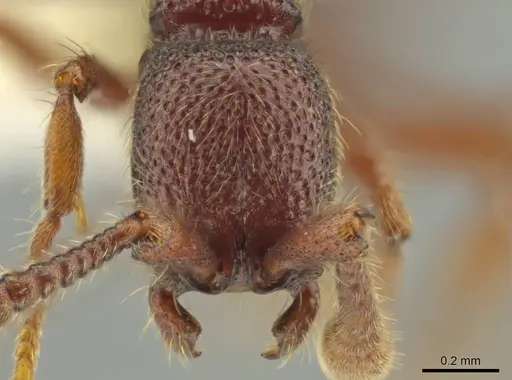
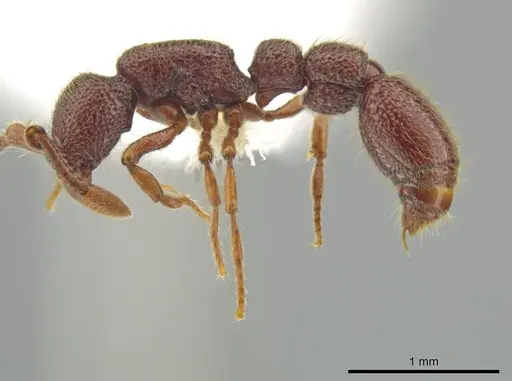
Syscia valenzuelai is a tiny army ant from the Dorylinae subfamily, described in 2021 by Longino and Branstetter . It is found in Mexico (Veracruz), Guatemala, and Honduras, inhabiting moist lowland to cloud forests up to 1100 m elevation . All collections came from Winkler samples of forest floor litter and rotten wood . Workers are very small, but precise body length is not recorded. Queens are dealate (wingless after mating) and were likely fully winged unlike some brachypterous relatives . Two males were collected in one sample . This species has never been kept in captivity, and virtually nothing is known about its colony structure, founding, or captive care.
Quick Summary
- Difficulty: Unknown, no captive records exist
- Origin & Habitat: Mexico (Veracruz) to Honduras, moist lowland to cloud forests up to 1100 m elevation [1]
- Colony Type: Unknown, colony structure has not been documented in the wild
- Size & Growth:
- Queen: size data unavailable
- Worker: size data unavailable
- Colony: Unknown, no colony size data available
- Growth: Unknown
- Development: Unknown, no development data exists for this species (No information is available on development time)
- Antkeeping:
- Temperature: Unknown, based on forest habitat, likely warm (20-26°C), but unconfirmed
- Humidity: Unknown, likely high due to moist forest habitat, but no specific data
- Diapause: Unknown, no data on overwintering requirements
- Nesting: Natural nesting is in forest floor litter and rotten wood. In captivity, unknown, likely requires small, humid cavities.
- Behavior: As Dorylinae ants, they are predatory and likely hunt small invertebrates in leaf litter. Their tiny size means they probably target very small prey like mites and springtails, but diet is unconfirmed. Escape prevention is critical due to minute size. Temperament unknown.
- Common Issues: no captive breeding records exist, this species has never been kept in captivity, tiny size makes escape prevention extremely difficult, they can slip through standard barrier setups, predatory diet may be difficult to meet, they likely need live micro-prey, humidity requirements are critical but unknown, dry conditions will quickly kill colonies, virtually no information on founding behavior or colony development in captivity
Discovery and Taxonomy
Syscia valenzuelai was formally described in 2021 by Longino and Branstetter as part of a major revision of New World Syscia [1]. The holotype worker was collected from Veracruz, Mexico, in montane wet forest at 1120 m elevation [1]. The species is a member of the Dorylinae subfamily, which includes army ants, though Syscia are much smaller and less conspicuous. Specimens were collected using Winkler extractors from sifted leaf litter [1].
Natural History
In the wild, Syscia valenzuelai lives in moist to wet lowland and cloud forests from Mexico to Honduras, up to about 1100 m elevation [1]. They occupy forest floor leaf litter and rotting wood, where they likely hunt small invertebrates. Dealate queens have been collected, indicating they establish colonies after mating. Males have also been found [1]. Their complete natural history remains poorly understood, colony size, precise diet, and reproductive behavior are unknown. Because they are so small, they probably target micro-arthropods like mites and springtails, but this is speculation.
Housing in Captivity
Since this species has never been documented in captivity, all housing recommendations are speculative. A small test tube setup with a water reservoir might work for founding colonies, but success is unknown. For established colonies, a tiny nest with moist substrate would be appropriate. The biggest challenge is their extremely small size, standard test tube barriers may be insufficient. Use fine mesh and ensure all connections are tight. Without any proven care data, this species should only be attempted by highly experienced keepers willing to experiment.
Feeding and Diet
As Dorylinae ants, Syscia valenzuelai are presumed predatory. In the wild, they likely hunt small invertebrates in leaf litter. In captivity, you could try offering small live prey like springtails, mites, or fruit fly larvae. Sugar sources may not be needed. However, since no captive feeding has been reported, this is guesswork. Offer prey every few days and remove leftovers to prevent mold.
Temperature and Humidity
Based on their native moist forest habitat, Syscia valenzuelai likely prefers warm, humid conditions. Temperatures around 20-26°C and high humidity are probable, but unconfirmed. Keep the nest substrate consistently moist but not waterlogged. Since their range has mild tropical winters, they likely do not require diapause, though this is unknown. Without experimental data, exact requirements are guesswork.
Frequently Asked Questions
Can I keep Syscia valenzuelai ants in captivity?
It is unknown whether this species has been kept in captivity. Syscia valenzuelai was only described in 2021,and there are no documented cases. Keeping them would be highly experimental and not recommended for beginners.
How big do Syscia valenzuelai colonies get?
The maximum colony size is unknown. No published data exists. Based on their tiny size and typical patterns of leaf-litter ants, colonies are probably small, but this is pure speculation.
What do Syscia valenzuelai ants eat?
As Dorylinae ants, they are predatory and likely eat small invertebrates. In captivity, offer small live prey like springtails, mites, or fruit fly larvae. Sugar acceptance is unknown.
How long does it take for Syscia valenzuelai eggs to become workers?
Development time is unconfirmed. No research has documented development for this species.
Do Syscia valenzuelai ants need hibernation?
Diapause requirements are unknown. Their native range has mild tropical winters, so they likely do not require true diapause, but this is unconfirmed.
Are Syscia valenzuelai good for beginners?
No, this species is not recommended for beginners. They have never been kept in captivity, care information is nonexistent, their tiny size makes them difficult to house and feed, and they likely have specialized requirements. Only highly experienced keepers conducting experimental husbandry should attempt this species.
Where does Syscia valenzuelai live in the wild?
Syscia valenzuelai is found in moist to wet lowland and cloud forests in Mexico, Guatemala, and Honduras, at elevations up to 1100 m [1]. They live in forest floor leaf litter and rotting wood.
Report an Issue
The current care sheet is based fully on literature. See inconsistencies, or something that's incorrect? Please , it will be resolved after review from an admin. Contributing to the blogs tab also helps providing information, to make us be able to further improve the caresheets. Thank you for your support!
References

This caresheet is licensed under CC BY-SA 4.0 .
Community Blogs
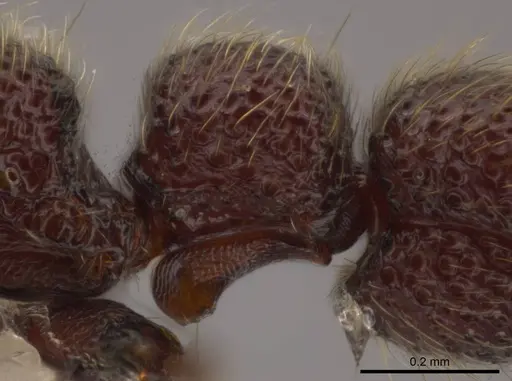
CASENT0610396
View on AntWeb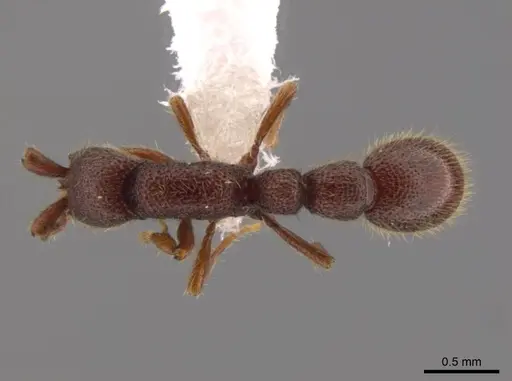
CASENT0630839
View on AntWeb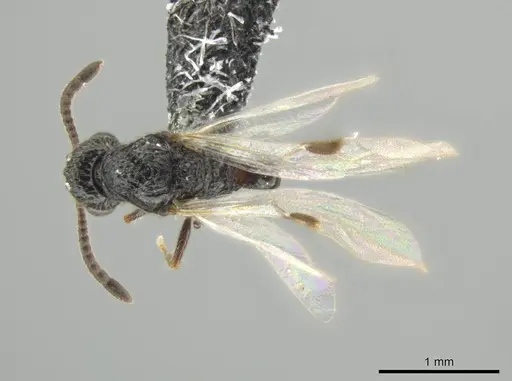
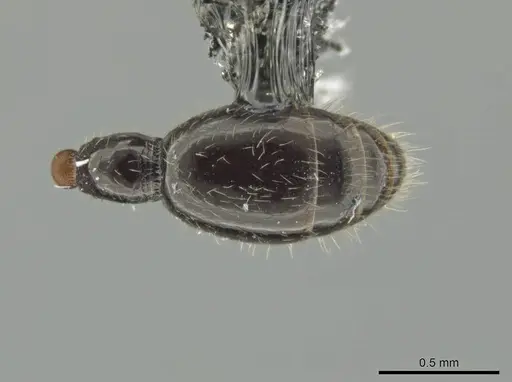
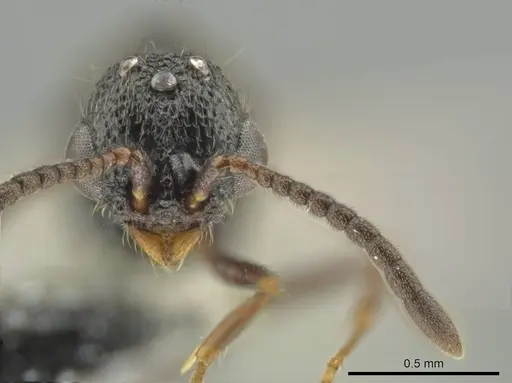
CASENT0644344
View on AntWeb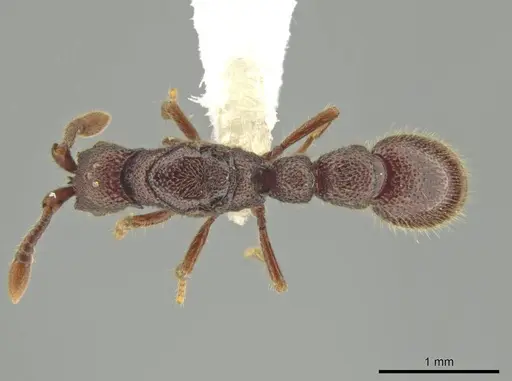
CASENT0644345
View on AntWeb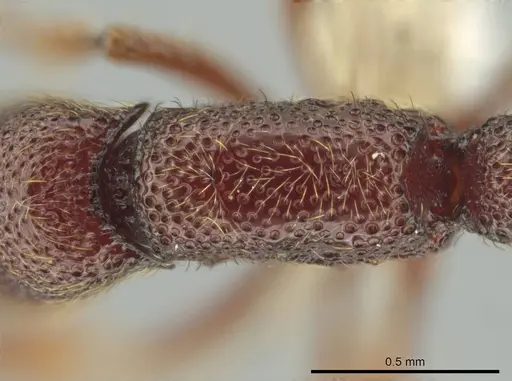
Literature
Loading distribution map...Loading products...