
Syscia truncata
- Sci. Name
- Syscia truncata
- Subfamily
- Dorylinae
- Author
- Longino & Branstetter, 2021
- Distribution
- Found in 1 countries
Introduction
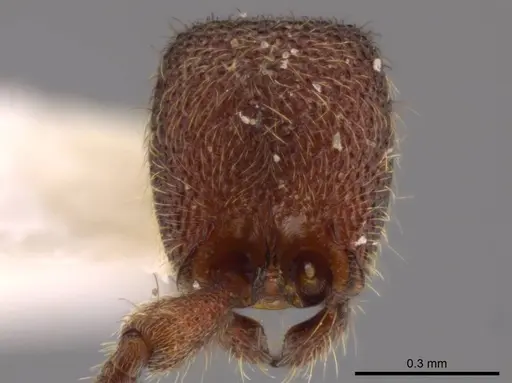
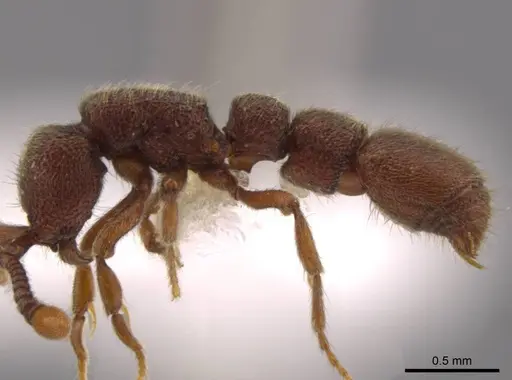
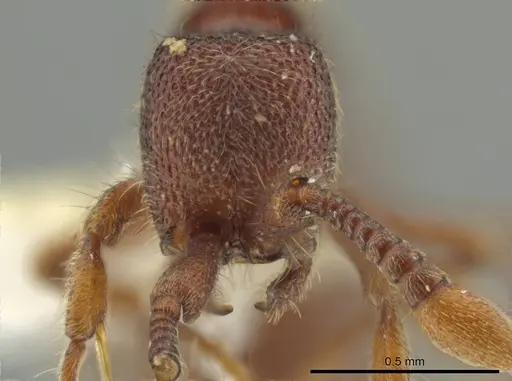
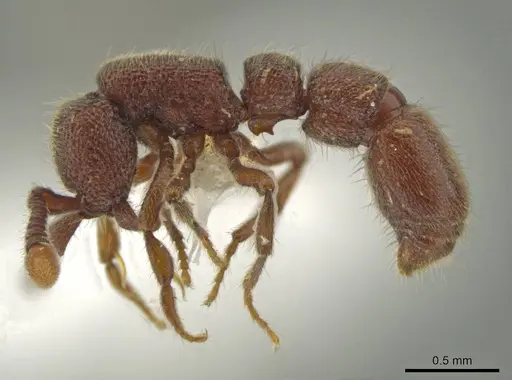
Syscia truncata is a tiny Dorylinae ant species native to the lowland rainforests of Guatemala and Honduras. Workers are among the smallest ants you'll encounter - body length is unknown from research, but they are tiny enough to fit through the smallest gaps. They have a distinctive red-brown color and were only formally described in 2021,making them a very recent addition to the ant world . These ants live in the moist leaf litter and rotten wood of tropical forest floors . No queens or males have ever been documented for this species, so everything about their colony structure and reproduction remains a mystery .
Quick Summary
- Difficulty: Expert
- Origin & Habitat: Guatemala and Honduras in Central America. They inhabit lowland moist to wet tropical rainforests, living in forest floor leaf litter and rotten wood [1].
- Colony Type: Unknown, no queens or sexuals have ever been documented for this species [1]. The colony structure (single-queen or multi-queen) cannot be determined from current research.
- Size & Growth:
- Queen: Unknown, no queens have been documented [1]
- Worker: Size data unavailable, no total body length measurements exist. Inferred from the genus Syscia, these are very tiny ants, likely around 2-3 mm in body length.
- Colony: Unknown, colonies have never been observed or documented
- Growth: Unknown
- Development: Unknown, no breeding or development has been documented (This species was only described in 2021 and no captive colonies exist in the hobby. All development timelines are speculative.)
- Antkeeping:
- Temperature: Keep warm at 24-28°C, consistent with their lowland tropical rainforest origin. A heating cable on one side of the nest can create a gentle gradient [1].
- Humidity: High humidity is essential, these ants come from moist lowland forests. Keep the nest substrate consistently damp but not waterlogged. Aim for high humidity with good ventilation to prevent mold [1].
- Diapause: Unknown, no seasonal behavior has been documented. Given their tropical origin, they likely do not require a true hibernation period, but may slow down during cooler months.
- Nesting: In the wild they live in forest floor leaf litter and rotting wood. In captivity, a small test tube setup or plaster nest works well given their minute size. Provide moist substrate like coco fiber or plaster that holds humidity well. Do not use acrylic nests, they can't hold humidity and tiny ants easily escape through gaps [1].
- Behavior: No behavioral observations have been documented in captivity. Based on related Dorylinae (army ant relatives), they likely forage individually or in small groups on the forest floor, preying on tiny arthropods. Their extremely small size makes them vulnerable and escape prevention is critical, they can squeeze through the tiniest gaps. No information exists about their sting or defense mechanisms.
- Common Issues: no captive colonies exist, this species has never been kept in captivity, no queens have been documented, wild colonies have never been observed, extremely small size makes them difficult to house and observe, very limited scientific data means all care is speculative, high humidity requirements create mold risk if ventilation is poor, no known source for acquiring this species, it is not available in the hobby
Species Discovery and Taxonomy
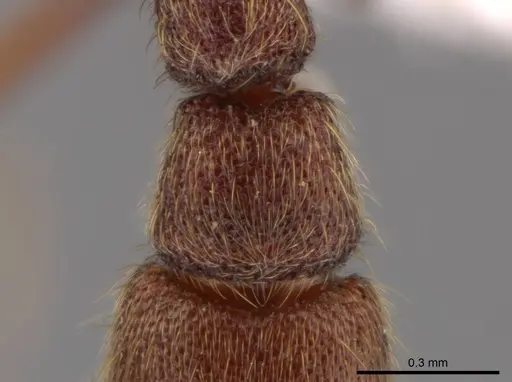
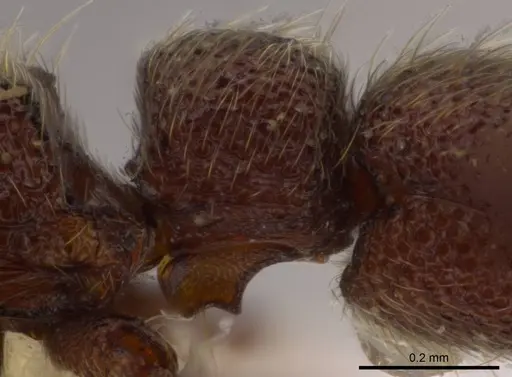
Syscia truncata was only formally described in 2021 by Longino and Branstetter as part of a major revision of New World Syscia species using advanced phylogenomic methods [1]. The holotype worker was collected from Las Marias in Honduras, with paratypes from both Guatemala and Honduras. The species name 'truncata' refers to the distinctive truncate (square-cut) anterior margin of the fourth abdominal segment. This species is part of the Dorylinae subfamily, which includes army ants, though Syscia are not true army ants, they are a separate lineage of small, cryptic leaf-litter ants [1].
Natural History and Habitat
In the wild, Syscia truncata lives in lowland moist to wet tropical rainforests at elevations around 80 meters. All known specimens have been collected using Winkler extractors from sifted leaf litter and rotten wood on the forest floor [1]. This is a cryptic, ground-dwelling species that forages in the dark, humid microhabitat beneath the forest canopy. The lack of any documented sexuals (queens and males) suggests either that they are rarely collected during nuptial flights, or that their reproductive biology is unusual compared to typical ants [1].
Challenges of Keeping This Species
Syscia truncata presents extreme challenges for antkeepers. No captive colonies have ever been established, and no one has ever documented a queen of this species. All care recommendations are speculative guesses based on related Dorylinae and their natural habitat. The tiny worker size (body length unknown, but tiny) means they require specialized housing, standard test tubes may work but must have excellent escape prevention. They would likely need tiny live prey like springtails or micro-arthropods. Before attempting to keep this species, you would need to locate a wild colony or queen, which has never been documented in scientific literature [1].
Related Species and Comparison
The genus Syscia contains numerous similar tiny ant species found throughout the Neotropics. Syscia chinensis from Southwest China was described in 2025 and shows that this genus extends beyond the Americas [1]. All Syscia species share similar morphology: small size,12-segmented antennae, and distinctive abdominal structure. In Central America, several similar species exist, and genetic analysis has shown 5.1% distance between specimens from different sites in Honduras, with 10.82% being the smallest interspecific distance, indicating these ants have clear species boundaries despite their tiny size [1].
Frequently Asked Questions
Can I keep Syscia truncata ants?
No captive colonies of Syscia truncata have ever been established. This species was only described in 2021 and no one has documented a queen or observed their colony structure. Unless you can locate a wild colony (which has never been documented), keeping this species is not currently possible [1].
What do Syscia truncata ants eat?
Unknown for this specific species. Based on related Dorylinae, they likely prey on tiny soil arthropods like springtails, mites, and micro-insects. Their minute size means any prey would need to be extremely small. Sugar sources may not be accepted given their predatory nature [1].
How big do Syscia truncata colonies get?
Unknown, colonies have never been documented. The workers are very tiny (body length unknown), but colony size estimates do not exist in scientific literature [1].
What temperature do Syscia truncata ants need?
Based on their lowland tropical rainforest origin in Honduras and Guatemala, they likely need warm temperatures around 24-28°C with high humidity. No captive observations exist to confirm this [1].
Are Syscia truncata good for beginners?
No. This species is not recommended for any antkeeper. No captive colonies exist, no queens have ever been documented, and all care information is speculative. Even expert antkeepers would not be able to keep this species without first locating a wild colony [1].
Do Syscia truncata need hibernation?
Unknown, no seasonal behavior has been documented. Given their tropical origin in Honduras and Guatemala, they likely do not require a true diapause period, though they may reduce activity during cooler periods [1].
Where does Syscia truncata live?
This species is known only from Guatemala and Honduras in Central America. They inhabit lowland moist to wet tropical rainforests at about 80 meters elevation, living in forest floor leaf litter and rotting wood [1].
How long do Syscia truncata workers live?
Unknown, no lifecycle information exists for this species. Even basic lifespan has never been studied or documented [1].
Can I find a Syscia truncata queen?
No queens of this species have ever been documented in scientific literature. The species was described from worker specimens only, and no sexuals (queens or males) have ever been collected or described [1].
Report an Issue
The current care sheet is based fully on literature. See inconsistencies, or something that's incorrect? Please , it will be resolved after review from an admin. Contributing to the blogs tab also helps providing information, to make us be able to further improve the caresheets. Thank you for your support!
References

This caresheet is licensed under CC BY-SA 4.0 .
Community Blogs
CASENT0624890
View on AntWeb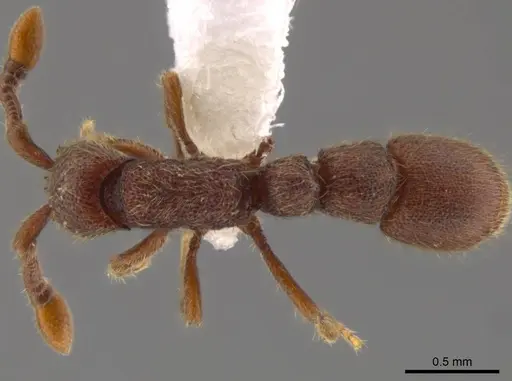
CASENT0644352
View on AntWeb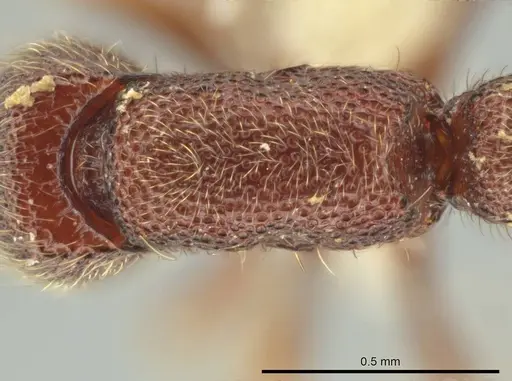
Literature
Loading distribution map...Loading products...