
Syscia setosa
- Sci. Name
- Syscia setosa
- Subfamily
- Dorylinae
- Author
- Longino & Branstetter, 2021
- Distribution
- Found in 1 countries
Introduction
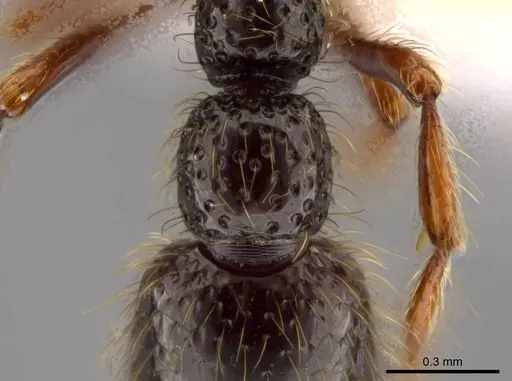
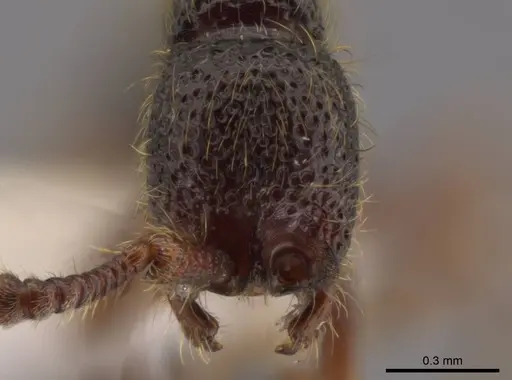
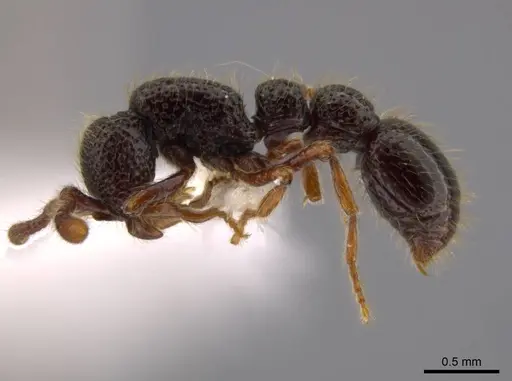
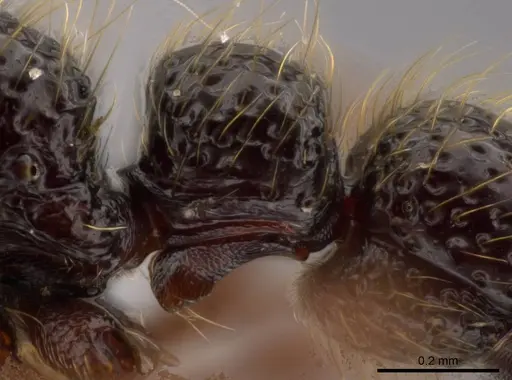
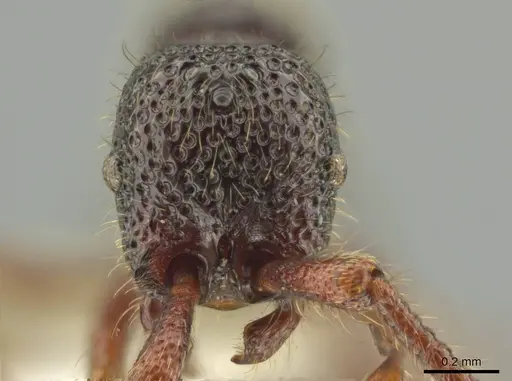
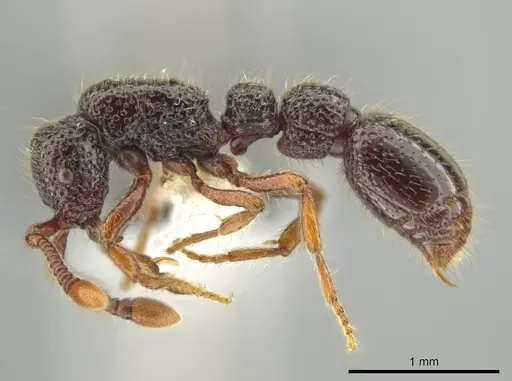
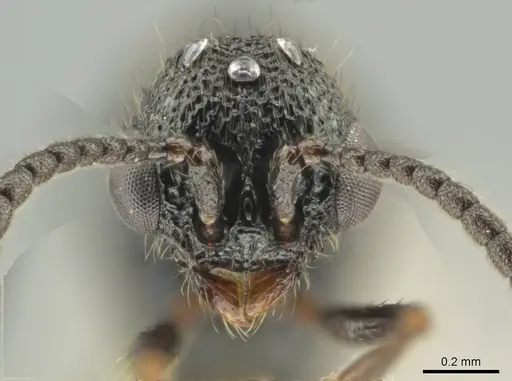
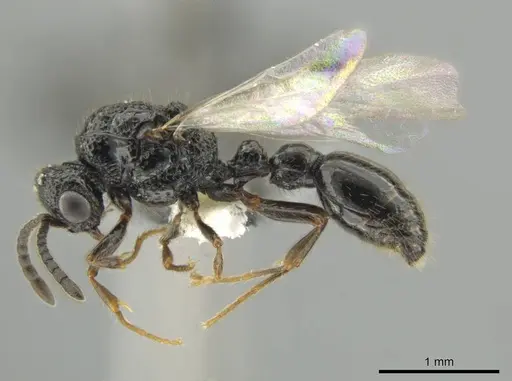
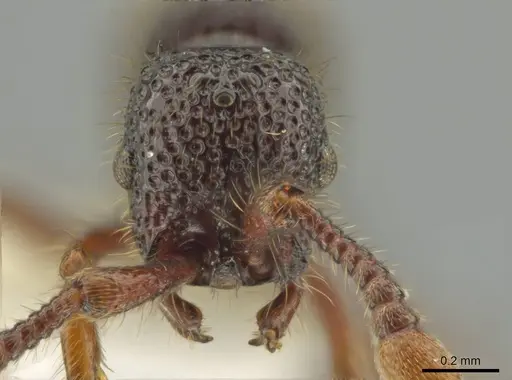
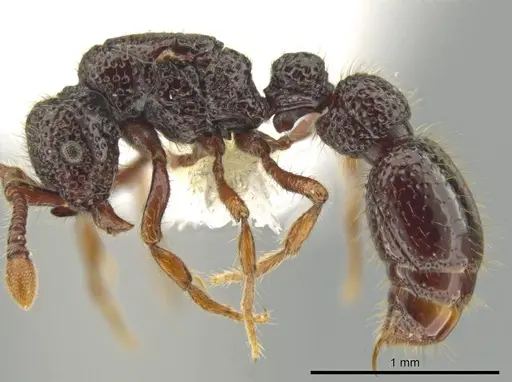
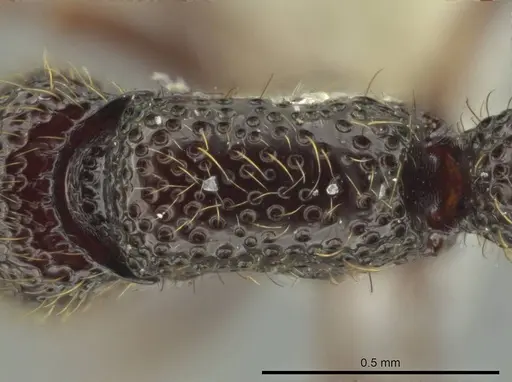
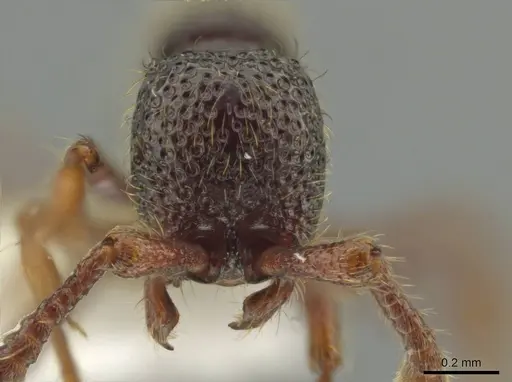
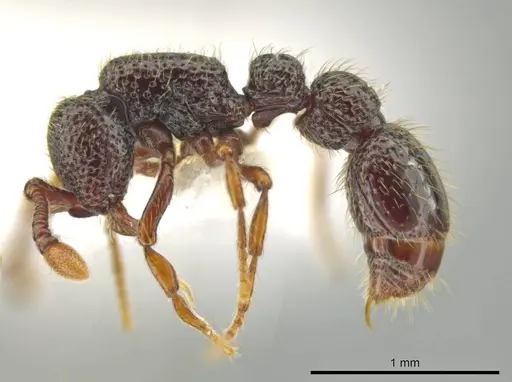
Syscia setosa is a tiny ant from the Dorylinae subfamily, described in 2021 . Workers are dark brown with long, coarse standing hairs . This species is native to Mexico, found in tropical rainforest habitats from Tamaulipas to Chiapas . They are rarely seen because they forage in leaf litter and soil, likely staying underground. Their small size makes them challenging to keep in captivity.
Quick Summary
- Difficulty: Hard
- Origin & Habitat: Mexico (Veracruz, Tamaulipas to Chiapas). Tropical rainforest [1].
- Colony Type: Unconfirmed. Dorylinae ants are often polygynous (multiple queens), but this is not documented for Syscia setosa specifically.
- Size & Growth:
- Queen: Size data unavailable – estimated ~2-3 mm based on related Syscia species.
- Worker: Size data unavailable – estimated ~2-3 mm based on related Syscia species.
- Colony: Unknown.
- Growth: Unknown.
- Development: Unknown. (No direct data available.)
- Antkeeping:
- Temperature: Unknown – based on tropical habitat, aim for 24-28°C (inferred). Avoid drafts.
- Humidity: High – based on rainforest habitat, keep substrate moist but not waterlogged (inferred).
- Diapause: No – tropical species, maintain stable conditions year-round (inferred).
- Nesting: Y-tong (AAC) or soil nest with narrow chambers scaled to their tiny size (inferred). High humidity and escape-proof sealing are essential.
- Behavior: Tiny, cryptic, likely forage in leaf litter. Not aggressive, but escape risk is extreme due to minute size. Colony behavior and social structure are poorly known.
- Common Issues: escape prevention – their tiny size means even microscopic gaps are escape routes., humidity management – need constant high humidity without flooding., dietary needs – unknown, likely predatory on small arthropods, but not confirmed., rarity – almost never available in the hobby, making acquisition difficult.
Natural Habitat and Distribution
Syscia setosa is known only from Mexico, ranging from Tamaulipas to Chiapas [1]. All wild collections have been from tropical rainforest, using Winkler or Berlese samples of leaf litter [1]. This suggests a hypogaeic (underground) lifestyle within moist forest floors. The exact elevation range is not recorded in available sources, but the type locality is at 180 m elevation [1].
Known Biology
Workers are tiny, dark brown, and have long, coarse standing hairs [1]. The original description includes caste data: workers, queens, intercastes, and males are known [1]. Colony structure, foraging behavior, and diet have not been studied directly. Based on related Dorylinae, they are likely predatory on small soil arthropods and may have multiple queens, but this is speculative.
Care Recommendations
Because so little is known about this species, care advice is experimental. Use a small Y-tong (AAC) nest with narrow chambers or a naturalistic setup with moist soil and leaf litter. Maintain high humidity – keep the substrate damp but not wet. Temperature around 24-28°C, as they come from a tropical climate. Escape-proofing is critical: apply fluon or use fine mesh, as workers can fit through tiny gaps. Provide small live prey such as springtails or fruit flies, though their exact dietary needs are unknown. Do not expect fast colony growth. [1]
Conservation and Availability
Syscia setosa is not listed as threatened. It is rarely collected and appears to have a restricted range in Mexico [1]. It is virtually unavailable in the antkeeping hobby. Any specimens in captivity would likely come from wild collection, which must be done legally with permits. This species is not recommended for beginners or even most intermediate keepers due to the lack of care data.
Frequently Asked Questions
How long does it take for Syscia setosa to get first workers?
Unknown. No development data exists for this species. Estimaties from related Dorylinae are unreliable. Expect to wait several weeks to months if founding occurs.
Can I keep Syscia setosa in a test tube?
A test tube can be used for a founding colony, but given the tiny size, the cotton must be packed very tightly. Use a small water reservoir and monitor for flooding. Transfer to a proper nest only when absolutely necessary, as moving is risky.
What do Syscia setosa eat?
Exact diet is unknown. They are likely predatory on small soil arthropods. Offer small live prey like springtails and fruit flies. Avoid overfeeding to prevent mold.
Are Syscia setosa good for beginners?
No. They are extremely challenging due to tiny size, unknown care requirements, and rarity. Only experienced keepers should attempt this species.
How big do Syscia setosa colonies get?
Unknown. No colony size data exists. Related Dorylinae can have hundreds to thousands of workers, but this is speculative.
Do Syscia setosa need hibernation?
No – they are from tropical Mexico. Keep conditions warm year-round.
Why are my Syscia setosa dying?
Most likely causes: escape (tiny ants find any gap), incorrect humidity (too dry or too wet), insufficient food, or temperature stress. Diagnose by checking each parameter.
When should I move Syscia setosa to a formicarium?
Only move the colony when the current setup is no longer suitable (e.g., mold, overcrowding). Given their size and sensitivity, avoid unnecessary moves. Use a nest with appropriately small chambers.
Can I keep multiple Syscia setosa queens together?
Not recommended. There is no documentation of polygyny in this species. Keeping multiple queens risks aggression. Do not attempt without published evidence.
Report an Issue
The current care sheet is based fully on literature. See inconsistencies, or something that's incorrect? Please , it will be resolved after review from an admin. Contributing to the blogs tab also helps providing information, to make us be able to further improve the caresheets. Thank you for your support!
References

This caresheet is licensed under CC BY-SA 4.0 .
Community Blogs
CASENT0609798
View on AntWeb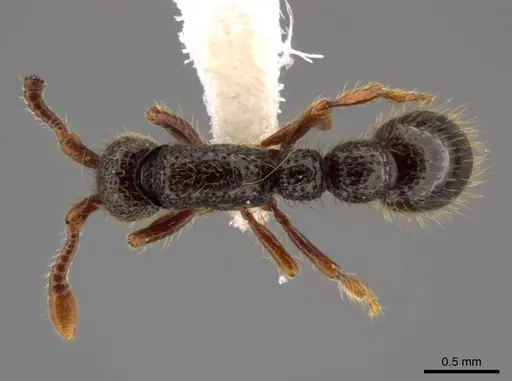
CASENT0640468
View on AntWeb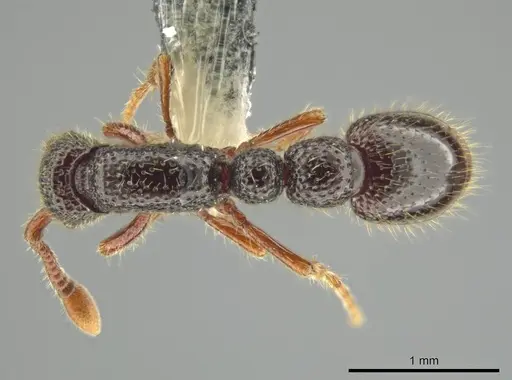
CASENT0640810
View on AntWeb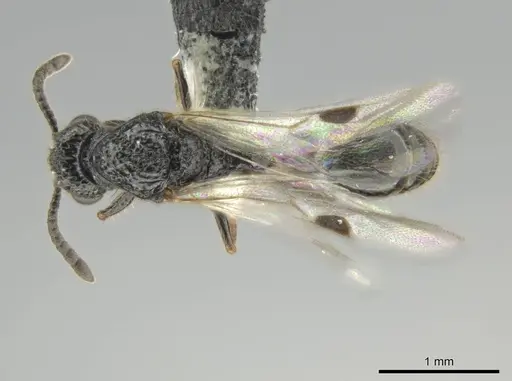
CASENT0644334
View on AntWeb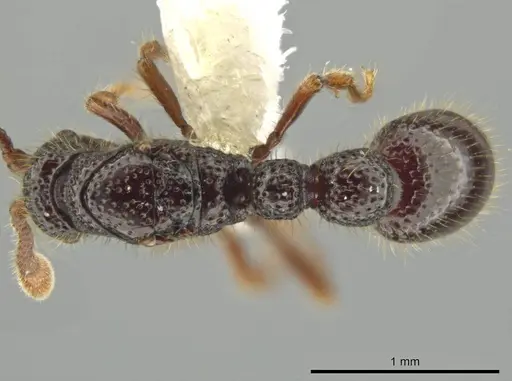
CASENT0644335
View on AntWeb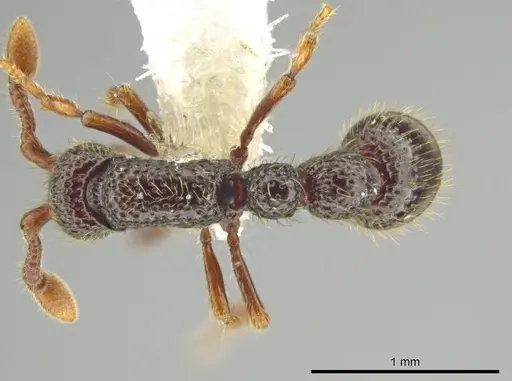
Literature
Loading distribution map...Loading products...