
Syscia peten
- Sci. Name
- Syscia peten
- Subfamily
- Dorylinae
- Author
- Longino & Branstetter, 2021
- Distribution
- Found in 1 countries
Introduction
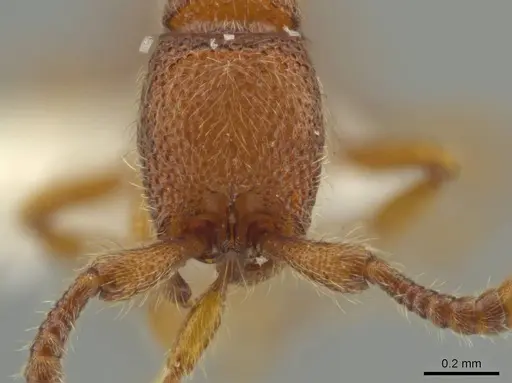
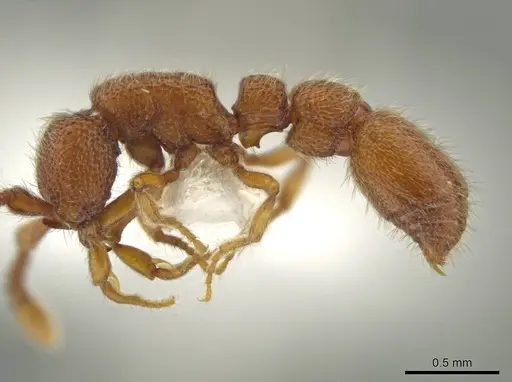
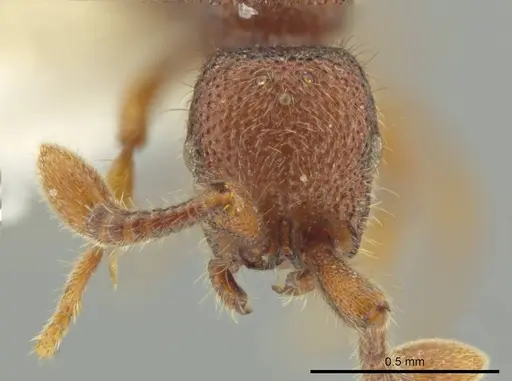
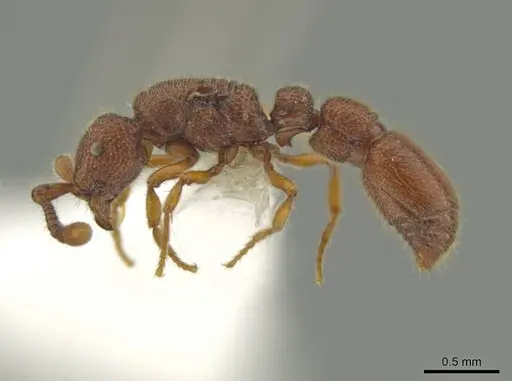
Syscia peten is a tiny ant from the Dorylinae subfamily, first described in 2021 from Guatemala's Petén region, specifically in Parque Nacional Tikal. Workers are extremely small, around 2-3mm in total length (inferred from the Syscia genus), with queens similar in size. They have a red-brown color and live in lowland tropical moist forest. Their natural habitat is the forest floor, where they are found in leaf litter and rotting wood. This species is only known from a single collection in Guatemala.
Quick Summary
- Difficulty: Expert
- Origin & Habitat: Syscia peten is known only from Guatemala's Petén department, collected at 270m elevation in Parque Nacional Tikal. They inhabit lowland tropical moist forest, living in the leaf litter and rotten wood on the forest floor. [1][2]
- Colony Type: Wild samples contain multiple dealate (wingless) queens, an alate (winged) queen, and workers together. This suggests colonies may have multiple queens, but the exact colony structure (single queen vs multiple queens) is not confirmed. [1]
- Size & Growth:
- Queen: ~2.5-3.5mm, inferred from Syscia genus, as direct total length data are unavailable. [1]
- Worker: ~2-3mm, inferred from Syscia genus, as direct total length data are unavailable. [1]
- Colony: Unknown, only limited field samples exist, no data on maximum colony size. [1]
- Growth: Unknown, no captive data exists for this species. [1]
- Development: Unknown, no development data exists. Based on tiny size and Dorylinae patterns, development might be relatively fast (4-8 weeks at warm temperatures), but this is an estimate. [1] (No captive breeding data available. All development estimates are speculative.)
- Antkeeping:
- Temperature: Keep warm at 24-28°C. These are lowland tropical ants from Guatemala. Use a heating cable on one side of the nest to create a gradient. Monitor colony activity to adjust. [1]
- Humidity: High humidity is essential, they come from tropical moist forest leaf litter. Keep the substrate consistently damp but not waterlogged. Mist the enclosure regularly and provide a water source. Good ventilation is needed to prevent mold. [1]
- Diapause: No, as a lowland tropical species, they likely do not require diapause. Keep warm year-round. [1]
- Nesting: A naturalistic setup works best, use moist substrate, leaf litter, and small pieces of rotting wood to mimic their forest floor habitat. Nest chambers must be very small, scaled to their tiny size. A test tube setup can work but requires careful sealing. Avoid large formicarium chambers. [1][2]
- Behavior: This is a Doryline ant that hunts small invertebrates. Workers are tiny and active in the leaf litter layer. They likely form small colonies. Escape prevention is critical due to their tiny size, they can fit through standard mesh and small gaps. Use fine mesh and seal all openings. [1]
- Common Issues: escape prevention is critical, their tiny size means they can squeeze through gaps that larger ants cannot, no captive breeding data exists, this is a newly described species with no established husbandry protocols, high humidity requirements can lead to mold problems if ventilation is inadequate, they need a constant supply of small live prey such as springtails and fruit flies, which may be challenging to maintain, very small colony sizes in the wild suggest colonies may remain small in captivity, reducing resilience to disturbances
Housing and Escape Prevention
Housing Syscia peten is challenging because of their tiny size. Workers are only about 2-3mm long, they can escape through standard barrier setups. Use a naturalistic terrarium with a secure lid. Apply fluon to all rim edges, but note that some tiny ants can still cross dried fluon. The outworld should be small and contained. A test tube setup can work if the cotton plug is very tight and you check for gaps daily. The nest chamber must be scaled to their size, standard formicarium chambers are far too large. Consider a small container with multiple tiny chambers or a custom naturalistic setup with small cavities. [1]
Feeding and Diet
As a Doryline ant, Syscia peten is predatory. In captivity, offer small live prey like springtails, fruit flies, and other micro-arthropods. They are too small to tackle mealworms or crickets. Based on their forest floor habitat, they likely hunt springtails, mites, and small soil invertebrates. Sugar sources may be accepted but are not their primary food, focus on live protein. Feed every 1-2 days and remove uneaten prey to prevent mold. [1]
Temperature and Humidity
These are lowland tropical ants from Guatemala's Petén region, they need warm, humid conditions. Keep temperatures between 24-28°C year-round. Use a heating cable on one side of the nest to create a gradient. They come from tropical moist forest at 270m elevation, so humidity must be high. Keep the substrate consistently moist but not waterlogged. Mist the enclosure every couple of days. Ensure good ventilation to prevent mold. Do not let temperatures drop below 22°C. [1]
Colony Structure and Founding
Wild samples contained multiple dealate queens, one alate queen, and workers together, this suggests the species may be polygynous (multiple queens per colony) or pleometrotic (queens cooperating during founding). However, the data comes from a single sample, so colony structure is not confirmed. If you get multiple queens, they can likely be kept together. Founding behavior has not been documented. Do not assume a founding type, fully isolate any queen and observe. [1]
Natural History
Syscia peten was described in 2021 and is known only from Parque Nacional Tikal, Guatemala. It is a lowland species from tropical moist forest. The type series was collected from sifted leaf litter and rotten wood. They are forest floor specialists. Almost no captive husbandry information exists. Their biology, development, colony size, and behavior remain largely unknown. Much of what we know comes from a single field collection. [1][2]
Frequently Asked Questions
How long does it take for Syscia peten to raise their first workers?
Unknown, no captive breeding data exists for this newly described species. Based on their tiny size and Dorylinae patterns, development might be relatively fast (possibly 4-8 weeks at warm temperatures), but this is purely an estimate. [1]
Can I keep Syscia peten in a test tube?
Yes, but with significant challenges. The test tube must be very small, and escape prevention must be excellent. Their tiny size means they can escape through standard cotton plugs. A naturalistic setup with small containers may work better. The key issues are their size and their need for high humidity. [1]
What do Syscia peten ants eat?
They are predatory ants that hunt small invertebrates. Feed small live prey like springtails, fruit flies, and micro-arthropods. They are too small for typical ant prey. Sugar sources may be accepted but are not their primary diet. [1]
Are Syscia peten good for beginners?
No, this is an expert-level species. They are a newly described species (2021) with no established captive protocols, extremely tiny size makes housing and escape prevention difficult, they require constant live micro-prey, and need high humidity tropical conditions. Only suitable for experienced antkeepers who can provide specialized care. [1]
Do Syscia peten need hibernation?
No, they are lowland tropical ants from Guatemala and do not require hibernation. Keep them warm year-round at 24-28°C. [1]
How big do Syscia peten colonies get?
Unknown, no data exists on maximum colony size. Wild samples show multiple workers but the colonies appear to be small. Based on their tiny size and Dorylinae patterns, expect relatively small colonies compared to larger army ants. [1]
Why are my Syscia peten dying?
Common causes include: low humidity (they need constantly moist substrate), temperatures below 22°C, escape through tiny gaps, lack of live prey, and mold from poor ventilation. These are fragile tiny ants that require precise conditions. [1]
Can I keep multiple Syscia peten queens together?
Likely yes based on wild samples showing multiple dealate queens, but this is not confirmed. If your colony arrived with multiple queens, they can likely be kept together. Combining unrelated foundresses has not been documented. [1]
What is the best nest type for Syscia peten?
A naturalistic setup with small chambers mimics their natural leaf litter environment. Very small containers with tightly sealed chambers can work. Standard formicarium chambers are too large. The key is tiny chambers scaled to their 2-3mm size, high humidity, and excellent escape prevention. [1]
Report an Issue
The current care sheet is based fully on literature. See inconsistencies, or something that's incorrect? Please , it will be resolved after review from an admin. Contributing to the blogs tab also helps providing information, to make us be able to further improve the caresheets. Thank you for your support!
References

This caresheet is licensed under CC BY-SA 4.0 .
Community Blogs
CASENT0610652
View on AntWeb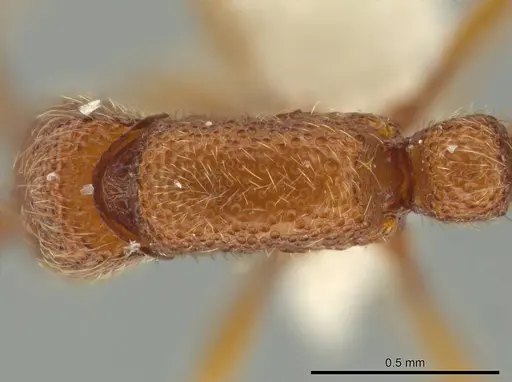
CASENT0644482
View on AntWeb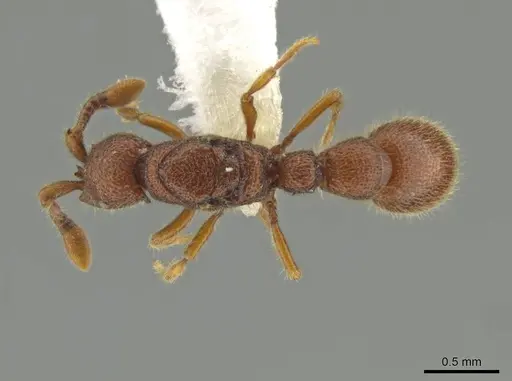
Literature
Loading distribution map...Loading products...