
Syscia parietalis
- Sci. Name
- Syscia parietalis
- Subfamily
- Dorylinae
- Author
- Longino & Branstetter, 2021
- Distribution
- Found in 1 countries
Introduction
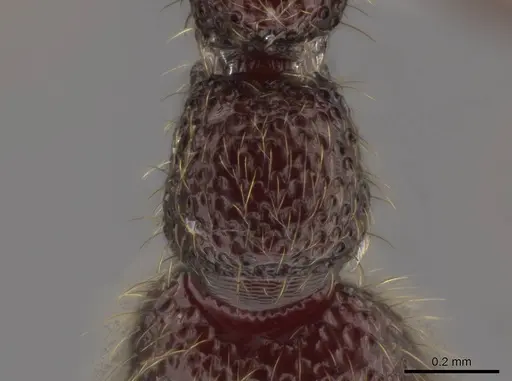
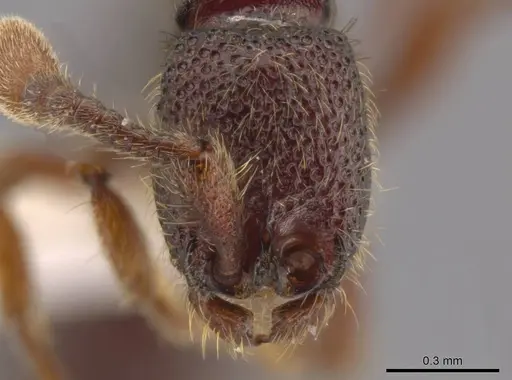
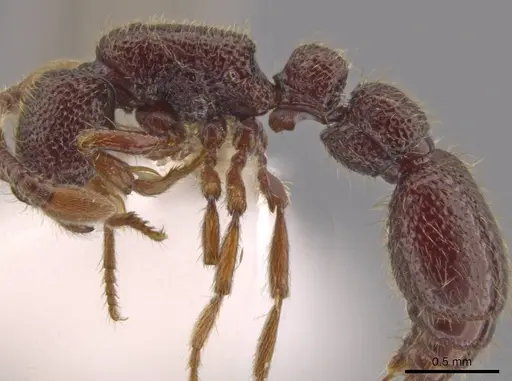
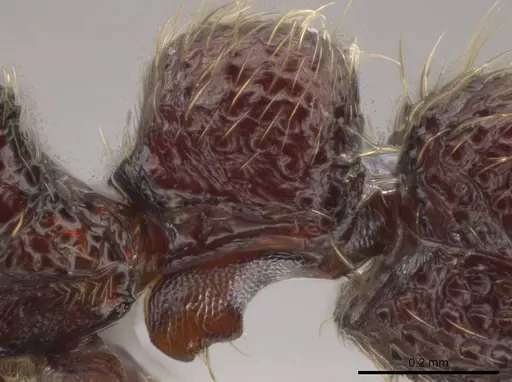
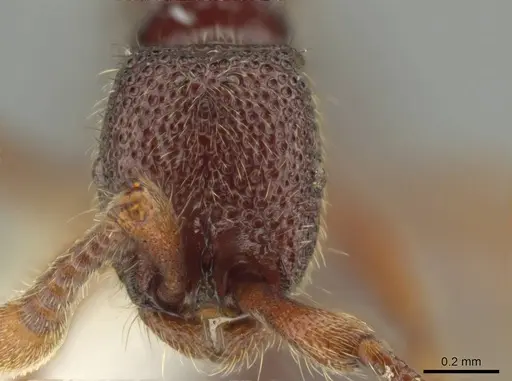
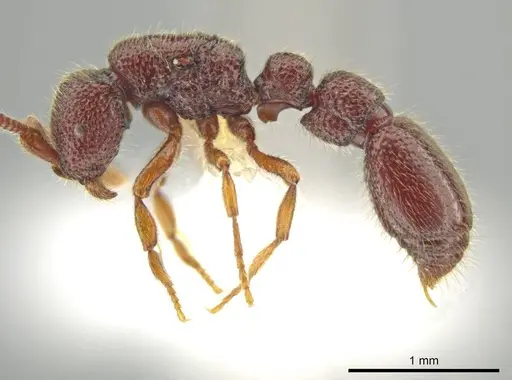
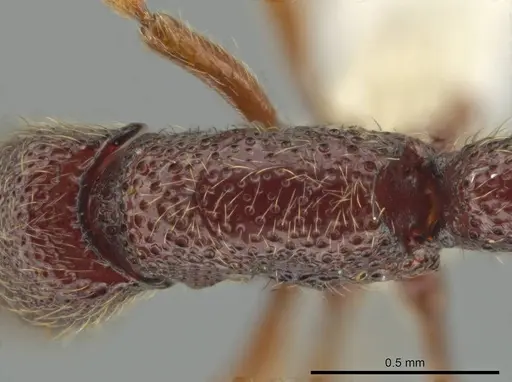
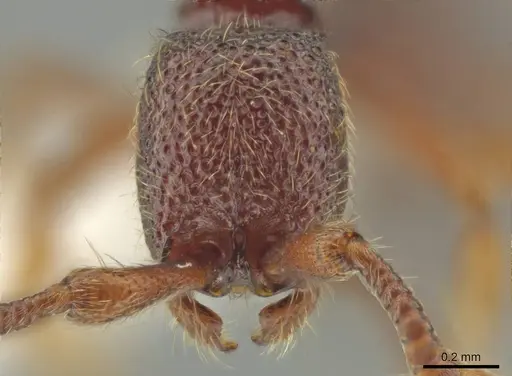
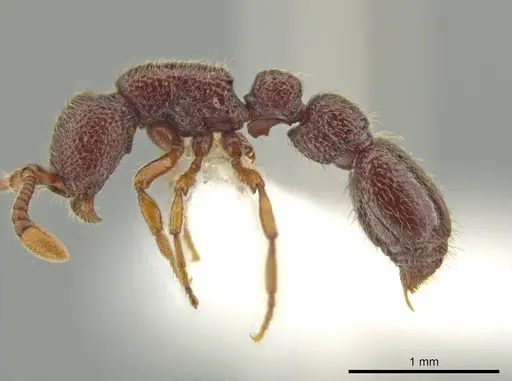
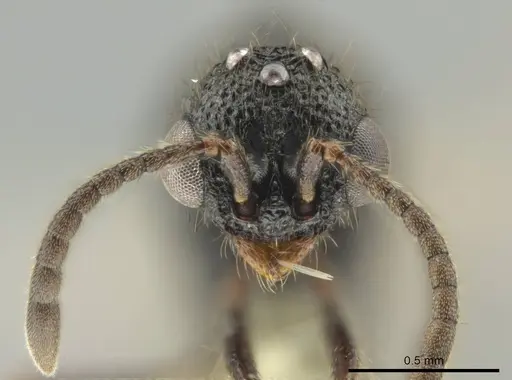
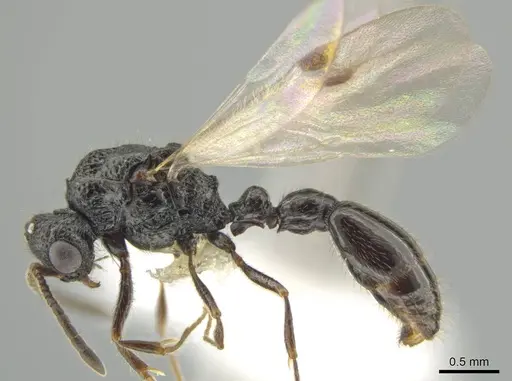
Syscia parietalis is a tiny army ant from the Dorylinae subfamily, described in 2021 from cloud forests in Honduras and Guatemala . Workers are very small (size data unavailable; only head measurements known) with a red-brown body and coarse standing hairs. The rear face of the propodeum (the middle part of the body) is completely encircled by a continuous ridge, and the abdomen has large spots with narrow spaces between them . These ants live in leaf litter and rotten wood on the forest floor, at elevations around 1100-1140 meters. The queen is brachypterous - she has short wings and cannot fly, which affects how colonies spread .
Quick Summary
- Difficulty: Expert
- Origin & Habitat: Native to Honduras and Guatemala, specifically the cloud forests of Comayagua region at PN Cerro Azul Meambar (1140m elevation). Found in mesophyll cloud forest and pine-Liquidambar forest, living in forest floor leaf litter and rotten wood [1].
- Colony Type: Colony structure is not well documented. The queen is brachypterous (wingless), which suggests colony foundation may differ from fully winged queen species. Workers and queen were collected together from leaf litter, indicating established colonies in the wild [1].
- Size & Growth:
- Queen: Size data unavailable. Only head measurements known, but body length is not recorded.
- Worker: Size data unavailable. Only head measurements known, but body length is not recorded.
- Colony: Unknown, no colony size data available
- Growth: Unknown, no development data available
- Development: Unknown, no direct development data for this species (Based on typical Dorylinae patterns and their tiny size, development may be relatively fast, but this is an estimate. More research is needed.)
- Antkeeping:
- Temperature: Cloud forest species, keep cool to moderate, likely around 18-22°C. Avoid warm conditions. Provide a temperature gradient if possible [1].
- Humidity: High humidity required, think damp forest floor. Keep the nest substrate consistently moist but not waterlogged. These ants live in leaf litter and rotten wood in nature, which maintains constant moisture [1].
- Diapause: Unknown, no data on overwintering requirements. As a tropical cloud forest species, they likely do not require true hibernation, but may have seasonal activity patterns.
- Nesting: Natural nesting is in forest floor leaf litter and rotten wood. In captivity, a naturalistic setup with moist substrate (like a mixture of soil and rotting wood material) works well. Test tubes with cotton may be too exposed, a small plaster or Y-tong nest with tight chambers scaled to their tiny size is appropriate.
- Behavior: This is a tiny, cryptic leaf litter species. They are likely predatory like other Dorylinae, hunting small invertebrates in the leaf litter layer. Workers are small enough to be easily overlooked and require excellent escape prevention, they can squeeze through extremely small gaps. Temperament is likely shy and reclusive rather than aggressive. Activity level is probably low to moderate, typical of leaf litter dwelling ants.
- Common Issues: escape prevention is critical, their tiny size means they can squeeze through standard barrier setups, no captive breeding data exists, this species has never been kept in captivity before, humidity control is challenging, too dry kills them, too wet causes mold, predatory diet may be difficult, they likely need small live prey, virtually no information on founding behavior or colony growth in captivity
Discovery and Taxonomy
Syscia parietalis was only described in 2021 by Longino and Branstetter, making it a very recently named species [1]. The species was identified using DNA analysis (UCE genomics), which showed it was a distinct species [1]. The type specimens come from Cerro Azul Meambar in Honduras, with additional specimens from Guatemala [1]. The queen is brachypterous, she has tiny, non-functional wings, which is rare among ants and affects how colonies spread [1].
Natural History and Habitat
In the wild, Syscia parietalis lives in cloud forest at elevations around 1100-1140 meters [1]. It has been found in both mesophyll cloud forest and pine-Liquidambar forest, so it can handle different forest types as long as conditions are humid and shaded [1]. All specimens were collected from sifted leaf litter and rotten wood using Winkler extractors, a common method for sampling tiny ground-dwelling ants [1]. One male was caught in a Malaise trap and linked to workers using DNA matching, confirming that these ants reproduce sexually [1]. The red-brown color helps them blend into the damp, decaying leaf litter.
Housing and Setup
Because this is a newly described species with no captive history, housing advice is based on its natural habitat and what works for similar tiny Dorylinae. A naturalistic setup is ideal, a small container with several inches of moist substrate (a mix of soil, sand, and rotting wood) allows the ants to create their own tunnels like they would in leaf litter [1]. The substrate should stay consistently damp but never waterlogged. A small plaster or Y-tong nest with tight chambers can also work, but make sure the chambers are appropriately sized for these tiny ants. Escape prevention is absolutely critical because of their minute size. Use fine mesh on any ventilation holes and apply fluon or other barriers to all edges. A humidity dome or covering helps maintain the moisture levels they need.
Feeding and Diet
As a Dorylinae species, Syscia parietalis is likely predatory on small invertebrates, typical of army ants and their relatives. In captivity, offer small live prey such as springtails, fruit flies, and other tiny arthropods. They are probably not interested in sugar sources like honey or sugar water, their diet is likely entirely protein-based. The tiny worker size (body length unknown but head width ~0.6 mm) means their prey must be correspondingly small. Offer prey items every few days and remove any uneaten portions to prevent mold. Since this species has never been kept in captivity, start with springtails as they are the most likely to be accepted by similar leaf litter ants. [1]
Temperature and Seasonal Care
Keep these ants cool compared to typical tropical species, aim for 18-22°C, reflecting their cloud forest origin [1]. Avoid any heating elements unless your room temperature falls below 18°C. They come from a stable, mild climate at altitude and do not tolerate heat well. There is no data on whether they require any dormancy period. As a tropical cloud forest species, they likely remain active year-round without hibernation. However, seasonal variations in activity may occur, you might notice reduced activity during "winter" months even without temperature drops. Monitor your colony and adjust care based on their behavior rather than fixed schedules.
Frequently Asked Questions
Is Syscia parietalis a good species for beginners?
No. This is an expert-level species because it was only described in 2021 and has never been kept in captivity before. There is no established care protocol, no captive breeding data, and no information on what they will or won't accept in captivity. You should have significant experience with other ant species before attempting this one.
How big do Syscia parietalis colonies get?
Unknown. No colony size data exists for this species in the wild or captivity. Based on their tiny size and leaf litter dwelling habits, colonies are likely relatively small, possibly under 500 workers. More research is needed.
What do Syscia parietalis ants eat?
Likely small predatory insects and arthropods. As a Dorylinae (army ant subfamily), they are probably predators rather than seed-eaters or honeydew feeders. Offer small live prey like springtails, fruit flies, and other tiny invertebrates. Sugar sources are unlikely to be accepted.
Can I keep multiple Syscia parietalis queens together?
Unknown. The colony structure of this species has not been studied. The queen is brachypterous (cannot fly), which suggests limited dispersal ability, but whether colonies are single-queen or multi-queen is unconfirmed. Do not attempt combining unrelated queens without established protocols.
How long does it take for Syscia parietalis to go from egg to worker?
Unknown. No development data exists for this species. Based on typical Dorylinae patterns and their tiny size, development may be relatively fast (4-8 weeks at optimal temperature), but this is purely an estimate. More research is needed.
What temperature do Syscia parietalis ants need?
Keep them cool at 18-22°C. This reflects their cloud forest origin at 1100 m elevation in Honduras and Guatemala. Avoid warm conditions entirely, they are not a tropical lowland species and will not tolerate heating. Room temperature is often ideal.
Do Syscia parietalis need hibernation?
Unknown. As a tropical cloud forest species from relatively constant mild conditions, they likely do not require true hibernation. However, no research exists on their seasonal requirements. Monitor your colony's activity and adjust care accordingly.
Why are my Syscia parietalis dying?
Without any captive data, diagnosing problems is extremely difficult. Common issues likely include: escape (they are tiny), drying out (they need high humidity), overheating (they need cool temperatures), and starvation (they need appropriate small live prey). This species is not established in captivity, so expect a learning curve.
When will Syscia parietalis be available for sale?
Unknown. This species was only described in 2021 and has rarely, if ever, been kept in captivity. It may be years before captive-bred colonies become available. Wild-caught colonies would be extremely difficult to obtain given their tiny size and remote cloud forest habitat.
Report an Issue
The current care sheet is based fully on literature. See inconsistencies, or something that's incorrect? Please , it will be resolved after review from an admin. Contributing to the blogs tab also helps providing information, to make us be able to further improve the caresheets. Thank you for your support!
References

This caresheet is licensed under CC BY-SA 4.0 .
Community Blogs
CASENT0603705
View on AntWeb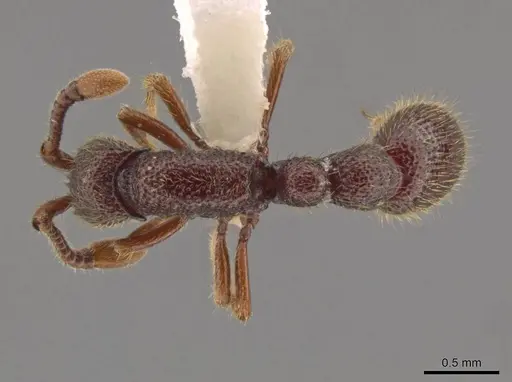
CASENT0617089
View on AntWeb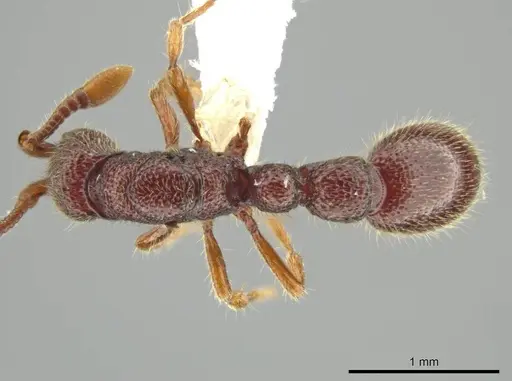
CASENT0617110
View on AntWeb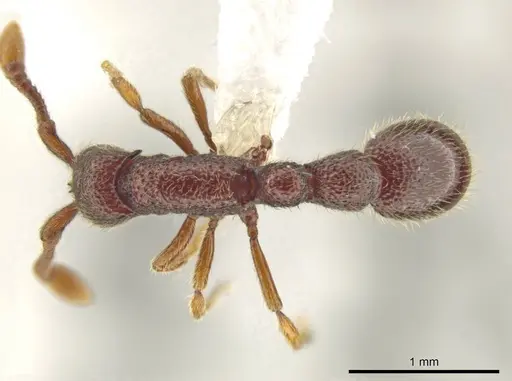
CASENT0617722
View on AntWeb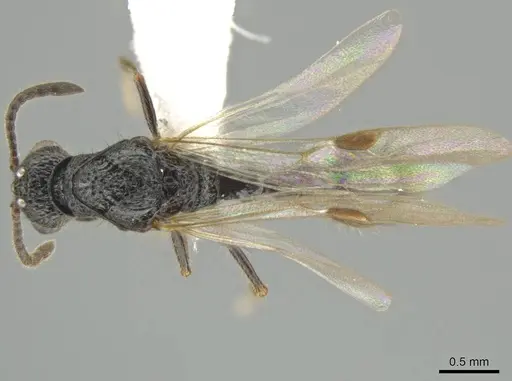
Literature
Loading distribution map...Loading products...