
Syscia lacandona
- Sci. Name
- Syscia lacandona
- Subfamily
- Dorylinae
- Author
- Longino & Branstetter, 2021
- Distribution
- Found in 1 countries
Introduction
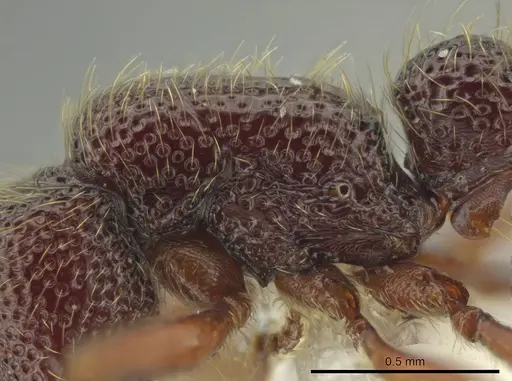
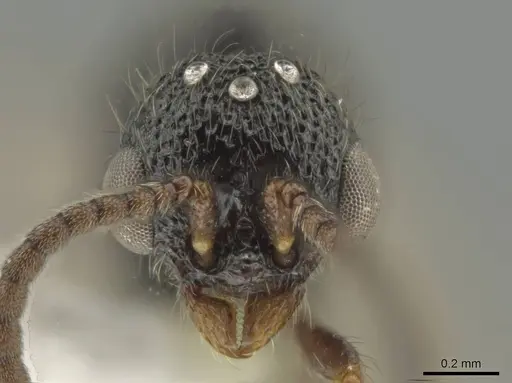
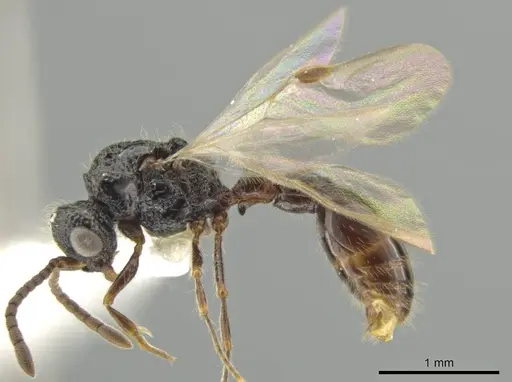
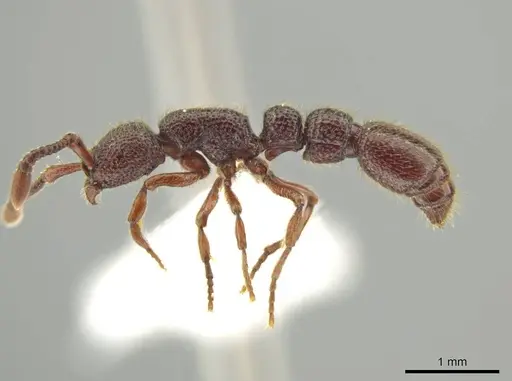
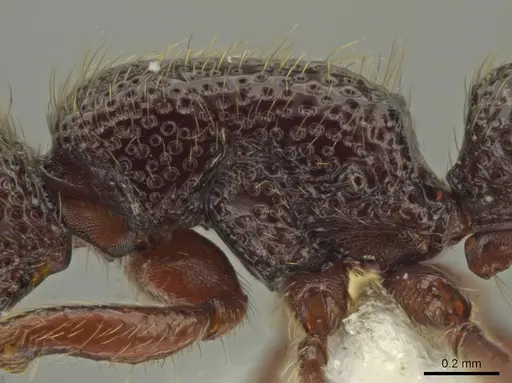
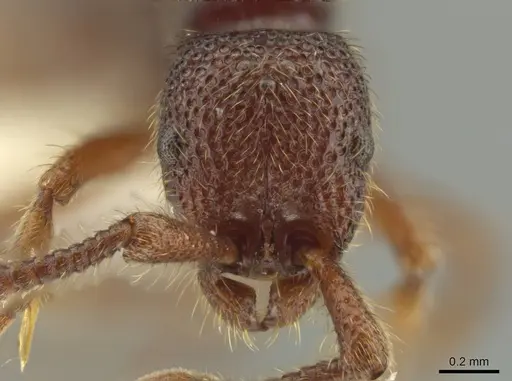
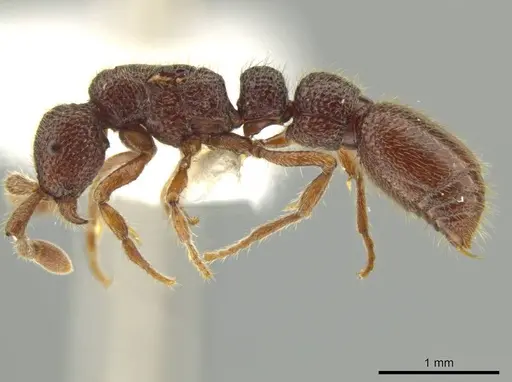
Syscia lacandona is a tiny army ant species described in 2021 from the montane wet forests of Chiapas, Mexico . Workers are minute, with total body length roughly 2-3 mm when inferred from related Dorylinae, and have a dark brown color . This species belongs to the subfamily Dorylinae, the army ants, which are typically predatory and forage in organized groups. It was discovered through Winkler sampling of sifted leaf litter at 950 meters elevation in montane wet forest, showing it lives in the forest floor layer . The queen is brachypterous (short-winged), which suggests limited dispersal and local colony establishment .
Quick Summary
- Difficulty: Expert, this species requires constant live prey, high humidity, and impeccable escape proofing due to tiny size. Not recommended for beginners.
- Origin & Habitat: Native to the montane wet forests of Chiapas, Mexico, at elevations up to 950 meters. Found in lowland to lower montane tropical forest, where it inhabits leaf litter and soil [1].
- Colony Type: Likely single-queen (monogyne) based on typical Dorylinae patterns, though colony structure is not explicitly documented. The queen is brachypterous, indicating limited dispersal and local colony formation [1].
- Size & Growth:
- Queen: Total length not reported, queen is slightly larger than workers based on mesosoma length, but precise body size is unavailable [1].
- Worker: Total length roughly 2-3 mm when inferred from related Dorylinae, but exact measurement not given [1].
- Colony: Unknown in captivity, based on related Dorylinae, likely reaches several hundred workers [1] (inferred).
- Growth: Moderate, inferred from typical Dorylinae development [1] (inferred).
- Development: 6-10 weeks, estimated based on typical Dorylinae development at tropical temperatures [1] (inferred from genus patterns). (Development timeline is not directly studied for this species. Estimates based on related army ant species.)
- Antkeeping:
- Temperature: Keep at 22-26°C. These are tropical montane ants from Chiapas, Mexico, which experiences warm temperatures year-round. Provide a gentle temperature gradient allowing ants to self-regulate [1] (inferred from habitat).
- Humidity: High humidity is essential, think damp forest floor. Keep the nest substrate consistently moist but not waterlogged. Provide a water tube as a moisture source and mist occasionally. Montane wet forests are consistently humid environments [1] (inferred from habitat).
- Diapause: Unknown, no data on overwintering requirements. As a tropical species from southern Mexico, they likely do not require a true diapause but may show reduced activity during cooler or drier periods [1] (estimated).
- Nesting: Natural nesting occurs in soil and rotting wood within leaf litter. In captivity, a small test tube setup works well for founding. For established colonies, use a small plaster or Y-tong (AAC) nest with narrow chambers scaled to their tiny size. Provide moist substrate and avoid large open spaces, these are litter-dwelling ants that prefer tight, confined spaces [1] (inferred from collection method).
- Behavior: As a Dorylinae species, Syscia lacandona is predatory and likely forages in small groups or raids, similar to other army ants. They are tiny and target micro-prey like springtails, mites, and other tiny arthropods from leaf litter. Workers are about 2-3 mm, so escape prevention must be excellent, they can squeeze through small gaps. Temperament is likely moderate, they are not aggressive toward humans but will defend the colony. They do not sting (Dorylinae lack functional stingers) [1].
- Common Issues: tiny size makes escape likely without fine mesh barriers and tight seals, high humidity needs can lead to mold if ventilation is poor, strictly predatory diet requires constant access to live small prey (e.g., springtails, fruit flies), colony development is undocumented, growth rate is assumed moderate, requiring patience, brachypterous queen may limit natural colony founding options, captive propagation not documented
Housing and Nest Setup
Syscia lacandona is a tiny litter-dwelling ant that needs careful housing. Given their minute size (roughly 2-3 mm), standard test tube setups work well for founding colonies. Use a small diameter test tube with a tight-fitting cotton stop, these ants can squeeze through surprisingly small gaps. For established colonies, a small plaster or Y-tong nest with narrow chambers scaled to their size is ideal [1]. The nest should maintain consistently high humidity while allowing some dry areas for the ants to self-regulate. Avoid large, open formicaria, these are not bold ants that roam openly. A naturalistic setup with moist soil and leaf litter fragments can mimic their forest floor habitat [1]. Always use excellent escape prevention: fine mesh on any openings and check lid seals regularly, as tiny ants can escape through gaps that would hold larger ants.
Feeding and Diet
As a Dorylinae army ant, Syscia lacandona is predatory and requires live prey. In the wild they hunt small arthropods in leaf litter, springtails, mites, tiny beetles, and other micro-invertebrates [1]. In captivity, offer small live prey such as fruit flies, small pinhead crickets, and most importantly, springtails. Springtails are an ideal staple because they match the natural prey size and are readily accepted. You can culture springtails separately to ensure a constant supply [1]. Other small live foods like microworms, copepods, and isopods can also be offered. Feed every 2-3 days, adjusting based on colony size. Remove uneaten prey after 24 hours to prevent mold. Sugar sources are not typically a significant part of Dorylinae diet, these are strict predators. However, you can occasionally offer a tiny drop of honey or sugar water, but do not rely on it as a primary food source [1] (inferred from Dorylinae biology).
Temperature and Seasonal Care
Syscia lacandona comes from the montane wet forests of Chiapas, Mexico, a region with warm temperatures year-round [1]. Keep the colony at 22-26°C, with a slight gradient allowing the ants to choose their preferred temperature. A heating cable on one side of the nest can create this gradient, place it on top of the nest, not underneath, to avoid excessive drying [1]. Room temperature within this range is often sufficient. Regarding diapause: as a tropical species from southern Mexico, they likely do not require a true hibernation period. However, they may show reduced activity during cooler months if your room temperature drops. Monitor colony behavior, if workers become less active and cluster together, a slight temperature reduction may be appropriate, but do not cool them dramatically [1] (estimated). Maintain humidity year-round as their montane forest habitat is consistently moist.
Colony Development and Growth
The colony development timeline for Syscia lacandona is not directly documented, but based on typical Dorylinae patterns, expect 6-10 weeks from egg to first worker at optimal temperatures [1] (inferred). The first workers will be small (nanitics), which is normal for claustral founding. Growth rate is moderate, army ant colonies can expand relatively quickly once established, but starting from a single queen means patience is required. The queen is brachypterous (short-winged), meaning she likely cannot fly to disperse widely [1]. This suggests colony founding may involve the queen establishing a nest locally, possibly with the assistance of early workers. Do not disturb the founding chamber for the first several weeks, queens need peace to raise their first brood. Once workers emerge, the colony enters a growth phase where brood production increases. Expect the colony to remain small (under 50 workers) for the first few months, then gradually expand [1] (inferred from Dorylinae biology).
Frequently Asked Questions
How long does it take for Syscia lacandona to raise first workers?
Expect 6-10 weeks from egg to first worker at optimal temperatures (22-26°C). This is an estimate based on typical Dorylinae development, as the specific timeline has not been documented for this species [1] (inferred from genus patterns).
Can I keep multiple Syscia lacandona queens together?
Not recommended. This species is likely monogyne (single-queen), and the queen is brachypterous, suggesting she establishes colonies locally. Combining unrelated queens has not been studied and could result in aggression [1] (inferred).
What do Syscia lacandona ants eat?
They are predatory army ants that need live prey. Feed small live insects like fruit flies, pinhead crickets, and most importantly, springtails. Springtails are an ideal staple as they match the natural prey size. Remove uneaten prey after 24 hours [1] (inferred from Dorylinae biology).
Are Syscia lacandona good for beginners?
This is an advanced species. They are tiny and require excellent escape prevention, high humidity, and a constant supply of live prey. They are not recommended for a first ant, but an experienced keeper with a reliable live prey supply may have success [1].
What size colony does Syscia lacandona reach?
Colony size in the wild is unknown. Based on related Dorylinae species, they likely reach several hundred workers. In captivity, expect moderate growth over many months to a year [1] (inferred from genus patterns).
Do Syscia lacandona need hibernation?
Probably not. As a tropical montane species from southern Mexico, they likely do not require a true diapause. They may show reduced activity during cooler periods, but no formal hibernation is needed [1] (estimated).
Why are my Syscia lacandona escaping?
These ants are tiny, workers are around 2-3 mm total length. They can squeeze through extremely small gaps. Use fine mesh on all openings, check lid seals regularly, and ensure any tubing connections are secure. Escape prevention must be excellent [1].
When should I move Syscia lacandona to a formicarium?
Keep them in a test tube setup for the founding stage. Once the colony reaches 30-50 workers and the test tube starts drying out or becoming cramped, move them to a small plaster or Y-tong nest with narrow chambers. Do not disturb the colony during the founding phase [1].
What humidity do Syscia lacandona need?
High humidity, they come from montane wet forests. Keep the nest substrate consistently moist but not waterlogged. Provide a water tube as a backup moisture source. Montane wet forests are humid environments year-round [1] (inferred from habitat).
Report an Issue
The current care sheet is based fully on literature. See inconsistencies, or something that's incorrect? Please , it will be resolved after review from an admin. Contributing to the blogs tab also helps providing information, to make us be able to further improve the caresheets. Thank you for your support!
References

This caresheet is licensed under CC BY-SA 4.0 .
Community Blogs
CASENT0609917
View on AntWeb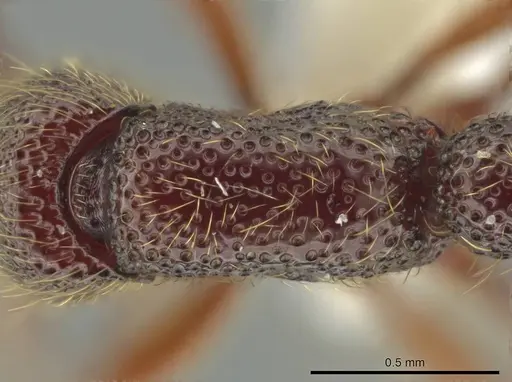
CASENT0630837
View on AntWeb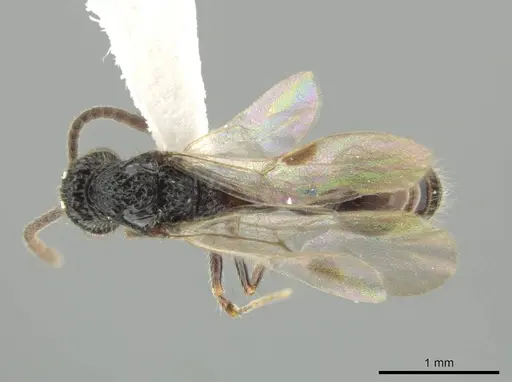
CASENT0644513
View on AntWeb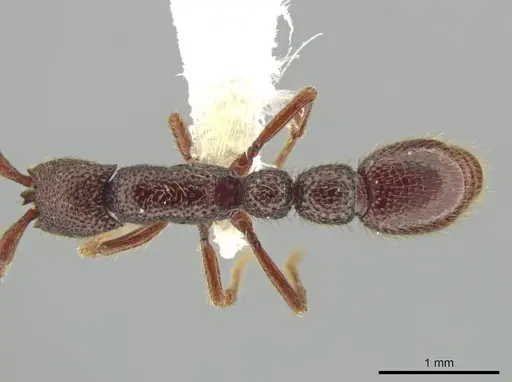
JTLC000009793
View on AntWeb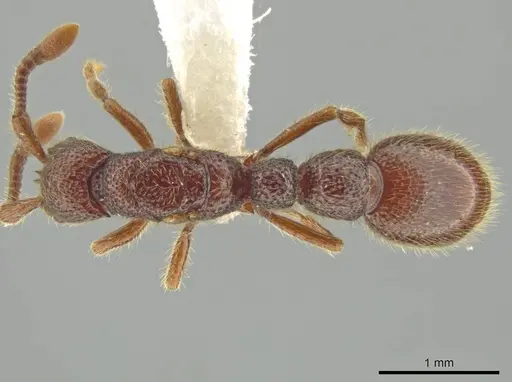
Literature
Loading distribution map...Loading products...