
Syscia disjuncta
- Sci. Name
- Syscia disjuncta
- Subfamily
- Dorylinae
- Author
- Longino & Branstetter, 2021
- Distribution
- Found in 2 countries
Introduction
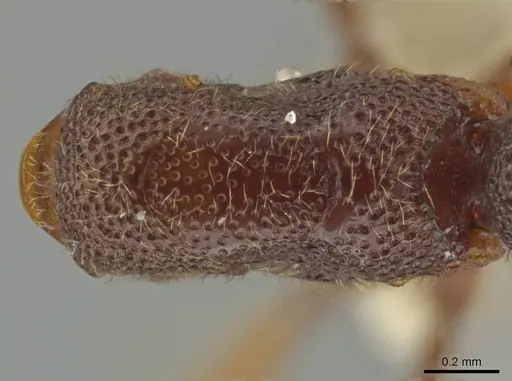
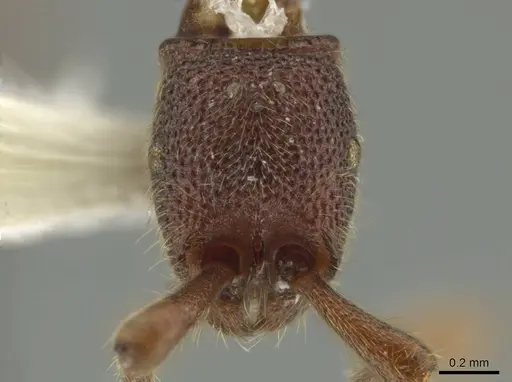
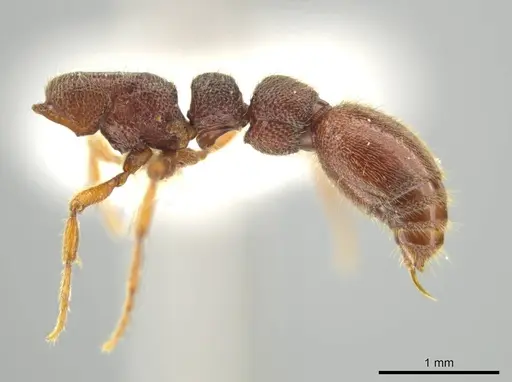
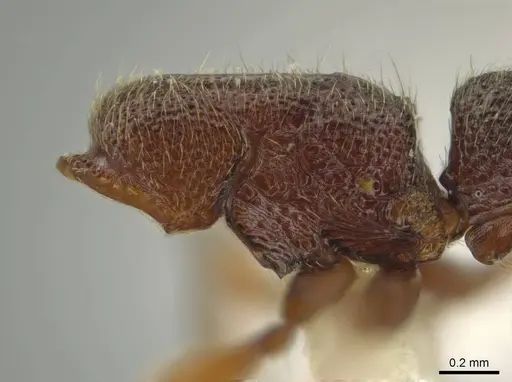
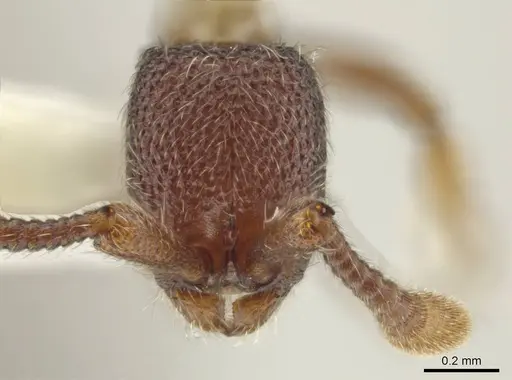
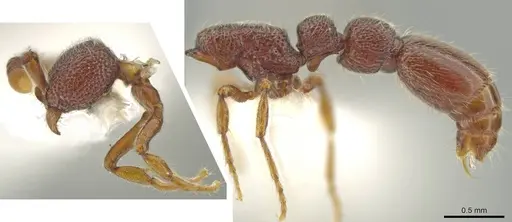
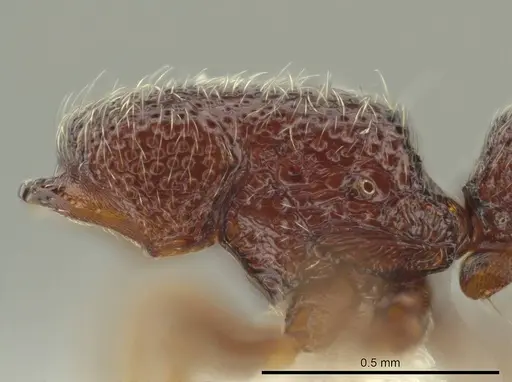
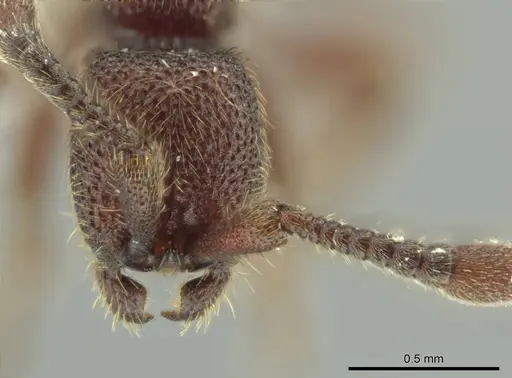
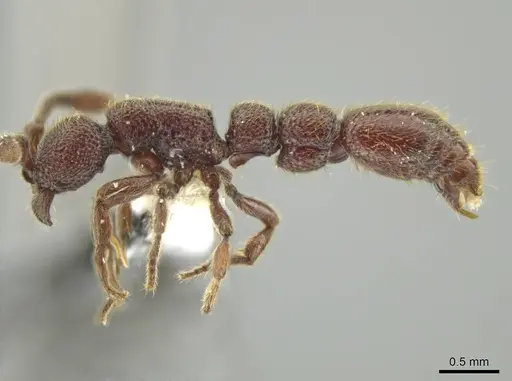
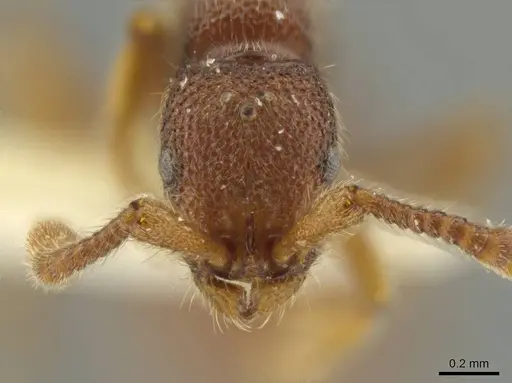
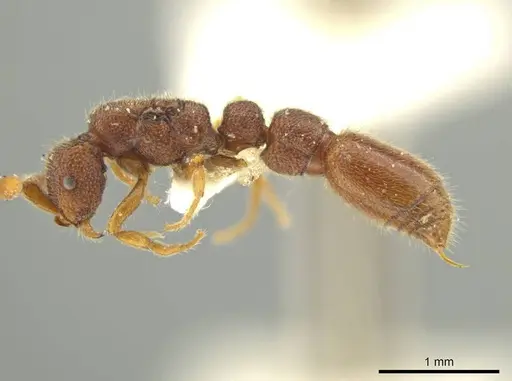
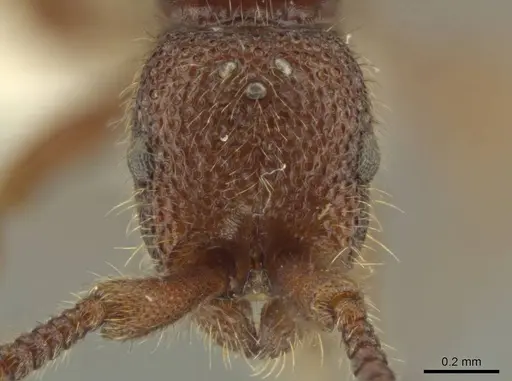
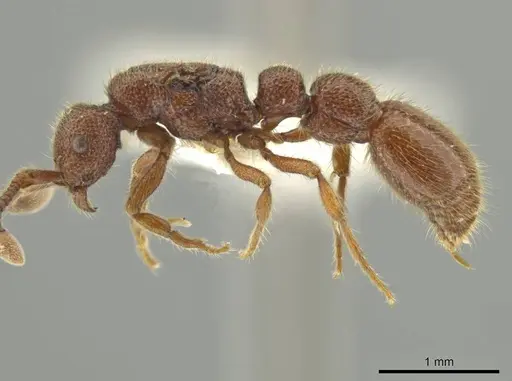
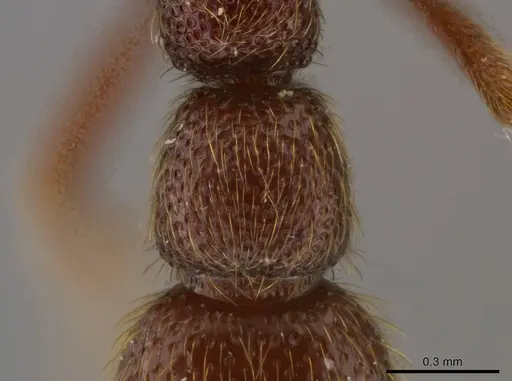
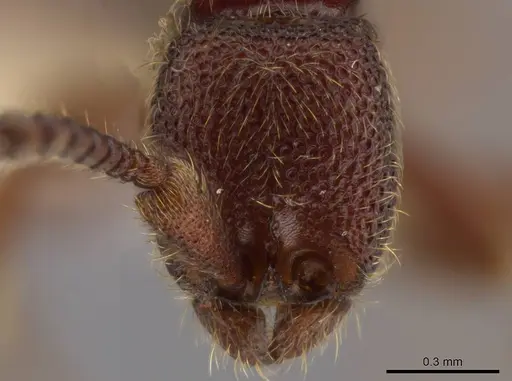
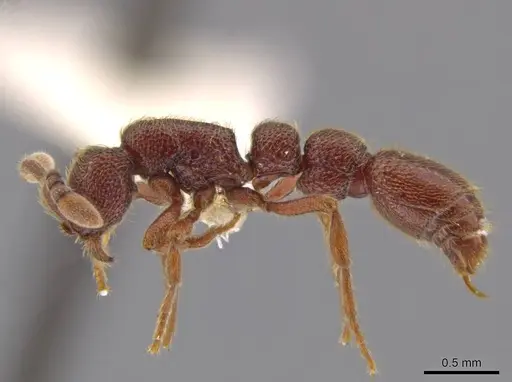
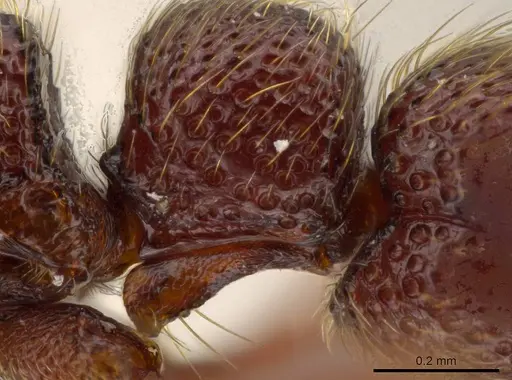
Syscia disjuncta is a tiny army ant species from the Dorylinae subfamily, described in 2021 from montane forests in Mexico and Costa Rica. Workers are extremely small - their head width is just 0.54-0.69mm - making them one of the smallest ants you might encounter. They are reddish-brown with a segmented abdomen. This species has a strongly disjunct distribution: populations in northern Mexico (Tamaulipas to Oaxaca) and a separate population in Costa Rica's Monteverde region, separated by over 1,500km . All specimens have been collected from forest floor leaf litter and rotten wood using Winkler or Berlese extraction . What makes this species special is its recent discovery through genetic analysis (UCE phylogenomics) combined with traditional taxonomy. It's a rare find in the antkeeping hobby, with no established captive care protocols. In the wild they live in montane wet forests at 930-1730m elevation, making their way through leaf litter and rotting wood on the forest floor . They are active predators - typical of army ants - and likely hunt small invertebrates in small groups.
Quick Summary
- Difficulty: Expert
- Origin & Habitat: Montane wet forests in northeastern Mexico (Tamaulipas to Oaxaca) and Costa Rica (Monteverde), elevation 930-1730m. Found in forest floor leaf litter and rotten wood [1].
- Colony Type: Colony structure is unconfirmed. Dealate (wingless, after shedding) queens and intercaste females have been collected, suggesting possible ergatoid (worker-like) queen replacement systems [1].
- Size & Growth:
- Queen: No total length recorded, head width 0.59-0.67mm [1]. Inferred as very small.
- Worker: No total length recorded, head width 0.54-0.69mm [1]. Inferred as very small.
- Colony: Unknown, based on related Syscia species, possibly up to a few hundred workers.
- Growth: Unknown, likely moderate based on typical Dorylinae patterns.
- Development: Unknown, estimated 6-10 weeks based on typical Dorylinae development at warm temperatures. (No direct development data exists for this species. Dorylinae typically develop faster than many other ants due to their predatory lifestyle.)
- Antkeeping:
- Temperature: 20-24°C is a good target. As a montane species from 1000-1700m elevation, they likely prefer cooler conditions. Provide a temperature gradient so workers can self-regulate [1].
- Humidity: Keep substrate consistently moist but not waterlogged. In the wild they inhabit damp leaf litter and rotting wood. The substrate should feel damp to the touch with some drier areas available [1].
- Diapause: Unknown. Montane species may experience seasonal temperature fluctuations. If kept in a temperate climate, a cool period of 10-15°C for 2-3 months might be beneficial, but this is experimental [1].
- Nesting: Naturalistic setup with leaf litter, small pieces of rotting wood, and moist substrate works best. Y-tong or plaster nests with very small chambers may work if sealed perfectly. Escape prevention is critical, workers are tiny and can exploit microscopic gaps [1].
- Behavior: As Dorylinae army ants, they are active predators that hunt small invertebrates in the leaf litter. They are likely secretive, staying within the substrate layer rather than surface-active. Workers are tiny but may show aggressive hunting behavior toward prey. Escape risk is extreme because of their minute size, they can squeeze through gaps invisible to the naked eye [1].
- Common Issues: escape prevention is critical, standard mesh and test tube plugs may not stop them, no captive care data exists, this is a newly described species with no established husbandry protocols, slow colony growth is likely, beginners may lose interest or overfeed, humidity control is tricky, too wet causes drowning, too dry causes desiccation, finding appropriate prey is difficult, they need microscopic live prey like springtails and soil mites
Housing and Escape Prevention
This is the most critical aspect of keeping Syscia disjuncta. Their tiny size means they can slip through gaps you cannot even see. Standard test tube setups with cotton plugs are generally inadequate. Use fine mesh (0.5mm or finer) on any ventilation holes. Seal all connections between outworld and nest with fluon or similar barriers. A naturalistic setup with a soil layer, leaf litter, and small rotting wood pieces mimics their forest floor habitat. If using a formicarium, ensure all seams are airtight, these ants will find any microscopic gap. The outworld also needs excellent barrier protection, as they are small enough to climb smooth surfaces if moisture is present [1].
Feeding and Diet
As Dorylinae army ants, Syscia disjuncta is predatory on small invertebrates. In captivity, their primary food should be live springtails, these are the right size and can be cultured continuously. Other acceptable prey includes soil mites, tiny isopods, and micro-arthropods found in compost. They are unlikely to accept sugar sources since army ants typically rely entirely on protein from prey. Feed small prey items every 2-3 days, adjusting based on colony size. Remove any uneaten prey after 24 hours to prevent mold. Do not offer large prey items, they cannot tackle prey much larger than themselves. The hunting behavior is interesting to watch as workers coordinate to subdue small prey [1].
Temperature and Seasonal Care
As a montane species from elevations around 1000-1700m in Mexico and Costa Rica, Syscia disjuncta likely prefers cooler temperatures than typical tropical ants. Aim for 20-24°C in the nest area, with a slight gradient allowing workers to self-regulate. Avoid temperatures above 28°C. Room temperature in most homes (20-23°C) should be suitable. If you need to warm the nest, use a heating cable on one side only, never heat the entire nest uniformly. Since this is a newly described species with no documented captive breeding, observe your colony's behavior for signs of stress. If workers cluster away from heat, reduce temperature. If they become sluggish, slightly increase warmth. A light misting of the outworld helps maintain humidity while allowing the nest area to remain slightly drier [1].
Colony Establishment
Establishing a colony of Syscia disjuncta presents unique challenges. Wild-caught colonies are the most realistic option since no captive breeding protocols exist. When collecting from the wild, look in moist leaf litter and rotting wood at elevations above 900m in their known range (northeastern Mexico or Costa Rica's Monteverde region). Transfer collected colonies to a naturalistic setup with forest floor substrate. Queens may be dealate (wingless after flight) or intercaste, and the colony structure is not well understood. Expect slow initial growth, founding colonies may take months to produce their first workers. Be patient and maintain stable conditions. The lack of captive data means you are essentially pioneering the husbandry of this species. Document your observations carefully, they will contribute to our understanding of this rare ant [1].
Understanding This Species
Syscia disjuncta was described in 2021,making it one of the newest ant species available to keepers. Its discovery came through genetic analysis (UCE phylogenomics) that revealed it was distinct from other Syscia species despite looking similar morphologically. The species has a remarkable disjunction: populations in northern Mexico are separated from the Costa Rica population by over 1500km, with no known intermediate populations. UCE results suggest the northern populations are paraphyletic relative to the Monteverde collection, indicating a complex evolutionary history [1]. All specimens have been collected using Winkler and Berlese extraction from forest floor samples, meaning this ant is rarely seen by humans in the wild. This makes it a truly exotic species to keep, you are caring for an ant that was only scientifically described four years ago [1].
Frequently Asked Questions
How long does it take for Syscia disjuncta to produce first workers?
The egg-to-worker timeline is unconfirmed for this species. Based on typical Dorylinae development, expect 6-10 weeks at optimal warm temperatures. However, since this is a newly described species with no captive breeding records, actual development time is unknown [1].
Can I keep Syscia disjuncta in a test tube?
Test tubes are not recommended. Their tiny size allows them to escape through the cotton plug and any microscopic gaps in the connection. A naturalistic setup with fine mesh covering, or a carefully sealed formicarium with sub-1mm chamber dimensions, is necessary. Escape prevention should be your top priority [1].
Do Syscia disjuncta ants sting?
Dorylinae ants have functional stingers, but the sting of these tiny ants would be negligible to humans. Their small size means any sting would be barely perceptible. They are more likely to flee than to sting defensively [1].
What do Syscia disjuncta eat?
They are predatory army ants that hunt small invertebrates. Feed live springtails as a primary food source. Other acceptable prey includes soil mites, tiny isopods, and micro-arthropods. They are unlikely to accept sugar or honey water. Avoid offering prey items larger than the ants themselves [1].
Are Syscia disjuncta good for beginners?
No. This is an expert-level species due to several factors: their extremely tiny size makes escape prevention critical and difficult, no captive care protocols exist since the species was only described in 2021,appropriate prey (springtails) requires culturing, and humidity control is challenging. Consider starting with more established species like Lasius or Tetramorium before attempting Syscia [1].
How big do Syscia disjuncta colonies get?
Colony size is unknown. Based on related Syscia and Dorylinae species, colonies likely reach 100-500 workers. They are not among the large army ant species [1].
Do Syscia disjuncta need hibernation?
Diapause requirements are unconfirmed. As a montane species from elevations around 1000-1700m, they likely experience seasonal temperature variations in the wild. If keeping in a temperate climate, a cool period of 10-15°C for 2-3 months during winter may be beneficial, but this is not confirmed. Monitor colony activity and adjust based on behavior [1].
Why are my Syscia disjuncta dying?
Common causes include: escape through microscopic gaps, desiccation from dry substrate, drowning from overly wet conditions, lack of appropriate live prey, and temperature stress from being too hot or too cold. Since no captive protocols exist, troubleshooting requires careful observation and documentation of what works [1].
Can I keep multiple queens together?
Colony structure is unconfirmed. Multiple queens (polygyne) has not been documented for this species. Do not attempt combining unrelated queens, there is no data on whether they will tolerate each other. Keep only one queen per setup until more is known [1].
Where can I get Syscia disjuncta?
This species is extremely rare in the antkeeping hobby. Wild collection is the most realistic option, requiring collecting permits in their native range (Mexico and Costa Rica). They are not commercially available from most ant suppliers. If available, expect high prices due to their rarity and difficulty to keep [1].
Report an Issue
The current care sheet is based fully on literature. See inconsistencies, or something that's incorrect? Please , it will be resolved after review from an admin. Contributing to the blogs tab also helps providing information, to make us be able to further improve the caresheets. Thank you for your support!
References

This caresheet is licensed under CC BY-SA 4.0 .
Community Blogs
CASENT0640943
View on AntWeb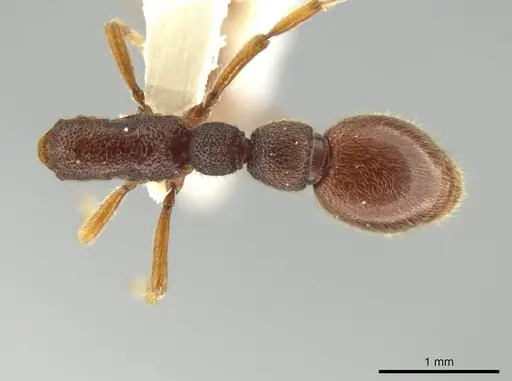
CASENT0644247
View on AntWeb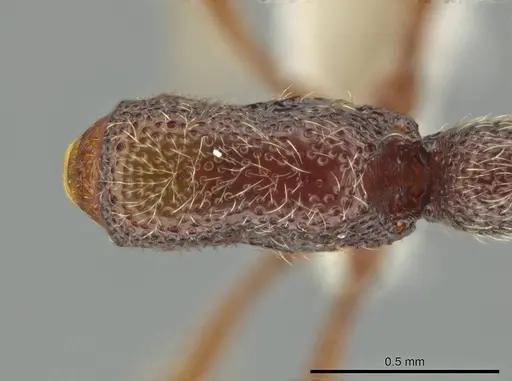
CASENT0644394
View on AntWeb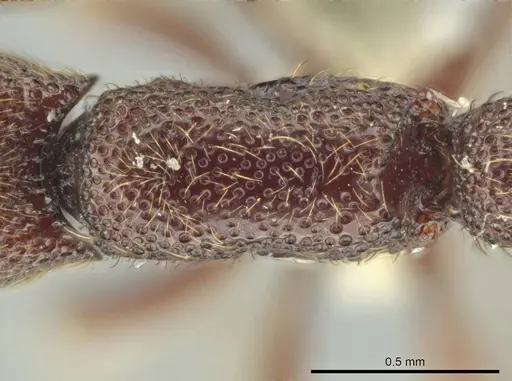
CASENT0644503
View on AntWeb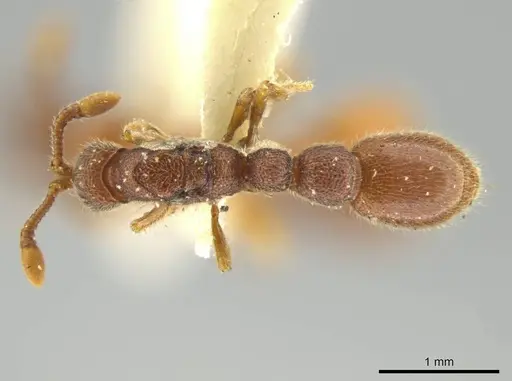
CASENT0644528
View on AntWeb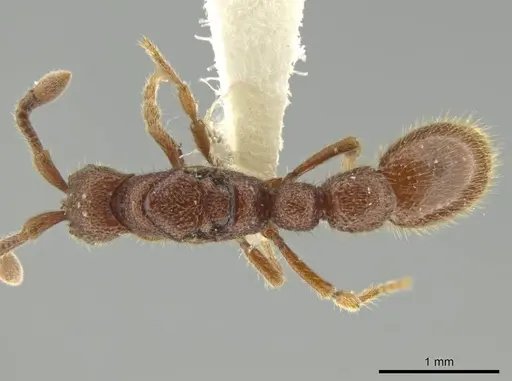
INBIOCRI001281325
View on AntWeb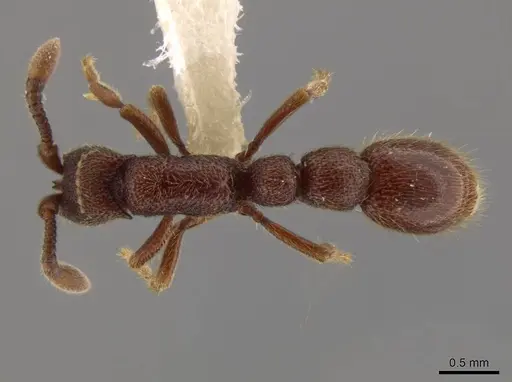
Literature
Loading distribution map...Loading products...