
Syscia boudinoti
- Sci. Name
- Syscia boudinoti
- Subfamily
- Dorylinae
- Author
- Longino & Branstetter, 2021
- Distribution
- Found in 1 countries
Introduction
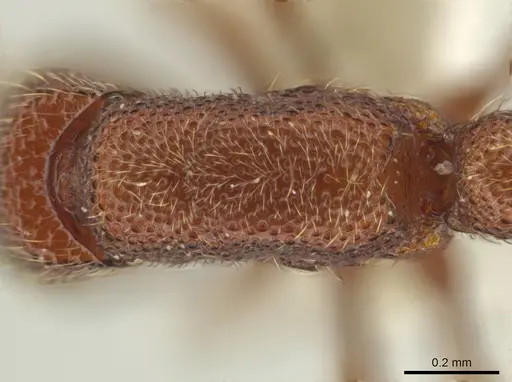
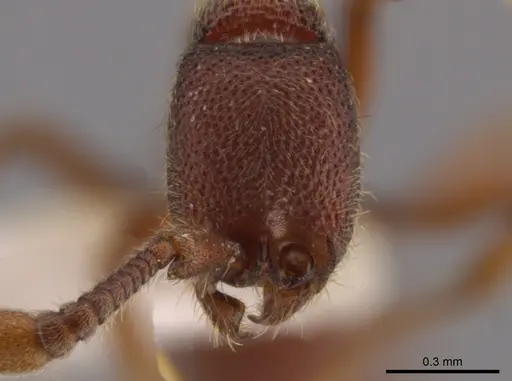
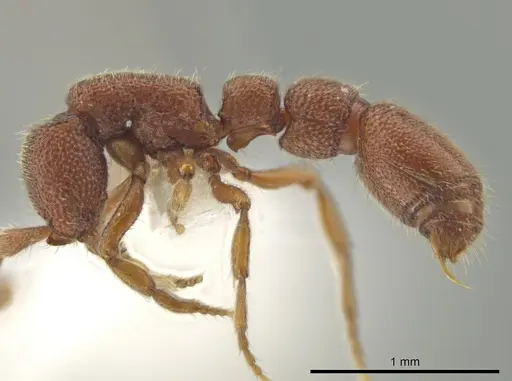
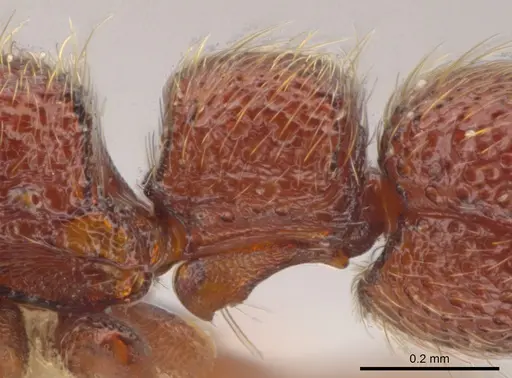
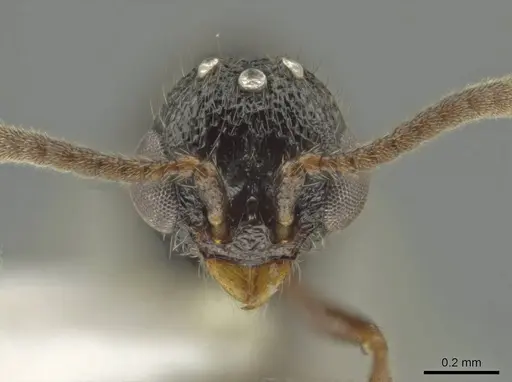
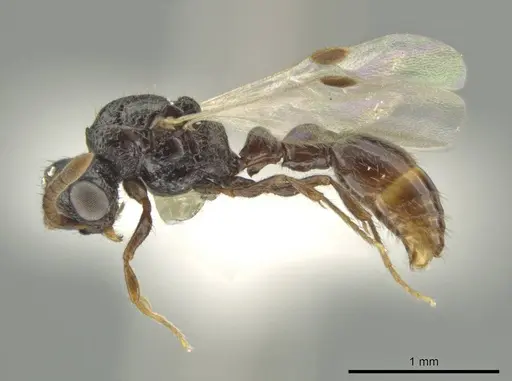
Syscia boudinoti is a tiny, recently described (2021) species of Dorylinae ant from the New World . Workers are orange-brown and were collected from lowland moist to wet tropical rainforest leaf litter and rotten wood in Honduras and Guatemala . They are among the smallest ants in the region, but exact body length has not been published from the available sources. This ant is a cryptic leaf-litter specialist, living hidden in the forest floor layer. As a Dorylinae, it is assumed predatory, but specific husbandry data are absent. Keeping this species will require experimentation and careful research.
Quick Summary
- Difficulty: Expert
- Origin & Habitat: Honduras and Guatemala – lowland moist to wet tropical rainforest, found in forest floor litter and rotten wood [1]
- Colony Type: Colony structure is unconfirmed. No queens or males have been described yet in the available sources.
- Size & Growth:
- Queen: Queen size is undocumented in available sources
- Worker: Size data unavailable – no total length measurements have been provided in the available context
- Colony: Unknown – only a few workers were described in the type series [1]
- Growth: Unknown
- Development: Unconfirmed – no observations exist in available sources. Development time is speculative. (Development timeline is entirely unknown.)
- Antkeeping:
- Temperature: Keep warm (24–28°C) as a lowland tropical species. Do not go below 22°C
- Humidity: High – keep substrate consistently moist but not waterlogged. Mimic a damp forest floor [1]
- Diapause: Unlikely – tropical lowland species, no diapause expected. Keep conditions stable year-round
- Nesting: Use a small test tube or naturalistic container with moist substrate and leaf litter. Their minute size means chambers must be tiny. Standard formicaria are too large. Ensure excellent escape prevention.
- Behavior: Extremely cryptic. They will remain hidden in the substrate. Escape risk is high due to their tiny size (they can pass through gaps invisible to the naked eye). Not aggressive, but fragile. Handle with care.
- Common Issues: escape prevention is critical – their tiny size means they can slip through the smallest gaps, no established care guidelines exist – expect a steep learning curve, high humidity requirements can cause mold if ventilation is poor, they need tiny live prey (springtails, mites) – culturing prey is necessary, extremely fragile – they can be crushed easily during maintenance
Housing and Setup
Because Syscia boudinoti workers are extremely tiny and cryptic, they need small, dark, humid spaces. A narrow test tube with a water reservoir works for a small group. For larger groups, use a naturalistic container with moist substrate (a mix of soil and rotting leaf pieces) to allow tunneling. Do not use standard formicaria – their chambers will be too large and dry. Escape prevention is absolutely critical: their tiny bodies can slip through any gap, even between test tube cotton and glass. Use fluon or PTFE barriers on all walls [1].
Feeding and Diet
As a likely predatory Dorylinae, Syscia boudinoti will need tiny live prey. Springtails (Collembola) are the best option – they are small enough to be caught and abundant. Other micro-arthropods such as soil mites, tiny potworms, and fruit fly larvae may also work. Do not offer large insects – they cannot subdue them. Provide fresh prey every few days and remove leftovers to prevent mold. Sugar sources are unlikely to be accepted [1].
Temperature and Humidity
This species comes from lowland tropical rainforest, so keep the nest warm and humid. Target 24–28°C with a slight gradient. Use a heating cable on one side if needed. Do not let the temperature drop below 22°C for long. Humidity should be high – the nest substrate must stay damp but not waterlogged. A water tube or dish helps. Cover part of the setup to reduce evaporation. Good ventilation is still needed to avoid mold growth [1].
Colony Establishment
There are no published reports of captive founding. If you obtain a queen (unknown size), she would likely seal herself in a small chamber. Do not disturb her for several weeks. Expect the first workers to be extremely tiny. Growth will likely be slow. Maintenance should be minimal – these ants are highly sensitive to disturbance. Check only when necessary and with a red filter to reduce light stress [1].
Behavior and Temperament
Syscia boudinoti is extremely shy and stays hidden. You will rarely see them on the surface – they forage within their substrate tunnels. They are not aggressive toward humans. Their tiny size makes them fragile, any nest maintenance must be done with great care. Escape prevention is crucial because they can exit through gaps that seem sealed to larger ants [1].
Frequently Asked Questions
How long does it take for Syscia boudinoti to produce first workers?
This is unknown. No development timeline has been recorded for this species. Estimates from related Dorylinae are unreliable.
Can I keep Syscia boudinoti in a test tube?
Yes, a narrow test tube works well. But you must seal it very carefully – standard cotton may not be tight enough. Use a fluon barrier around the rim.
What do Syscia boudinoti ants eat?
They need tiny live prey. Springtails are ideal. They will not accept dry cat food or honey. You must culture live springtails or other micro-arthropods.
Are Syscia boudinoti good for beginners?
No. This species is not recommended for beginners. It was only described in 2021 and has no established care guidelines. Their tiny size makes them escape-prone and fragile. They also require specialized live prey.
Do Syscia boudinoti need hibernation?
No – they are tropical lowland ants. Keep them warm year-round. Diapause is not expected.
How big do Syscia boudinoti colonies get?
Unknown. Only a handful of workers have been collected. Related leaf-litter species may stay under 100 workers, but this is speculative.
Why can't I see my Syscia boudinoti ants?
This is normal. They are cryptic and stay hidden in the substrate. They will not forage on the surface. You may only see them if you carefully disturb the nest.
When should I move Syscia boudinoti to a formicarium?
It is better to keep them in a test tube or naturalistic container. Traditional formicaria have chambers that are too large. If you must move them, wait until you have at least 20–30 workers and use a very small nest.
Can I keep multiple queens together?
This is not documented. Do not attempt combining queens – the colony structure is unknown. Keep single queens until more is known.
Report an Issue
The current care sheet is based fully on literature. See inconsistencies, or something that's incorrect? Please , it will be resolved after review from an admin. Contributing to the blogs tab also helps providing information, to make us be able to further improve the caresheets. Thank you for your support!
References

This caresheet is licensed under CC BY-SA 4.0 .
Community Blogs
CASENT0628997
View on AntWeb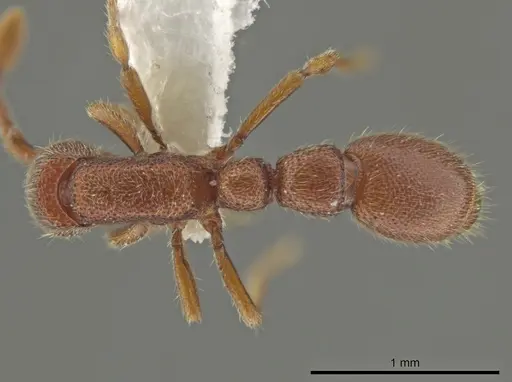
CASENT0630833
View on AntWeb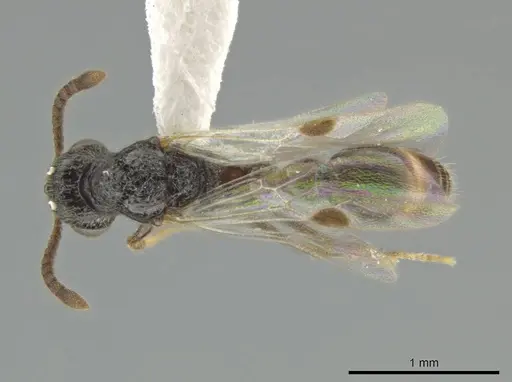
Literature
Loading distribution map...Loading products...