
Syscia atitlana
- Sci. Name
- Syscia atitlana
- Subfamily
- Dorylinae
- Author
- Longino & Branstetter, 2021
- Distribution
- Found in 2 countries
Introduction
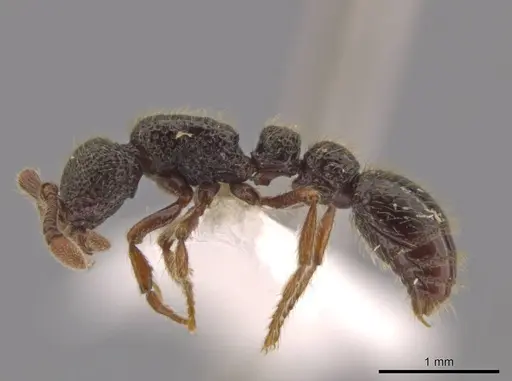
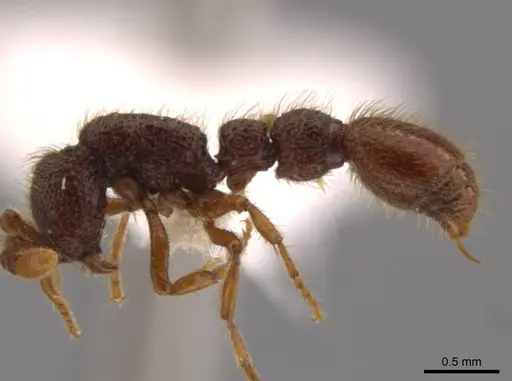
Syscia atitlana is a tiny army ant known only from montane forests in Mexico (Chiapas) and Guatemala . It was described in 2021 from workers collected in oak forest leaf litter at around 1838 m elevation . No queens or males have been found, so almost everything about how this ant lives is a mystery. For antkeepers, this makes it a true challenge, you're working with a species that has no established care protocols.
Quick Summary
- Difficulty: Expert
- Origin & Habitat: Montane wet forests of southern Mexico (Chiapas) and Guatemala, at elevations of 1475-1850 m, in oak forest leaf litter and rotten wood [1].
- Colony Type: Unknown, only workers have been described, so colony structure is completely unstudied [1].
- Size & Growth:
- Queen: Not described, size data unavailable [1]
- Worker: Size data unavailable, only known from a few workers, no total length measurements available [1]
- Colony: Unknown, only small numbers of workers have been collected in litter samples [1]
- Growth: Unknown
- Development: Unknown, no development data exists for this species. Any estimate would be pure guesswork. (Development timeline is completely unstudied.)
- Antkeeping:
- Temperature: Based on their high‑elevation cloud forest home, they likely prefer cool to moderate temperatures (maybe 18-22°C), but this is a guess. No specific data exists [1].
- Humidity: Very high moisture is expected, they live in wet forest leaf litter. Keep the nest substrate consistently moist but not waterlogged. Use fine substrate that holds humidity well.
- Diapause: Unknown, montane species may experience a cool season, but no information exists.
- Nesting: Naturally live in leaf litter and rotten wood [1]. In captivity, test tube setups with good moisture retention or a small naturalistic tank with fine soil and decayed wood should be tried. Escape prevention must be extreme due to their tiny size.
- Behavior: Almost unstudied. As Dorylinae, they are assumed to be small‑prey predators (e.g., springtails, mites). They are extremely small, so escape risk is severe. Handle with fine‑mesh barriers and tight seals.
- Common Issues: escape risk is critical, they can squeeze through standard gaps., no queen or colony development data exists, keeping this species long‑term is pure experimentation., high humidity needs conflict with ventilation, mold is a threat., sensitivity to temperature and humidity changes is likely but unconfirmed., no established care protocols, you are a pioneer.
Discovery and Basic Facts
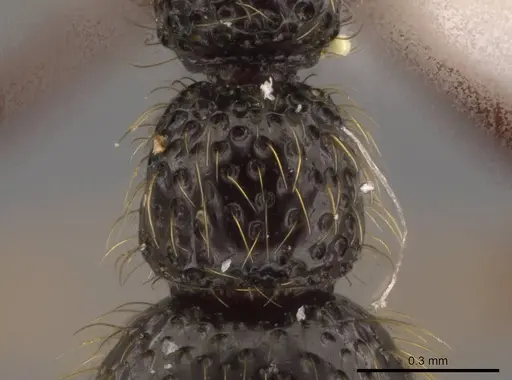
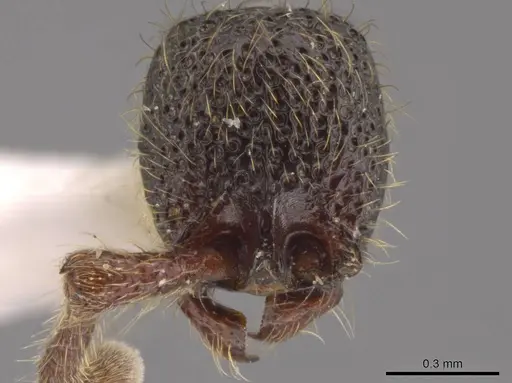
Syscia atitlana was described in 2021 by Longino and Branstetter based on worker specimens from Refugio El Quetzal in Guatemala [1]. The species name refers to nearby Lake Atitlán. Only workers are known, no queens, males, or whole colonies have ever been found. All specimens come from Winkler/Berlese samples of sifted leaf litter and rotten wood in high‑elevation oak forests (around 1838 m) [1]. This makes it one of the most poorly known ant species in the world.
Natural Habitat
This ant lives in the wet cloud forests of the Sierra Madre de Chiapas and the Guatemalan highlands, at elevations between 1475 and 1850 m [1]. The habitat is wet oak forest with deep leaf litter and abundant rotting wood. The cool, perpetually moist conditions are probably essential. Any captive setup must try to match these conditions.
Housing and Escape Prevention
Because workers are tiny (exact size not documented, but likely under 2 mm total length), every possible gap must be sealed. Use containers with ultra‑fine mesh (e.g.,0.1 mm) on ventilation holes and PTFE‑coated rims. A test tube with a water reservoir and a dark cotton plug is a safe starting nest. For a more natural setup, use a thin layer of fine soil mixed with decayed oak leaf fragments. Keep the substrate damp but not flooded. Maintain a small outworld for feeding, but use a lid with a tight seal. [1]
Feeding and Diet
No feeding observations exist for this species, but as a doryline it is almost certainly a predator of small soil arthropods. Offer springtails (Collembola), flightless fruit flies, and tiny beetle larvae. Perhaps small pieces of insect (e.g., mini mealworms) may be accepted. Sugar water is uncertain, test with a tiny drop. Remove all leftovers quickly to avoid mold in the high‑humidity nest. [1]
Temperature and Seasonal Care
Given their origin in cool montane forests, keep them at 18-22°C if you can. Higher temperatures may stress them. They may benefit from a slight winter cooling (to 12-15°C for a few weeks), but this is pure speculation. Watch activity levels, if they slow down too much, adjust. Humidity must stay high at all times, use a hygrometer if possible. [1]
Frequently Asked Questions
How big are Syscia atitlana workers?
Exact total length is not recorded. They are among the smallest ants, likely under 2 mm. Queens have never been seen [1].
Where is Syscia atitlana found?
In montane wet forests of southern Mexico (Chiapas) and Guatemala, at 1475-1850 m elevation, living in leaf litter and rotten wood [1].
Can I keep Syscia atitlana in a test tube?
Yes, a test tube with a water reservoir is a good starting nest because it provides high humidity and easy control. But seal the open end with fine mesh and a tight cotton plug to prevent escape.
What do Syscia atitlana eat?
Wild diet is unknown, but likely small live prey like springtails and fruit fly larvae. Offer tiny protein sources first [1].
How long from egg to worker?
Completely unknown, no data exists for this species. Any number would be a pure guess.
Are Syscia atitlana good for beginners?
No, this is an expert‑level species. Information is almost nonexistent, escape risk is extreme, and even basic care is guesswork.
What temperature do Syscia atitlana need?
Based on their high‑elevation habitat, aim for 18-22°C. This is an educated guess, not a confirmed optimum [1].
Do they need hibernation?
Unknown. Montane species often experience a cool season, but whether this ant requires a dormant period has never been studied.
Why is my colony dying?
Most likely escape, check all seals with a magnifying glass. Other possibilities: too dry, too hot, or mold from poor ventilation. Since no care protocols exist, adjusting conditions is trial and error.
Report an Issue
The current care sheet is based fully on literature. See inconsistencies, or something that's incorrect? Please , it will be resolved after review from an admin. Contributing to the blogs tab also helps providing information, to make us be able to further improve the caresheets. Thank you for your support!
References

This caresheet is licensed under CC BY-SA 4.0 .
Community Blogs
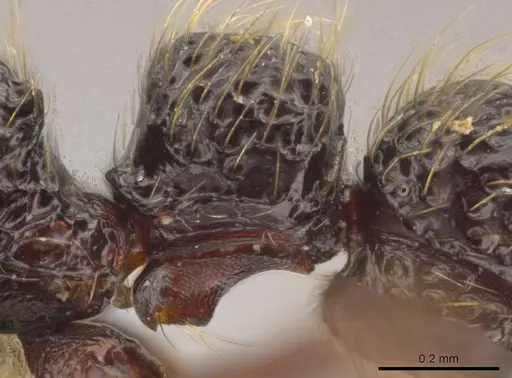
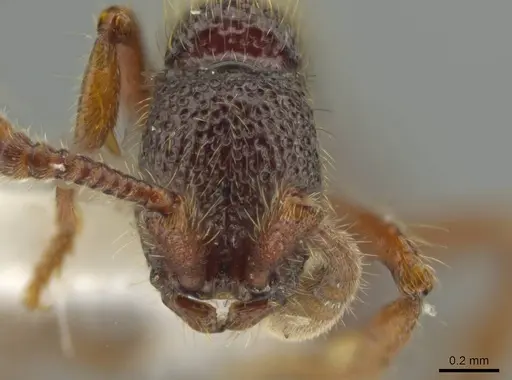
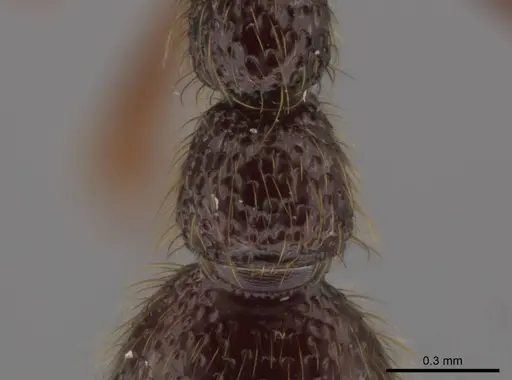
CASENT0603108
View on AntWeb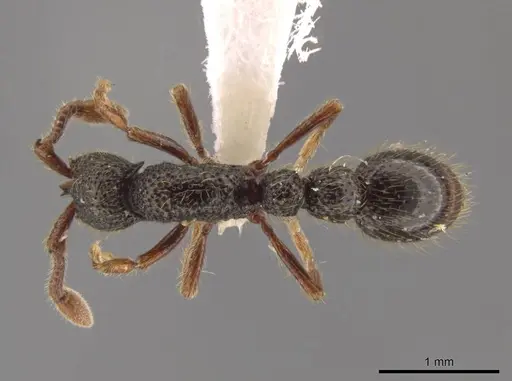
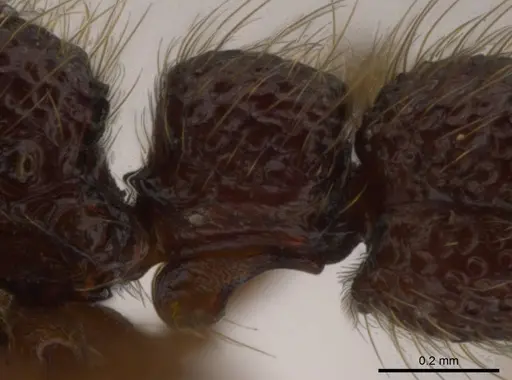
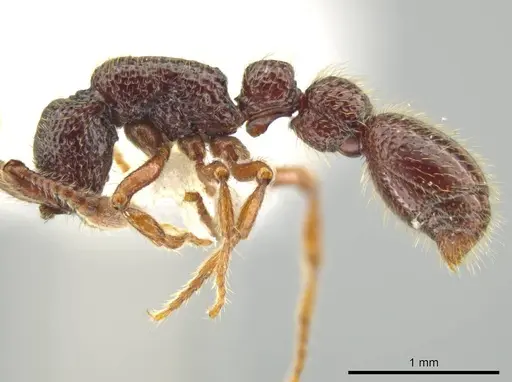
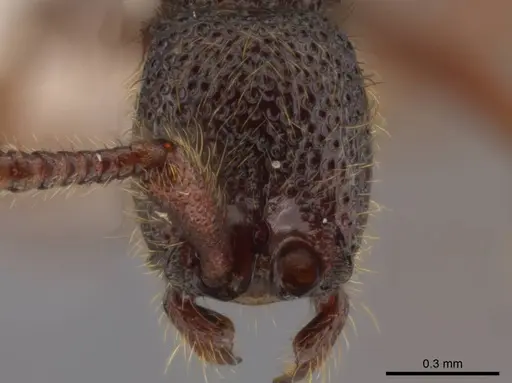
CASENT0610019
View on AntWeb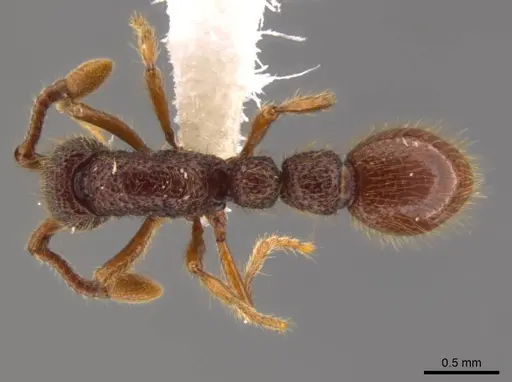
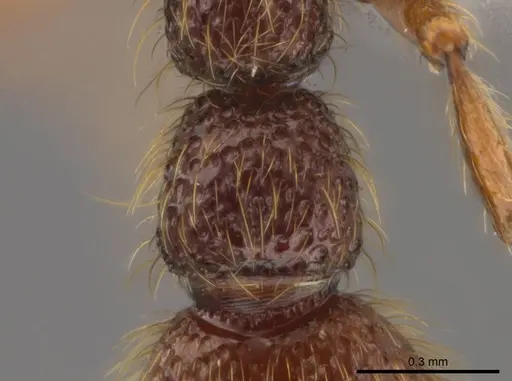
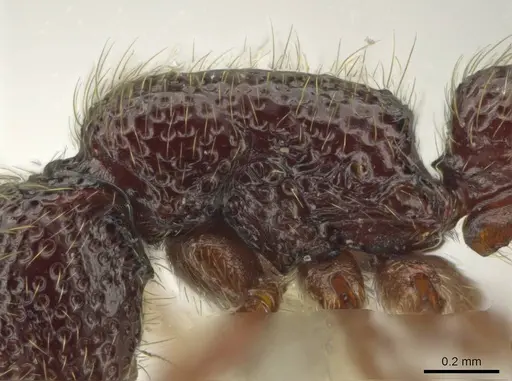
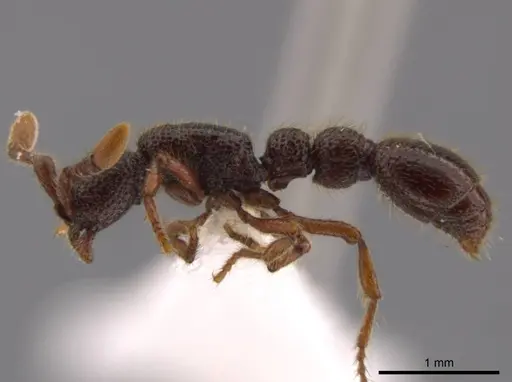
CASENT0611764
View on AntWeb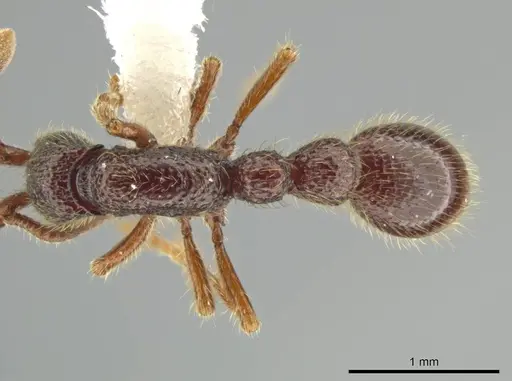
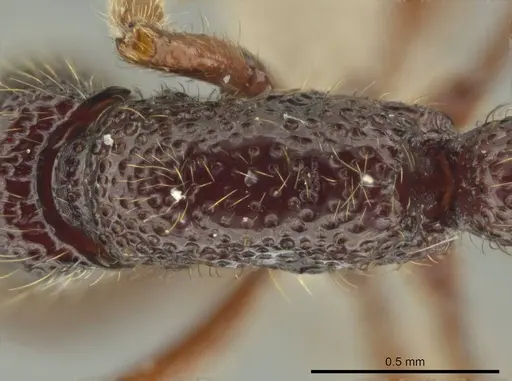
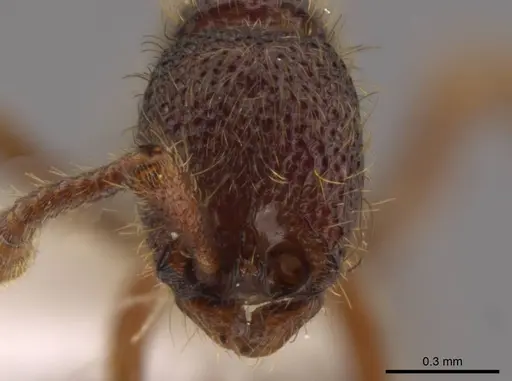
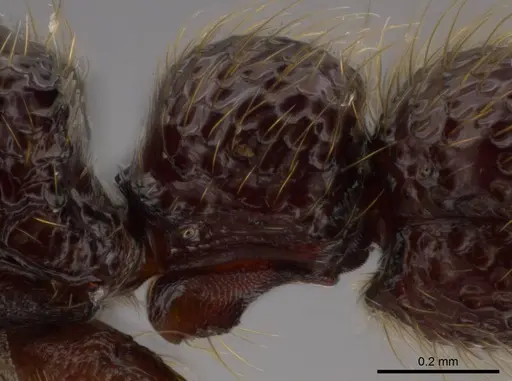
CASENT0612933
View on AntWeb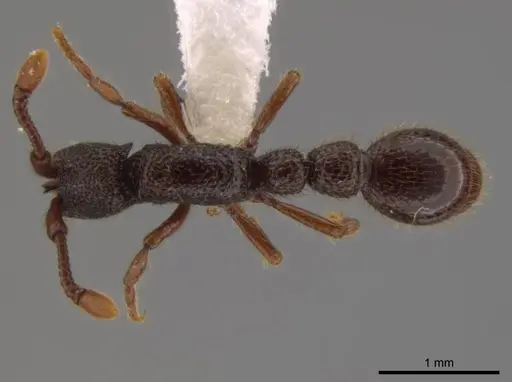
Literature
Loading distribution map...Loading products...