
Strumigenys truncatidens
- Sci. Name
- Strumigenys truncatidens
- Tribe
- Attini
- Subfamily
- Myrmicinae
- Author
- Brown, 1950
- Distribution
- Found in 1 countries
Introduction
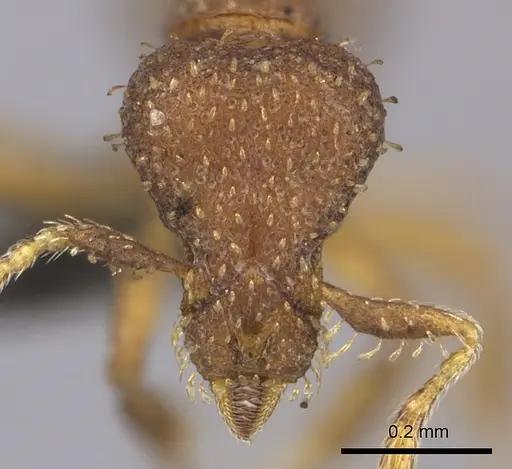
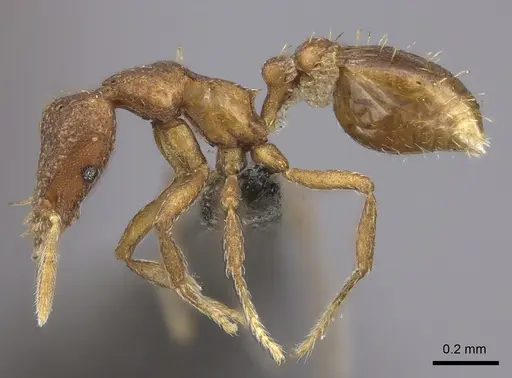
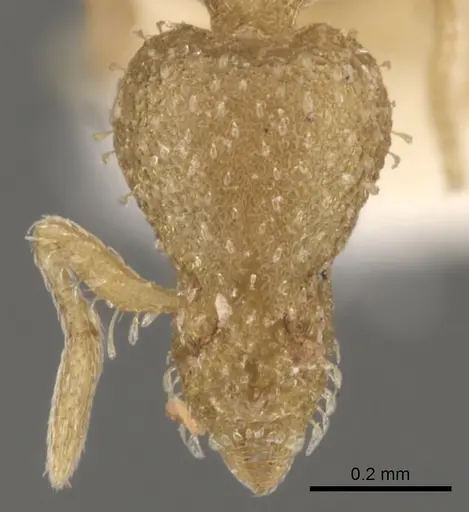
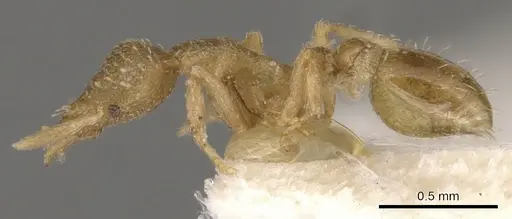
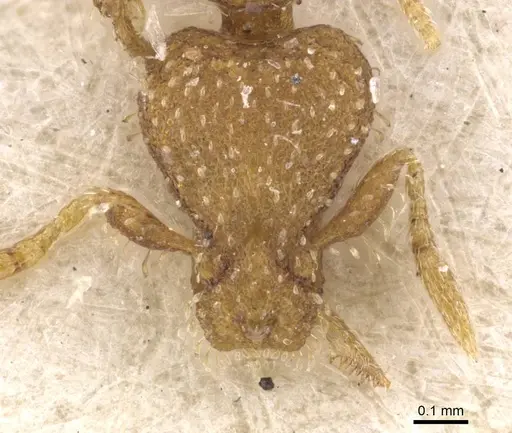
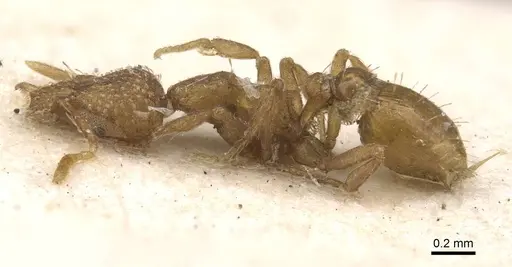
Strumigenys truncatidens is a tiny dacetine ant native to wet forests across Central and East Africa. Workers measure 2.4-3.0 mm total length and have a dull yellow to light yellowish-brown color . This species belongs to the Strumigenys emarginata group and is recognized by the 4-6 curved hairs projecting from the sides of the head and the 1-3 pairs of standing hairs on the mesonotum . Originally described as Smithistruma truncatidens in 1950,it was later moved into Pyramica before being placed back in Strumigenys . These are specialized micro-predators with trap-jaw mandibles that snap shut rapidly to capture tiny prey.
Quick Summary
- Difficulty: Expert
- Origin & Habitat: Wet forest habitats in Central and East Africa, including Burundi, Cameroon, Equatorial Guinea, Ivory Coast, Kenya, Rwanda, Uganda, and Tanzania. Found in leaf litter samples from sea level up to 2100 m elevation [2][3][1].
- Colony Type: Colony structure is not well documented. Based on typical Strumigenys patterns, likely monogyne with small colonies, but this is unconfirmed.
- Size & Growth:
- Antkeeping:
- Temperature: Keep cool, around 20-24°C. Based on high-elevation habitat (2100 m) [2], avoid temperatures above 28°C. Use a gentle heat gradient if needed.
- Humidity: High humidity required, keep the nest substrate consistently moist but not waterlogged. They naturally inhabit wet forest leaf litter [1].
- Diapause: Unknown, likely not required given African tropical origin, but unconfirmed.
- Nesting: Use a naturalistic setup with moist substrate (soil/leaf litter mix). They nest in leaf litter and rotting wood in nature [1]. Tight chambers scaled to their tiny 2-3 mm size work best. Avoid acrylic nests, use Y-tong (AAC), plaster, soil nests, or 3D-printed nests.
- Behavior: Workers are slow, deliberate foragers that hunt individually through leaf litter. They have trap-jaw mandibles for capturing tiny prey. Colonies are docile and rarely aggressive, but workers can deliver a mild sting if handled. Escape prevention is critical due to their 2-3 mm size, use fine mesh on all openings.
- Common Issues: tiny size means escapes are likely without fine mesh barriers, specialized diet of live micro-prey (springtails) is challenging to provide, slow colony growth tests keeper patience, high humidity requirements can lead to mold if ventilation is poor, wild-caught colonies may carry parasites that kill them in captivity
Housing and Nest Setup
Strumigenys truncatidens needs a setup that recreates the damp forest floor. A naturalistic terrarium-style setup works best, use a shallow container filled with moist substrate (soil and decaying leaf litter). This retains humidity and provides hunting grounds for prey. Alternatively, a plaster or Y-tong nest with small chambers works if you maintain high ambient humidity. Keep the substrate damp but not waterlogged. Because workers are only 2.4-3 mm, escape prevention must be excellent, apply Fluon or use fine mesh on any openings [1].
Feeding and Diet
This is a specialized micro-predator that requires live tiny prey. In the wild, they hunt springtails, mites, and other micro-arthropods found in leaf litter. In captivity, offer live springtails as the primary food source, these are essential. You can also offer other tiny live prey like booklice, fruit flies, and minute soil mites. They will not accept dead prey readily. Sugar sources are ignored, they are obligate predators. Feed every 2-3 days, offering small amounts that can be consumed within a day. Remove uneaten prey to prevent mold.
Temperature and Seasonal Care
Keep temperatures around 20-24°C. This species comes from high-elevation locations in Rwanda (2100 m) [2] and tropical rainforests, suggesting it prefers cooler conditions than many tropical ants. Avoid temperatures above 28°C, which can stress or kill the colony. A gentle heat gradient allows workers to choose their preferred temperature. Room temperature (21-23°C) is often ideal. If your room is colder, use a very low-output heating cable on one side of the nest, placed on top to warm the area gently without drying out the substrate. Maintain stable temperatures, avoid fluctuations. Diapause requirements are unknown.
Behavior and Colony Dynamics
Workers are slow, deliberate foragers that hunt individually through leaf litter, using their trap-jaw mandibles to snap shut on tiny prey. Colonies are small and peaceful, no aggressive territorial behavior or swarming. Workers are docile and rarely bite, though they can deliver a mild sting if handled roughly. Unlike many ants, they don't form large trail systems or recruit heavily to food sources. Colonies grow slowly, with each new worker representing a significant investment. Colony structure and queen number are not documented [1].
Frequently Asked Questions
Can I keep Strumigenys truncatidens in a test tube?
A test tube can work for founding, but these ants need high humidity and a naturalistic hunting environment to thrive long-term. Transfer to a naturalistic setup with substrate is recommended once workers emerge. Escape prevention must be excellent due to their tiny size.
What do Strumigenys truncatidens eat?
They are specialized micro-predators that require live tiny prey. The primary food should be live springtails. Other accepted prey includes booklice, fruit flies, and minute soil mites. They ignore sugar sources and dead prey. Feed every 2-3 days with small amounts of live prey.
How long does it take for the first workers to emerge?
Exact development time is not documented for this species. Based on related dacetine ants, it may take 8-12 weeks at optimal temperature, but this is speculative. Patience is essential.
Are Strumigenys truncatidens good for beginners?
No, this is an expert-level species. They require specialized live prey (springtails), high humidity, specific temperature ranges, and excellent escape prevention due to their tiny size. The specialized diet and slow growth make them challenging even for experienced keepers.
How big do Strumigenys truncatidens colonies get?
Colony size is not documented. Based on related dacetine ants, they likely remain small (under 200 workers), but this is unconfirmed. Growth is slow.
Do they need hibernation?
Diapause requirements are unconfirmed. They come from high-elevation African locations with relatively stable year-round temperatures. A slight cool period (15-18°C for 2-3 months) may be beneficial but is not strictly required. Monitor colony behavior, if they become inactive in winter, reduce temperatures slightly.
Why are my Strumigenys truncatidens dying?
Common causes include: wrong food (they need live springtails, not dead prey or sugar), too low humidity (keep substrate damp), temperatures too high (above 28°C is dangerous), escape through tiny gaps, or parasites from wild-caught colonies. Ensure you have the correct setup before acquiring this species.
When should I move them to a formicarium?
Keep them in a naturalistic setup with moist substrate rather than a traditional formicarium. They do best in terrarium-style setups that mimic forest floor litter. Move from test tube founding setups once the colony has 10-20 workers and is actively foraging.
Can I keep multiple queens together?
Colony structure is unconfirmed. Based on typical Strumigenys patterns, likely monogyne (single queen), but this has not been documented. Combining unrelated queens is not recommended.
Report an Issue
The current care sheet is based fully on literature. See inconsistencies, or something that's incorrect? Please , it will be resolved after review from an admin. Contributing to the blogs tab also helps providing information, to make us be able to further improve the caresheets. Thank you for your support!
References

This caresheet is licensed under CC BY-SA 4.0 .
Community Blogs
CASENT0235691
View on AntWeb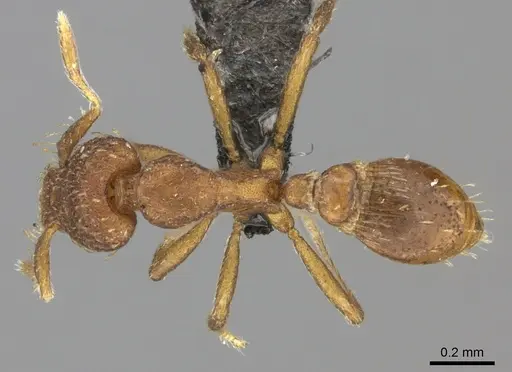
CASENT0898002
View on AntWeb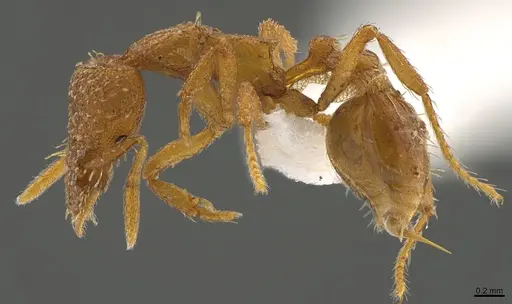
CASENT0900070
View on AntWeb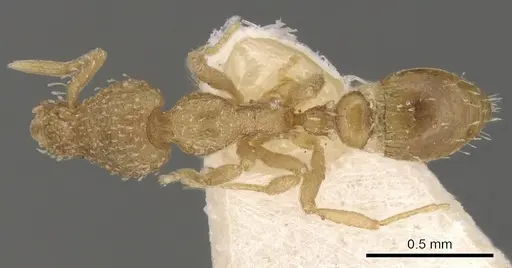
RMCAENT000017798
View on AntWeb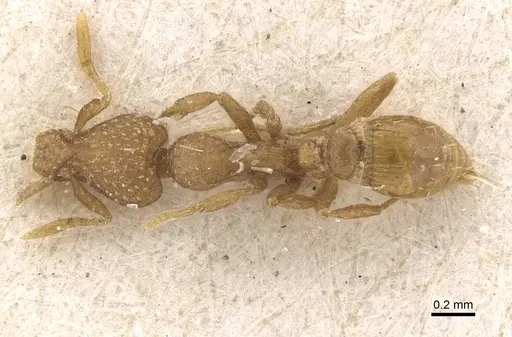
Literature
Loading distribution map...Loading products...