
Strumigenys trieces
- Sci. Name
- Strumigenys trieces
- Tribe
- Attini
- Subfamily
- Myrmicinae
- Author
- Brown, 1960
- Distribution
- Found in 3 countries
Introduction
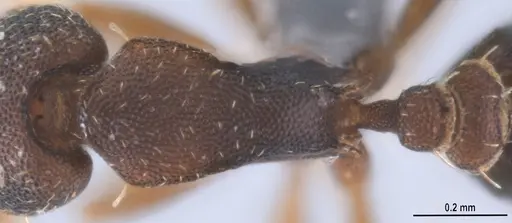
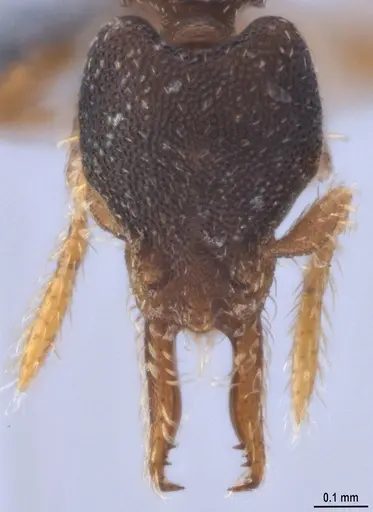
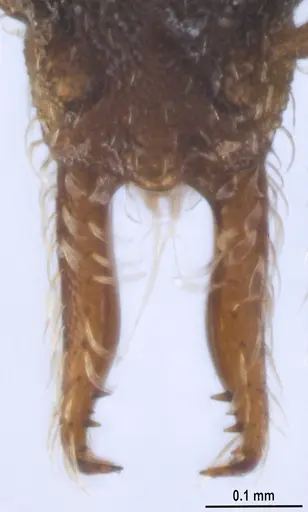
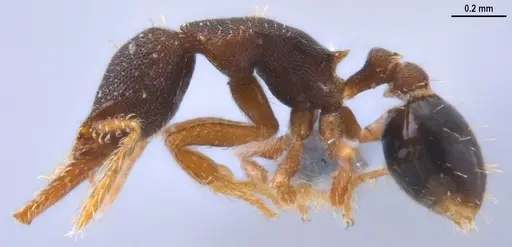
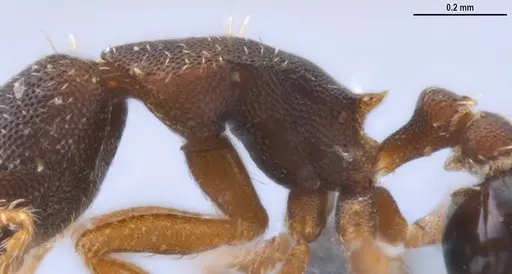
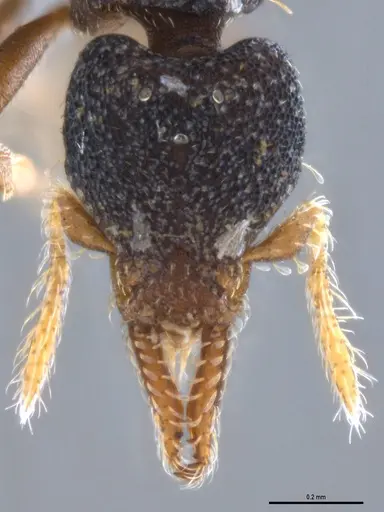
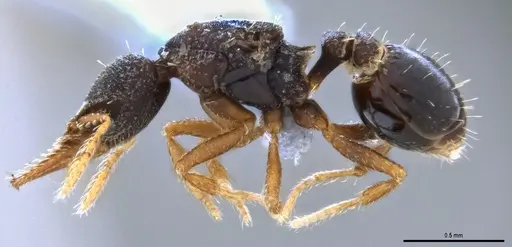
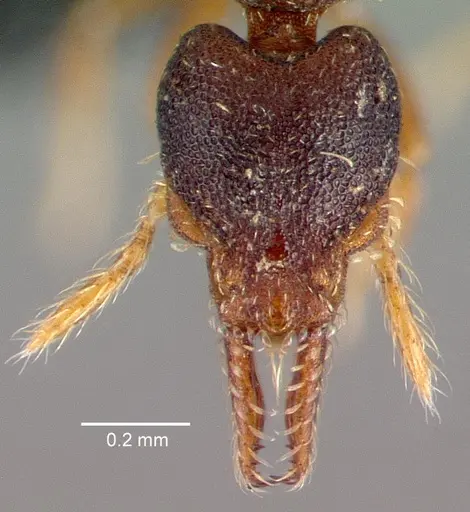
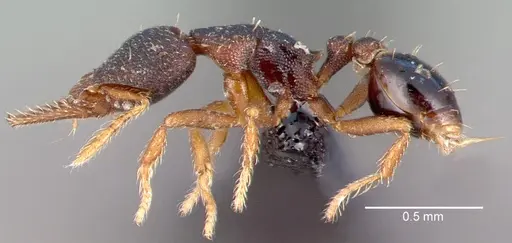
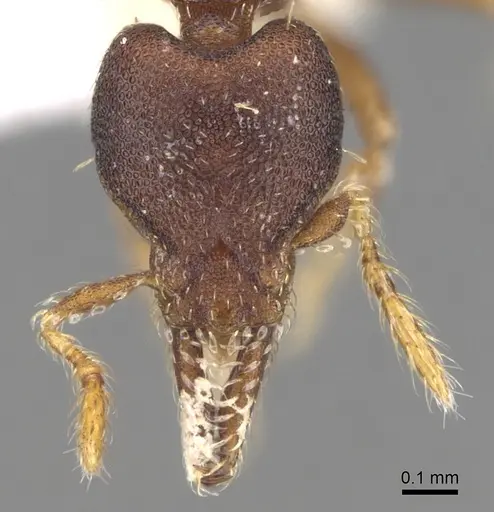
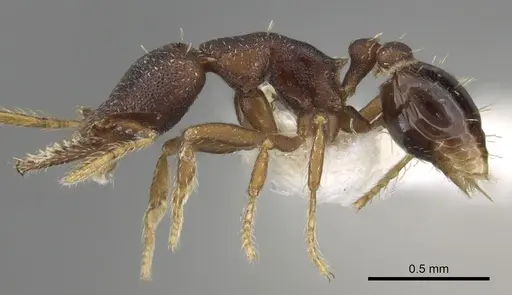
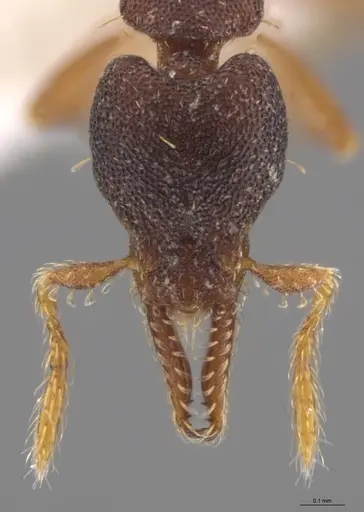
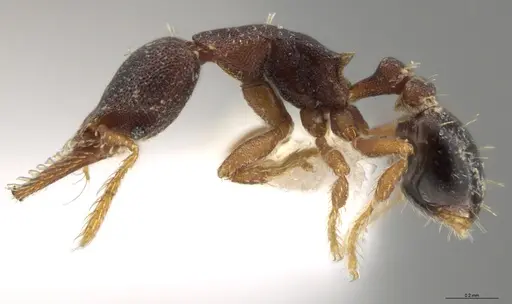
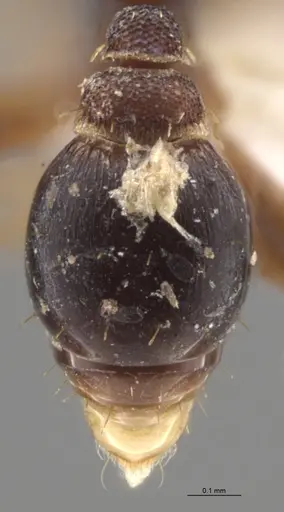
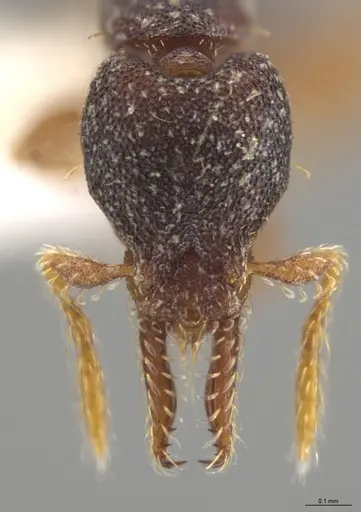
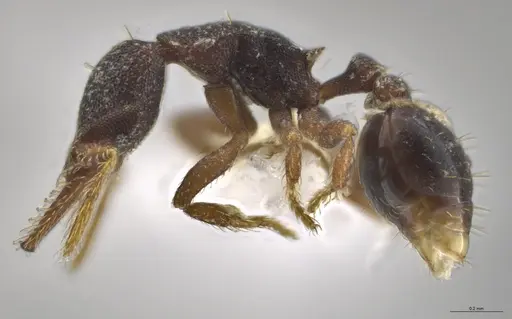
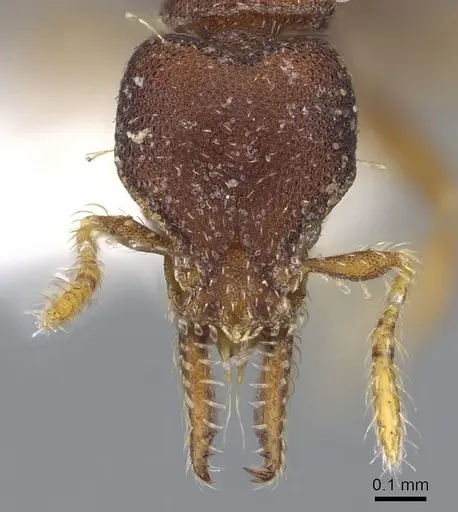
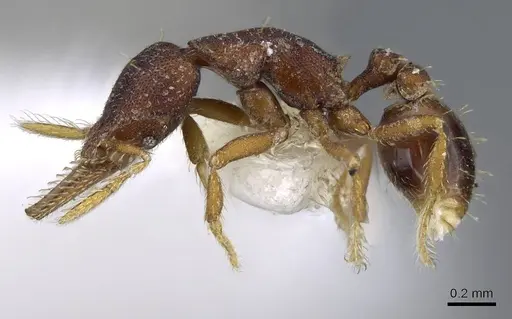
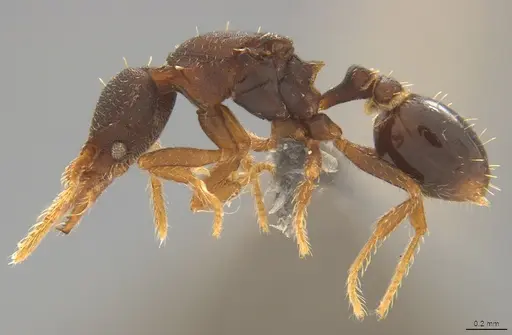
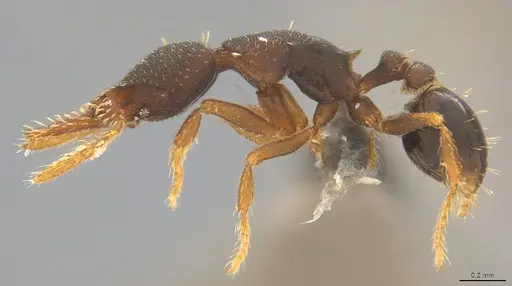
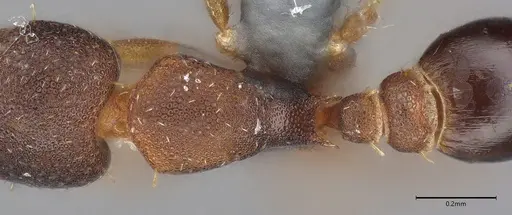
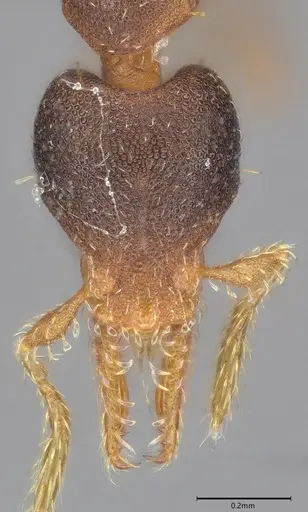
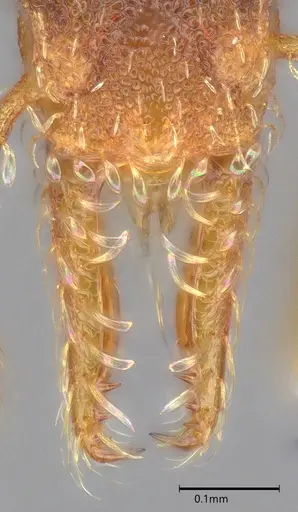
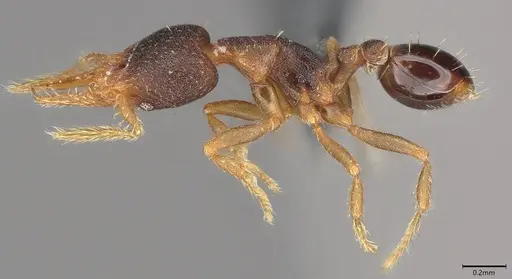
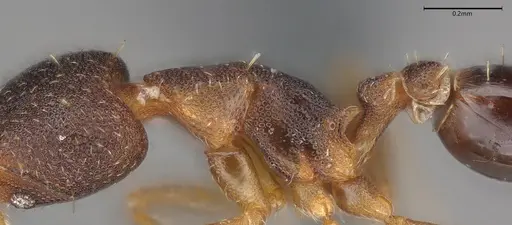
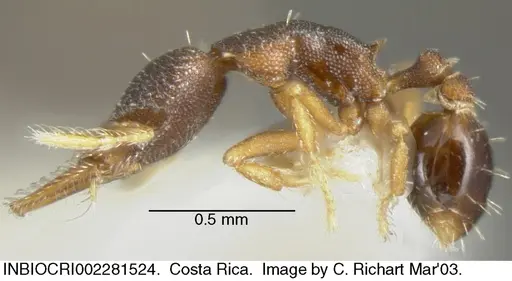
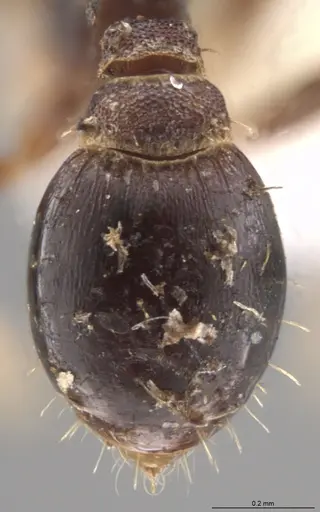
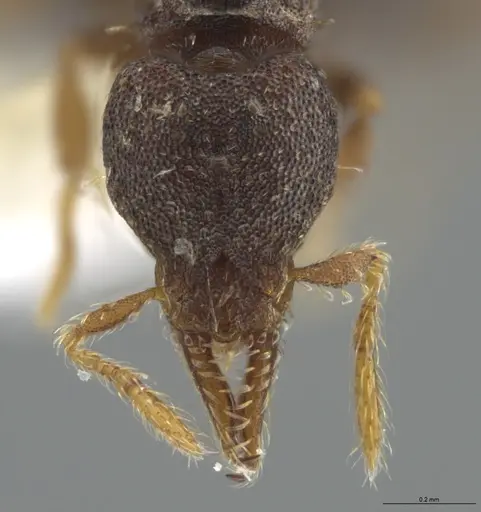
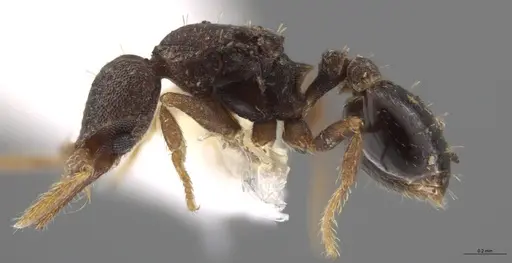
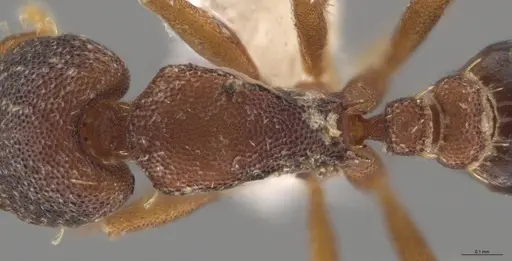
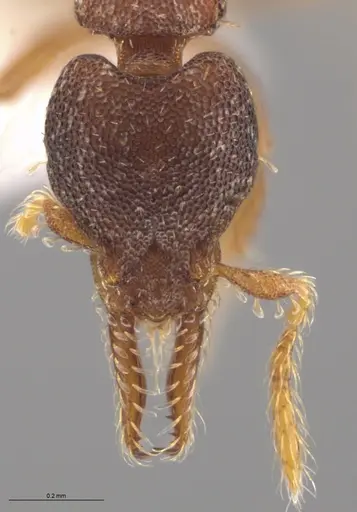
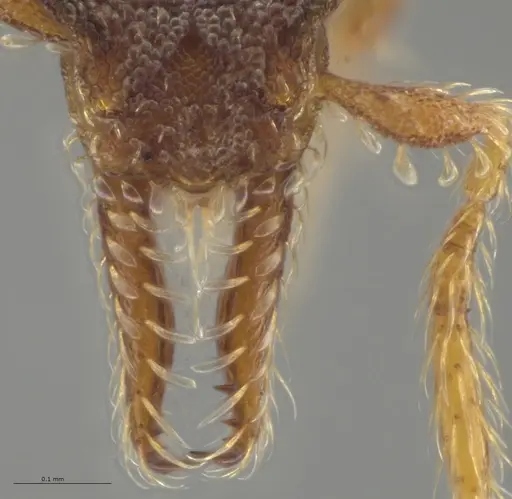
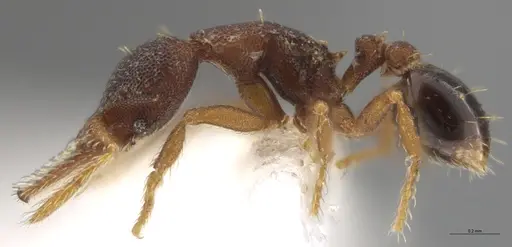
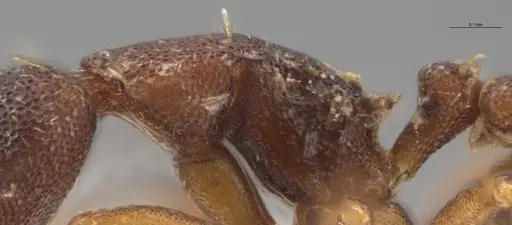
Strumigenys trieces is a tiny predatory ant, with workers measuring 2.3-2.4 mm in total length . They have distinctive linear-elongate trap-jaw mandibles with three small preapical teeth, and six-segmented antennae . The head and body have sparse, minute appressed pubescence, with a few erect hairs on the vertex and mesosoma . These ants belong to the Strumigenys gundlachi group and are closely related to Strumigenys subedentata, Strumigenys connectens, and Strumigenys decipula . They occur across the Atlantic slope of Central America from Nicaragua to Panama, from sea level to 1100 m elevation, in mature wet forest habitats . They nest in dead wood and forage in leaf litter on the forest floor . In Colombia, they have been recorded in Valle del Cauca .
Quick Summary
- Difficulty: Hard
- Origin & Habitat: Atlantic slope of Central America (Nicaragua, Costa Rica, Panama, Colombia) at sea level to 1100 m elevation. Inhabits mature wet forest, nesting in dead wood and foraging in leaf litter [1][3].
- Colony Type: Colony structure is unconfirmed. Based on related Strumigenys species, likely monogyne (single queen) with small colony size. Workers are tiny (2.3-2.4 mm) and forage individually in leaf litter [1].
- Size & Growth:
- Queen: Size data unavailable, inferred from related Strumigenys species (likely ~3-4 mm based on genus patterns).
- Worker: 2.3-2.4 mm [1]
- Colony: Likely under 100 workers based on related litter-dwelling species.
- Growth: Slow
- Development: Unconfirmed, estimated 8-12 weeks at optimal tropical temperatures (24-28 °C) based on related species. (Development is likely slow given their small size and tropical forest habitat.)
- Antkeeping:
- Temperature: Keep at 24-28 °C to match their tropical wet forest habitat [1]. A gentle temperature gradient is recommended.
- Humidity: High humidity, think damp forest floor. Keep the substrate consistently moist but not waterlogged. These ants live in wet forest leaf litter [1].
- Diapause: No, they are tropical and do not require hibernation. Maintain warm, stable conditions year-round.
- Nesting: A naturalistic setup with dead wood pieces, leaf litter, and moist substrate works best. Y-tong or plaster nests with high humidity chambers can work, but they prefer the complexity of a naturalistic setup.
- Behavior: These tiny, cryptic ants forage individually in leaf litter. They are specialized predators, using their trap-jaw mandibles to capture small prey like springtails and micro-arthropods. They are not aggressive and will flee from disturbance. Escape prevention is critical due to their minute size, they can squeeze through the tiniest gaps.
- Common Issues: escape prevention is critical, they can slip through standard mesh., high humidity can lead to mold if ventilation is poor., they rely on live micro-prey, without springtails they starve., slow colony growth may test your patience., wild-caught colonies often carry parasites that can kill them in captivity.
Housing and Nest Setup
Strumigenys trieces requires a naturalistic setup that mimics their natural leaf-litter habitat. Use a container with a deep layer of moist substrate (a mix of soil and rotting wood fragments). Add pieces of dead wood, bark, and leaf litter to create hiding spots and foraging areas [1]. The substrate should stay consistently damp but not waterlogged, these ants come from wet forest environments with high humidity [1]. A Y-tong or plaster nest can serve as a retreat, but many keepers find that these cryptic ants prefer to nest in the naturalistic setup itself. Ensure excellent escape prevention: their tiny size means they can slip through gaps invisible to the naked eye. Use fine mesh on all openings and consider a barrier like fluon around the rim.
Feeding and Diet
Strumigenys trieces is a specialized predator that hunts small arthropods in the leaf litter. Their primary food should be live springtails, which you can culture separately or purchase [2]. They may also accept other tiny live prey such as minute soil mites, small isopods, and booklice. Unlike many ants, they are not typically interested in sugar sources or honey, their hunting behavior is their primary foraging strategy. Feed small prey items every few days, removing any uneaten prey after 24 hours to prevent mold. Never give them large prey items, their tiny mandibles are designed for capturing minute arthropods only. A constant supply of live springtails is ideal for established colonies.
Temperature and Humidity
These are tropical ants requiring warm, humid conditions. Maintain temperatures between 24-28 °C, matching their natural habitat in Central American wet forests [1]. A heating cable on one side of the setup can create a gentle temperature gradient, but avoid hot spots. Humidity should be high, the substrate should feel damp to the touch, and you may see condensation on the sides of the container. Mist occasionally, but rely on substrate moisture rather than misting schedules. Good ventilation is essential to prevent mold while maintaining humidity. Avoid placing the setup near air conditioning or heating vents.
Behavior and Temperament
Strumigenys trieces is a cryptic, non-aggressive species. Workers forage individually through leaf litter, using their specialized mandibles to capture tiny prey. When disturbed, they are more likely to flee than to defend. They do have a functional stinger (like other Attini), but it is not medically significant to humans. Their primary defense is their trap-jaw mandibles. Colonies are likely small and slow-growing, with perhaps a few dozen to under 100 workers at maturity. Workers are rarely seen out in the open, they stay hidden within the leaf litter and substrate. This makes them a 'watching' ant rather than an 'observing' ant: you know they're there, but you don't often see them directly. [2]
Colony Establishment
Establishing a colony of Strumigenys trieces can be challenging. If starting with a queen, she will need a small container with moist substrate. The founding chamber should be dark and quiet. After the first workers emerge (which may take several months), you can gradually introduce them to a larger naturalistic setup. If acquiring a colony from the wild, quarantine and observe carefully, litter-dwelling ants often carry parasites that can devastate captive colonies. Transfer to a naturalistic setup as soon as the colony is established. Growth will be slow, these are not ants that will explode in population quickly. Patience is essential.
Common Problems
The primary challenge with Strumigenys trieces is their minute size combined with specific habitat requirements. Escape is the most common problem, standard ant-keeping equipment is not designed for ants this small. Always use fine mesh and multiple barriers. Mold is another issue given their high humidity needs, ensure adequate ventilation and remove uneaten prey promptly. Failure to provide appropriate live prey is fatal, they cannot survive on sugar water or large insects. Wild-caught colonies often carry parasites that kill them in captivity, so obtaining from reputable sources or established breeders is important. Finally, their slow growth tests patience, do not expect rapid colony expansion.
Frequently Asked Questions
Can I keep Strumigenys trieces in a test tube?
A test tube can work for founding, but a naturalistic setup with leaf litter and moist substrate is better for established colonies. These ants live in forest floor debris and need that complexity to forage properly. If using a test tube, ensure excellent escape prevention as they are extremely tiny [1].
What do Strumigenys trieces eat?
They are specialized predators that need live tiny arthropods. Springtails are the ideal food, culture them separately and add them to the setup regularly. They may also accept minute soil mites and other micro-arthropods [2]. They are not interested in sugar sources or large prey.
How long does it take for Strumigenys trieces to develop from egg to worker?
Exact development time is unconfirmed, but based on related Strumigenys species, expect 8-12 weeks at optimal tropical temperatures (24-28 °C). Growth is slow, these are tiny ants with a long development cycle.
Are Strumigenys trieces good for beginners?
No, this is a difficult species not suitable for beginners. Their tiny size makes escape prevention challenging, they require specific live prey, and they need high humidity tropical conditions. They are best suited for experienced antkeepers who can provide the specialized care they require.
How big do Strumigenys trieces colonies get?
Based on related litter-dwelling Strumigenys species, colonies likely reach only a few dozen to under 100 workers at maturity. They are not large colony ants, expect modest numbers.
Do Strumigenys trieces need hibernation?
No, they are tropical ants from Central America and do not require hibernation. Keep them warm year-round at 24-28 °C. Temperature drops below their comfort zone can slow or stop their activity.
Why are my Strumigenys trieces dying?
Common causes include escape (they are extremely tiny), starvation from lack of live prey, improper humidity (too dry or too wet causing mold), and parasites from wild-caught colonies. Review each of these factors if experiencing losses. They are sensitive to drying out and need consistent moisture.
When should I move Strumigenys trieces to a formicarium?
Consider a naturalistic setup rather than a traditional formicarium. If you do use a formicarium, wait until the colony has at least 20-30 workers and is actively foraging. A Y-tong or plaster nest with high humidity chambers can work, but provide plenty of leaf litter and substrate for foraging.
Can I keep multiple Strumigenys trieces queens together?
Colony structure is unconfirmed for this species. Based on related Strumigenys, they are likely monogyne (single queen). Combining unrelated queens is not recommended as it has not been documented and could result in aggression.
Report an Issue
The current care sheet is based fully on literature. See inconsistencies, or something that's incorrect? Please , it will be resolved after review from an admin. Contributing to the blogs tab also helps providing information, to make us be able to further improve the caresheets. Thank you for your support!
References

This caresheet is licensed under CC BY-SA 4.0 .
Community Blogs
ANTWEB1053267
View on AntWeb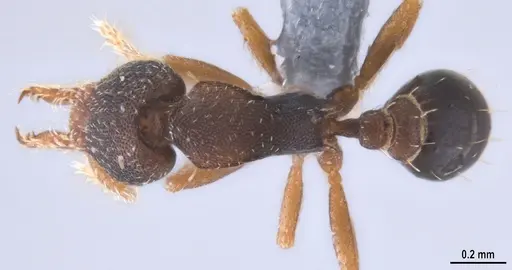
ANTWEB1053495
View on AntWeb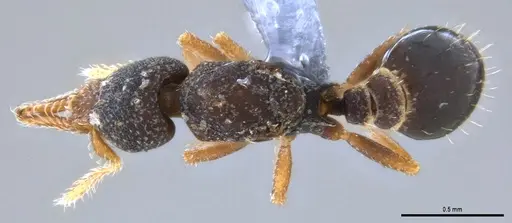
CASENT0039769
View on AntWeb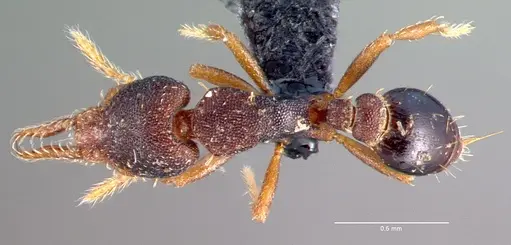
CASENT0281982
View on AntWeb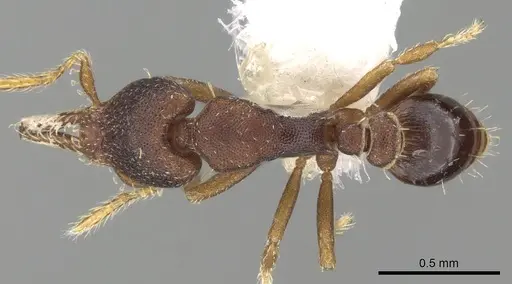
CASENT0613312
View on AntWeb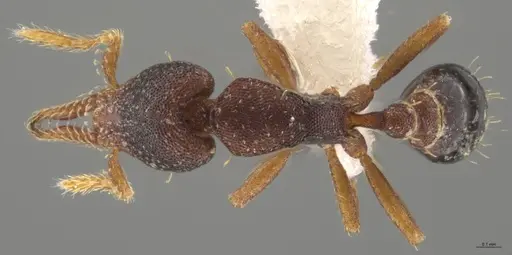
CASENT0628646
View on AntWeb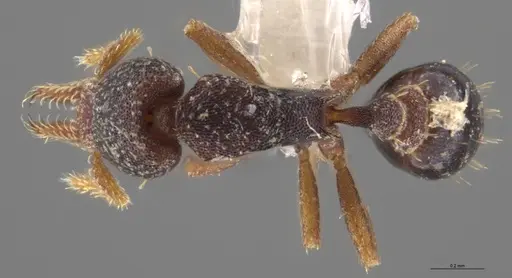
CASENT0914617
View on AntWeb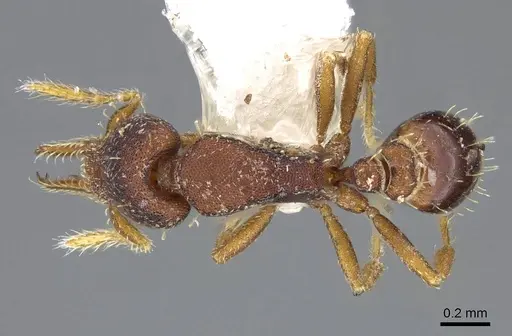
CASENT4036171
View on AntWeb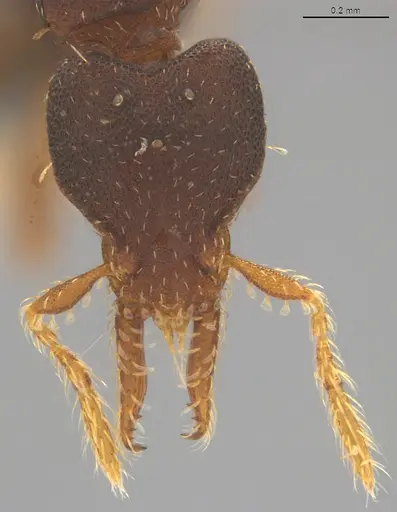
CASENT4036172
View on AntWeb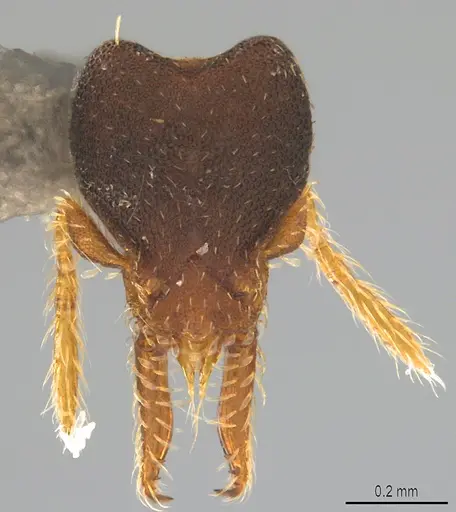
CASENT4036173
View on AntWeb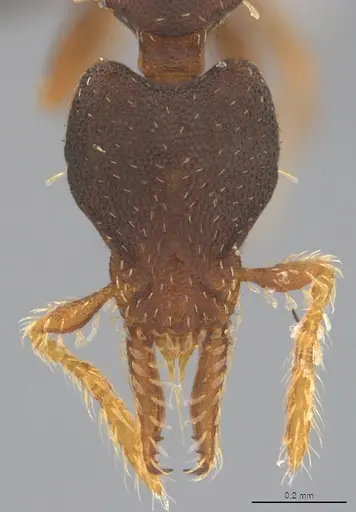
CASENT4036219
View on AntWeb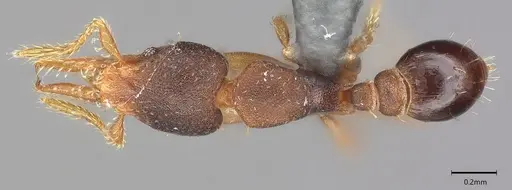
INBIOCRI002281524
View on AntWeb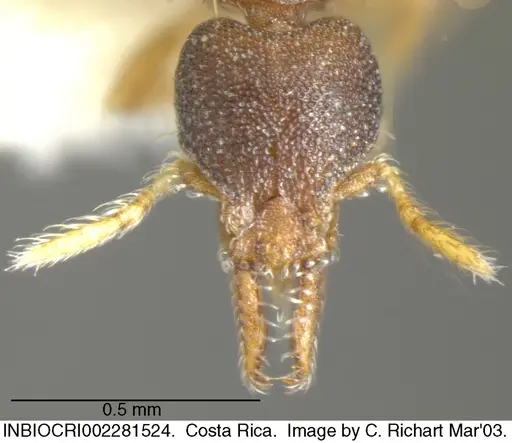
JTLC000005339
View on AntWeb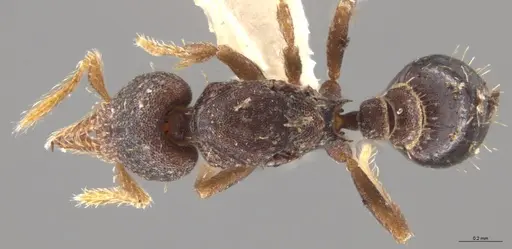
JTLC000005346
View on AntWeb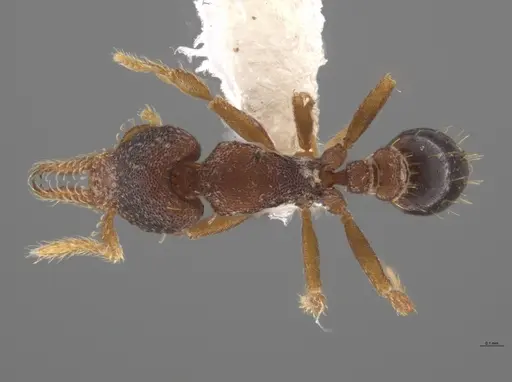
Literature
Loading distribution map...Loading products...