
Strumigenys timicala
- Sci. Name
- Strumigenys timicala
- Tribe
- Attini
- Subfamily
- Myrmicinae
- Author
- Bolton, 2000
- Distribution
- Found in 3 countries
Introduction
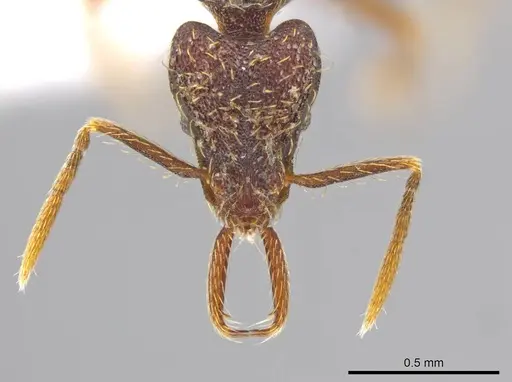
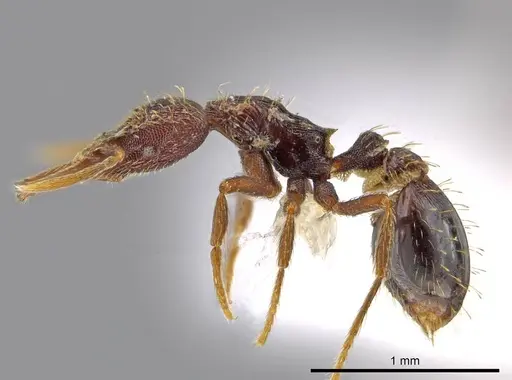
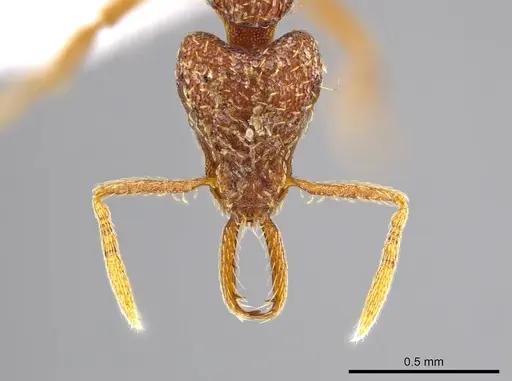
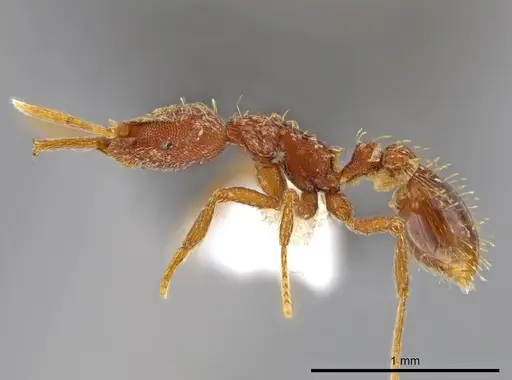
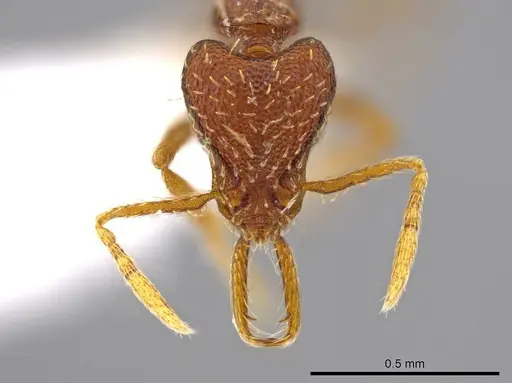
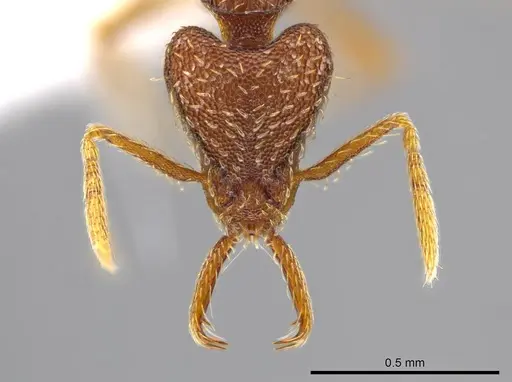
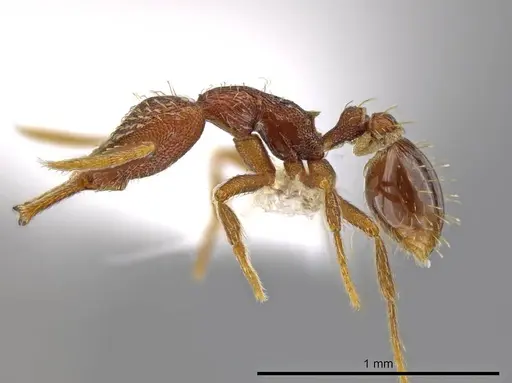
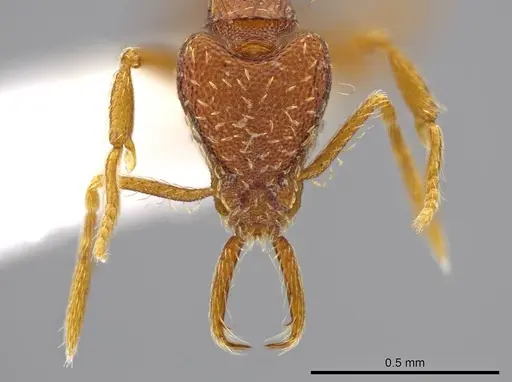
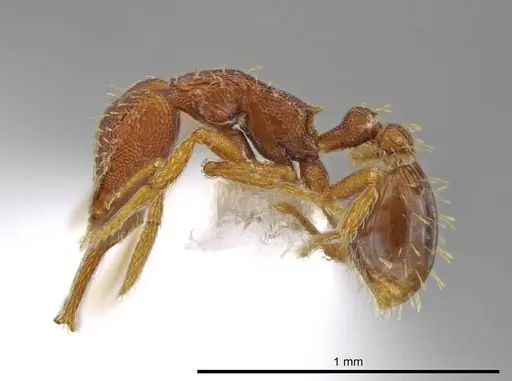
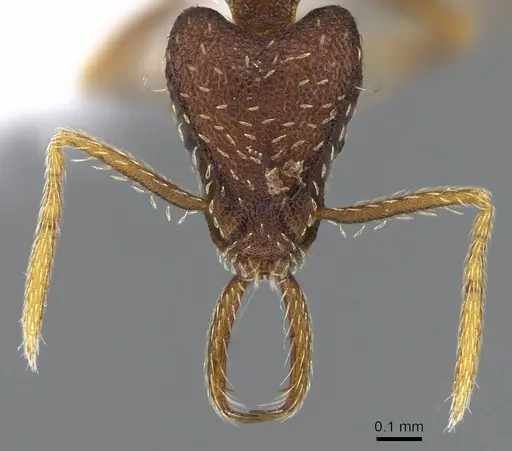
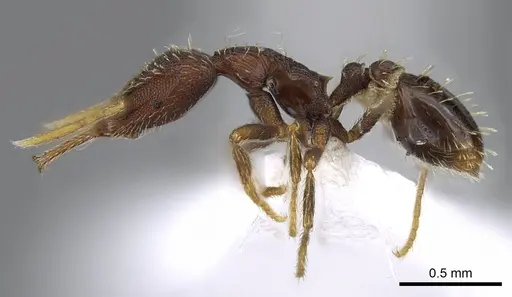
Strumigenys timicala is a small predatory ant native to Central America, specifically documented in Nicaragua and Guatemala . It uses a kinetic (trap-jaw) mechanism to capture prey . The species has closely spaced mandibular insertions and spongiform tissue on its waist . As a member of Myrmicinae (tribe Attini), it also possesses a functional stinger, though its primary hunting method is the trap-jaw. Detailed ecology and nesting preferences are unknown, but based on its distribution, it likely inhabits humid leaf-litter habitats.
Quick Summary
- Difficulty: Hard
- Origin & Habitat: Reported from Nicaragua and Guatemala [1]. No specific habitat data exists, but based on congenerics, it likely inhabits humid tropical forests where it hunts among leaf litter and decaying wood.
- Colony Type: Unconfirmed, based on typical Strumigenys colony structure, likely single-queen (monogyne) colonies, though no direct studies on this species confirm the social structure.
- Size & Growth:
- Queen: No data available. Queen size is unknown.
- Worker: No data available. Worker size is unknown.
- Colony: Colony size unknown. Likely small (under several hundred workers) based on litter-dwelling genus patterns, but this is speculative.
- Growth: Unknown. Strumigenys are generally slow-growing, but no species-specific data.
- Development: Unknown. No data on development time for this species. (Development timeline is unstudied. Keepers often report slow brood development in related species, but this is not confirmed.)
- Antkeeping:
- Temperature: No specific data. Based on tropical origin, likely require stable warmth. Keepers typically aim for 22-26°C, but this is a working guess. Provide a gradient and observe colony response.
- Humidity: No specific data. Strumigenys species from similar habitats require high humidity. Keep the nest substrate moist (not waterlogged) and ensure good ventilation to prevent mold. Likely best with a damp soil or Y-tong setup.
- Diapause: No, being a tropical species from Nicaragua and Guatemala, they do not require hibernation. Keep them warm year-round. This is inferred from their equatorial range.
- Nesting: No specific nesting data. Likely prefer tight, humid chambers in leaf litter or rotting wood. Keepers recommend naturalistic setups with moist substrate (e.g., soil or Y-tong/plaster nests) that retain humidity. Avoid large open spaces.
- Behavior: These ants are specialized predators that hunt live small prey. They are not aggressive toward humans but do possess a functional sting (typical of subfamily) that can deliver a mild sting. Their trap-jaw mandibles are their primary hunting tool, they detect prey vibrations and snap their jaws shut very quickly using a kinetic mechanism [1]. They are not strong climbers, but due to their tiny size, they can escape through small gaps. Workers are active hunters that patrol the outworld searching for springtails and other tiny arthropods.
- Common Issues: live prey requirement, colonies often fail because keepers don't provide enough small live prey like springtails or fruit flies., slow growth, beginners may lose patience or overfeed, leading to mold in the nest., humidity management, too dry causes desiccation, too wet leads to mold, finding the right balance is tricky., tiny size escape risk, despite not being strong climbers, their small size allows them to squeeze through small gaps., stress from disturbance, these are sensitive ants that may abandon brood or die if disturbed frequently, avoid unnecessary nest inspections.
Housing and Nest Setup
Strumigenys timicala needs a humid, naturalistic setup to thrive. A Y-tong (AAC) or plaster nest with tight, moist chambers works well. Alternatively, a soil-based terrarium with leaf litter can mimic their natural environment. The key is maintaining high humidity without stagnation, use small water reservoirs and mist lightly, but ensure some ventilation to prevent mold. These ants are small but need space to hunt in the outworld. A small outworld connected to the nest is sufficient for smaller colonies. For established colonies, avoid open test tubes, they do not provide enough humidity or space for hunting. Instead, use a proper formicarium with a moist substrate.
Feeding and Diet
This is the most critical aspect of keeping Strumigenys timicala. They are obligate predators that require live small prey, they will not accept dead food or sugar sources. Their primary diet should be live springtails (Collembola), which you can culture separately or purchase. Other accepted prey includes fruit flies (Drosophila), booklice (psocids), and other tiny arthropods. Feed small prey items regularly, adjusting based on colony consumption. Remove uneaten prey after 24 hours to prevent mold. Do not attempt to feed them larger prey, their trap-jaw mechanism is designed for tiny prey, not chunks of insect meat. A reliable source of live prey is essential.
Temperature and Seasonal Care
No temperature data exists for this species. Based on its tropical origin, keep your colony at a stable temperature, most keepers aim for 22-26°C. A small heating cable on one side of the nest can help maintain warmth during cooler months, but ensure there's an unheated area so workers can self-regulate. Room temperature in most homes (20-24°C) is often adequate, but monitor for signs of cold stress (e.g., reduced activity). Avoid temperature fluctuations and drafts. No diapause is required, keep them active year-round.
Behavior and Defense
Strumigenys timicala uses its trap-jaw mandibles for predation, not defense. When hunting, the ant detects vibrations from potential prey and snaps its jaws shut using a kinetic mechanism [1]. They are not aggressive toward humans and will flee rather than attack. If handled roughly, they can sting, but the sting is mild and rarely felt. Workers are active foragers that spend time hunting in the outworld rather than staying in the nest. They are not strong climbers, but their tiny size means you should still use fine mesh on any openings to prevent escape.
Colony Establishment
Starting a colony from a single queen requires patience. The queen will seal herself in a small chamber and lay eggs, surviving on her stored reserves (if founding is claustral, this is unconfirmed but typical for many Strumigenys). She will raise the first workers (nanitics) alone, which will be smaller than mature workers. Do not disturb the founding chamber during this time, disturbance is a common cause of colony failure. Once workers emerge, they will begin hunting to feed the colony. Growth is slow, reaching a moderate colony size may take many months to years. Wild-caught colonies may already have workers and establish faster, but always quarantine and observe them for parasites.
Frequently Asked Questions
Can I keep Strumigenys timicala in a test tube?
Test tubes are not ideal for long-term housing of this species. For established colonies, use a Y-tong or plaster nest that can maintain high humidity. Test tubes may work for founding queens, but you should upgrade once workers appear.
What do Strumigenys timicala ants eat?
They eat exclusively live small prey, primarily springtails, fruit flies, and other tiny arthropods. They will not accept dead food, honey, or sugar. This is the hardest part of keeping them, you need a reliable source of live prey.
How long until first workers appear?
No data is available for this species. Based on related Strumigenys, it may take several weeks to months, but this is speculative. Patience is essential with this species.
Are Strumigenys timicala good for beginners?
No, this is a difficult species to keep. Their requirement for live prey, high humidity needs, and slow growth make them challenging. Start with easier species like Lasius or Tetramorium before attempting Strumigenys.
Do Strumigenys timicala need hibernation?
No, they are tropical ants from Nicaragua and Guatemala and do not require hibernation. Keep them warm year-round.
How big do Strumigenys timicala colonies get?
Colony size is unknown for this species. Based on related species, they likely remain small (under a few hundred workers), but no specific data exists.
Why is my Strumigenys colony dying?
Common causes include: lack of live prey (starvation), humidity problems (too dry or too wet/moldy), temperature stress (too cold or fluctuating), and stress from frequent disturbance. Check each factor.
When should I move Strumigenys timicala to a formicarium?
Move them when the current setup becomes unsuitable (e.g., mold or low humidity). For founding colonies, wait until at least a few workers have emerged and the queen seems settled. For wild-caught colonies, you can set up a naturalistic terrarium from the start.
Can I keep multiple queens together?
This has not been studied for this species. Based on typical Strumigenys behavior, single-queen colonies are most stable. Do not attempt to combine unrelated queens without specific research on this species.
Report an Issue
The current care sheet is based fully on literature. See inconsistencies, or something that's incorrect? Please , it will be resolved after review from an admin. Contributing to the blogs tab also helps providing information, to make us be able to further improve the caresheets. Thank you for your support!
References

This caresheet is licensed under CC BY-SA 4.0 .
Community Blogs
CASENT0615092
View on AntWeb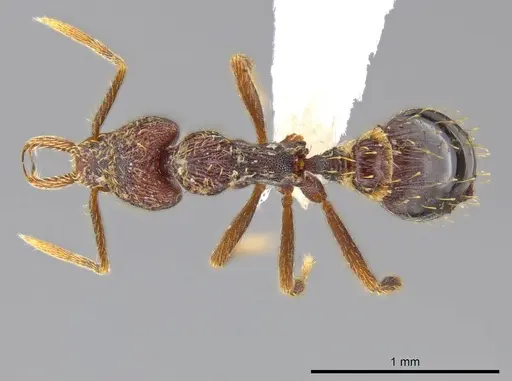
CASENT0615329
View on AntWeb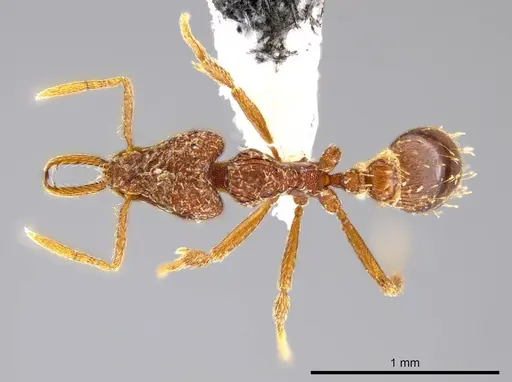
CASENT0617615
View on AntWeb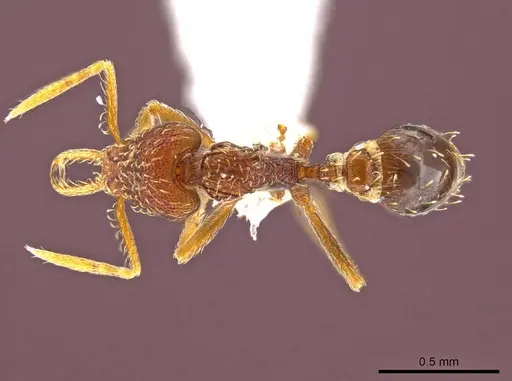
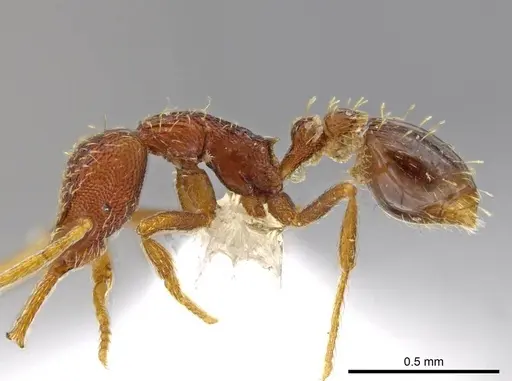
CASENT0618545
View on AntWeb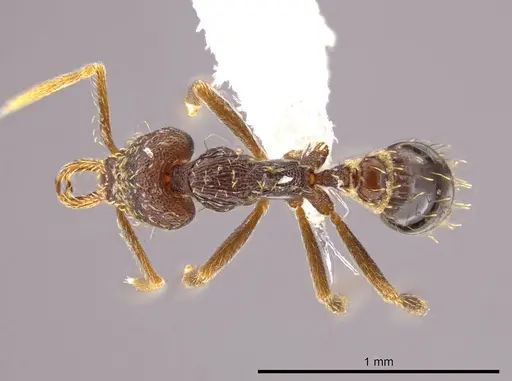
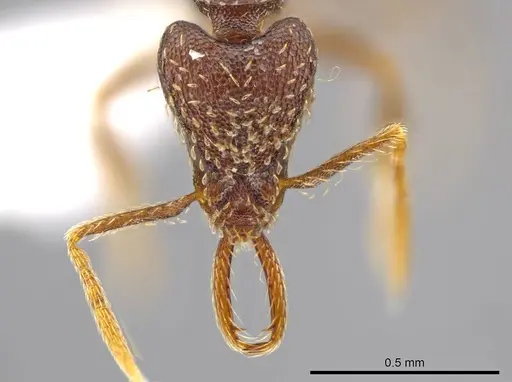
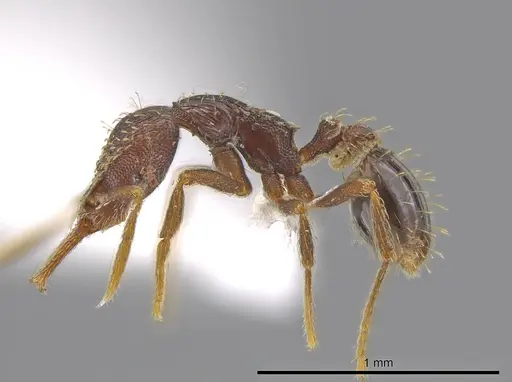
CASENT0619618
View on AntWeb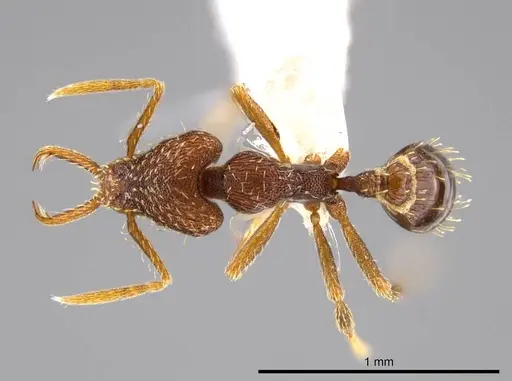
CASENT0619732
View on AntWeb
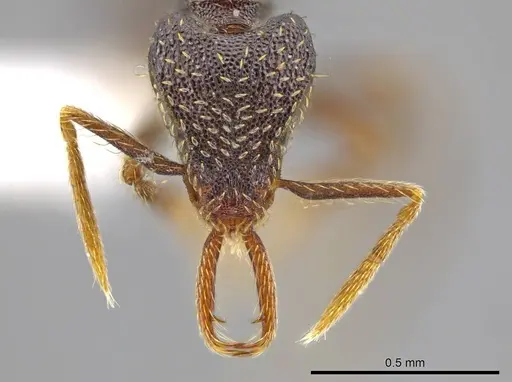
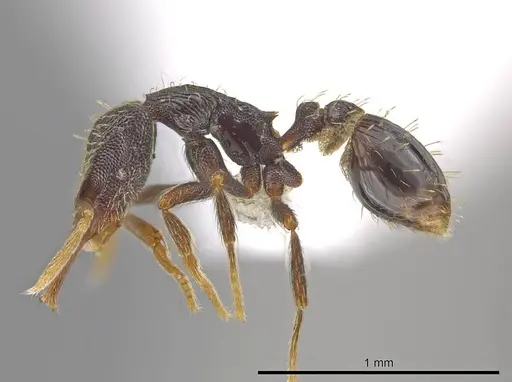
CASENT0619998
View on AntWeb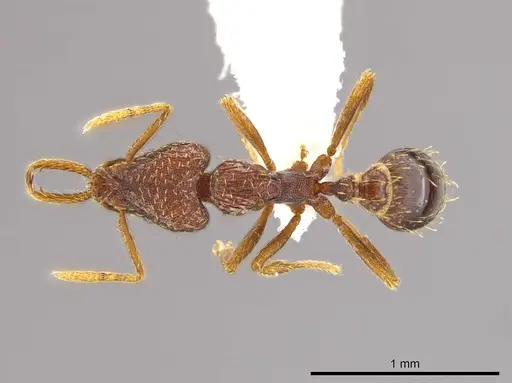
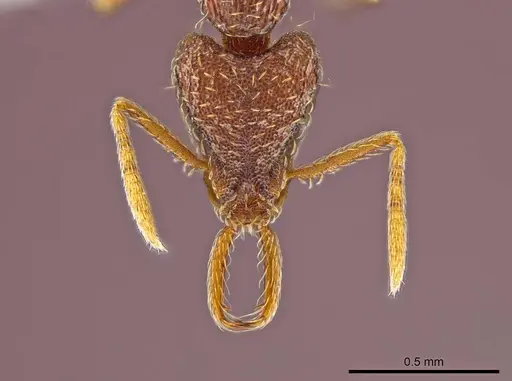
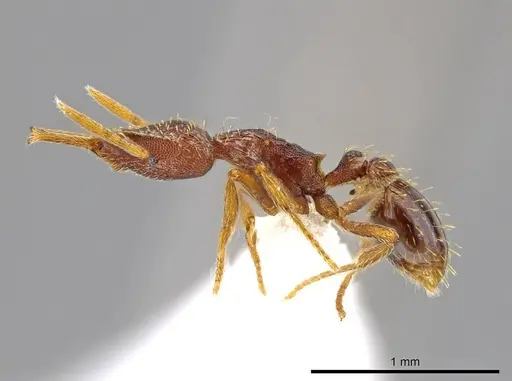
CASENT0624875
View on AntWeb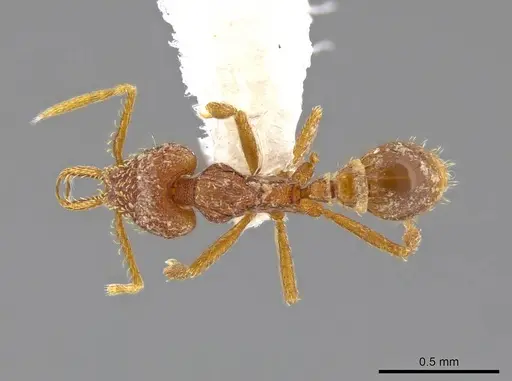
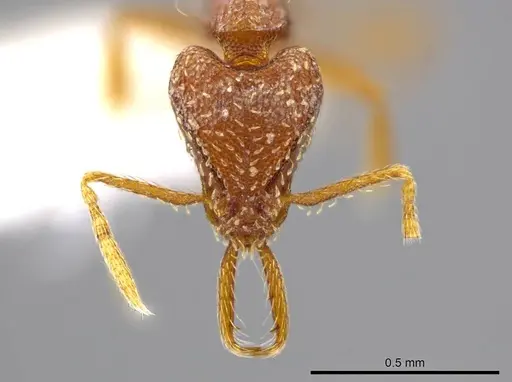
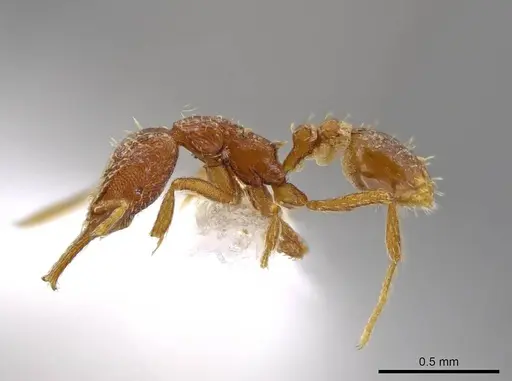
CASENT0625285
View on AntWeb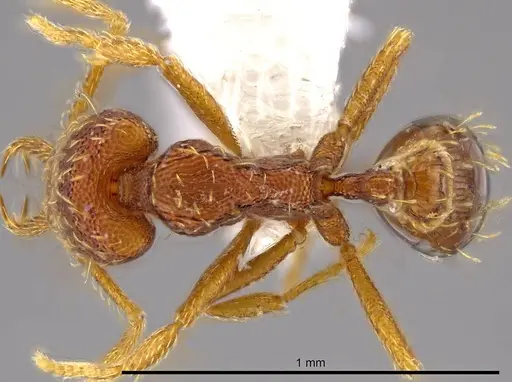
CASENT0914755
View on AntWeb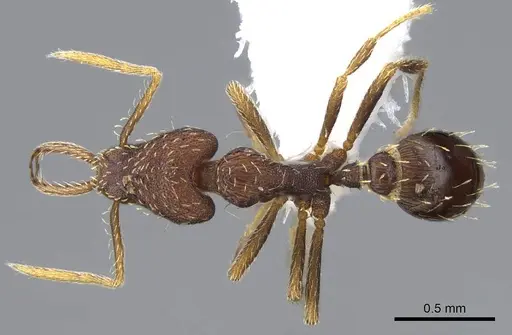
Literature
Loading distribution map...Loading products...