
Strumigenys thuvida
- Sci. Name
- Strumigenys thuvida
- Tribe
- Attini
- Subfamily
- Myrmicinae
- Author
- Bolton, 1983
- Distribution
- Found in 1 countries
Introduction
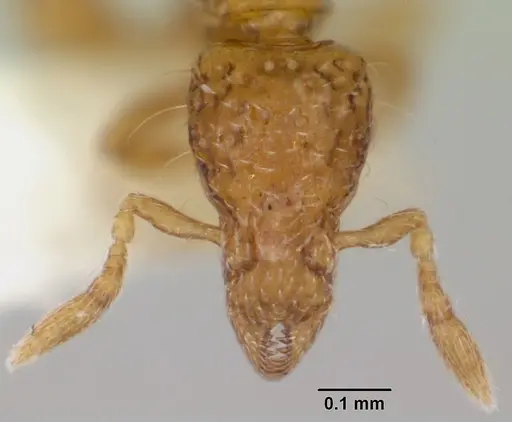
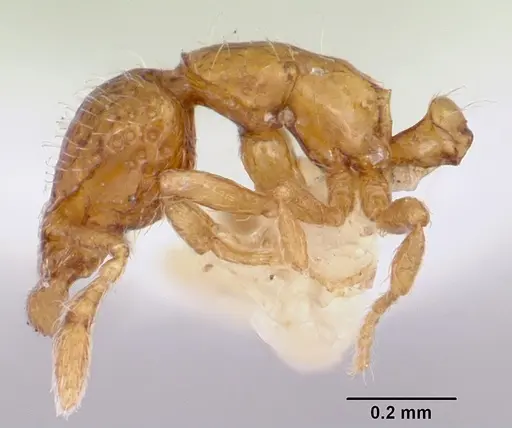
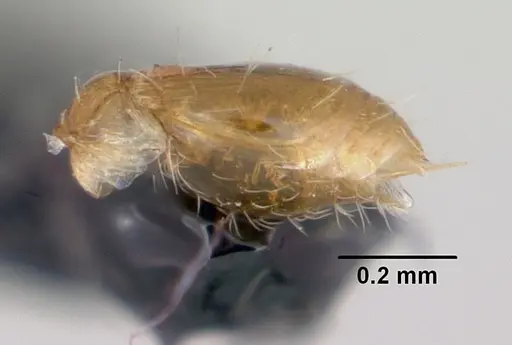
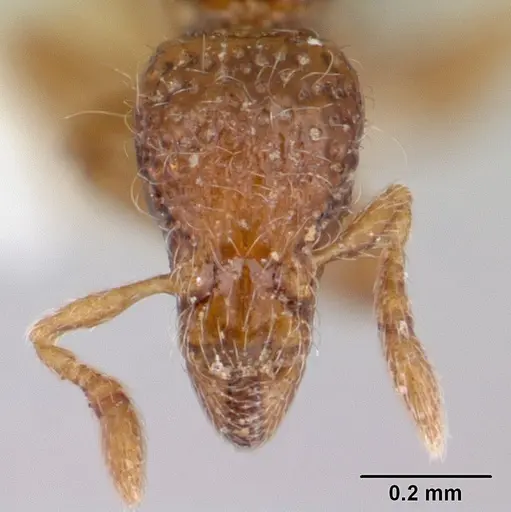
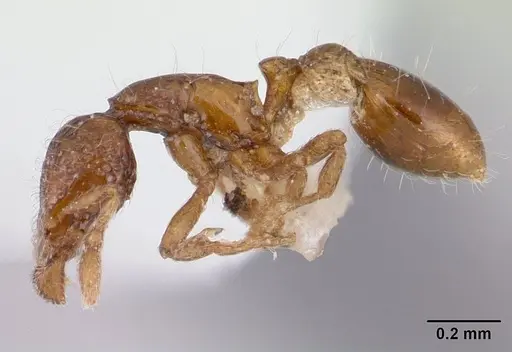
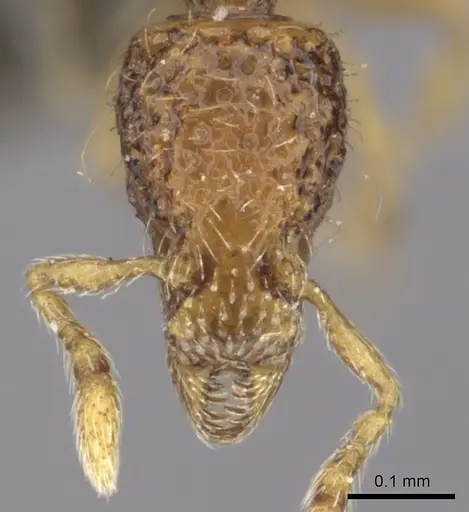
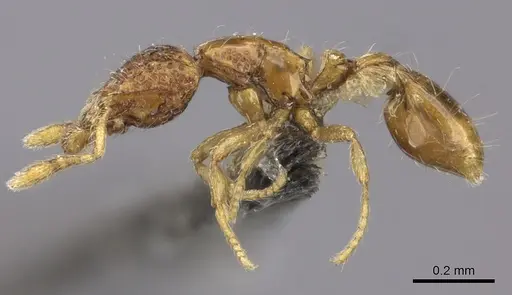
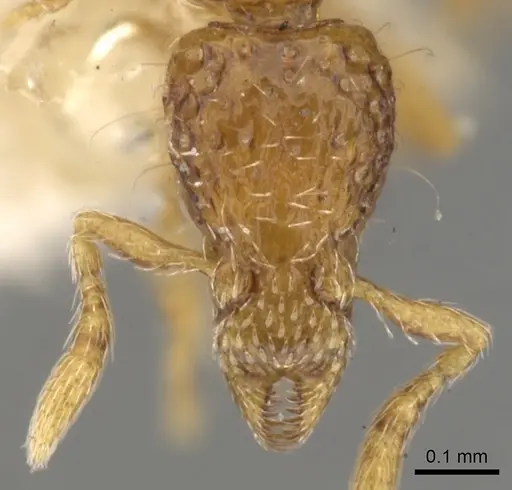
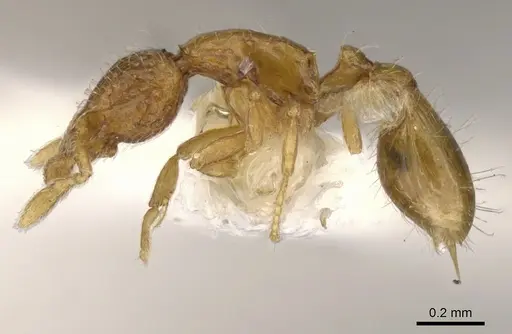
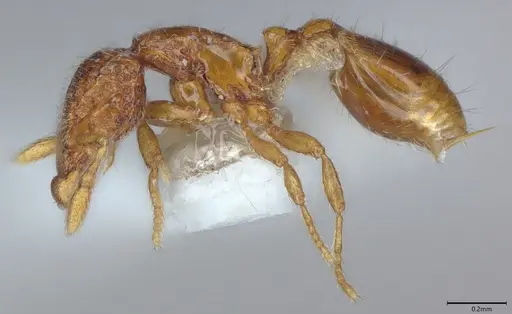
Strumigenys thuvida is a tiny, specialized predatory ant from the dacetine group, famous for their rapid trap-jaw mandibles. Workers are roughly 2-3 mm long (inferred from the genus) and have elongated, toothed mandibles that snap shut on small prey in milliseconds. This species was first documented in Rwanda's Akagera National Park in 2026,adding to the known diversity of African Strumigenys . In its natural savanna‑woodland habitat, it hunts springtails and other micro‑arthropods in leaf litter and decaying wood.
Quick Summary
- Difficulty: Hard
- Origin & Habitat: Akagera National Park in eastern Rwanda, a savanna‑woodland mosaic with distinct wet and dry seasons. The area has moderate elevation and a tropical climate [1].
- Colony Type: Likely single‑queen based on typical Strumigenys patterns. Colonies stay small, usually under 200 workers.
- Size & Growth:
- Queen: Size data unavailable, inferred from Strumigenys genus (~3-4 mm).
- Worker: Size data unavailable, inferred from Strumigenys genus (~2-3 mm).
- Colony: Up to about 200 workers at maturity, typical for the genus.
- Growth: Slow
- Development: An estimated 8-12 weeks, based on related Strumigenys species. (Development is slow, colonies take many months to reach moderate size.)
- Antkeeping:
- Temperature: Keep around 22-26 °C. They come from a warm tropical environment and do not tolerate cool temperatures [1]. Avoid sudden drops or drafts.
- Humidity: Provide a moisture gradient. Nest substrate should be damp but not waterlogged. Overall humidity around 60-70 % works, their natural savanna habitat is not constantly saturated, so avoid over‑wet conditions.
- Diapause: Minimal or no true diapause required. They are from near the equator, so year‑round warmth is adequate. Activity may slow during cool or dry periods, but no special winter care is needed.
- Nesting: Small test tubes with a water reservoir work well for founding. For larger colonies, use plaster or Y‑tong nests that hold moisture. Avoid acrylic nests. Keep the nest area consistently moist but not flooded.
- Behavior: These ants are specialized, shy predators. They forage mainly beneath leaf litter and rarely venture into open areas. They have a functional sting (typical of Myrmicinae) but it is medically insignificant and they are not aggressive toward humans. Their tiny size makes escape prevention critical, they can slip through gaps under 1 mm.
- Common Issues: very slow colony growth means mistakes during early development can be fatal, patience is key., high humidity requirements can cause mold if ventilation is poor, provide airflow., specialized diet (live springtails) is essential, they refuse sugar water and commercial ant foods., tiny workers and queen are easily lost, seal all openings with cotton or fine mesh., frequent disturbance can stress the colony and stop brood development.
Housing and Nest Setup
Start a colony in a test tube with a water reservoir separated by a cotton plug, this keeps humidity high and prevents flooding. For established colonies, use a small plaster or Y‑tong nest, these materials retain moisture well. Never use acrylic nests, as they don't hold humidity and the ants can't grip the surface. Seal all connections between nest and outworld with cotton or fine mesh to prevent escapes. An outworld the size of a small Tupperware box is enough, since colonies stay under 200 workers.
Feeding and Diet
Strumigenys thuvida is an obligate predator of tiny live prey. Springtails (Collembola) are ideal, culture your own to ensure a constant supply. They may also accept fruit flies, pinhead crickets, or tiny isopods. Unlike many ants, they rarely show interest in sugar or honey. Do not rely on commercial ant foods. Offer a few prey items every 2-3 days and remove leftovers after 24 hours to prevent mold.
Temperature and Seasonal Care
Keep temperatures stable between 22-26 °C. A small heating cable on one side of the nest can help, but avoid direct heat that dries out the colony. Because they originate from tropical Rwanda, they do not need a true hibernation period. Activity may drop during cooler or drier months, but this is not cold‑induced diapause. Maintain year‑round warmth and stable conditions. [1]
Behavior and Colony Dynamics
Workers use trap‑jaw mandibles to capture prey at lightning speed. This is one of the fastest predatory mechanisms in the animal kingdom. Colonies are slow to establish, the queen raises her first brood alone. Workers are timid and will flee rather than fight. They have a functional sting (typical of Myrmicinae) but it is not used in defense and is harmless to humans. The colony remains fragile throughout its life, minimize disturbance and avoid unnecessary moves.
Frequently Asked Questions
How long does it take for Strumigenys thuvida to produce first workers?
Expect 8-12 weeks from egg to first worker at optimal temperatures (around 24 °C). This is typical for Strumigenys, they develop slowly compared to common beginner species.
Can I keep Strumigenys thuvida in a test tube setup?
Yes, test tubes work well, especially during founding and early colony growth. Use a tube with a water reservoir separated by a cotton plug. The small colony size means they can stay in a test tube for many months or even indefinitely.
What do Strumigenys thuvida ants eat?
They eat only live, tiny prey. Springtails are the best option, culture your own supply. They will not accept sugar water, honey, or commercial ant foods. Other small live prey like fruit flies may be accepted occasionally.
How big do Strumigenys thuvida colonies get?
Colonies remain small, typically up to about 200 workers at maturity. This is normal for the genus, they are not large colony formers.
Do Strumigenys thuvida need hibernation?
No, they do not require hibernation. Being from tropical Rwanda, they are adapted to year‑round warm conditions. They may show reduced activity during cooler periods but no special winter care is needed.
Are Strumigenys thuvida good for beginners?
No, this species is best for experienced keepers. Their specialized live‑prey diet, high humidity needs, and very slow growth make them challenging. Beginners should start with hardier species like Lasius or Camponotus.
Why are my Strumigenys thuvida dying?
Common causes: too low humidity (they dry out easily), lack of live prey, temperature stress (they need 22-26 °C), and frequent disturbance. Check that the nest stays damp but not flooded, and that you provide live springtails regularly.
When should I move Strumigenys thuvida to a formicarium?
You can keep them in test tubes indefinitely. If you move them, wait until the colony has at least 30-50 workers and shows consistent activity. Use a small plaster or Y‑tong nest with good moisture retention.
How often should I feed Strumigenys thuvida?
Feed small prey every 2-3 days. Remove uneaten prey after 24 hours to prevent mold. Because colonies are small, a few prey items per feeding are enough. Adjust based on how quickly they consume the food.
Report an Issue
The current care sheet is based fully on literature. See inconsistencies, or something that's incorrect? Please , it will be resolved after review from an admin. Contributing to the blogs tab also helps providing information, to make us be able to further improve the caresheets. Thank you for your support!
References

This caresheet is licensed under CC BY-SA 4.0 .
Community Blogs
CASENT0102592
View on AntWeb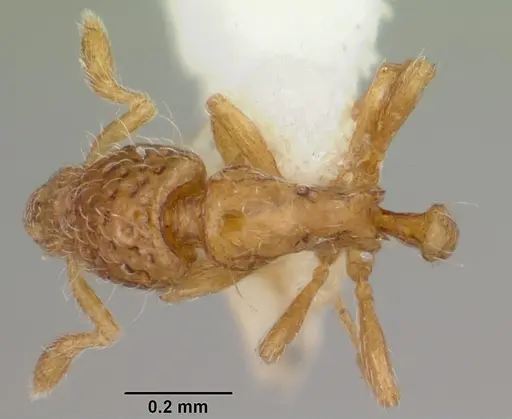
CASENT0178323
View on AntWeb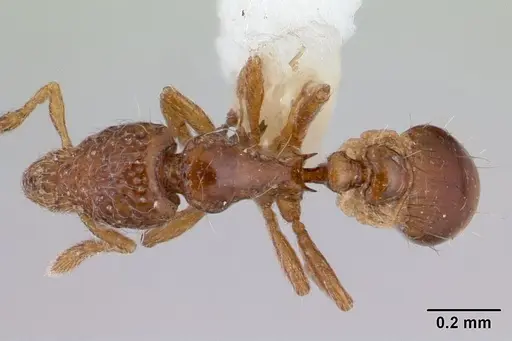
CASENT0217188
View on AntWeb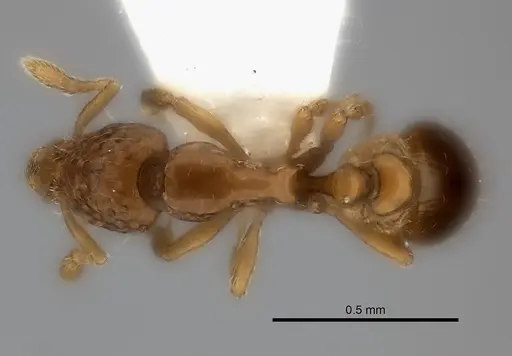
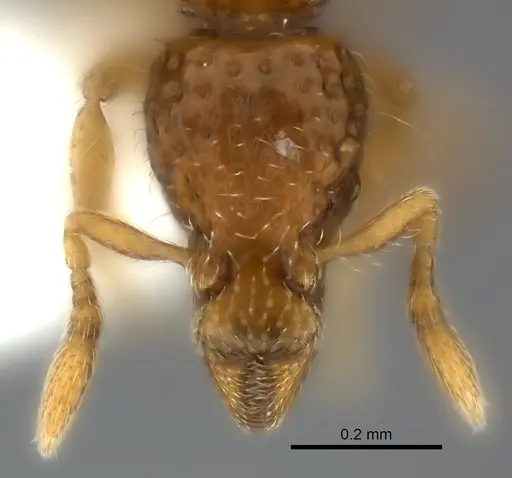
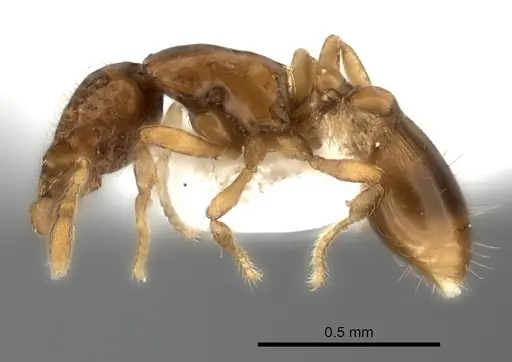
CASENT0235698
View on AntWeb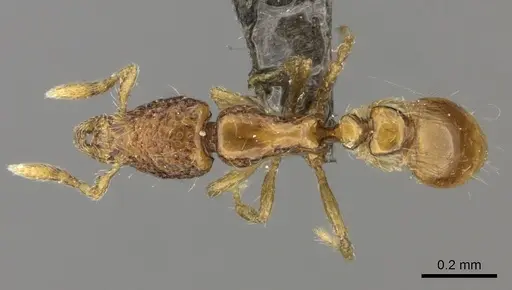
CASENT0900051
View on AntWeb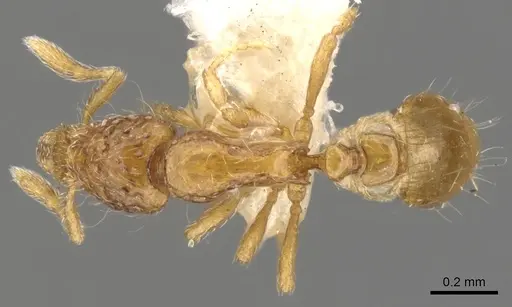
CASENT4036273
View on AntWeb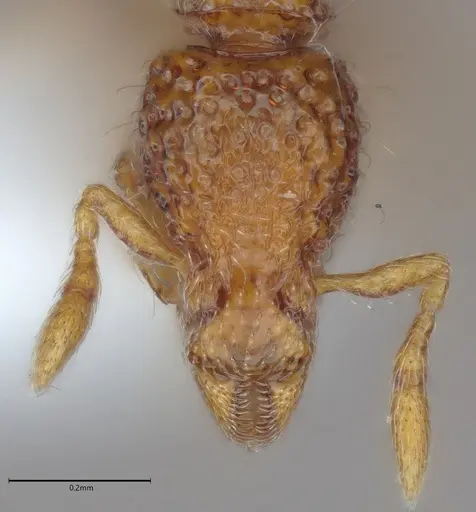
Literature
Loading distribution map...Loading products...