
Strumigenys tathula
- Sci. Name
- Strumigenys tathula
- Tribe
- Attini
- Subfamily
- Myrmicinae
- Author
- Bolton, 2000
- Distribution
- Found in 1 countries
Introduction
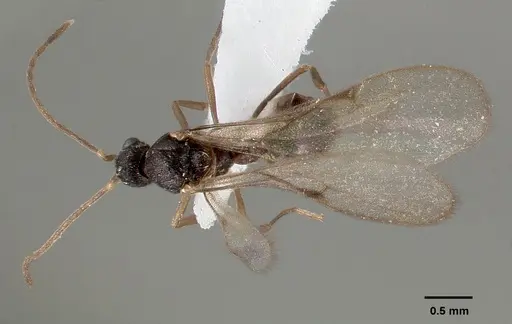
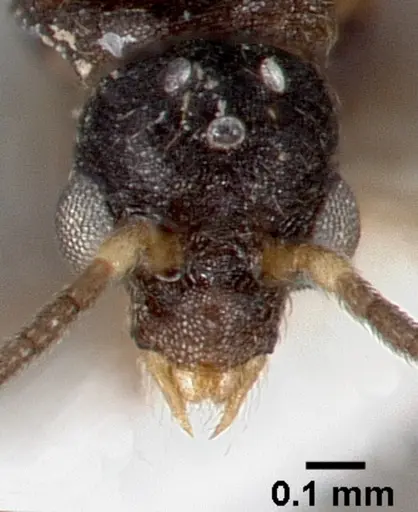
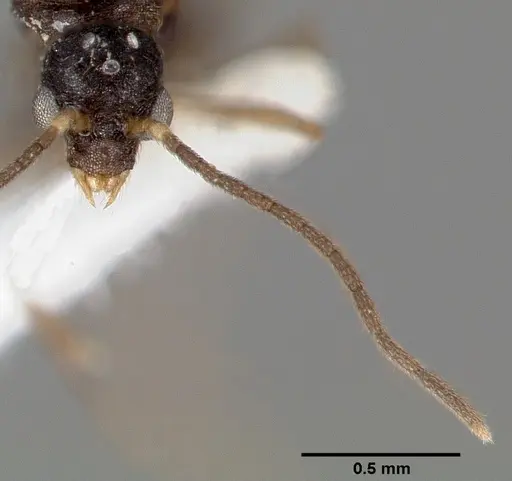
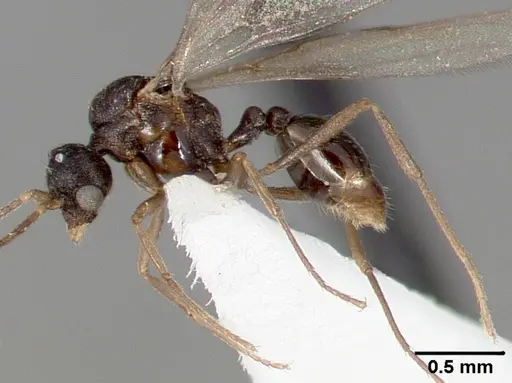
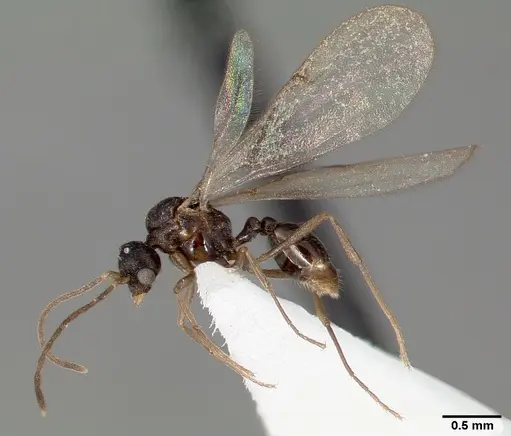
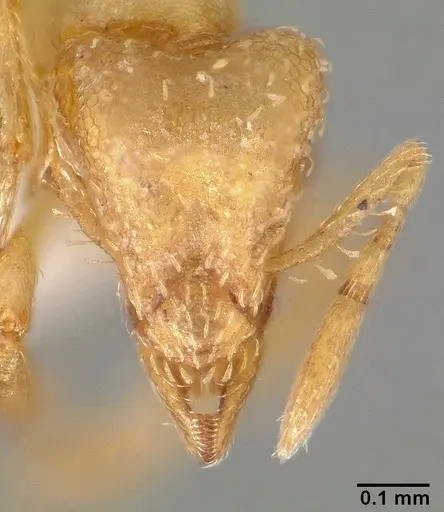
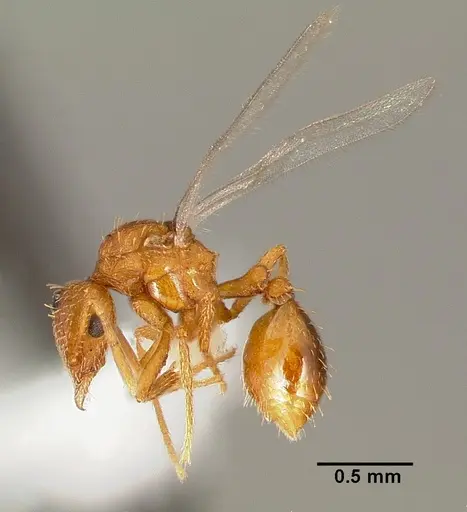
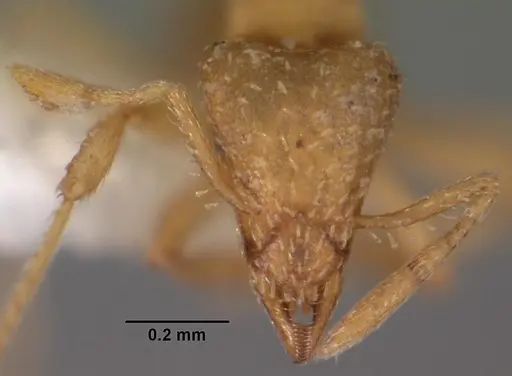
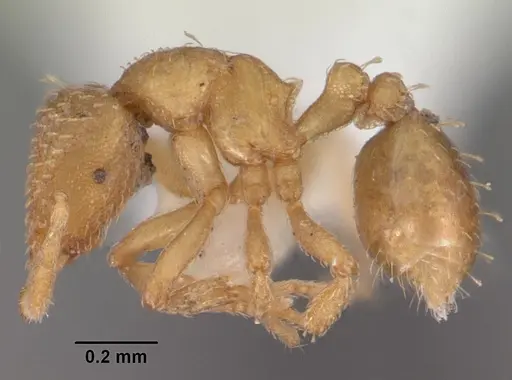
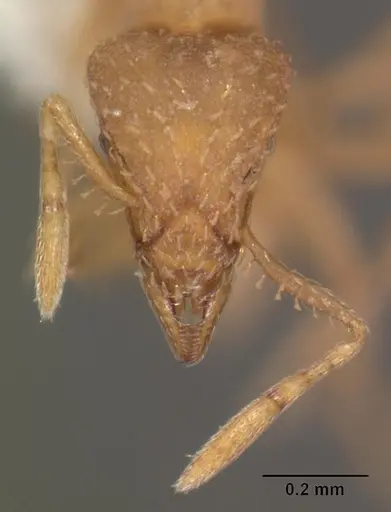
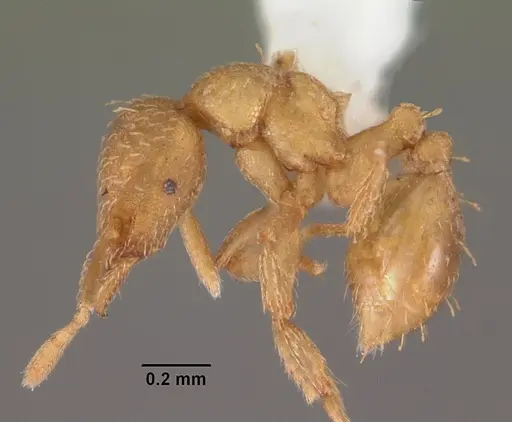
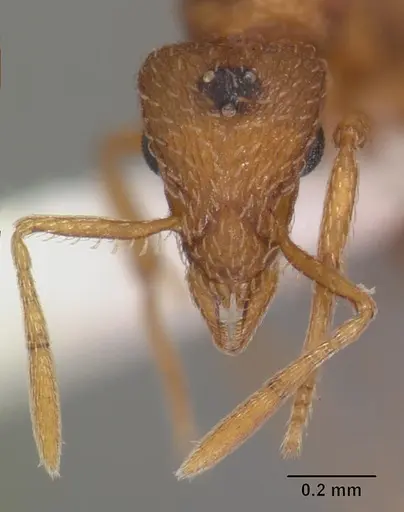
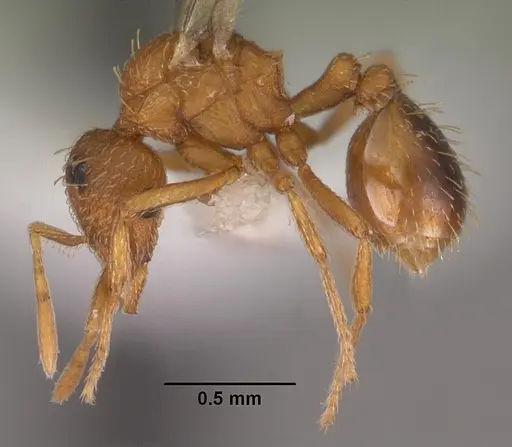
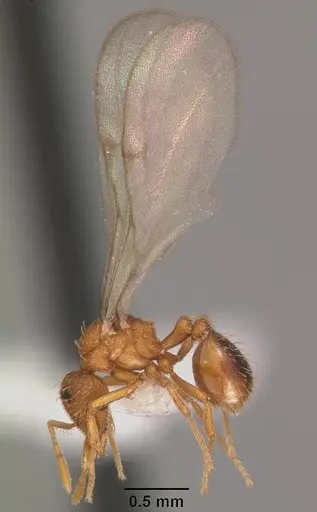
Strumigenys tathula is a tiny ant endemic to Madagascar, found only in grassland habitats on the high plateau . It was originally described as Pyramica tathula . No measurements, behavior, or ecological details are recorded beyond its collection by litter sifting . Like other members of the genus, it may possess specialized mandibles for hunting small arthropods, but this has not been confirmed for this species.
Quick Summary
- Difficulty: Hard
- Origin & Habitat: Endemic to Madagascar, found exclusively in grassland habitats on the high plateau [1]. Collected by litter sifting [1].
- Colony Type: Unknown, no colony structure data exists for this species.
- Size & Growth:
- Queen: Unknown, no body size measurements recorded. Estimated around 3-4 mm based on typical Strumigenys genus size.
- Worker: Unknown, no body size measurements recorded. Estimated around 2-3 mm based on typical Strumigenys genus size.
- Colony: Unknown, no colony size data available.
- Growth: Unknown
- Development: Unknown, no development data exists. (No specific development timeline has been recorded for this species.)
- Antkeeping:
- Temperature: Unknown, based on high plateau Madagascar grassland habitat, likely warm (22-26°C) but no specific requirements confirmed.
- Humidity: Unknown, likely high due to litter habitat, but no specific data.
- Diapause: Unknown, Madagascar's mild climate suggests no diapause, but unconfirmed.
- Nesting: Unknown, likely nests in leaf litter and soil based on collection method (litter sifting) [1].
- Behavior: Unknown, no behavioral observations recorded for this species. As a tiny ant, escape prevention is critical, use fine mesh or tight seals.
- Common Issues: no established captive care protocols exist, all care is experimental., escape prevention is critical due to tiny size, use fine mesh barriers., unknown dietary needs, may require live micro-prey like springtails, but unconfirmed., slow growth or failure to thrive likely if conditions are not exactly suited to unstudied requirements.
Housing and Nest Setup
Because nothing is known about the natural nests of this species, housing is entirely speculative. Based on its collection from leaf litter (litter sifting) [1], it likely nests in soil or rotten wood within the grassland leaf layer. Provide a setup with fine soil and leaf litter, with compact chambers. Y-tong (AAC) or plaster nests scaled to tiny ants may work, but no specific recommendations can be made. Ensure excellent escape prevention.
Feeding and Diet
No dietary records exist for Strumigenys tathula [1]. Many Strumigenys species are specialized predators of springtails, but this is not confirmed. If keeping this species, offer live springtails, fruit fly larvae, and other tiny arthropods. They may not accept dead or sugary foods. Experiment cautiously and monitor acceptance.
Temperature and Humidity
No specific temperature or humidity preferences are known. Based on the grassland habitat of the high plateau in Madagascar, a warm (22-26°C) and humid environment is a reasonable starting point. Keep the nest substrate moist but not waterlogged, and provide a water source. Humidity should be high but unquantified. Avoid extremes until more is learned. [1]
Behavior and Temperament
No behavioral observations have been recorded for this species [1]. As a myrmicine ant with a sting, it may use it defensively, but this is not documented. Their tiny size means they pose minimal risk to humans, but also makes them easy to lose. They are likely non-aggressive, but all statements about temperament are speculative.
Colony Development
No information is available on colony founding or growth for Strumigenys tathula [1]. It is unknown whether queens found claustrally or sem-claustrally, how quickly colonies grow, or what colony size they reach. All care relating to development is experimental.
Frequently Asked Questions
What do Strumigenys tathula ants eat?
No dietary records exist for this species [1]. Like many Strumigenys, they may be specialized predators of springtails, but this is unconfirmed. Offer live micro-prey and observe.
How long does it take for Strumigenys tathula to raise first workers?
Unknown, no development data exists for this species [1]. Any estimates would be purely speculative.
Can I keep Strumigenys tathula in a test tube?
Unknown, no housing recommendations exist. A test tube with Fluon might work for founding, but because nothing is known about their nest preferences, you may need to experiment. Ensure excellent escape prevention.
Are Strumigenys tathula good for beginners?
No, because so little is known about their care, they are extremely challenging. Only experienced keepers willing to experiment should attempt keeping this species.
What temperature do Strumigenys tathula need?
Unknown, based on their grassland habitat in Madagascar, start with 22-26°C and adjust based on colony response. No confirmed range exists [1].
How big do Strumigenys tathula colonies get?
Unknown, no colony size data exists [1]. Most Strumigenys colonies are small (under 100 workers), but this is speculative.
Do Strumigenys tathula need hibernation?
Probably not, Madagascar has a mild climate, but no specific diapause data exists [1]. A slight winter cooling may be safe but is not required.
Why are my Strumigenys tathula dying?
Common causes likely include inappropriate humidity, temperature, or lack of suitable live food. Since care is unstudied, any die-off may be due to unknown factors. Keep detailed records [1].
Can I keep multiple Strumigenys tathula queens together?
Unknown, no data on social structure exists [1]. It is not recommended to combine queens without evidence of polygyny in this species.
Report an Issue
The current care sheet is based fully on literature. See inconsistencies, or something that's incorrect? Please , it will be resolved after review from an admin. Contributing to the blogs tab also helps providing information, to make us be able to further improve the caresheets. Thank you for your support!
References

This caresheet is licensed under CC BY-SA 4.0 .
Community Blogs
CASENT0005460
View on AntWeb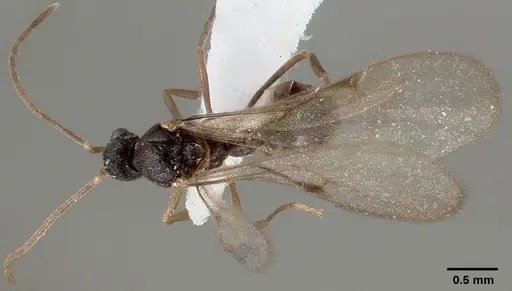
CASENT0005461
View on AntWeb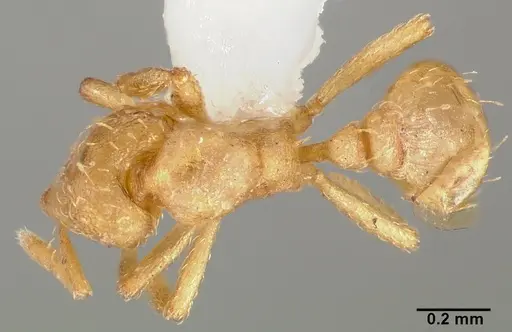
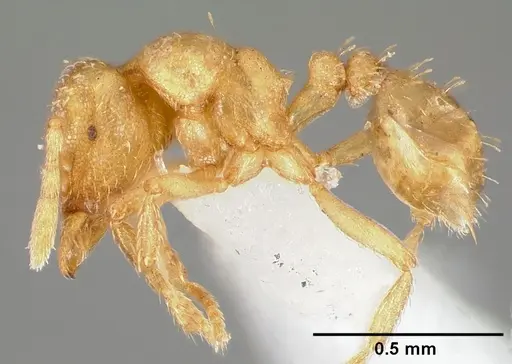
CASENT0006070
View on AntWeb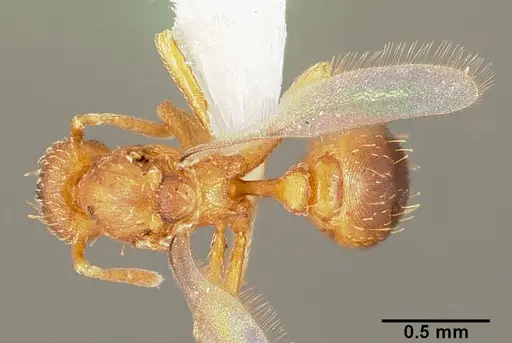
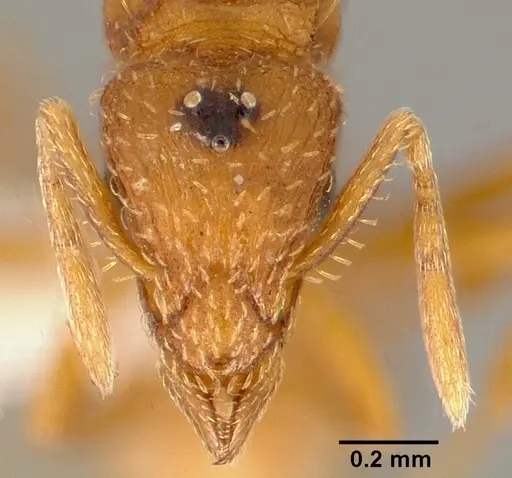
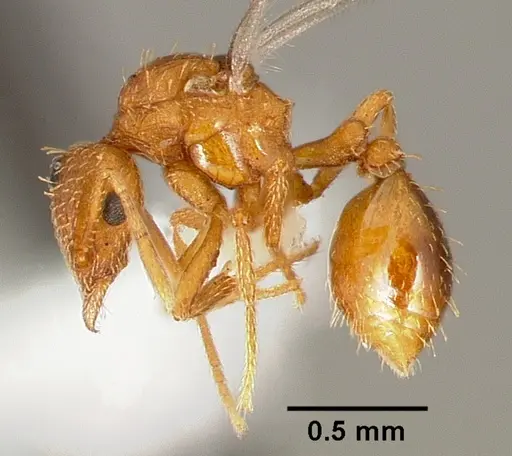
CASENT0006071
View on AntWeb
CASENT0102259
View on AntWeb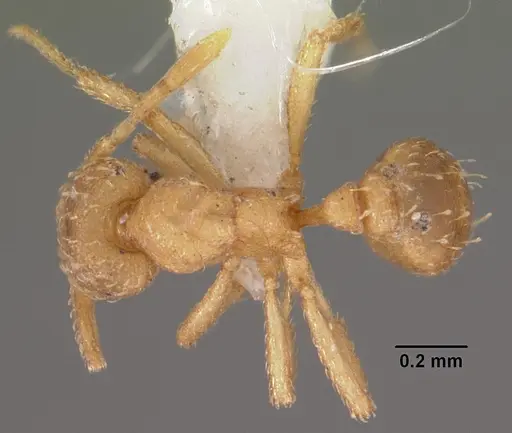
CASENT0102260
View on AntWeb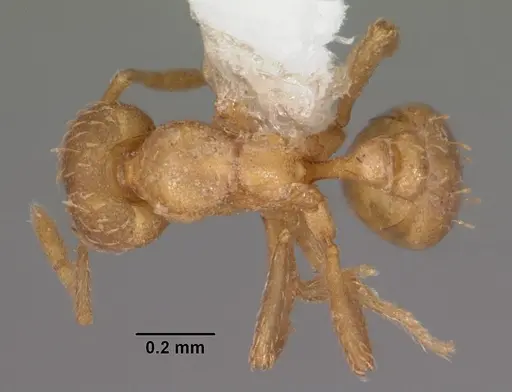
CASENT0102261
View on AntWeb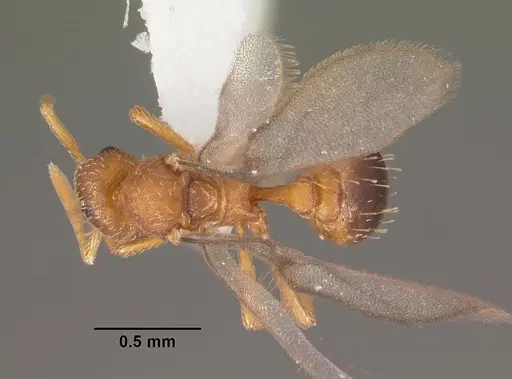
Literature
Loading distribution map...Loading products...