
Strumigenys sylvaini
- Sci. Name
- Strumigenys sylvaini
- Tribe
- Attini
- Subfamily
- Myrmicinae
- Author
- Fisher, 2000
- Distribution
- Found in 1 countries
Introduction
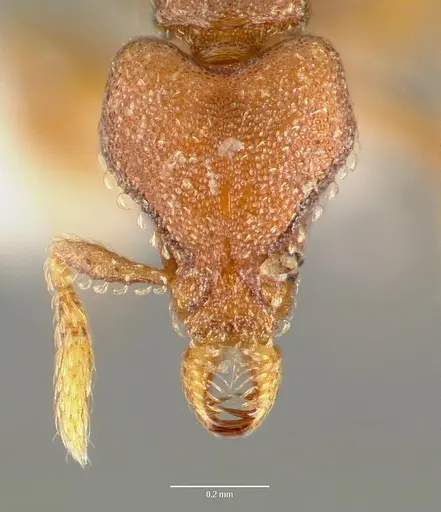
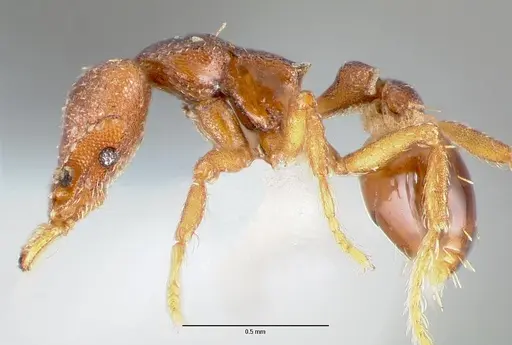
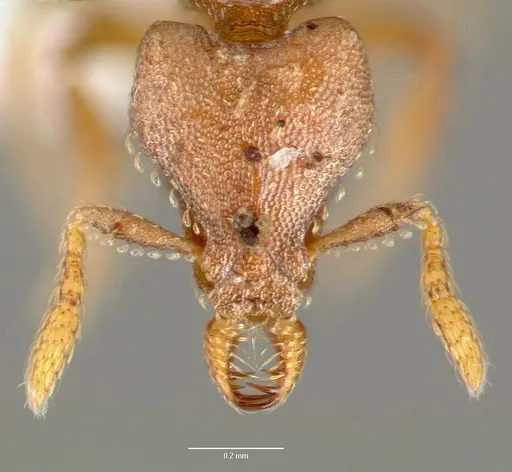
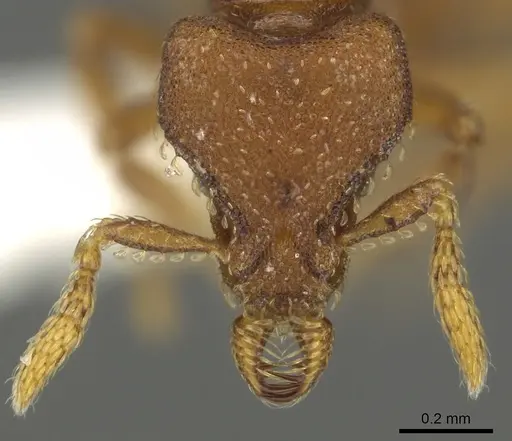
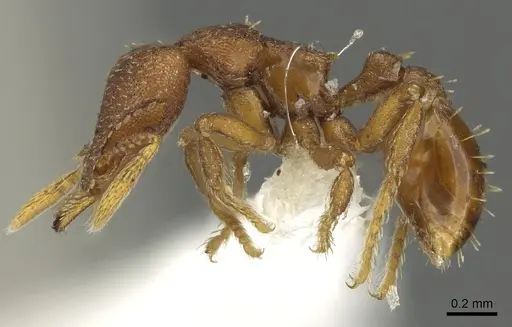
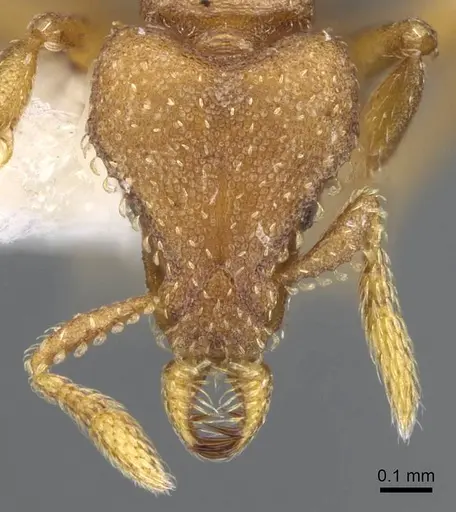
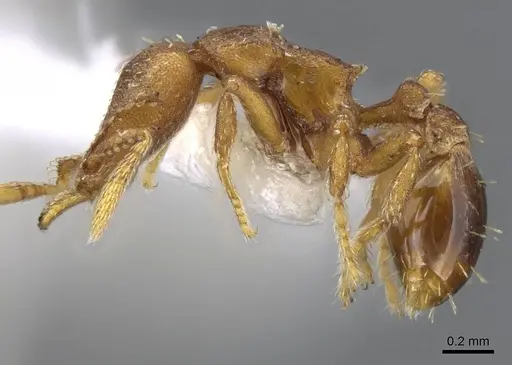
Strumigenys sylvaini is a tiny predatory ant endemic to the highland forests of Madagascar. Workers are estimated at ~2-3mm (inferred from Strumigenys genus) with the characteristic trap-jaw mandibles typical of the genus - their large, toothed jaws snap shut to capture prey. These ants are specialized springtail hunters. The species is known only from high-elevation forest sites in central Madagascar (RNI d'Andringitra and Réserve Spéciale de Manongarivo,1580-1860m), where they live in the leaf litter layer . Colonies are small, likely under 200 workers based on genus patterns.
Quick Summary
- Difficulty: Hard
- Origin & Habitat: Endemic to the highland forests of central Madagascar, specifically found at elevations between 1580-1860m in the Réserve Spéciale de Manongarivo and RNI d'Andringitra regions. They inhabit the forest floor leaf litter layer [1][2].
- Colony Type: Colony structure is unconfirmed for this species. Most Strumigenys are believed to be monogyne (single queen), but this has not been verified for S. sylvaini.
- Size & Growth:
- Queen: ~3-4mm, inferred from Strumigenys genus
- Worker: ~2-3mm, inferred from Strumigenys genus
- Colony: Likely under 200 workers based on typical Strumigenys colony sizes
- Growth: Slow
- Development: Unknown for this species, related Strumigenys take 2-3 months at typical temperatures (Development is temperature-dependent, cooler conditions likely slow it down.)
- Antkeeping:
- Temperature: Temperature needs are unknown for this species. Based on its highland habitat (1580-1860m), it likely prefers cool, stable conditions. Start at typical room temperature (20-22°C) and observe. Avoid temperatures above 26°C [2].
- Humidity: High humidity is essential, think damp forest floor. Keep the nest substrate consistently moist but not waterlogged. Provide a gradient from damp to slightly drier areas so ants can choose their preferred microclimate [1][2].
- Diapause: Unknown for this specific species. Related temperate Strumigenys require a winter cool period, but this Madagascar highland species may have different seasonal requirements. Monitor colony activity and adjust care if reduced activity is observed.
- Nesting: In captivity, they do well in small, humid setups like test tubes with access to a foraging area, or small plaster/soil nests with tight chambers. They prefer dark, confined spaces and will not use large open areas. Avoid acrylic nests, use Y-tong, plaster, or 3D-printed nests instead.
- Behavior: These ants are extremely cryptic and spend most of their time hunting in leaf litter. They are not aggressive and will flee from threats rather than fight. Their trap-jaw mechanism is primarily for hunting springtails, not defense. Workers are slow-moving and not particularly active. Escape prevention is critical due to their tiny size (under 4mm), they can squeeze through remarkably small gaps. They have a functional stinger (subfamily Myrmicinae) but rarely use it on humans, any bite is imperceptible.
- Common Issues: live food requirement is the biggest challenge, they refuse dead prey and need a constant supply of springtails or other tiny live arthropods., escape prevention must be excellent due to their minute size, standard barriers often fail., slow growth and small colony sizes can be discouraging for beginners., high humidity requirements can lead to mold problems if ventilation is poor., wild-caught colonies may carry parasites, quarantine new colonies if possible.
Housing and Nest Setup
Strumigenys sylvaini requires a small, humid setup that mimics their natural leaf litter habitat. A test tube setup connected to a small foraging area works well, or you can use a small plaster or soil nest with chambers sized for tiny workers. The nest chambers should be tight, these ants feel secure in confined spaces and will not use large, open areas. Cover the nest to keep it dark and humid. A small water reservoir helps maintain humidity without flooding. The foraging area should have a layer of moist soil or plaster. Escape prevention is critical, use fluon on all edges and ensure no gaps larger than 1mm [1][2].
Feeding and Diet
This is the most challenging aspect of keeping Strumigenys sylvaini. They are obligate predators that specialize in hunting springtails (Collembola) and other tiny soil arthropods. They will not accept dead prey, sugar water, or conventional ant foods. You must maintain a culture of live springtails to feed your colony. Other acceptable prey includes tiny isopods, booklice, and micro-arthropods. Feed small prey items (1-3mm) every few days, removing leftovers to prevent mold. A well-established springtail culture can sustain a small colony, but as the colony grows you may need multiple cultures [1].
Temperature and Seasonal Care
Keep Strumigenys sylvaini at room temperature (20-22°C). Based on its highland habitat, avoid temperatures above 26°C. Do not use a heating cable unless the room is very cool (below 18°C), and if so, provide a gentle gradient so ants can choose. Seasonal diapause requirements are undocumented, observe the colony for natural activity cycles and adjust accordingly [2].
Behavior and Observation
Strumigenys are interesting to watch because of their unique hunting method. Workers patrol slowly through the leaf litter, and when they detect prey, their trap-jaw mandibles snap shut, one of the fastest animal movements known. Despite this, they are not aggressive toward humans and will simply flee if disturbed. The colony is most active during feeding, otherwise staying hidden. Use a magnifying glass to appreciate their tiny size and behaviors. They have a functional stinger (subfamily Myrmicinae) but rarely use it defensively.
Frequently Asked Questions
Can I keep Strumigenys sylvaini in a test tube setup?
Yes, a test tube setup works well for this species. Use a small test tube with a water reservoir and cotton plug, connected to a small foraging area. Keep the tube covered to maintain darkness and humidity. Ensure the setup is escape-proof, these tiny ants can squeeze through small gaps.
How long does it take for the first workers to emerge?
This is unknown for S. sylvaini. Based on related Strumigenys species, expect 2-3 months from founding to first workers. Development is slow because the queen must feed larvae individually. Avoid rushing with excessive heat.
What do Strumigenys sylvaini eat?
They eat live springtails and other tiny soil arthropods. They are obligate predators and will not accept dead food, honey, or sugar. You need to maintain a springtail culture to feed your colony. Other tiny prey like booklice may also be accepted.
Are Strumigenys ants good for beginners?
No, this species is not recommended for beginners. The live springtail requirement, high humidity needs, and tiny size make them challenging. They also grow very slowly and colonies remain small. Start with easier species like Lasius or Tetramorium before attempting Strumigenys.
How big do Strumigenys sylvaini colonies get?
Colonies are likely under 200 workers at maturity. This is typical for the genus, they maintain small, discreet colonies. Growth is slow, taking months or years to reach this size.
Do Strumigenys sylvaini need hibernation?
Unknown for this species. As a Madagascar highland species from 1580-1860m, they may experience cooler seasonal conditions, but diapause requirements have not been documented. Monitor your colony for natural activity changes and provide a cool period (15-18°C) if activity decreases during winter months.
Why are my Strumigenys dying?
Common causes are: lack of live springtail prey (they starve on dead food), escape through tiny gaps, mold from poor ventilation, or temperature stress (too warm). Check each factor. Wild-caught colonies may also carry parasites.
When should I move Strumigenys sylvaini to a formicarium?
You may not need to move them to a traditional formicarium. A test tube with a small foraging area can house them for their entire lives given their small colony size. Only consider moving if the colony significantly outgrows the setup, which may take years.
Can I keep multiple queens together?
Colony structure is unconfirmed for this species. Most Strumigenys are monogyne (single queen), so combining unrelated queens could lead to fighting. Ergatoid replacement queens may appear if the primary queen dies, do not remove them.
Report an Issue
The current care sheet is based fully on literature. See inconsistencies, or something that's incorrect? Please , it will be resolved after review from an admin. Contributing to the blogs tab also helps providing information, to make us be able to further improve the caresheets. Thank you for your support!
References

This caresheet is licensed under CC BY-SA 4.0 .
Community Blogs
CASENT0004282
View on AntWeb


CASENT0005639
View on AntWeb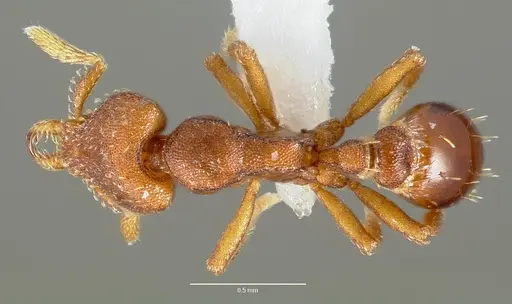
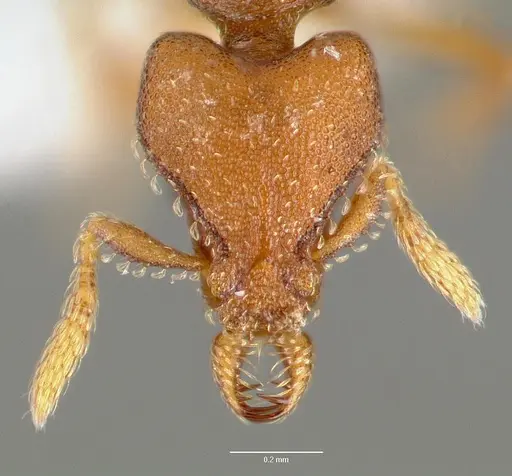
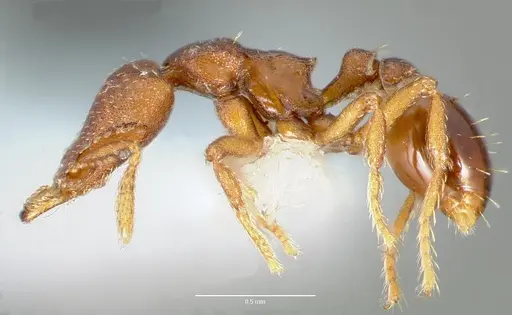
CASENT0005640
View on AntWeb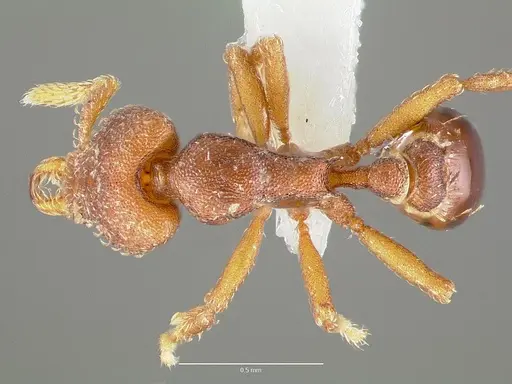
CASENT0005641
View on AntWeb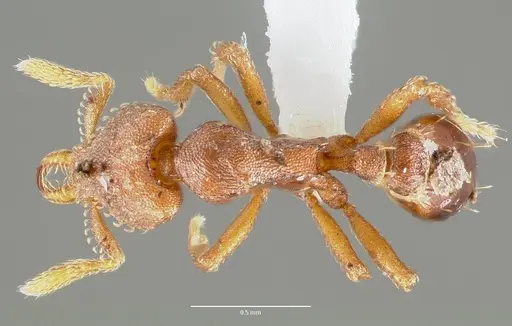
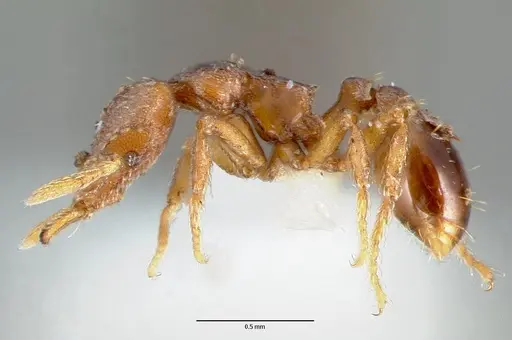
CASENT0006033
View on AntWeb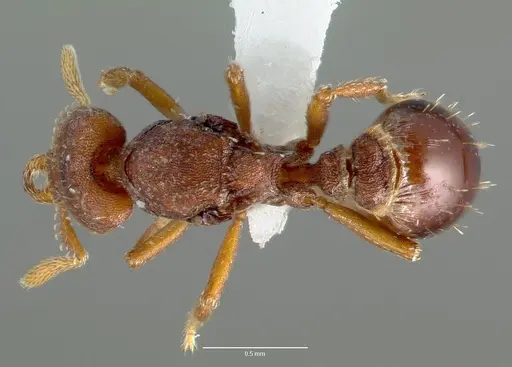
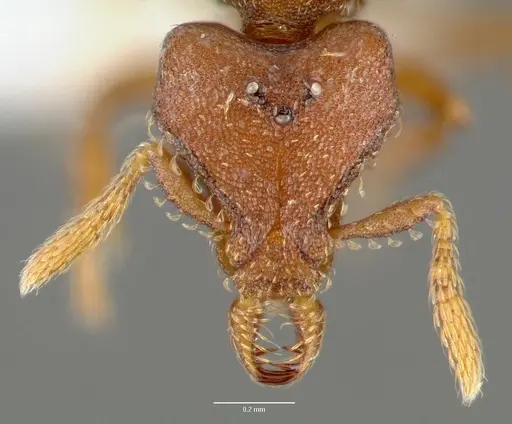
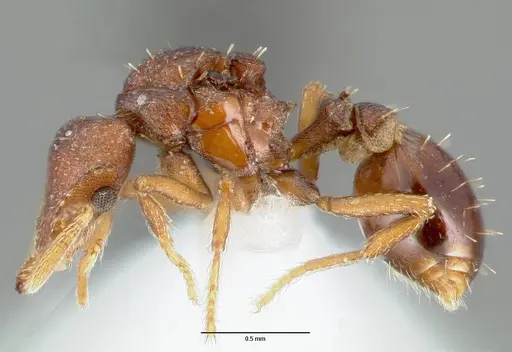
CASENT0900694
View on AntWeb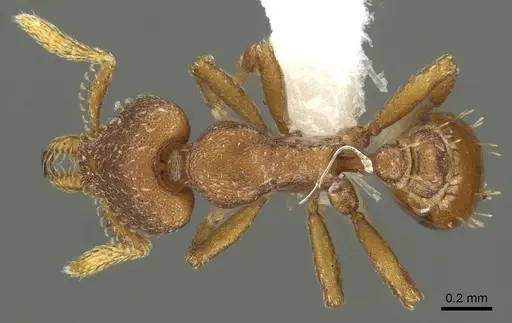
CASENT0914777
View on AntWeb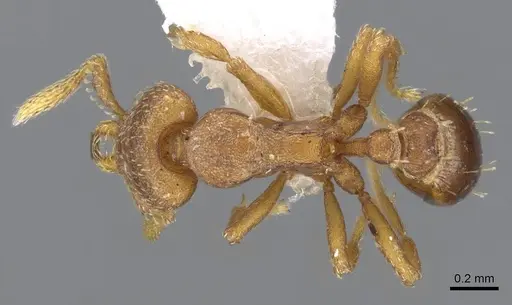
Literature
Loading distribution map...Loading products...