
Strumigenys sutrix
- Sci. Name
- Strumigenys sutrix
- Tribe
- Attini
- Subfamily
- Myrmicinae
- Author
- Bolton, 2000
- Distribution
- Found in 1 countries
Introduction
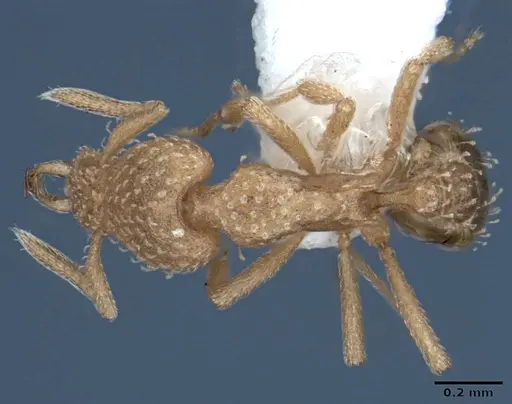
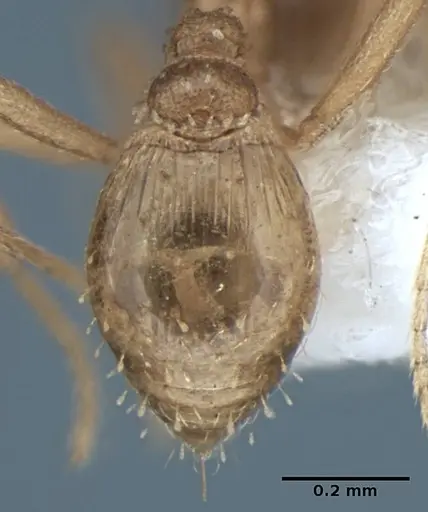
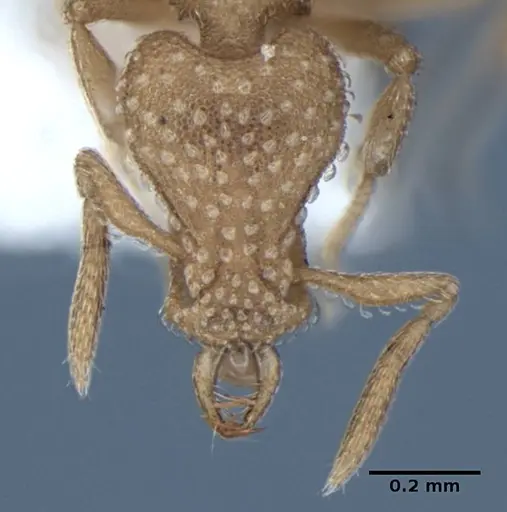
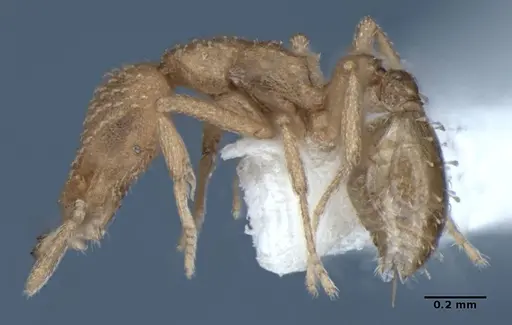
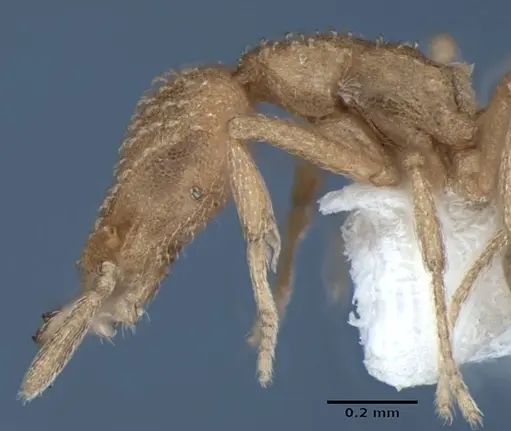
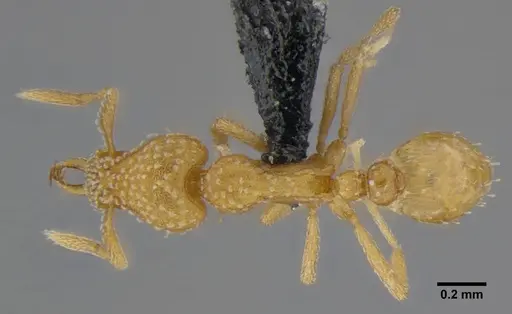
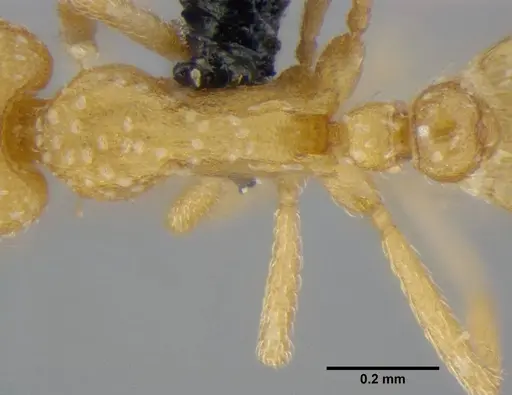
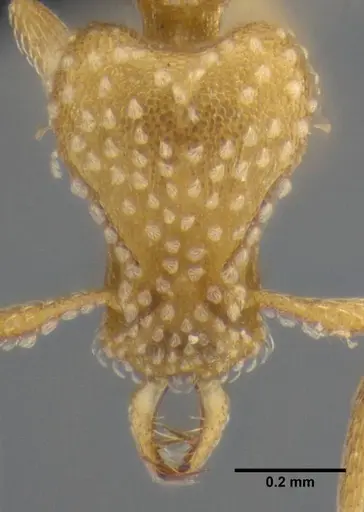
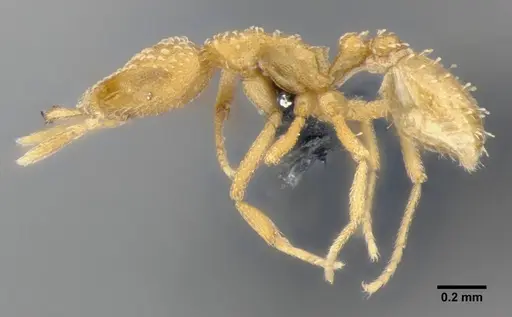
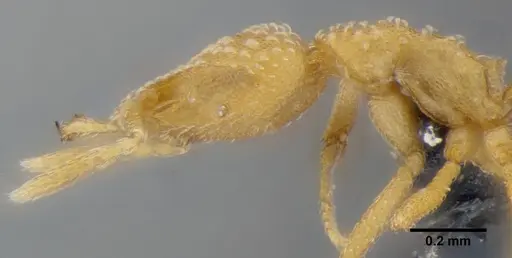
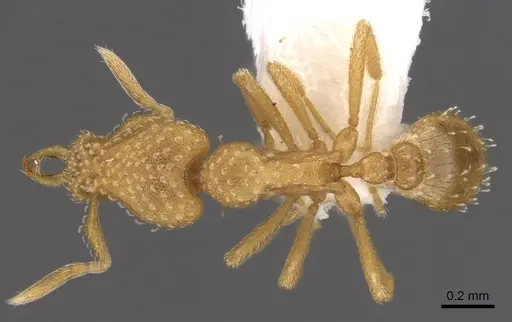
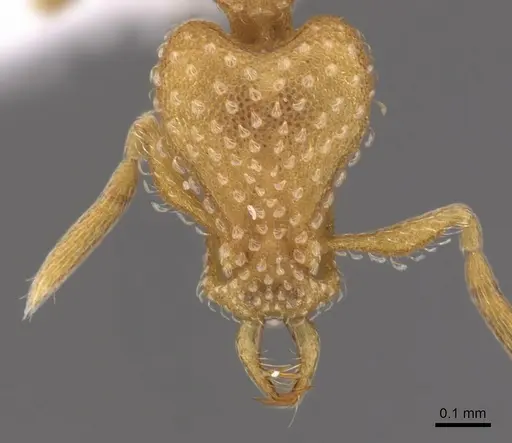
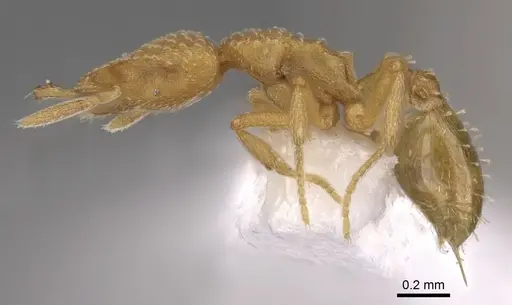
Strumigenys sutrix is a tiny predatory ant species from tropical north-western Australia. Workers are minute, about 2-3mm, with the trap-jaw mandibles typical of the genus. These ants belong to the cryptic functional group, living and hunting in leaf litter and soil . They have only been recorded in the Mitchell Falls area of the Kimberley, at laterite and sandstone sites . The species is one of the rarest Australian Strumigenys: only seven individuals have ever been documented in scientific surveys . Unlike many ants, colonies are small and slow-growing, focused on specialized hunting of micro-arthropods.
Quick Summary
- Difficulty: Expert
- Origin & Habitat: Tropical north-western Australia (Kimberley region). Recorded at laterite and sandstone sites in the Mitchell Falls area, in leaf litter and soil microhabitats [1].
- Colony Type: Unknown. Based on typical genus patterns, likely monogyne (single queen) with a very small colony size.
- Size & Growth:
- Queen: Inferred from genus: roughly 3-4mm
- Worker: Inferred from genus: roughly 2-3mm
- Colony: Unknown, only 7 individuals ever recorded in surveys [1]. Likely stays under 100 workers.
- Growth: Slow, typical of specialized Strumigenys species
- Development: Unknown, inferred from related species: likely 8-12 weeks at warm temperatures (No direct data available. Estimate based on genus patterns for tropical litter-dwelling species.)
- Antkeeping:
- Temperature: Keep at 24-28°C (tropical species, likely requires warmth). Provide a gradient with a heating cable.
- Humidity: High humidity, keep nest substrate moist but not waterlogged. A naturalistic soil/leaf litter setup helps maintain humidity.
- Diapause: Unknown, being from tropical Australia, they likely have no true diapause, but this is not confirmed.
- Nesting: Naturalistic setup with moist soil and leaf litter works best. A Y-tong or plaster nest with very small chambers can also work if humidity is high.
- Behavior: Very cryptic and non-aggressive. Workers hunt individually in leaf litter, using their trap-jaw mandibles on springtails and other tiny prey. They have a functional stinger but it is not medically significant to humans. Escape prevention is critical due to their tiny size, use fine mesh and tight seals.
- Common Issues: tiny size makes escape prevention difficult, use fine mesh and tight-fitting lids, specialized diet, they need live springtails and may refuse standard ant foods, slow growth tests patience, colonies develop very slowly, limited documentation, most care information is inferred from related species, difficulty sourcing colonies, only 7 individuals ever recorded in the wild [1]
Housing and Nest Setup
Strumigenys sutrix needs a setup that mimics their natural leaf litter habitat. A naturalistic terrarium with moist soil, leaf litter, and moss gives them space to hunt. If using a formicarium, choose a Y-tong or plaster nest with very small chambers scaled to their size. High humidity is essential, keep the substrate consistently moist but avoid standing water. Because they are so small, even standard test tube setups can be tricky to manage. Adequate ventilation is needed to prevent mold, but keep humidity high.
Feeding and Diet
This is the hardest part of keeping Strumigenys. They are specialized predators that hunt springtails and other micro-arthropods with their trap-jaw mandibles. Live springtails should be their main food, you can culture them separately and add them to the colony. They will likely refuse sugar water, honey, or commercial ant diets. Other tiny live prey like booklice, dust mites, and fruit flies may be accepted. Feed small amounts of live prey every few days and remove leftovers to prevent mold.
Temperature and Seasonal Care
Being from tropical northern Australia, Strumigenys sutrix needs warm conditions year-round. Keep the nest area at 24-28°C, this is warmer than many temperate species need. Use a heating cable on one side to create a gentle gradient. They likely do not require a true diapause, but may be less active during cooler months. If activity drops, slightly increase temperature. Avoid temperatures below 20°C.
Understanding Their Rarity
Strumigenys sutrix is one of the rarest Australian Strumigenys, only seven individuals have ever been recorded in scientific surveys [1]. Wild colonies are extremely hard to find, and established colonies in the hobby are exceptionally rare. If you obtain one, it was likely bred from a few founding queens or collected with great difficulty. Most care information is inferred from related species, not from direct study of this species.
Frequently Asked Questions
How long does it take for Strumigenys sutrix to produce first workers?
The exact time is unknown. Based on related Strumigenys species, you can expect around 8-12 weeks from egg to first worker at warm temperatures (around 26°C). Growth is very slow.
Can I keep Strumigenys sutrix in a test tube setup?
It is possible but challenging due to their high humidity needs and tiny size. A naturalistic setup with moist soil and leaf litter, or a small plaster/Y-tong nest with tight humidity control, is a better choice.
What do Strumigenys sutrix ants eat?
They are specialized predators that need live springtails as their main food. They will not accept sugar water, honey, or most commercial ant foods. Other tiny live prey like dust mites, booklice, and fruit flies may also be eaten.
Are Strumigenys sutrix good for beginners?
No. This is an expert-level species because of their specialized diet, tiny size, high humidity needs, and the difficulty of obtaining a colony. Not recommended for beginners.
How big do Strumigenys sutrix colonies get?
The exact size is unknown. Based on their rarity and genus patterns, colonies likely stay under 100 workers. They do not form large, impressive colonies.
Do Strumigenys sutrix need hibernation?
Probably not. They are from tropical Australia, so they likely remain active year-round with maybe slightly reduced activity in cooler months. A true diapause is not required.
Why are Strumigenys sutrix so rarely kept?
Only seven individuals have ever been documented in scientific surveys [1]. They are extremely rare in the wild, making collection very difficult. Their specialized diet and exacting humidity needs also make them challenging to keep even for experienced keepers.
Report an Issue
The current care sheet is based fully on literature. See inconsistencies, or something that's incorrect? Please , it will be resolved after review from an admin. Contributing to the blogs tab also helps providing information, to make us be able to further improve the caresheets. Thank you for your support!
References

This caresheet is licensed under CC BY-SA 4.0 .
Community Blogs
Literature
Loading distribution map...Loading products...