
Strumigenys strygax
- Sci. Name
- Strumigenys strygax
- Tribe
- Attini
- Subfamily
- Myrmicinae
- Author
- Bolton, 2000
- Distribution
- Found in 2 countries
Introduction
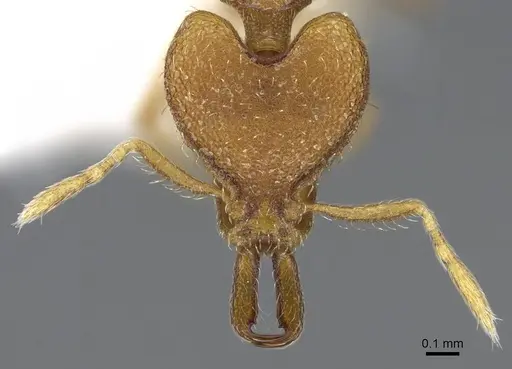
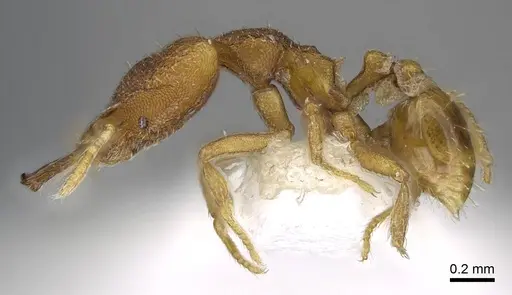
Strumigenys strygax is a tiny predatory ant measuring 2.1-2.5mm in total length . It belongs to the koningsbergeri group within the genus Strumigenys, part of the tribe Attini. Workers have a conspicuous lamella on the propodeum, smooth sides on the mesosoma, and weakly spatulate hairs on the first gastral tergite . The species was formally described by Bolton in 2000 from Thailand, and has since been recorded across Southeast Asia including Yunnan (China), Borneo, Indonesia, and Malaysia . These ants are litter-dwelling predators found in forest environments. They show a preference for limestone and primary forests over disturbed areas like rubber plantations . In Xishuangbanna, China, they were abundant in limestone forest (123 individuals) but absent from rubber plantations, indicating a strong reliance on intact forest habitats .
Quick Summary
- Difficulty: Hard
- Origin & Habitat: Southeast Asia including Thailand (Chiang Mai, Doi Suthep at 500-700m elevation), Yunnan (China), Borneo, and Malaysia. Found in rainforest and rubber plantation litter, with a strong preference for limestone forest and primary forests [2][4][5].
- Colony Type: Colony structure is unconfirmed, Strumigenys colonies are typically small but exact founding behavior and queen numbers for this species have not been documented.
- Size & Growth:
- Queen: Undescribed, no data available.
- Worker: 2.1-2.5mm [1]
- Colony: Likely under 100 workers based on typical Strumigenys litter-dwelling ecology
- Growth: Slow
- Development: Estimated 8-12 weeks at optimal temperature based on related Strumigenys species (Development times for this species are unconfirmed, estimates based on genus-level patterns for small Myrmicinae predators)
- Antkeeping:
- Temperature: Keep at 22-26°C, they inhabit tropical forests and need warm, stable conditions. Avoid temperatures below 20°C. No specific temperature data is available for this species.
- Humidity: High humidity required, think damp forest floor. Keep the nest substrate consistently moist but not waterlogged. These forest litter ants dry out easily.
- Diapause: Unlikely, being a tropical species from Southeast Asia, they probably do not require a diapause period. Maintain year-round warm conditions.
- Nesting: Naturalistic setup with moist substrate works best, they nest in leaf litter and rotting wood in the wild. A plaster nest or naturalistic terrarium with damp soil and leaf litter provides ideal conditions. Keep them in a dark, quiet location.
- Behavior: These are tiny, secretive ants that spend most of their time hunting in the leaf litter layer. They are specialized predators using their trap-jaw mandibles to capture tiny prey like springtails and mites. Workers are non-aggressive and flee from threats rather than fight, though they do possess a functional stinger (not medically significant to humans). Escape prevention is critical, their tiny size means they can squeeze through the smallest gaps. They prefer dark, humid environments and should be kept with minimal disturbance.
- Common Issues: escape prevention is critical due to their tiny 2-3mm size, use fine mesh and tight-fitting lids, they require a constant supply of tiny live prey (springtails, micro-arthropods) which can be difficult to maintain, high humidity needs make them prone to mold if ventilation is poor, slow growth and small colony sizes mean colonies can easily fail if conditions aren't optimal, they are easily stressed by disturbance, keep nesting area dark and quiet
Housing and Nest Setup
Strumigenys strygax requires a naturalistic setup that mimics their forest floor habitat. A small terrarium or naturalistic formicarium with a layer of damp soil, leaf litter, and small pieces of rotting wood works well [4][2]. The substrate should remain consistently moist but never waterlogged, aim for damp, not soggy. Because they are tiny and prone to drying out, consider using a plaster nest with a water reservoir or a test tube setup with a cotton ball providing moisture. Cover the setup with a dark cloth or keep it in a dim location, these ants avoid light and will be more active in low-light conditions. Escape prevention is absolutely critical, use fine mesh (at least 0.5mm or smaller) on any openings, as these ants can squeeze through gaps that seem impossibly small. A small outworld connected to the nest allows you to offer food without disturbing the main colony.
Feeding and Diet
Strumigenys strygax is a specialized predator that hunts tiny arthropods in the leaf litter. In captivity, their primary food should be live springtails, these are ideal in size and nutritional value. Other acceptable prey includes micro-arthropods like tiny mites, booklice (psocids), and fruit fly larvae. Unlike larger ants, they cannot take down large prey items and will ignore standard ant foods like mealworms or crickets. Offer prey 2-3 times per week, removing any uneaten items within 24 hours to prevent mold. Sugar sources are unlikely to be accepted, Strumigenys are obligate predators. Some keepers report success with tiny drops of honey water, but this should only be offered occasionally and removed if ignored. The key to success is establishing a reliable culture of springtails or other micro-prey to ensure a constant food supply.
Temperature and Humidity
Maintain temperatures between 22-26°C for optimal colony health. These tropical forest ants do not tolerate cool conditions, keep them away from air conditioning vents and cold windows. A small heating cable on one side of the nest can create a gentle gradient if room temperature is below 22°C. Humidity is perhaps the most critical factor, aim for 70-85% relative humidity within the nest. The substrate should feel damp to the touch, and you may see condensation on the sides of test tube setups. However, balance high humidity with adequate ventilation to prevent mold growth. Use a small ventilation hole or mesh top that allows some air exchange without drying out the nest. If you see mold appearing, reduce feeding and improve ventilation immediately, mold can quickly kill small colonies. No specific temperature or humidity data is available for this species, these are general guidelines for tropical litter-dwelling ants.
Behavior and Colony Dynamics
Strumigenys strygax workers are slow-moving and secretive, spending much of their time hunting through the leaf litter layer. They use their characteristic trap-jaw mandibles to snap shut on prey items, though they are not as dramatic in this behavior as some related genera like Odontomachus. Colonies remain small, likely under 100 workers even at maturity. Queens are unknown in captivity for this species, wild colonies probably have single queens but this hasn't been documented. Workers are non-aggressive and will flee rather than engage threats. The colony will be most active at night or in dim conditions. Avoid disturbing the nest frequently, these are stress-sensitive ants that can abandon broods or decline if handled roughly. Colony growth is slow, so patience is essential. A healthy colony should show steady but gradual population increase over months. These behaviors are inferred from their forest floor ecology and related Strumigenys species.
Acquiring and Establishing a Colony
This species is rarely available in the antkeeping hobby due to its limited distribution and small colony sizes. If available, you will likely receive a small colony or queen with founding workers. Upon arrival, transfer them to a pre-prepared naturalistic setup with damp substrate. Allow 24-48 hours for them to settle before offering the first prey items. Do not disturb the colony during the founding period, queens may be claustral (seal themselves in) and raise the first brood without leaving the nest. Initial growth will be very slow, the first workers (nanitics) may take 2-3 months to emerge. Once established, maintain consistent conditions and a regular supply of tiny live prey. Monitor for escape attempts daily during the first week, as stress can cause ants to explore for exits.
Frequently Asked Questions
How long does it take for Strumigenys strygax to raise their first workers?
Estimated 8-12 weeks from egg to first worker at optimal temperature (24-26°C), though this species has not been directly studied. Expect slow growth, founding colonies may take several months before you see nanitic workers.
What do Strumigenys strygax ants eat?
They are specialized predators that need tiny live prey. Springtails are the ideal food, along with micro-arthropods like tiny mites and booklice. They cannot take down larger insects and will ignore standard ant foods. Sugar sources are unlikely to be accepted.
Can I keep Strumigenys strygax in a test tube setup?
Yes, a moist test tube with a cotton water reservoir can work for founding colonies. However, they do best in a naturalistic setup with leaf litter and damp substrate. If using test tubes, ensure excellent escape prevention, their tiny size means they can escape through standard cotton plugs.
Are Strumigenys strygax good for beginners?
No, this species is difficult to keep. They require high humidity, tiny live prey that must be cultured continuously, and excellent escape prevention due to their very small size. They are best suited for experienced antkeepers who can maintain micro-prey cultures.
Do Strumigenys strygax need hibernation?
No, being a tropical species from Southeast Asia, they do not require a diapause or hibernation period. Keep them at warm temperatures (22-26°C) year-round.
Why are my Strumigenys strygax dying?
Common causes include: drying out (they need constant humidity), lack of live prey (they cannot survive without hunting), mold from poor ventilation, stress from disturbance, and escape through tiny gaps. Check all of these factors and adjust accordingly.
How big do Strumigenys strygax colonies get?
Likely small, probably under 100 workers at maturity based on typical Strumigenys litter-dwelling ecology. They are not a large colony species.
Can I keep multiple queens together?
Not recommended, combining unrelated queens of this species has not been documented. Strumigenys colony structure is poorly studied, and introducing multiple queens risks fighting and colony failure.
What temperature range is best for Strumigenys strygax?
Keep them at 22-26°C. They are tropical forest ants that need warm, stable conditions. Avoid temperatures below 20°C, which can stress and kill the colony.
Report an Issue
The current care sheet is based fully on literature. See inconsistencies, or something that's incorrect? Please , it will be resolved after review from an admin. Contributing to the blogs tab also helps providing information, to make us be able to further improve the caresheets. Thank you for your support!
References

This caresheet is licensed under CC BY-SA 4.0 .
Community Blogs
CASENT0900874
View on AntWeb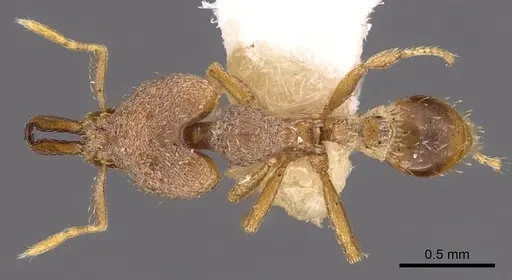
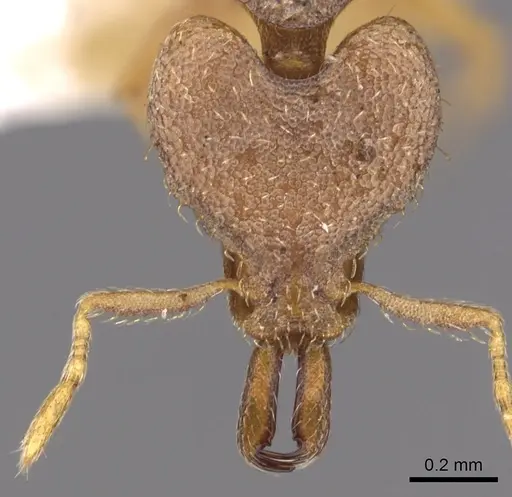
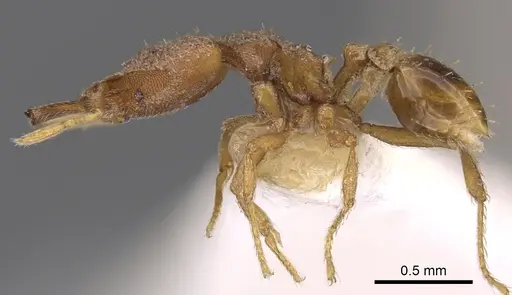
CASENT0914871
View on AntWeb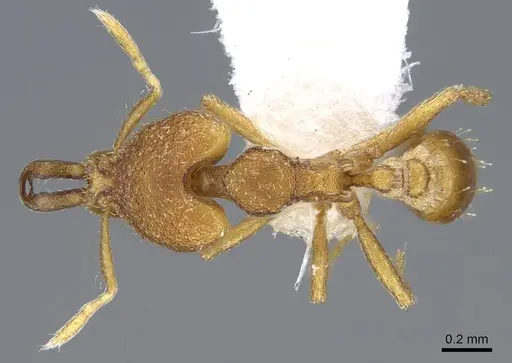
Literature
Loading distribution map...Loading products...