
Strumigenys stenotes
- Sci. Name
- Strumigenys stenotes
- Tribe
- Attini
- Subfamily
- Myrmicinae
- Author
- Bolton, 2000
- Distribution
- Found in 1 countries
Introduction
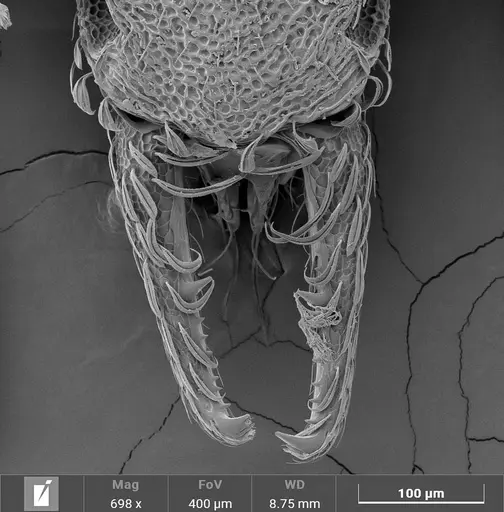
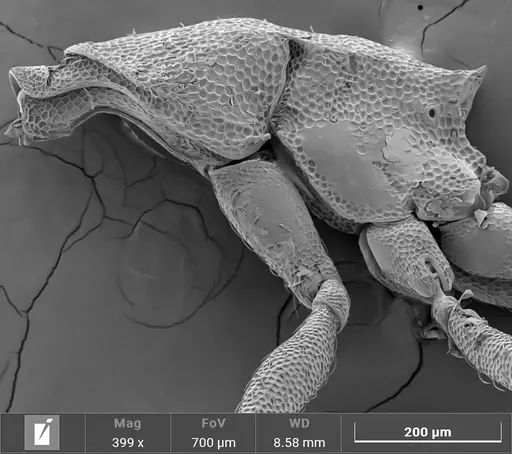
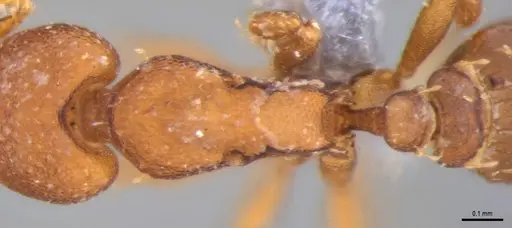
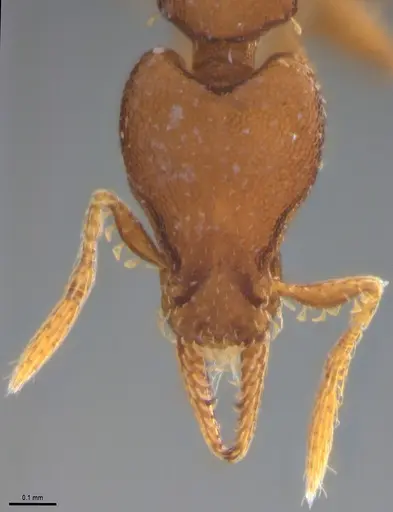
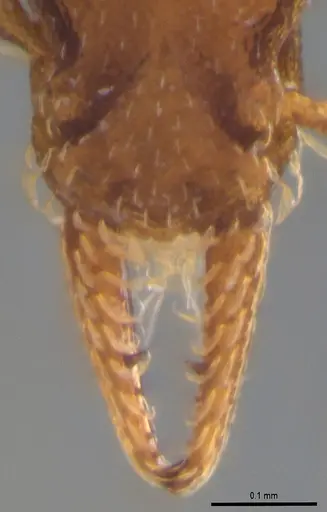
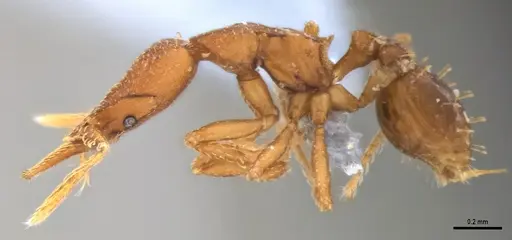
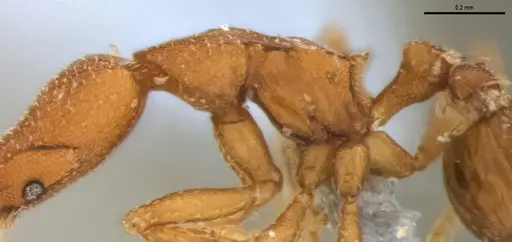
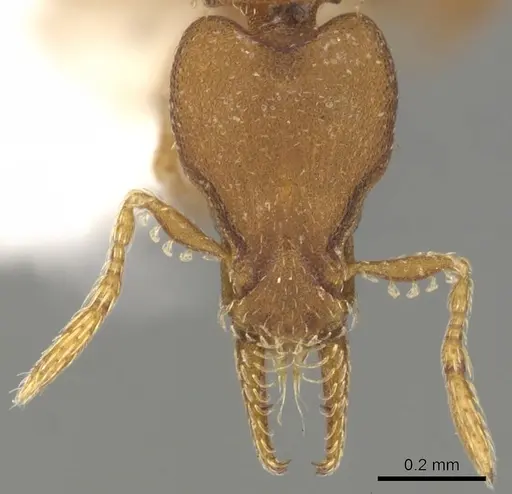
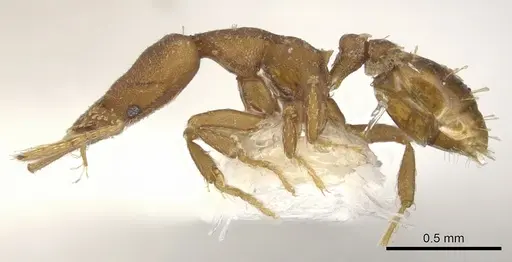
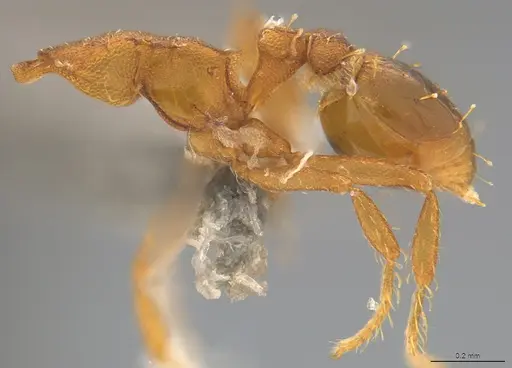
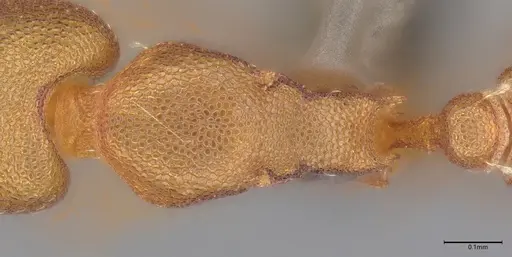
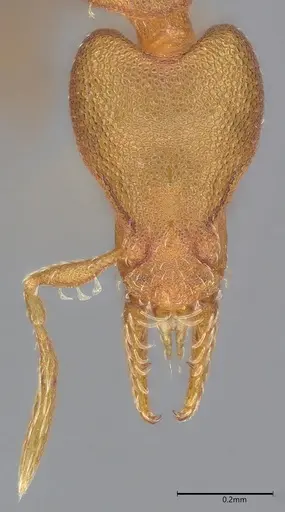
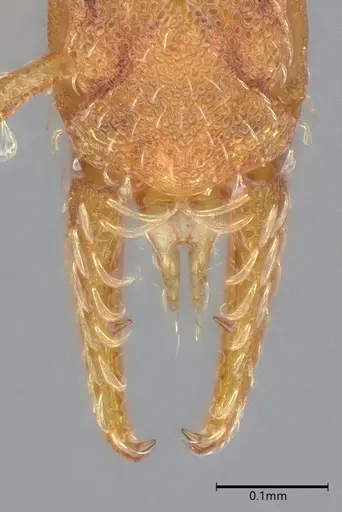
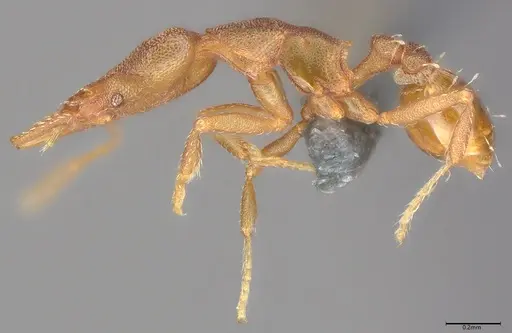
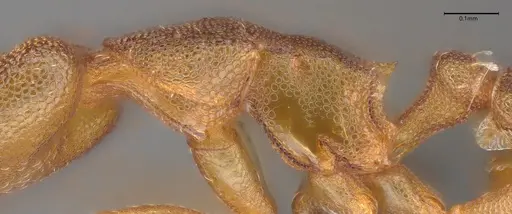
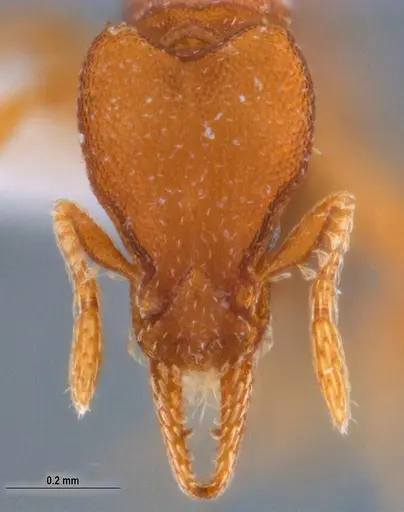
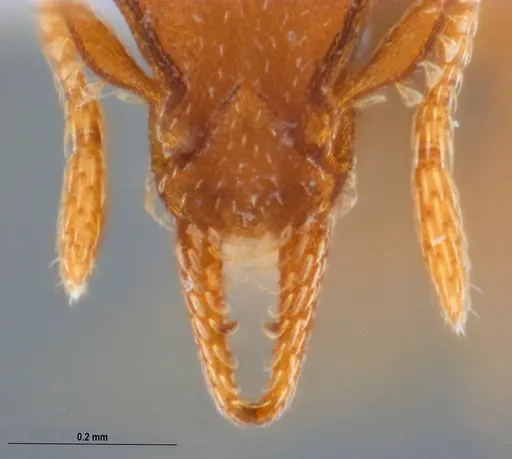
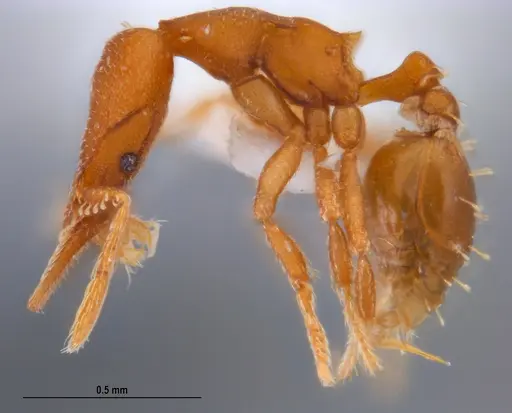
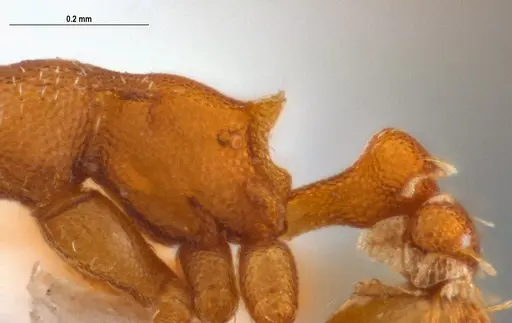
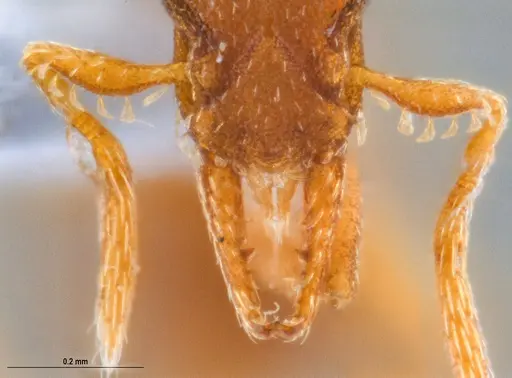
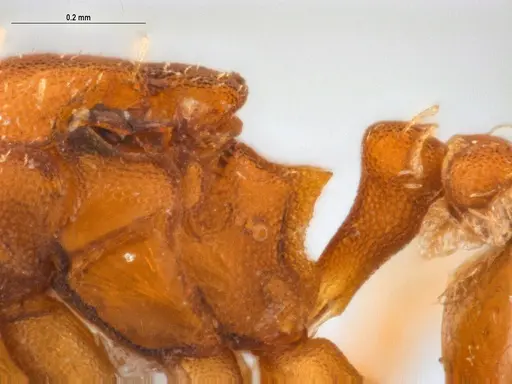
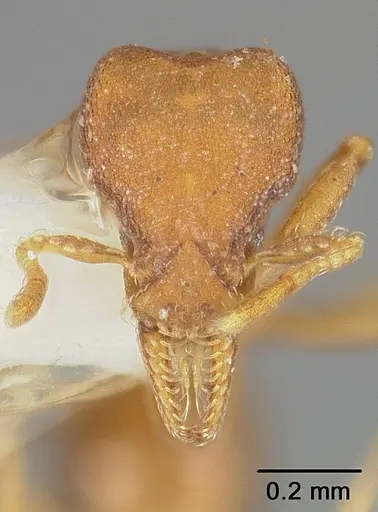
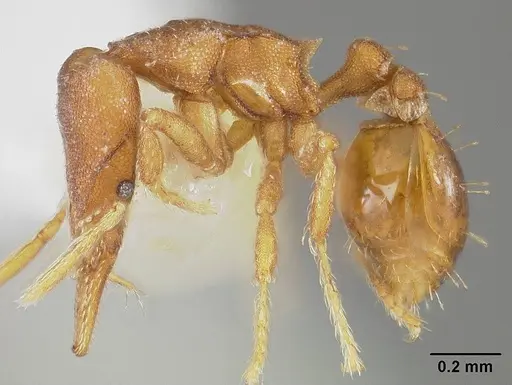
Strumigenys stenotes is a tiny predatory ant native to the Amazon basin in South America. Workers measure just 2.2-2.3 mm in total length, making them one of the smaller ant species you'll encounter in the hobby . They belong to the gundlachi group, specifically the crassicornis complex, and are characterized by a flattened head and distinctive mandibles equipped with several teeth, including a hooked apicodorsal tooth . This species was originally described as Pyramica stenotes in 2000 before being reclassified into Strumigenys. In the wild, they inhabit forest floor litter in dense tropical rainforests, where they hunt small prey among the decaying organic matter .
Quick Summary
- Difficulty: Hard
- Origin & Habitat: Native to the Amazon basin in Brazil (Manaus region) and documented in Guyana. They live in tropical rainforest floor litter in dense, humid environments [3][2].
- Colony Type: Colony structure is unconfirmed. Based on related Strumigenys species, they likely form small colonies with single queens.
- Size & Growth:
- Queen: Unconfirmed, no queen specimens have been described in the scientific literature.
- Worker: 2.2-2.3 mm total length [1]
- Colony: Unknown, based on limited collection data (single workers in litter samples), colonies are likely small, probably under 100 workers at maturity [2].
- Growth: Unknown, no development data exists for this species.
- Development: Unconfirmed, no direct observations of colony development exist. Based on related Strumigenys species, expect 6-10 weeks at warm temperatures. (Timeline is estimated from genus-level data since species-specific development has not been studied.)
- Antkeeping:
- Temperature: Keep warm at 24-28°C, mimicking tropical rainforest floor conditions. A gentle heat gradient allows workers to regulate their temperature [3].
- Humidity: High humidity is essential, these are forest litter ants from the humid Amazon. Keep the nest substrate consistently moist but not waterlogged. Aim for conditions similar to a damp sponge rather than a specific percentage.
- Diapause: Unlikely, being a tropical species, they probably do not require a diapause period. Maintain warm conditions year-round.
- Nesting: These tiny ants do best in naturalistic setups that mimic forest floor litter. A shallow plaster or Y-tong (AAC) nest with very small chambers works well. Provide a moist substrate they can walk through. Test tubes are too large for their tiny size, they need appropriately scaled housing. Avoid acrylic nests.
- Behavior: Strumigenys are specialized predators, using their toothed mandibles to capture small prey. They have a functional sting but it is mild and not medically significant to humans. Their tiny size means excellent escape prevention is critical, they can squeeze through gaps as small as 0.5 mm. They are shy and reclusive, spending most of their time hunting through the substrate.
- Common Issues: escape prevention is critical due to their extremely small size, standard mesh will not contain them., slow colony growth can lead to keeper impatience and overfeeding, which causes mold problems., lack of live small prey (springtails, micro-arthropods) will result in colony failure, they are obligate predators., dry conditions will quickly kill these humidity-dependent ants., wild-caught colonies may contain parasites that can devastate captive colonies.
Housing and Escape Prevention
Housing Strumigenys stenotes presents unique challenges due to their minute size. Standard formicarium setups are generally too large and open for these tiny ants. A shallow plaster or Y-tong (AAC) nest with very small chambers works best, the chambers should be appropriately scaled to their 2 mm body size. The most critical aspect of housing is escape prevention. These ants can squeeze through gaps as small as 0.5 mm, meaning standard mesh barriers are ineffective. Use fluon or similar barriers on the edges of the outworld, and consider using nests with very tight-fitting lids or very fine mesh (0.2 mm or smaller). The outworld should be simple and easy to maintain, with minimal open space to prevent the ants from wandering into areas you cannot access.
Feeding and Diet
Strumigenys stenotes are specialized predators that require live small arthropods as their primary food source. In the wild, they hunt springtails, tiny mites, and other micro-arthropods found in forest floor litter. In captivity, their diet should center on live springtails (which are readily available from pet suppliers or can be cultured at home). Other small live prey such as fruit flies, tiny isopods, and micro-arthropods may be accepted. Sugar sources are unlikely to be accepted, Strumigenys are not honeydew feeders like some other ants. Do not rely on sugar water or honey as a food source. Feed small amounts of prey every few days, removing any uneaten prey after 24-48 hours to prevent mold. A well-established springtail culture connected to the ant colony can provide a continuous food source.
Temperature and Humidity
As inhabitants of the Amazon basin, these ants require warm and humid conditions. Maintain temperatures in the nest area between 24-28°C [3]. A heating cable placed on one side of the nest can create a gentle thermal gradient, allowing the ants to self-regulate their temperature. Avoid temperatures below 22°C or above 30°C for extended periods. Humidity is equally important, keep the substrate consistently moist but not waterlogged. A water reservoir connected to the nest or regular light misting can help maintain humidity. Monitor condensation levels as an indicator of adequate moisture. Poor humidity leads to desiccation and colony death relatively quickly.
Colony Establishment and Growth
Establishing a colony of Strumigenys stenotes is challenging due to the limited availability of wild colonies and the species' specialized requirements. If you obtain a founding queen, she will need a small, appropriately sized chamber with moist substrate. The founding chamber should be only slightly larger than the queen herself. First workers (nanitics) will be very small and should emerge within 6-10 weeks under optimal conditions, though this timeline is estimated from related species since no species-specific data exists. Colony growth is typically slow, expect many months before you see significant population increases. Patience is essential. Do not attempt to accelerate growth by overfeeding or increasing temperatures beyond recommended ranges, as this can stress or kill the colony.
Behavior and Temperament
Strumigenys stenotes are shy, reclusive ants that spend most of their time hunting through substrate and leaf litter. They are not aggressive toward humans and will try to flee. They have a functional sting but it is mild and not medically significant, you are unlikely to be stung unless you handle them roughly. Workers are solitary hunters, not forming raiding parties like some predatory ants. They use their specialized mandibles to capture and subdue small prey items individually. Their activity level is moderate, with workers most active in the evening and night hours when humidity is highest. Do not expect to see frequent foraging activity on the outworld surface, these ants prefer to remain hidden in their substrate. This cryptic behavior is normal and should not be cause for concern.
Frequently Asked Questions
How long does it take for Strumigenys stenotes to produce first workers?
The exact timeline is unconfirmed for this species, but based on related Strumigenys species, expect 6-10 weeks from egg to first worker at optimal temperatures (24-28°C). This is a slow process that requires patience.
What do Strumigenys stenotes eat?
They are obligate predators that require live small arthropods. Their primary food should be live springtails. Other small live prey like micro-arthropods and tiny fruit flies may be accepted. Sugar sources are unlikely to be accepted.
Can I keep Strumigenys stenotes in a test tube?
Test tubes are generally too large for these tiny ants. They need nest chambers appropriately scaled to their 2 mm body size. A small plaster or Y-tong (AAC) nest with tiny chambers is more suitable.
Do Strumigenys stenotes need hibernation?
No, being a tropical Amazon species, they do not require hibernation or diapause. Keep them warm year-round at 24-28°C.
Are Strumigenys stenotes dangerous?
No, they are not dangerous to humans. They have a mild sting but it is rarely used defensively. They are shy and prefer to flee rather than sting.
Why are my Strumigenys stenotes dying?
Common causes include: dry conditions (they require high humidity), lack of live prey (they will not survive on sugar alone), temperatures outside their 24-28°C range, and escape through tiny gaps. Check all of these parameters first.
How big do Strumigenys stenotes colonies get?
Based on collection data showing only single workers or small groups in litter samples, colonies likely remain modest, probably under 100 workers even at maturity [2].
What is the best nest type for Strumigenys stenotes?
A naturalistic setup with a shallow layer of moist forest floor substrate works well. Alternatively, small plaster or Y-tong (AAC) nests with appropriately tiny chambers can work. The key is small scale and high humidity retention.
Are Strumigenys stenotes good for beginners?
No, this species is best suited for experienced antkeepers. Their tiny size requires specialized escape prevention, they need live prey (not convenient like fruit jelly), and they have specific humidity requirements that must be met consistently.
Do Strumigenys stenotes need multiple queens?
The colony structure is unconfirmed for this species. Based on related Strumigenys, they likely form single-queen colonies. Do not attempt to house multiple unrelated queens together as aggression is likely.
Report an Issue
The current care sheet is based fully on literature. See inconsistencies, or something that's incorrect? Please , it will be resolved after review from an admin. Contributing to the blogs tab also helps providing information, to make us be able to further improve the caresheets. Thank you for your support!
References

This caresheet is licensed under CC BY-SA 4.0 .
Community Blogs
ANTWEB1047055
View on AntWeb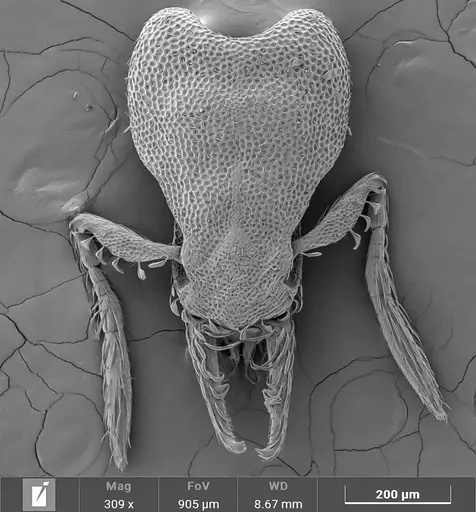
ANTWEB1053911
View on AntWeb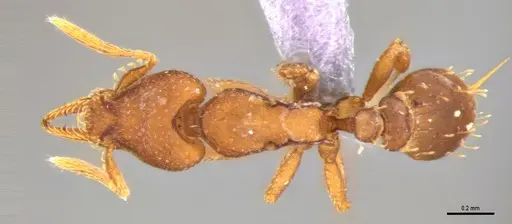
CASENT0900184
View on AntWeb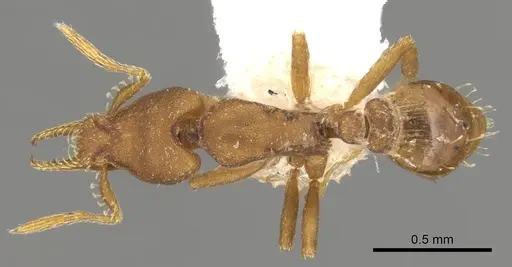
CASENT4036122
View on AntWeb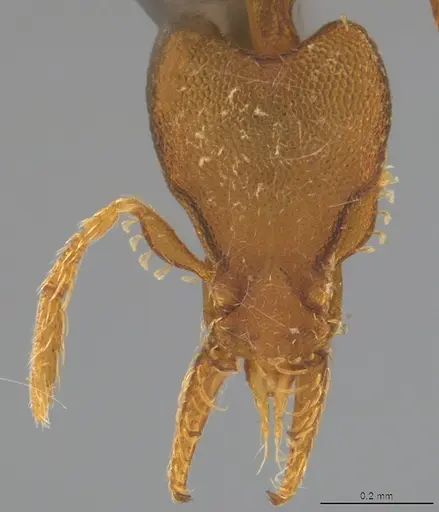
UFV-LABECOL-009419
View on AntWeb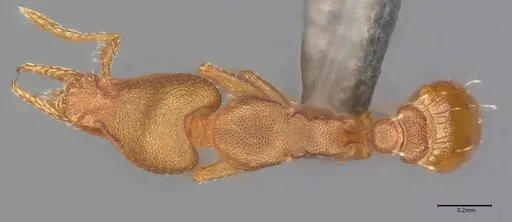
UFV-LABECOL-009422
View on AntWeb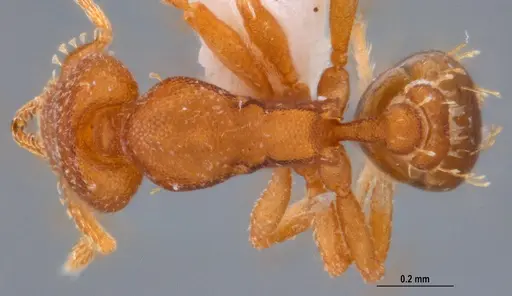
UFV-LABECOL-011115
View on AntWeb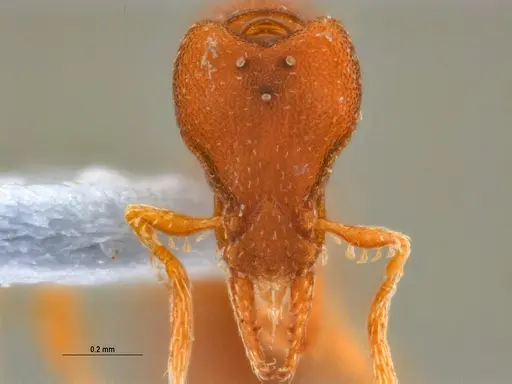
USNMENT00441557
View on AntWeb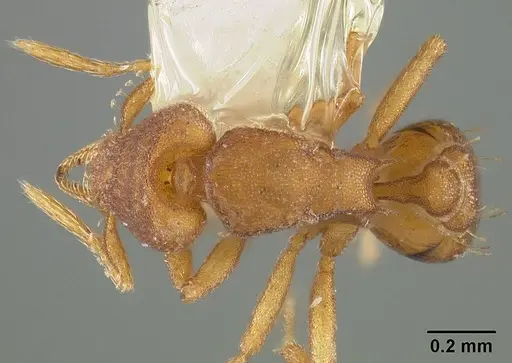
Literature
Loading distribution map...Loading products...