
Strumigenys spathula
- Sci. Name
- Strumigenys spathula
- Tribe
- Attini
- Subfamily
- Myrmicinae
- Author
- Lattke & Goitía, 1997
- Distribution
- Found in 6 countries
Introduction
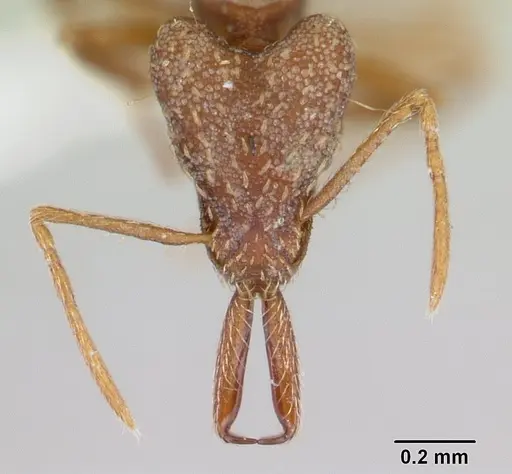
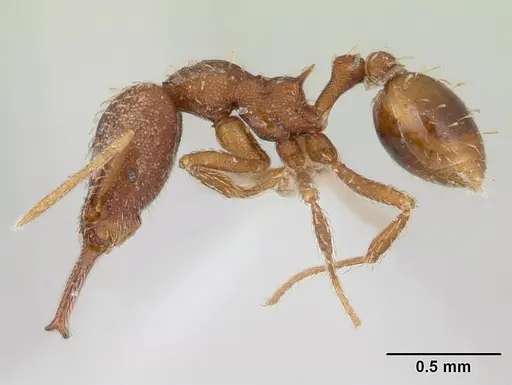
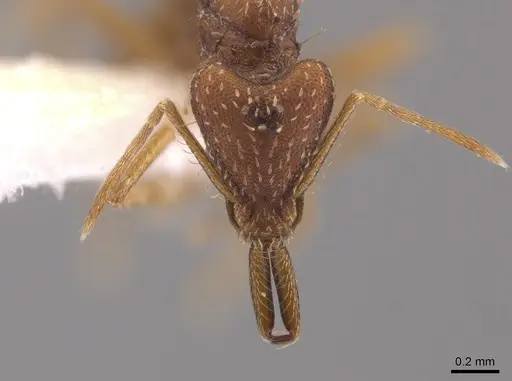
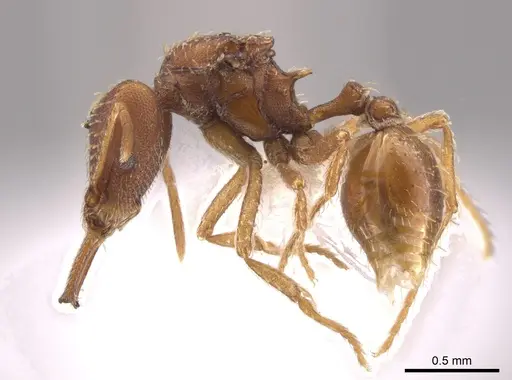
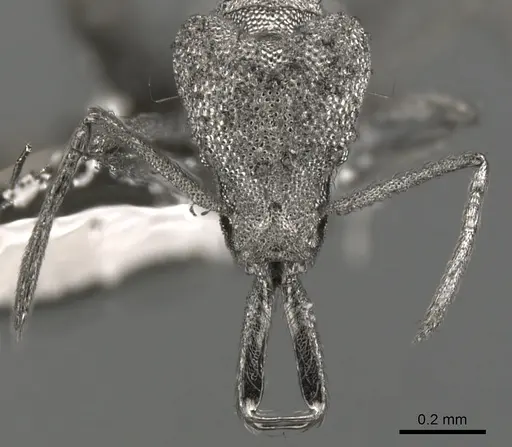
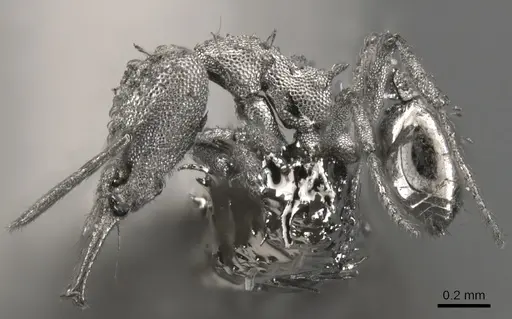
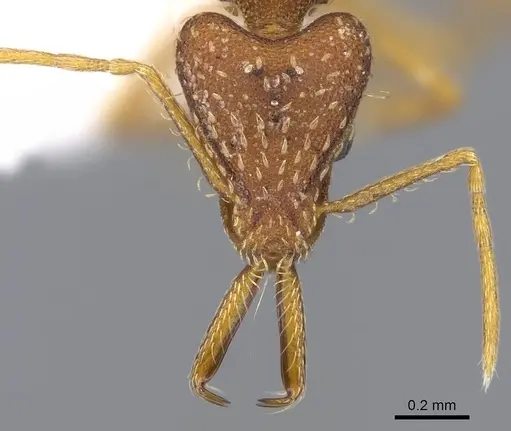
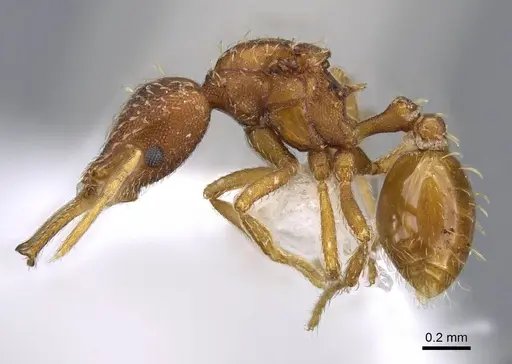
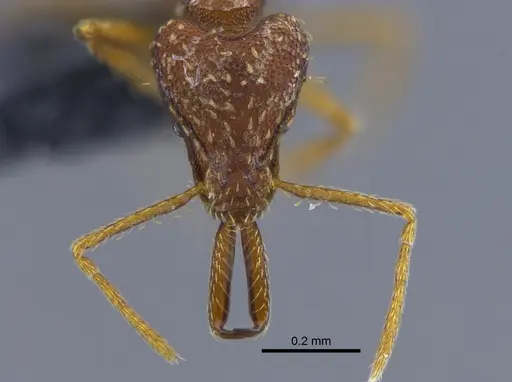
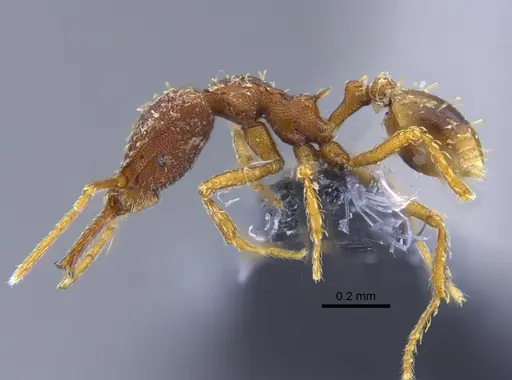
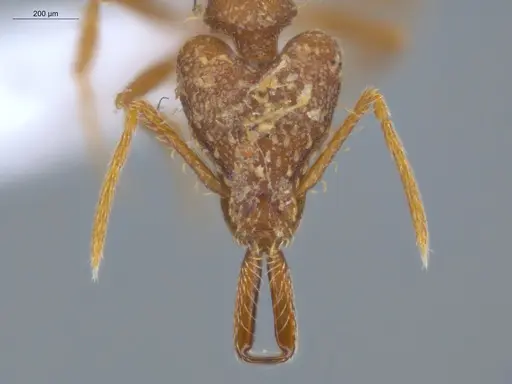
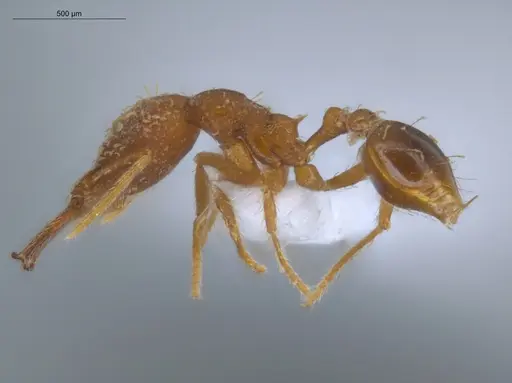
Strumigenys spathula is a tiny predatory ant from Central American wet forests. Workers measure 2.2-2.7mm in total length, with short, oar-shaped (remiform) hairs on the first gastral tergite . They have closely spaced mandible insertions and use a kinetic snap mechanism to capture their prey . The waist has spongiform tissue . First described from Venezuela in 1997,this species is a member of the Strumigenys elongata group and is found across the Neotropics from Mexico to Brazil, including Belize, Costa Rica, Guatemala, Honduras, Panama, Colombia, Venezuela, French Guiana, and Trinidad . They inhabit wet forests and have been collected from abandoned termite nests in cacao plantations . Their captive biology is poorly documented, making them a challenge for experienced antkeepers interested in specialized micro-predators.
Quick Summary
- Difficulty: Expert
- Origin & Habitat: Wet tropical forests of Central America and northern South America. Found in leaf litter and rotten wood, occasionally in arboreal termite nests [3] [1].
- Colony Type: Social structure unknown, only workers and queens have been described, with no published data on queen number or colony founding behavior [1].
- Size & Growth:
- Queen: Queen total length not provided in literature. Based on related Strumigenys species, queens are likely slightly larger than workers but exact measurements are unavailable.
- Worker: 2.2-2.7mm [1]
- Colony: Likely under 100 workers (estimated from genus-typical colony sizes) [1]
- Growth: Slow
- Development: Estimated 8-12 weeks (based on related Strumigenys species, specific data for S. spathula is not available). (Development depends on stable warm temperatures and a reliable supply of small live prey.)
- Antkeeping:
- Temperature: Keep at 24-28°C year-round. These are wet-forest tropical ants that need stable warmth, avoid drops below 22°C [1].
- Humidity: High humidity required, maintain damp but not waterlogged substrate. Provide a water source (e.g., test tube water reservoir) and mist the outworld occasionally without flooding the nest.
- Diapause: No, as a tropical species, they do not require hibernation. Keep warm year-round.
- Nesting: Use small Ytong, plaster, or 3D-printed nests with chambers scaled to the ants' tiny size. Avoid acrylic nests. Natural nests include abandoned termite nests and rotting wood [3]. Ensure tight seals to prevent escapes.
- Behavior: These ants are specialized predators that use kinetic snapping mandibles to capture small arthropods [2]. They have a functional stinger (as typical for Myrmicinae) but it is not medically significant to humans. Due to their minute size, they are escape artists, any gap larger than 0.5mm must be sealed. They are not aggressive toward humans but may sting if handled. Activity patterns are not documented for this species, related Strumigenys are often nocturnal.
- Common Issues: very small size makes escape easy without fine mesh barriers, strict live-prey diet requires reliable cultures of springtails, fruit fly larvae, or similar tiny arthropods, high humidity needs can cause fungal growth if ventilation is insufficient, remove leftover prey promptly, slow colony growth demands patience and can tempt overfeeding, which leads to mold, lack of published captive husbandry data means keepers must experiment cautiously
Housing and Nest Setup
Because Strumigenys spathula workers are only 2.2-2.7mm, your nest chambers must be small and tight. Use a Ytong (AAC), plaster, or 3D-printed nest with narrow chambers. Do not use acrylic nests. A test tube setup with a water reservoir works well for founding colonies, just make sure the cotton plug is packed firmly and consider covering the opening with fine mesh (0.5mm). The outworld should have smooth vertical sides, apply fluon or a similar barrier if the walls are not perfectly smooth. Cover all joints and small gaps with silicone or tape. These ants are so tiny that any crack over 0.5mm is an escape route. Provide a permanent water source (test tube or water feeder) and keep the nest substrate slightly damp but not wet [1].
Feeding and Diet
Strumigenys spathula is an obligate predator of tiny live arthropods. They cannot scavenge dead prey and do not accept sugars, honey, or other carbohydrates. Offer springtails, booklice, mites, or fruit fly larvae (Drosophila melanogaster). Prey must be smaller than the ant's head. Feed every 2-3 days and remove any uneaten prey after 24 hours to prevent mold. Establish a springtail culture well before acquiring these ants, their small size and slow growth make a steady food supply critical. There is no evidence that they tend scale insects for honeydew, so stick to live prey [2].
Temperature and Humidity
Keep temperatures stable at 24-28°C. Use a small heating mat on one side of the nest to create a gradient, but avoid direct heat that dries the air. Humidity must be high: the nest substrate should feel damp (but not waterlogged). Mist the outworld lightly each day or provide a water tube. Good ventilation is important to prevent mold, use fine mesh for airflow while keeping ants contained. Never let temperatures drop below 22°C for extended periods, these are tropical ants that suffer from cold stress [1].
Behavior and Handling
Strumigenys spathula uses a kinetic snap mechanism to capture prey, their mandibles close in milliseconds when triggered by a small arthropod [2]. They have a functional stinger (Myrmicinae trait) but it is not dangerous to humans. These ants are not aggressive to keepers and will not sting unless squeezed. Their small size makes escape prevention the main challenge: inspect the setup regularly for gaps. Activity patterns are unknown for this species, observe and adjust feeding times accordingly. Avoid disturbing the nest often, as vibrations may stress the colony.
Colony Establishment
How S. spathula founds colonies is not recorded. Most Strumigenys are believed to be claustral (queen raises first brood on stored reserves), but this is unconfirmed. If you have a queen, place her in a small, dark founding chamber (test tube or small plaster cell) with a water supply. Do not disturb her for at least 6 weeks. Once nanitic workers appear (they will be very small), begin offering tiny live prey. Do not combine multiple queens unless you are certain they are already cooperating, as colony founding dynamics are unknown. Growth will be slow, expect the colony to remain small ( [1]
Common Problems
The biggest challenge is providing enough appropriate live prey. Without a steady supply of springtails or fruit fly larvae, the colony will starve. Mold from uneaten prey or excessive moisture can quickly kill a small colony, remove leftovers and adjust ventilation. Escape is another major risk: seal every gap larger than 0.5mm. Finally, keepers often expect faster growth, these ants are naturally slow. Do not increase temperature or feeding beyond recommended levels, as that can cause stress or mold rather than speed up development.
Frequently Asked Questions
Can I keep Strumigenys spathula in a test tube?
Yes, a test tube setup is suitable for founding colonies. Use a small test tube with a water reservoir and cotton plug. Make sure the cotton is packed tightly and consider adding a fine mesh barrier to prevent escapes. Once the colony has a few workers, move it to a small Ytong or plaster nest that maintains higher humidity.
What do Strumigenys spathula ants eat?
They are specialized predators that require live small arthropods such as springtails, booklice, mites, and fruit fly larvae. Prey must be no larger than the ant's head. They do not accept dead prey, sugar water, or honey [2].
How long until first workers appear?
Based on related Strumigenys species, expect 8-12 weeks at 24-28°C. Specific development data for S. spathula is not available, so this is an estimate.
Are Strumigenys spathula good for beginners?
No, this is an expert-only species. Their strict live-prey diet, high humidity requirements, tiny size (escape risk), and slow growth make them unsuitable for beginners. Start with a hardier species like Lasius niger or Camponotus.
How big do Strumigenys spathula colonies get?
Likely under 100 workers at maturity, based on typical Strumigenys colony sizes. Exact data is unavailable [1].
Do Strumigenys spathula need hibernation?
No, they do not require hibernation. As tropical ants from Central America, they need warm temperatures (24-28°C) year-round. Do not cool them.
Why are my Strumigenys spathula dying?
Common causes: insufficient live prey (they cannot scavenge), humidity too low, temperature below 22°C, mold from leftover prey, or escape through tiny gaps. Check all parameters and ensure prey is appropriately sized.
When should I move Strumigenys spathula to a formicarium?
Move them when the test tube becomes crowded or the water reservoir runs low. Use a small Ytong or plaster nest that maintains high humidity. Avoid acrylic nests.
Can I keep multiple Strumigenys spathula queens together?
Not recommended without evidence. There is no documentation of polygyny or pleometrosis in this species. Keep queens separately unless they were collected together and appear to cooperate.
Report an Issue
The current care sheet is based fully on literature. See inconsistencies, or something that's incorrect? Please , it will be resolved after review from an admin. Contributing to the blogs tab also helps providing information, to make us be able to further improve the caresheets. Thank you for your support!
References

This caresheet is licensed under CC BY-SA 4.0 .
Community Blogs
CASENT0178645
View on AntWeb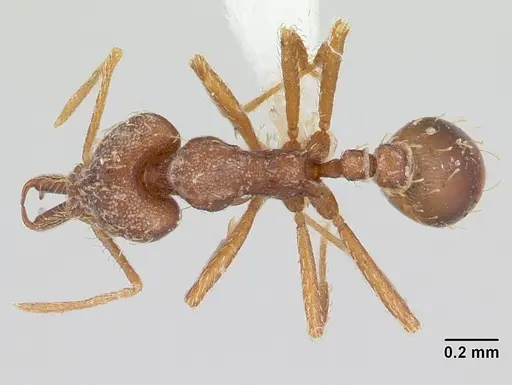
CASENT0648877
View on AntWeb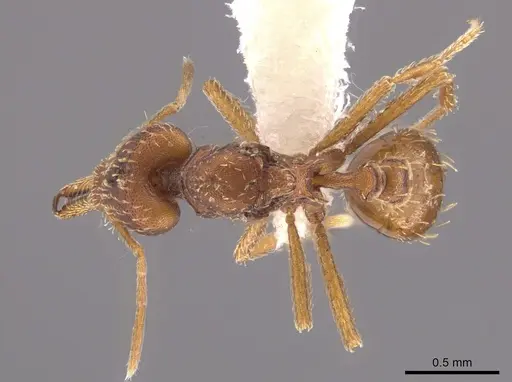
CASENT0900447
View on AntWeb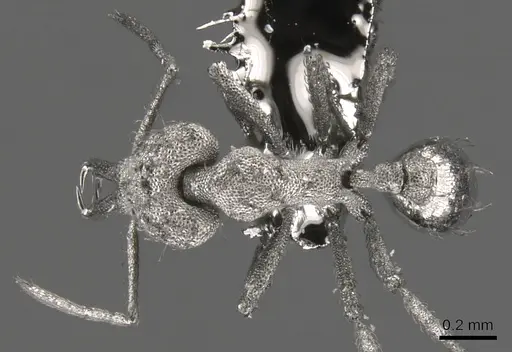
CASENT0914754
View on AntWeb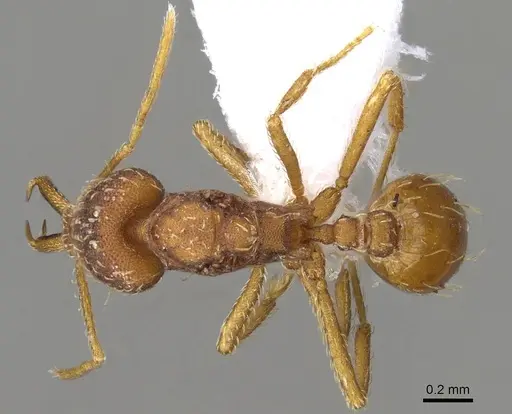
CBUMAGENT34138
View on AntWeb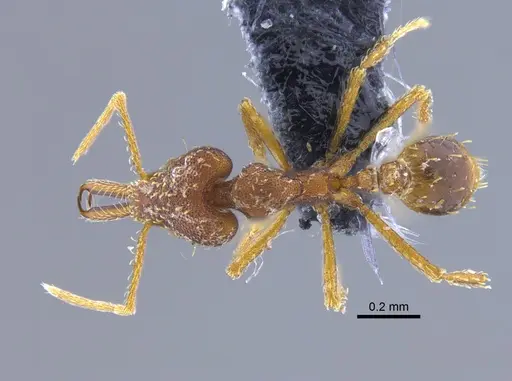
ECOFOG-IT14-0782-40
View on AntWeb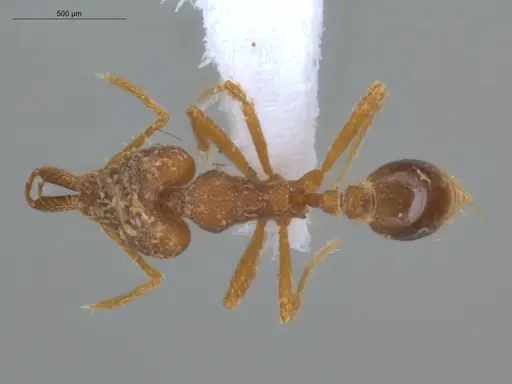
Literature
Loading distribution map...Loading products...