
Strumigenys sistrura
- Sci. Name
- Strumigenys sistrura
- Tribe
- Attini
- Subfamily
- Myrmicinae
- Author
- Bolton, 1983
- Distribution
- Found in 2 countries
Introduction
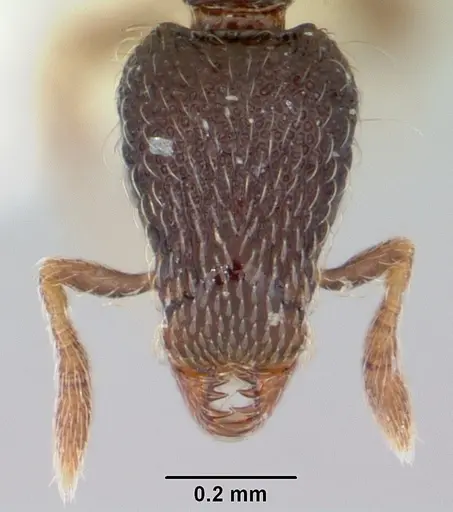
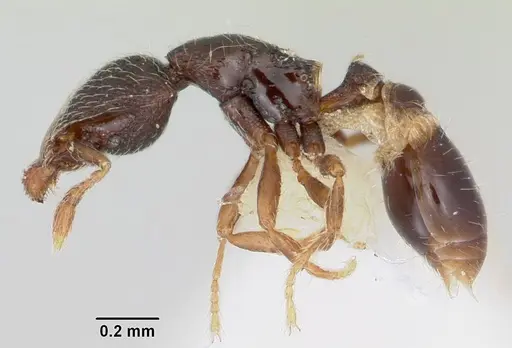
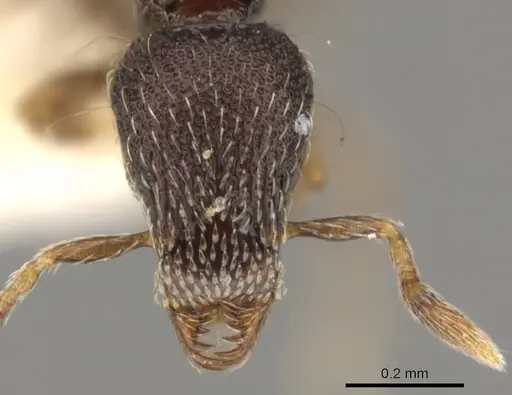
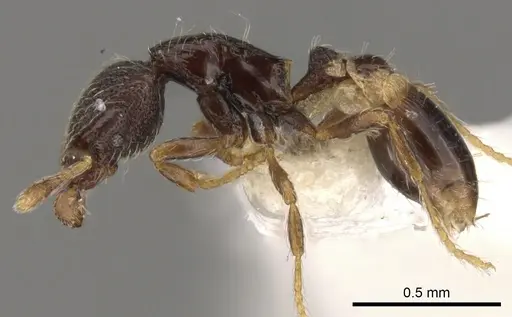
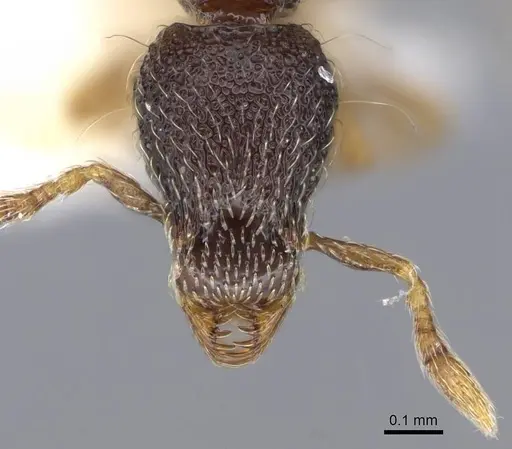
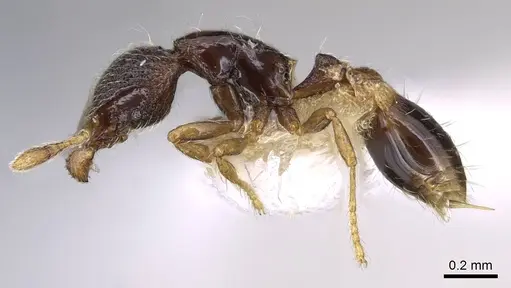
Strumigenys sistrura is an extremely tiny predatory ant with workers measuring just 1.9-2.0 mm in total length . Workers are black to blackish brown and have distinctive spongiform appendages on the petiole and postpetiole, giving them a somewhat fluffy appearance. The mandibles have six enlarged teeth, which this species uses to capture and handle small prey . This species belongs to the Strumigenys loveridgei group and is found across West and Central Africa, including Cameroon, Democratic Republic of Congo, Gabon, Ghana, Ivory Coast, and Togo . They live in leaf litter in rainforests and secondary forests, making them a potential bioindicator for wooded habitats .
Quick Summary
- Difficulty: Hard
- Origin & Habitat: West and Central African rainforests and secondary forests. Found in Cameroon, Democratic Republic of Congo, Gabon, Ghana, Ivory Coast, and Togo [1]. They live in leaf litter and are collected through pitfall sampling [2][3].
- Colony Type: Colony structure is unconfirmed. Like other Strumigenys species, they likely have small colonies with a single queen. Dacetine ants (now part of Attini) typically have small colonies.
- Size & Growth:
- Queen: Unknown, queen has not been described. Based on genus patterns, estimated around 2.5-3 mm, but unconfirmed.
- Worker: 1.9-2.0 mm [1]
- Colony: Unknown, Strumigenys colonies are typically small (under a few hundred workers) [1].
- Growth: Slow
- Development: Estimated 8-12 weeks based on related dacetine species (Development is likely slow given their small size and predatory nature. Temperature-dependent, warmer conditions may speed development.)
- Antkeeping:
- Temperature: Keep at 22-26°C. They come from tropical rainforests, so warmth is important. Use a heating cable on one side of the nest to create a gradient if room temperature is below this range.
- Humidity: High humidity is essential, these are rainforest leaf litter ants. Keep the nest substrate consistently moist but not waterlogged. Aim for 70-85% relative humidity equivalent in the substrate.
- Diapause: Unlikely required, they come from tropical regions with minimal seasonal temperature variation. No diapause period is typically needed.
- Nesting: Y‑tong (AAC) nests or plaster nests work well. They prefer tight chambers scaled to their tiny size. Naturalistic setups with leaf litter and soil also work since they are litter‑dwelling ants.
- Behavior: These are specialized predators, primarily hunting springtails and other tiny micro‑arthropods in the leaf litter. They have a functional sting, but it is not medically significant to humans. They are not aggressive toward keepers. They are escape risks due to their tiny size, use fine mesh barriers. Workers are slow‑moving and forage individually through the substrate.
- Common Issues: escape prevention is critical due to their extremely small size, they can squeeze through standard barrier gaps, slow growth means colonies may appear stagnant for months, leading to overfeeding mistakes, specialized diet, they need live small prey, not standard ant foods, wild‑caught colonies may have parasites that can devastate captive colonies, humidity must be maintained, drying out kills these rainforest species quickly
Housing and Nest Setup
Strumigenys sistrura is an extremely small ant that requires careful housing considerations. Y‑tong (AAC) nests with narrow chambers work well, as do plaster nests that can hold moisture. The chambers should be tight and scaled to their tiny 2 mm size, avoid tall, open spaces. A naturalistic setup with a layer of moist leaf litter and soil can also work since they are natural leaf litter dwellers [2]. Whatever setup you choose, escape prevention must be excellent, these ants are so small they can squeeze through gaps that other ants cannot. Use fine mesh on any ventilation holes and ensure all connections are sealed. Place the nest in a dark location because they prefer dim conditions [2].
Feeding and Diet
This is a specialized predatory ant that requires live small prey. Their primary food in the wild consists of springtails and other tiny micro‑arthropods found in leaf litter [2]. In captivity, offer live springtails as a staple food, they are ideal in size and nutritional value. You can culture your own springtail colony to ensure a constant supply. Other small live prey like fruit flies, tiny isopods, and micro‑arthropods may be accepted. They do NOT eat standard ant foods like honey or protein mixes, their specialized mandibles are designed for hunting small prey, not handling liquid sugars. Feed small prey items every 2-3 days, adjusting based on colony size and consumption. Remove uneaten prey to prevent mold issues.
Temperature and Care
Keep your colony at 22-26°C, which mimics their natural rainforest environment. Use a heating cable on one side of the nest to create a gentle temperature gradient if your room temperature is below this range. Place the heating on top of the nest, not underneath, to avoid evaporating moisture too quickly. Temperature stability is important, avoid drafts and major fluctuations. Since they come from tropical regions, no hibernation or diapause is required. Monitor colony activity, if workers become sluggish, the temperature may be too low, if they avoid the heated area, it may be too warm.
Humidity Management
High humidity is essential for this species. They come from rainforest leaf litter where conditions are constantly damp. Keep the nest substrate consistently moist but never waterlogged, the substrate should feel damp to the touch with some moisture visible but no standing water. For Y‑tong nests, use a water reservoir system that allows moisture to slowly evaporate into the nest chambers. For plaster nests, ensure the water channel stays filled. Mist the outworld occasionally but avoid wetting the ants directly. Poor humidity leads to colony death quickly with these sensitive species.
Behavior and Observation
Strumigenys sistrura workers are slow‑moving foragers that hunt individually through the leaf litter layer. They use their specialized mandibles to capture small prey items. Unlike many ants, they do not recruit strongly to food sources, you will typically see solitary foragers. Their colonies remain small, usually under a few hundred workers. They have a functional sting but it is not medically significant to humans. They are not aggressive toward keepers. Observation is best done with a magnifying glass or macro lens due to their tiny size. Watch for hunting behavior, workers will ambush springtails and other small prey, using their toothed mandibles to secure struggling prey.
Frequently Asked Questions
How long does it take for Strumigenys sistrura to raise first workers?
Expect 8-12 weeks from egg to first worker based on related dacetine species. Development is slow, and colonies may appear stagnant during founding. Be patient, overfeeding or disturbing the nest can kill a founding queen.
What do Strumigenys sistrura ants eat?
They eat live small prey, primarily springtails. They are specialized predators and do not accept standard ant foods like honey or protein mixes. Culture your own springtails for a reliable food source.
Can I keep Strumigenys sistrura in a test tube?
A test tube can work for founding colonies, but due to their small size and high humidity needs, a Y‑tong or plaster nest is better for established colonies. Test tubes dry out quickly and may not provide enough space.
Are Strumigenys sistrura good for beginners?
No, this is a difficult species to keep. They require high humidity, a specialized live prey diet, and excellent escape prevention due to their tiny size. They are best suited for experienced antkeepers.
How big do Strumigenys sistrura colonies get?
Colonies likely remain small, probably under 200 workers. This is typical for Strumigenys species, which maintain smaller colony sizes compared to many other ants [1].
Do Strumigenys sistrura need hibernation?
No, they come from tropical rainforest regions with minimal seasonal temperature changes. No diapause or hibernation period is required.
Why are my Strumigenys sistrura dying?
Common causes include: low humidity (they need constant moisture), wrong food (they need live prey, not honey/sugar), escape (check all gaps), and parasites from wild‑caught colonies. Review each care parameter and adjust accordingly.
When should I move Strumigenys sistrura to a formicarium?
Wait until the colony has at least 20-30 workers before moving. Foraging is minimal with this species, so they can remain in a founding setup longer than faster‑growing species. Move only if the current setup is drying out or becoming moldy.
Can I keep multiple queens together?
Combining unrelated queens has not been documented for this species. It is not recommended, Strumigenys are typically single‑queen colonies. Keep only one queen per setup.
Report an Issue
The current care sheet is based fully on literature. See inconsistencies, or something that's incorrect? Please , it will be resolved after review from an admin. Contributing to the blogs tab also helps providing information, to make us be able to further improve the caresheets. Thank you for your support!
References

This caresheet is licensed under CC BY-SA 4.0 .
Community Blogs
CASENT0102591
View on AntWeb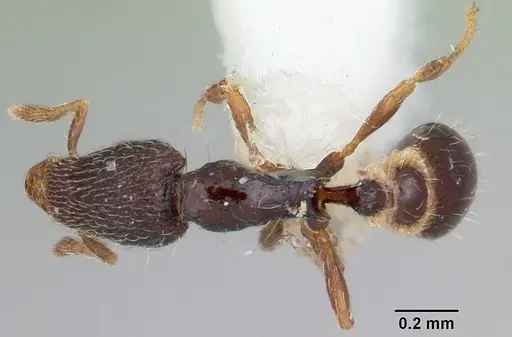
CASENT0417919
View on AntWeb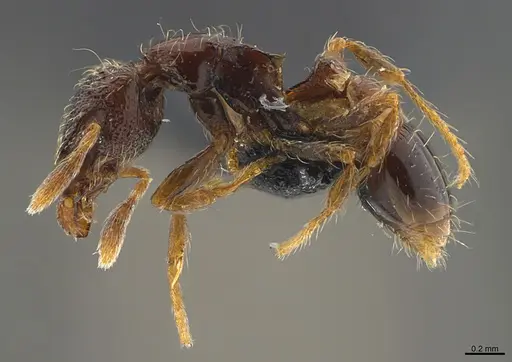
CASENT0900056
View on AntWeb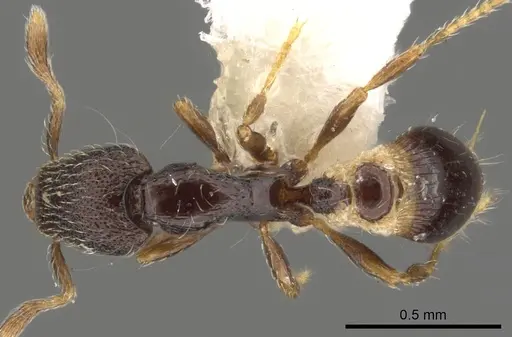
CASENT0914727
View on AntWeb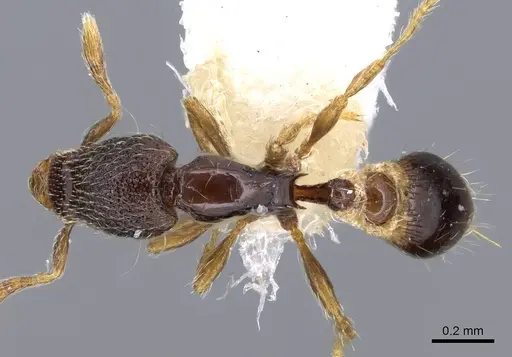
Literature
Loading distribution map...Loading products...