
Strumigenys simoni
- Sci. Name
- Strumigenys simoni
- Tribe
- Attini
- Subfamily
- Myrmicinae
- Author
- Emery, 1895
- Distribution
- Found in 8 countries
Introduction
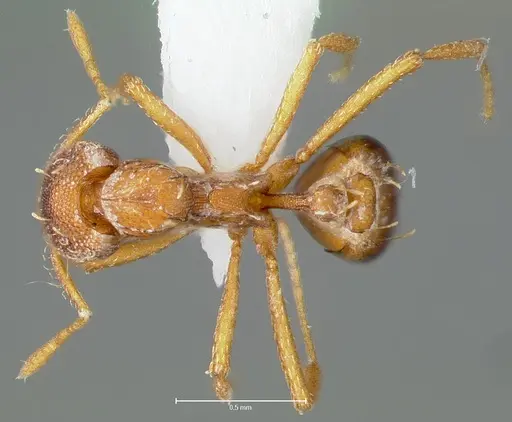
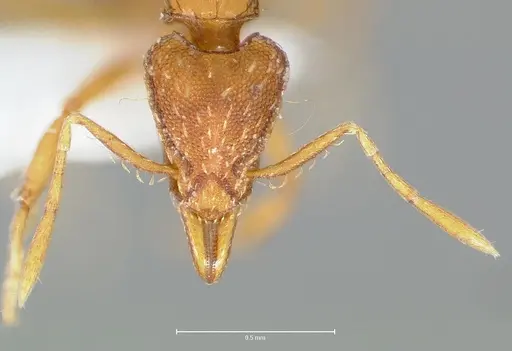
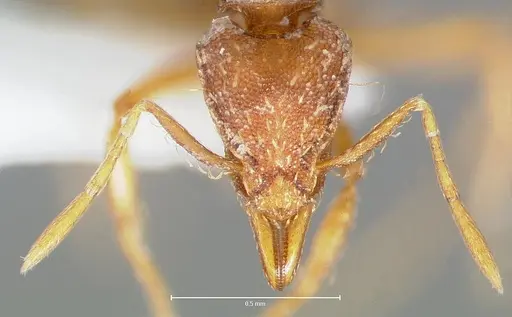
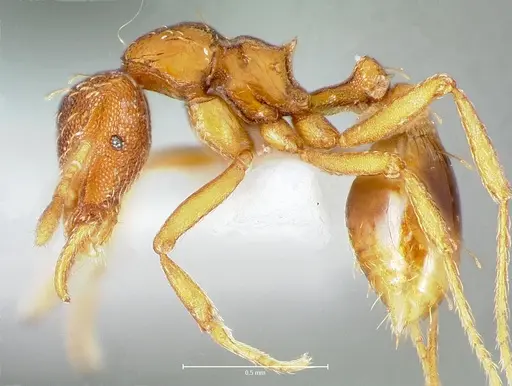
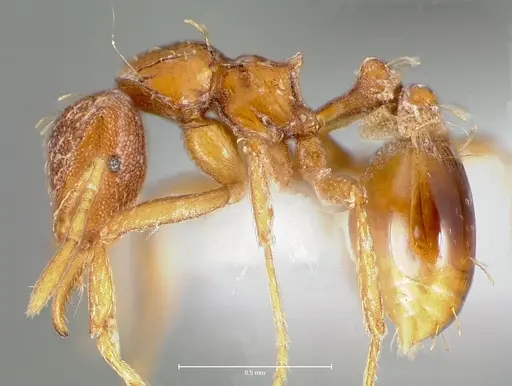
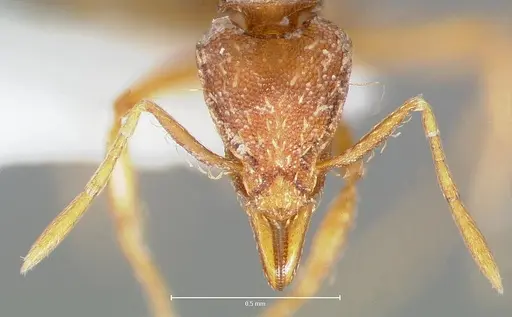
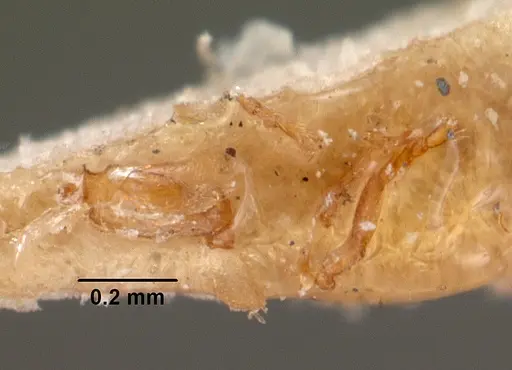
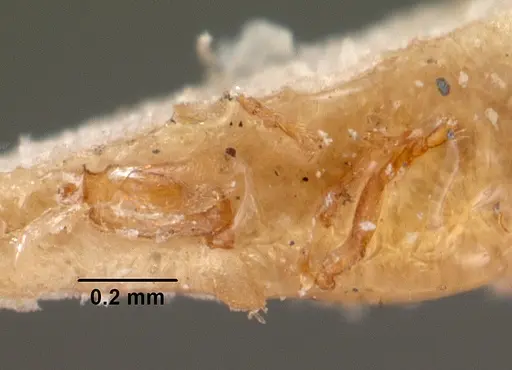
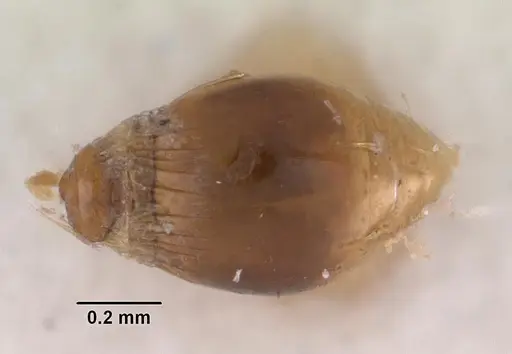
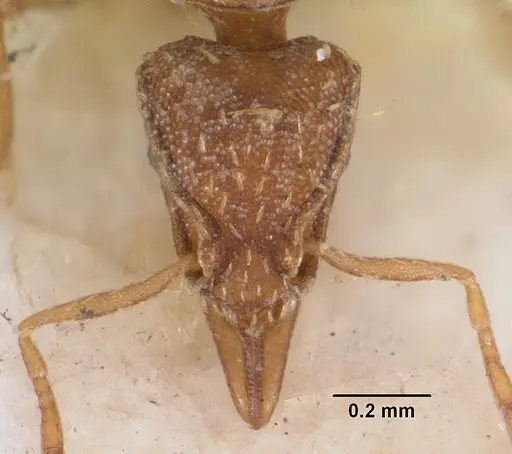
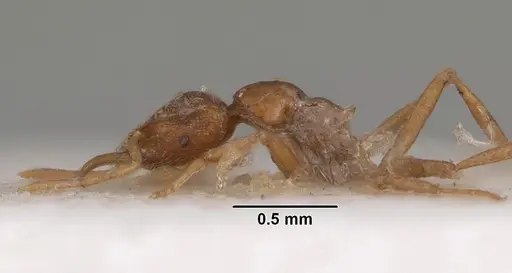
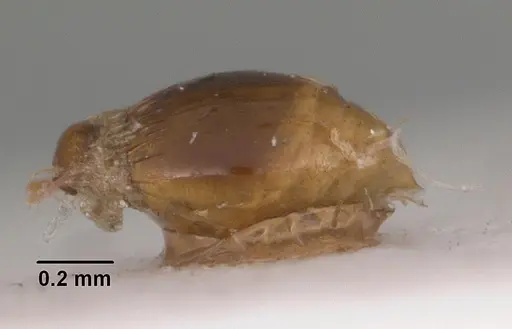
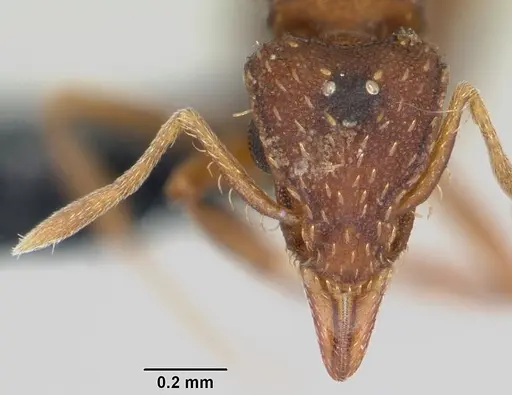
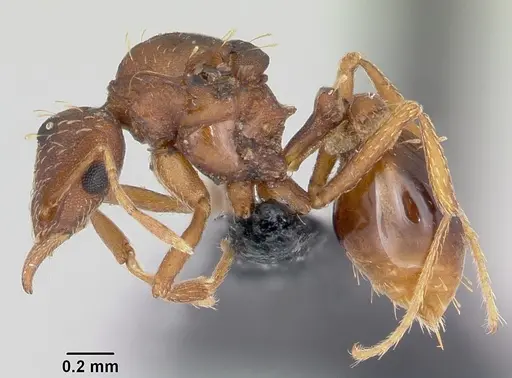
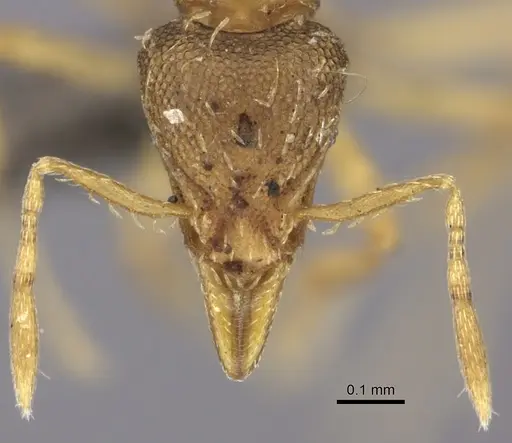
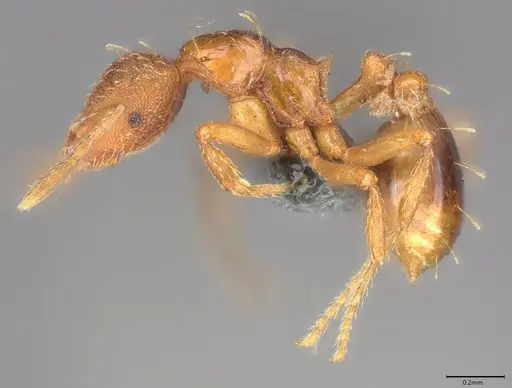
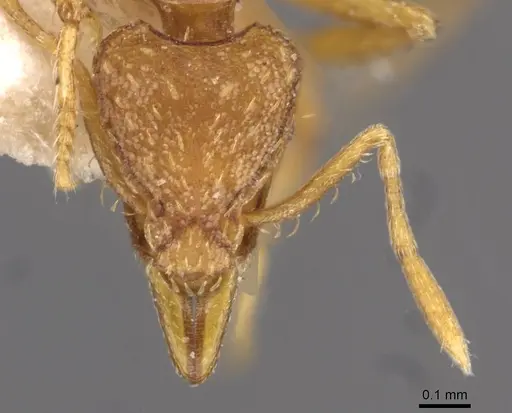
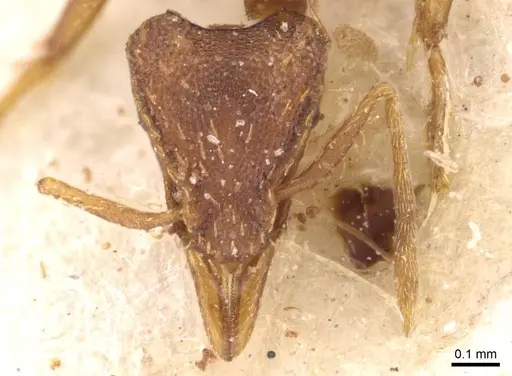
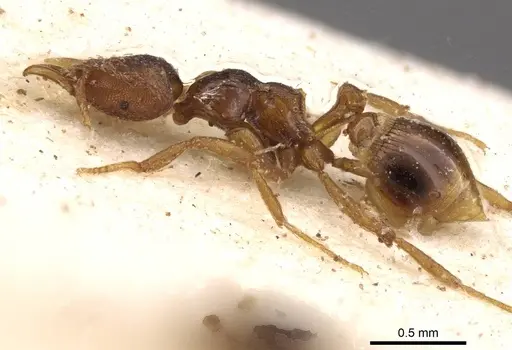
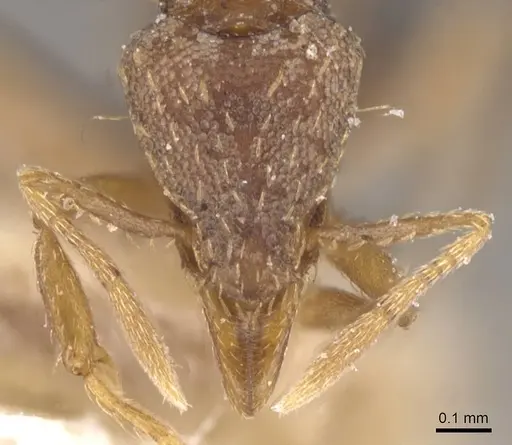
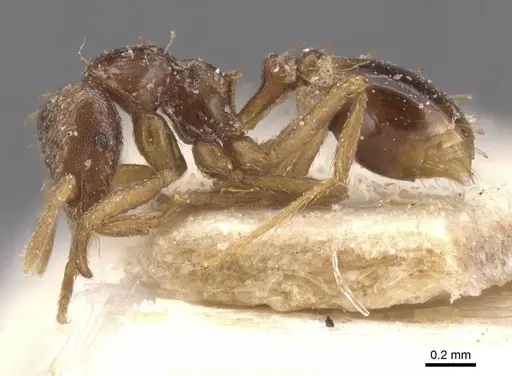
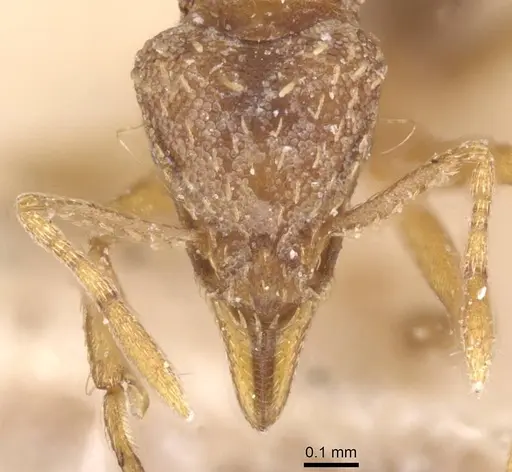
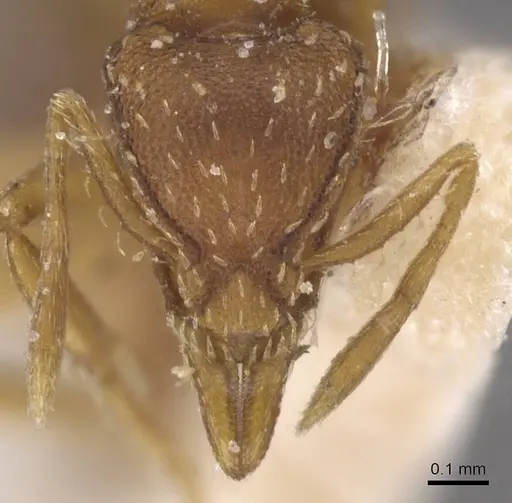
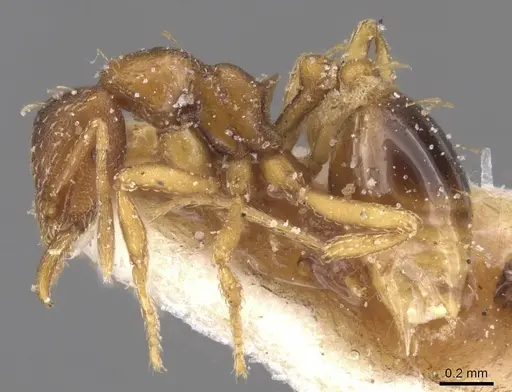
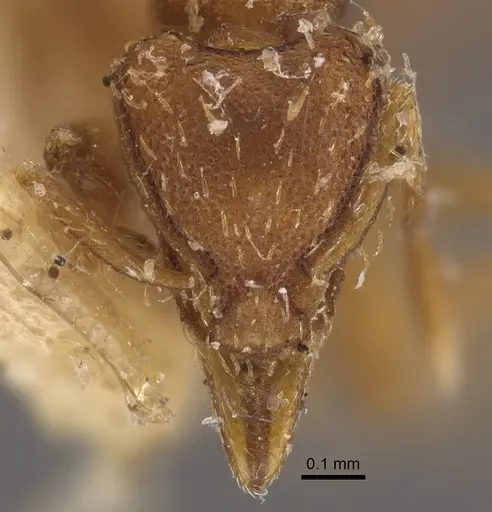
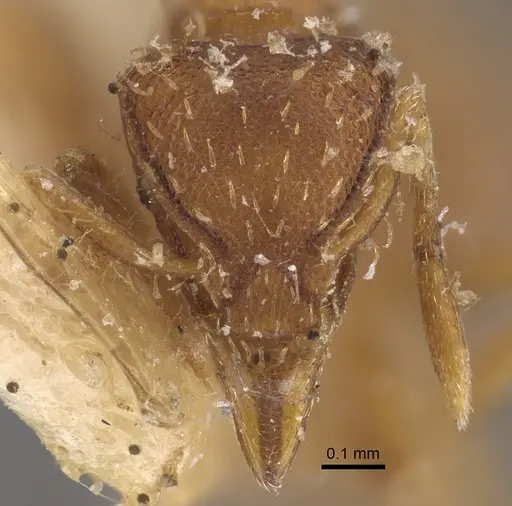
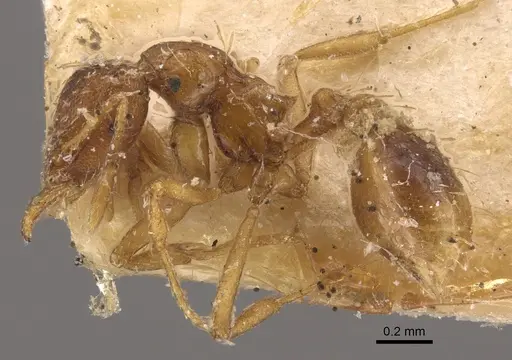
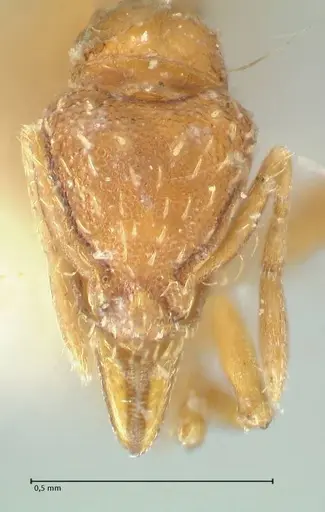
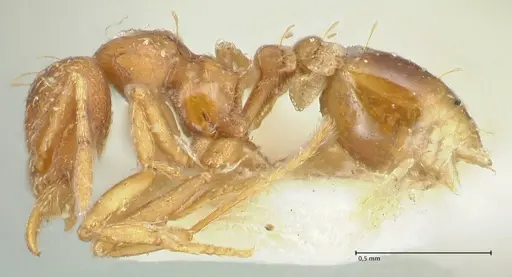
Strumigenys simoni is a tiny predatory ant, with workers measuring 2.4-3.0 mm in total length . They have a distinctive appearance: long flagellate hairs on the head and humeri, a broad metanotal impression, and mandibles with small, fine, regular denticles. Their color ranges from yellowish brown to blackish brown . This species belongs to the Strumigenys lujae group and, unlike other Attini, is a predator rather than a fungus-grower . One of the most widely distributed ants in sub-Saharan Africa, it ranges from South Africa north to Eritrea and across to Guinea, and has been introduced to Mauritius . It prefers open forest and savannah habitats, avoiding dense rainforest . Colonies are typically small and found in rotten wood, under stones, and in soil .
Quick Summary
- Difficulty: Medium
- Origin & Habitat: Eastern and southern Africa: found in Angola, Botswana, Burundi, Democratic Republic of Congo, Eritrea, Ethiopia, Guinea, Kenya, Malawi, Mozambique, South Africa, Uganda, Tanzania, Zambia, Zimbabwe. Also introduced to Mauritius [1]. Prefers open forest and savannah, avoiding dense rainforest [1].
- Colony Type: Unknown – colony structure not directly studied.
- Size & Growth:
- Antkeeping:
- Temperature: Not specifically studied. As a tropical species, likely needs warm conditions. Start around 24–28°C and observe. Avoid extremes.
- Humidity: Not specifically studied. Natural habitat (rotten wood, soil) suggests moderate to high humidity. Keep nest substrate consistently moist but not waterlogged.
- Diapause: None – tropical species, no hibernation required. A slight cool period may be optional but not needed.
- Nesting: Natural nests in rotten wood, under stones, and in soil [1]. In captivity, use a naturalistic setup with moist substrate (soil or plaster) or Y-tong nests with narrow chambers due to small size.
- Behavior: These ants are tiny and slow-moving. They are not aggressive and rarely attempt to sting. Due to their minute size, escape prevention is critical – they can slip through extremely small gaps. Use fine mesh (≤0.5 mm) and tight-fitting lids.
- Common Issues: escape prevention is critical due to extremely small size – use fine mesh and tight-fitting lids., wild-caught colonies may carry parasites that can decimate the colony., dry conditions will quickly kill these moisture-dependent ants., excess prey can mold or overwhelm a small colony – feed only what is consumed within 24 hours., small colony size means slow growth – be patient and avoid overfeeding.
Housing and Nest Setup
Strumigenys simoni nests naturally in rotten wood, under stones, and in soil [1]. In captivity, a naturalistic setup with a moist substrate (mix of soil and decayed wood) works well. Y-tong (AAC) nests with narrow chambers are also suitable, as their tiny size fits tight spaces. Test tubes can be used for founding but may need upgrading. Escape prevention is critical – these ants can squeeze through gaps that seem impossible. Apply fluon to container rims and use fine mesh (≤0.5 mm) on ventilation. The nest area should retain humidity, avoid setups that dry out quickly.
Feeding and Diet
Strumigenys simoni is an obligate predator. In the wild it likely hunts small arthropods (springtails, mites, etc.) [1]. In captivity, offer live small prey such as fruit flies, springtails, or tiny crickets. Dead insects or sugar water alone are not sufficient. Feed small amounts 2–3 times per week, adjusting to consumption. Remove uneaten prey after 24 hours to prevent mold. Overfeeding can overwhelm a small colony.
Temperature and Humidity
No specific data exist, but as a tropical African species, warm conditions are expected. Maintain nest temperature around 24–28°C, with a gradient to cooler areas (≈22°C). Avoid temperatures below 20°C or above 32°C. Humidity should be moderate to high – the substrate should be consistently moist but not waterlogged. Check moisture levels regularly, rehydrate when the surface begins to dry. Adequate ventilation is needed to prevent mold, but avoid drafts that dry the nest.
Colony Development
Colony development is not well documented. Based on the small worker size and typical dacetine patterns, colonies grow slowly and remain small. Time from egg to worker is unknown, so patience is required. Do not disturb the nest frequently, and avoid overfeeding during founding stages. A mature colony likely numbers a few dozen to a couple hundred workers, but this is unconfirmed.
Behavior and Temperament
Strumigenys simoni is docile and non-aggressive. Workers move slowly and forage individually. Their tiny size makes them harmless to humans – the stinger is present (Myrmicinae) but cannot effectively penetrate skin. However, the same size makes them vulnerable to escapes, physical barriers must be meticulously maintained. They are not known for climbing, but can fit through tiny gaps.
Frequently Asked Questions
How long does it take for Strumigenys simoni to produce first workers?
Unknown – specific timing has not been studied. Based on related species, it may take several weeks to months under warm conditions, but this is guesswork.
Can I keep Strumigenys simoni in a test tube?
Yes, test tubes are fine for founding stages. Ensure the water cotton is packed tightly to prevent flooding and escapes. Move to a larger setup when the colony outgrows the test tube (usually after a few dozen workers).
What do Strumigenys simoni eat?
They are obligate predators and need live small prey. Offer fruit flies, springtails, or tiny crickets. They will not survive on sugar water or dead insects alone.
Are Strumigenys simoni good for beginners?
They are medium difficulty. The main challenges are providing live food, maintaining humidity, and preventing escapes. They are not the easiest but can be rewarding for keepers who can meet these needs.
How big do Strumigenys simoni colonies get?
Unknown – colony size has not been documented. Likely small (maybe a few hundred workers at most), based on related Strumigenys species.
Do Strumigenys simoni need hibernation?
No – as a tropical species, they do not require hibernation. A slight seasonal cool-down may be optional but not needed.
Why are my Strumigenys simoni dying?
Common causes: insufficient humidity (substrate too dry), lack of live prey, escapes (check all barriers), or parasites from wild-caught colonies. Review conditions systematically.
When should I move my colony to a formicarium?
Move when the test tube becomes crowded (roughly 30–50 workers) or when moisture issues arise. Transfer gently to avoid stress.
Can I keep multiple queens together?
Not recommended – colony structure is unknown, but Strumigenys are typically single-queen. Attempting to combine queens risks fighting.
What temperature is best for Strumigenys simoni?
No specific data, aim for 24–28°C with a gradient. Avoid below 20°C or above 32°C.
How often should I feed Strumigenys simoni?
Offer small amounts of live prey 2–3 times per week. Remove uneaten prey after 24 hours to prevent mold.
Report an Issue
The current care sheet is based fully on literature. See inconsistencies, or something that's incorrect? Please , it will be resolved after review from an admin. Contributing to the blogs tab also helps providing information, to make us be able to further improve the caresheets. Thank you for your support!
References

This caresheet is licensed under CC BY-SA 4.0 .
Community Blogs
CASENT0005997
View on AntWeb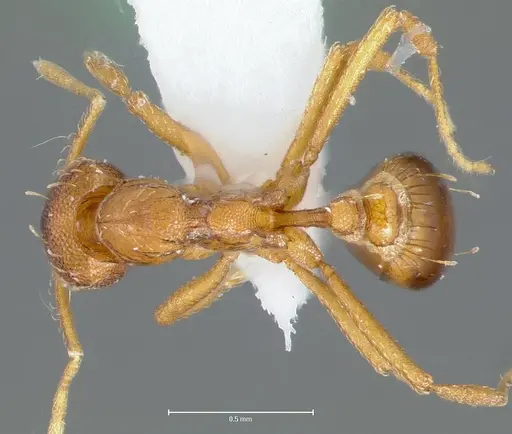
CASENT0006029
View on AntWeb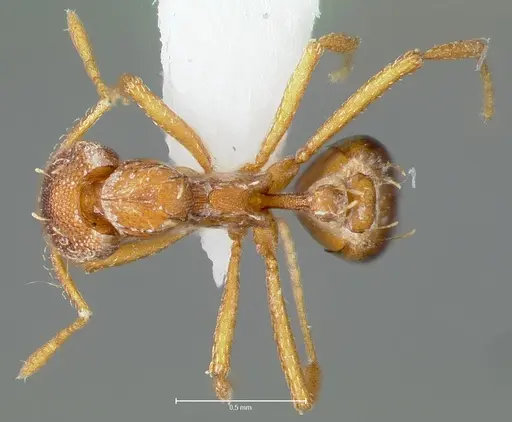
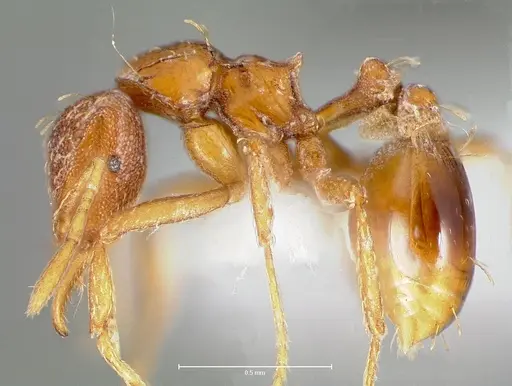
CASENT0060533
View on AntWeb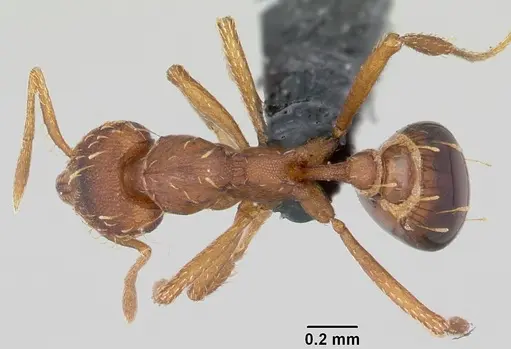
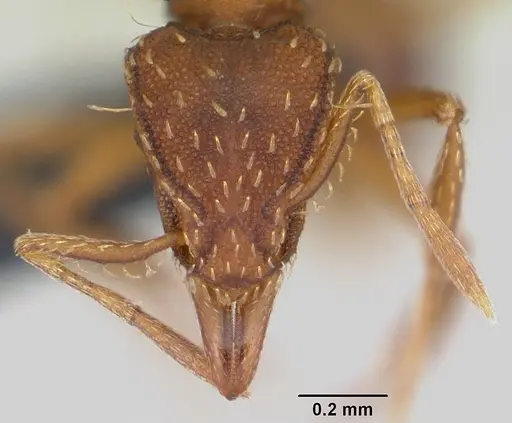

CASENT0102079
View on AntWeb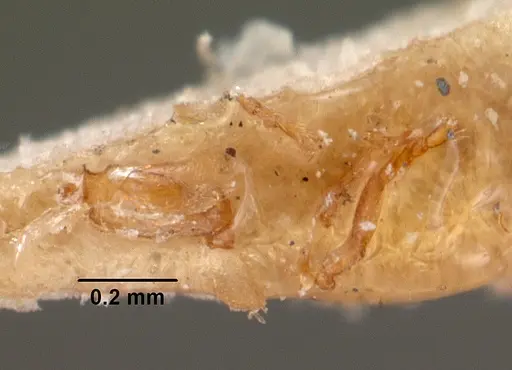
CASENT0102255
View on AntWeb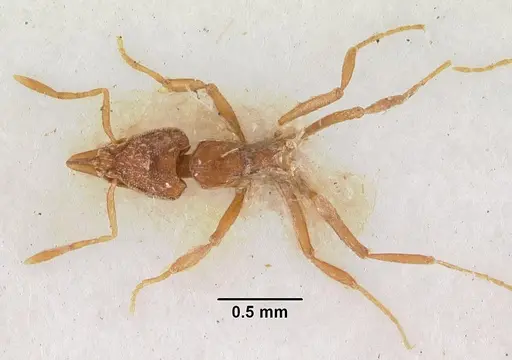
CASENT0104921
View on AntWeb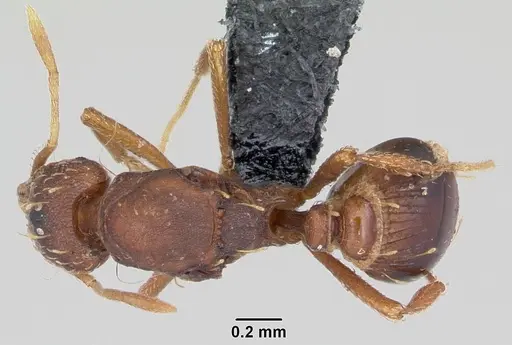
CASENT0235697
View on AntWeb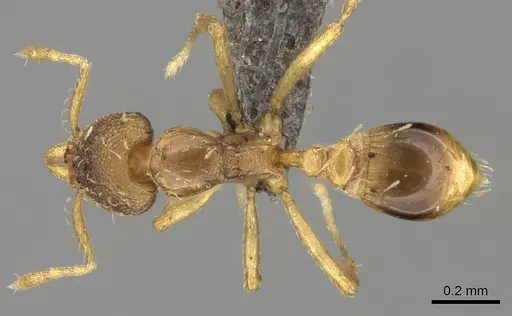
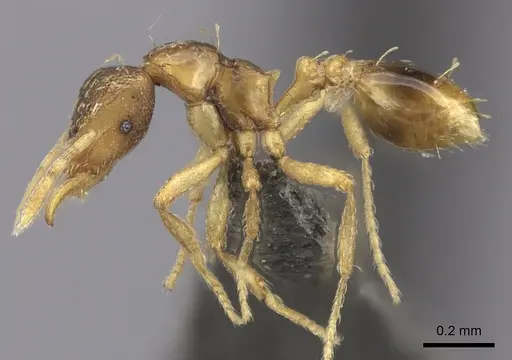
CASENT0358223
View on AntWeb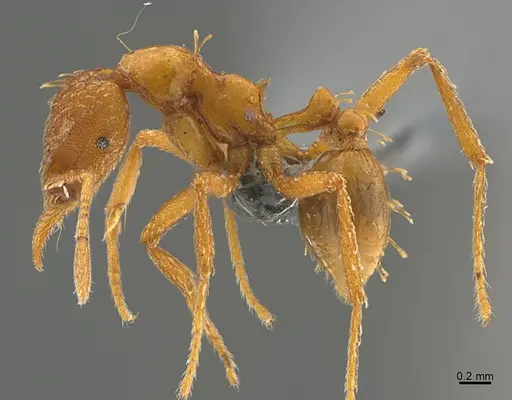
CASENT0763717
View on AntWeb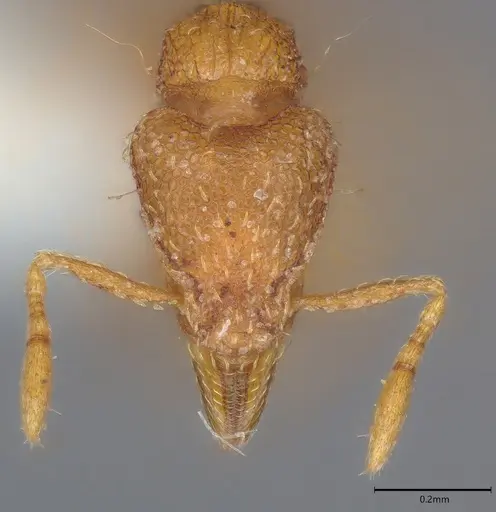
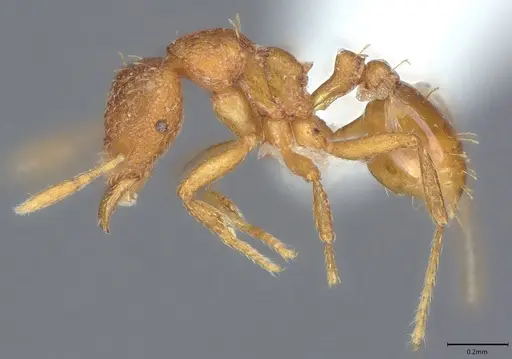
CASENT0778978
View on AntWeb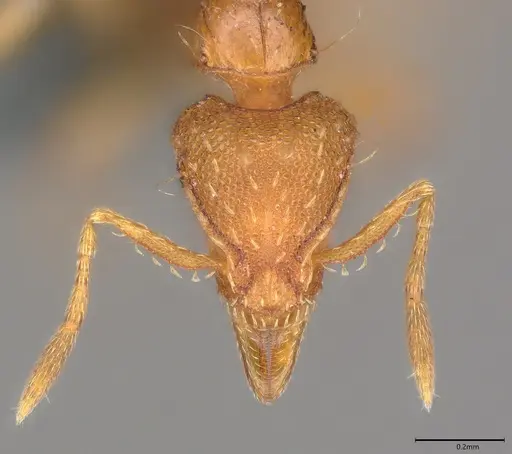
CASENT0909331
View on AntWeb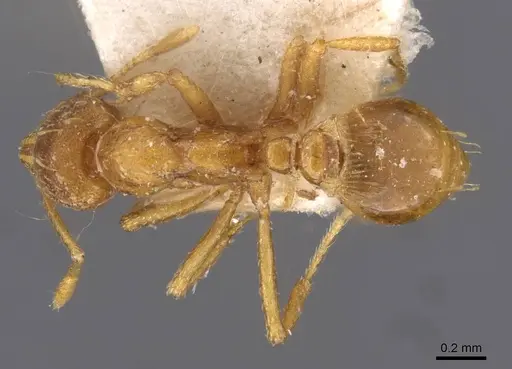
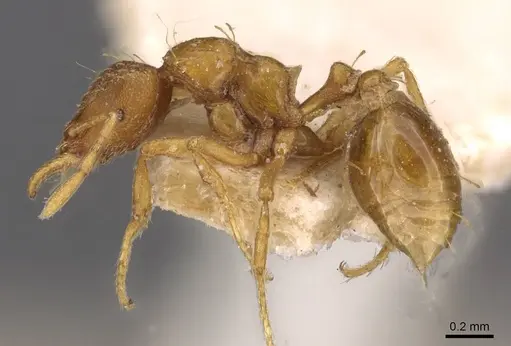
CASENT0909332
View on AntWeb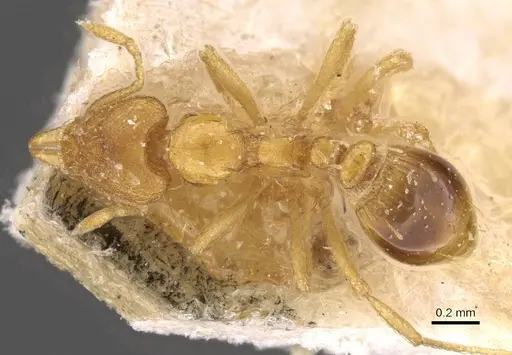
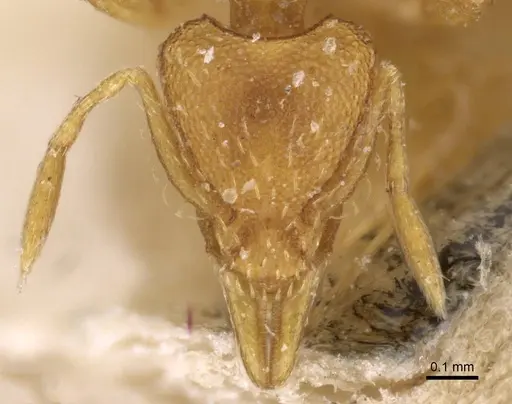
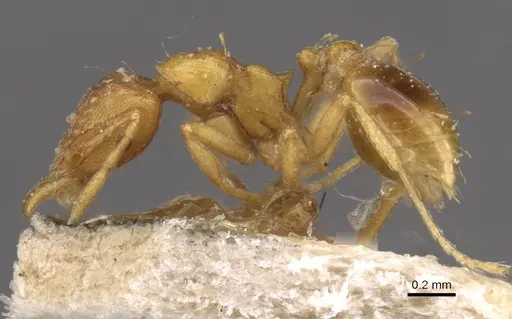
CASENT0909333
View on AntWeb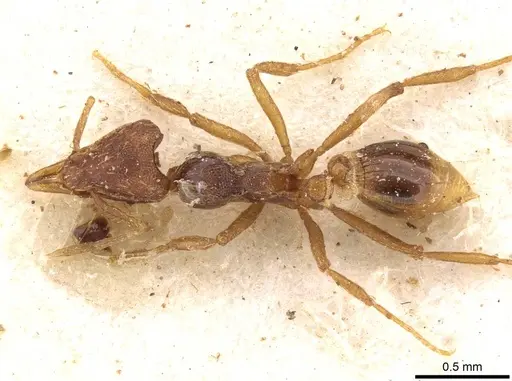
CASENT0912842
View on AntWeb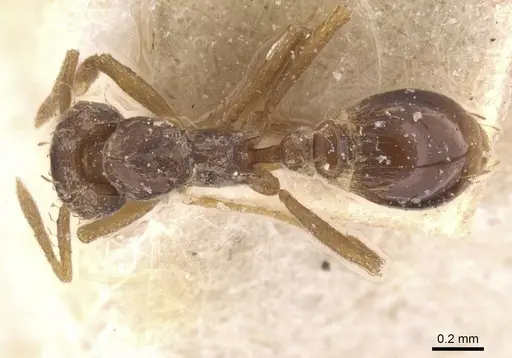
CASENT0912843
View on AntWeb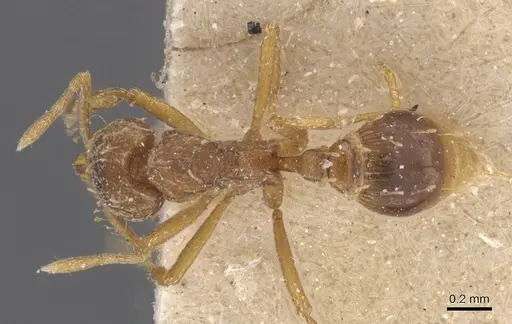
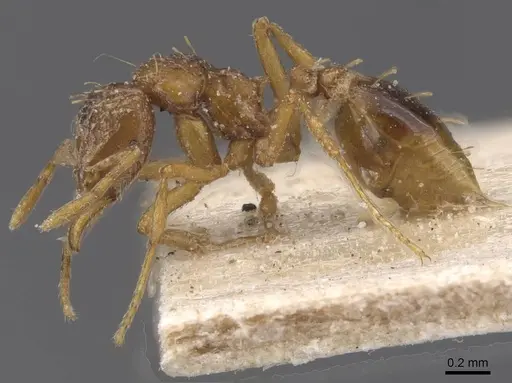
CASENT0912844
View on AntWeb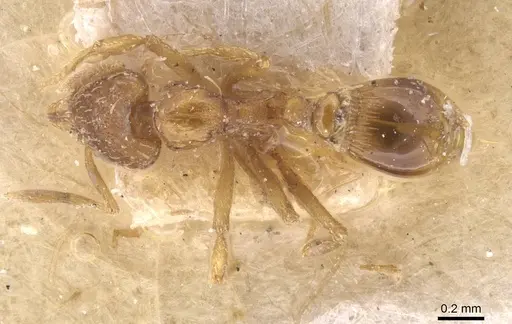
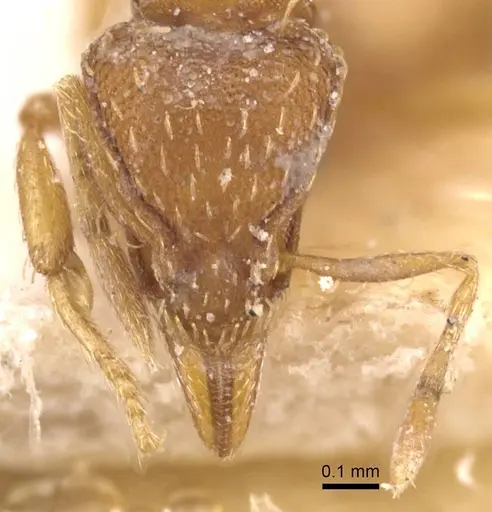
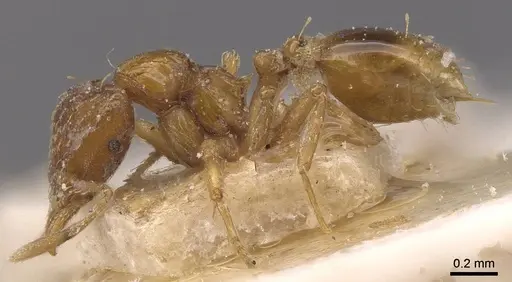
CASENT0912845
View on AntWeb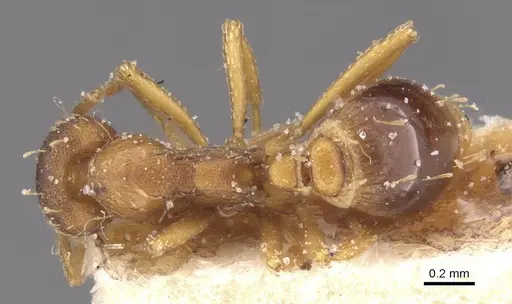
CASENT0917840
View on AntWeb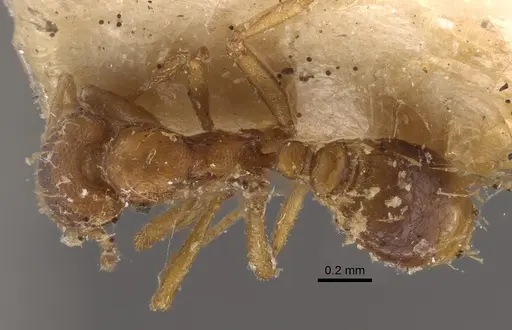
FOCOL2168
View on AntWeb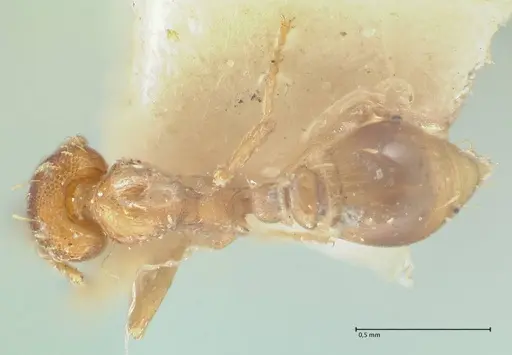
Literature
Loading distribution map...Loading products...