
Strumigenys rehi
- Sci. Name
- Strumigenys rehi
- Tribe
- Attini
- Subfamily
- Myrmicinae
- Author
- Forel, 1907
- Distribution
- Found in 1 countries
Introduction
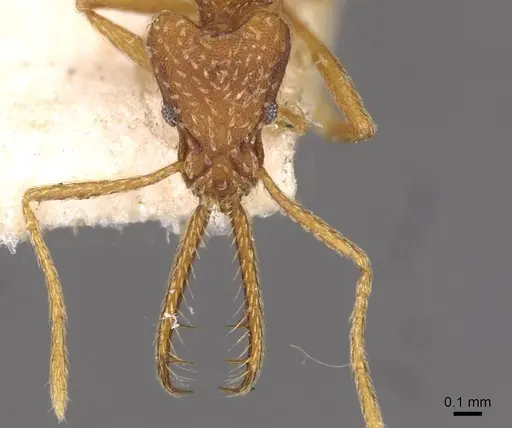
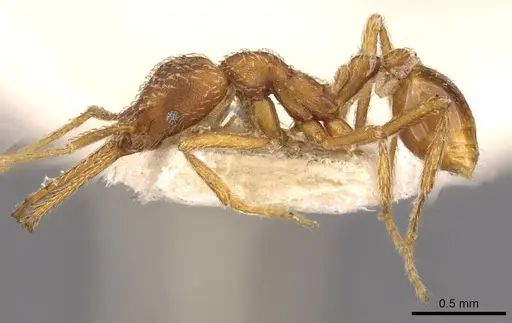
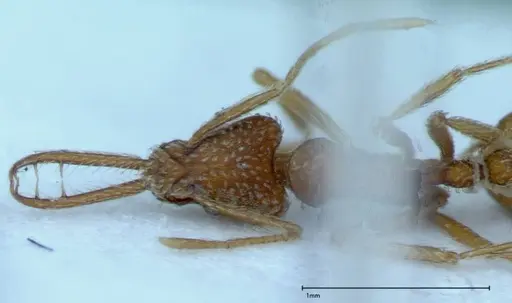
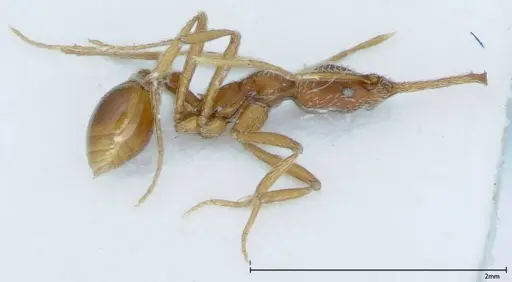
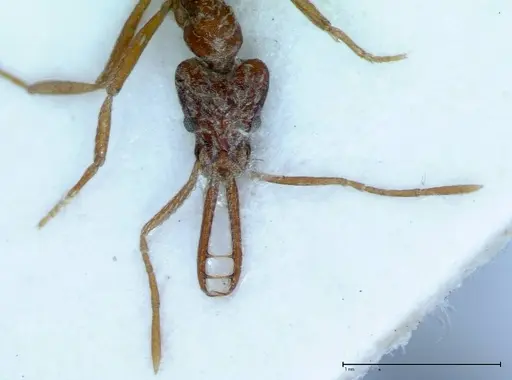
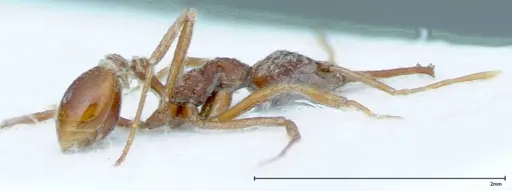
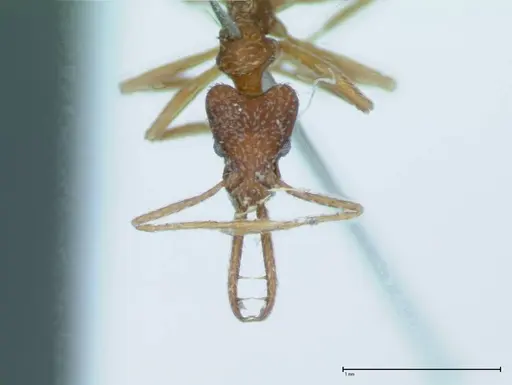
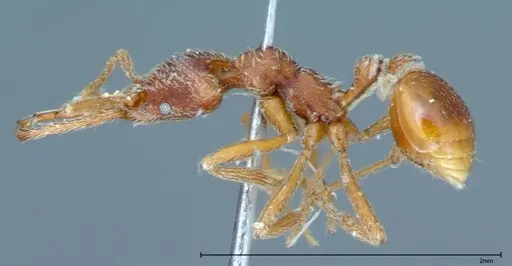
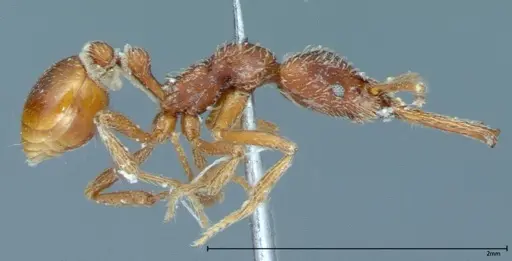
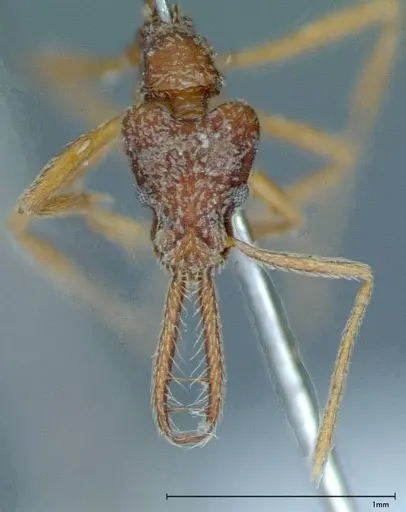
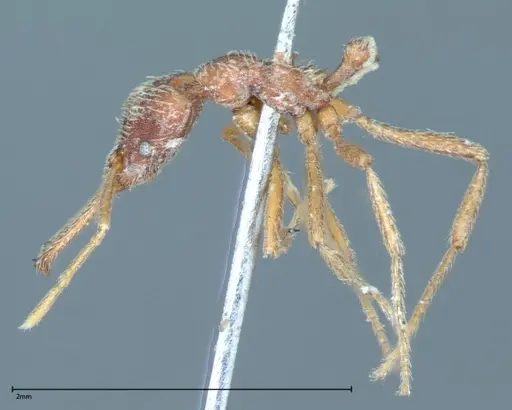
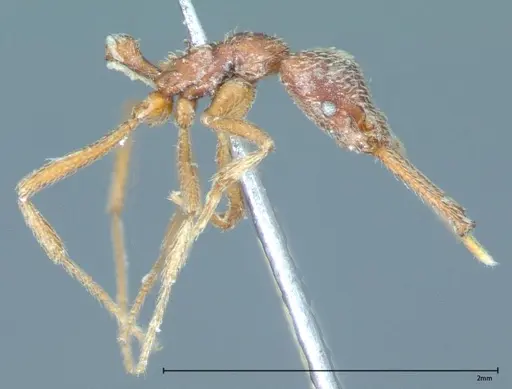
Strumigenys rehi is a tiny predatory ant measuring just 3.3-3.7mm in total length . Workers have distinctive large eyes and relatively long mandibles, features that indicate an arboreal lifestyle . The species belongs to the Strumigenys mandibularis group, specifically the cordovensis-complex, and is the only species in this complex that lacks standing hairs on the first gastral tergite . These ants are specialized predators, using their trap-jaw mandibles to capture tiny prey like springtails. This species was originally discovered in Brazil (Amazonas, Manaus) when workers were intercepted in orchid plants arriving at Hamburg, Germany - a finding that strongly supports their arboreal nesting habits . The species is known from Brazil and Colombia in the Neotropical region .
Quick Summary
- Difficulty: Expert
- Origin & Habitat: Brazil and Colombia in the Neotropical region. Originally collected from orchid plants, indicating an arboreal habitat [2].
- Colony Type: Unknown, based on Strumigenys genus patterns, likely single-queen colonies.
- Size & Growth:
- Antkeeping:
- Temperature: Tropical species from Brazil/Colombia, maintain 24-28°C.
- Humidity: Keep substrate moist but not waterlogged, high ambient humidity is beneficial. No reliable literature data on exact humidity levels.
- Diapause: No, tropical species does not require diapause.
- Nesting: Arboreal nesters, prefer preformed cavities. Use Y-tong or plaster nests with small chambers.
- Behavior: Strumigenys rehi is a calm, non-aggressive ant that poses no threat to keepers. Their tiny size means they are harmless to humans. Workers are active hunters that use their specialized mandibles to capture small live prey. They are excellent escape artists due to their small size, fine mesh barriers are essential. They rely primarily on protein prey and are not attracted to sugar sources.
- Common Issues: tiny size requires fine mesh barriers for escape prevention., specialized diet needs live springtails, establishing a thriving culture is critical., high humidity may cause mold if ventilation is inadequate., growth is likely slow, patience required., difficulty sourcing springtails can lead to starvation.
Housing and Nest Setup
Strumigenys rehi requires careful housing due to its tiny worker size of just 3.3-3.7mm [1]. Use a Y-tong or plaster nest with chambers appropriately scaled to their small size. The chambers should be tight and snug, larger open spaces can stress these tiny ants. Because they were found in orchid plants and have large eyes indicating arboreal habits, they likely prefer nesting in preformed cavities rather than digging in soil [2]. A small outworld area connected to the nest allows for hunting territory. Escape prevention is critical, use fine mesh barriers and ensure all connections are sealed. Their tiny size means they can slip through surprisingly small gaps.
Feeding and Diet
Strumigenys rehi is a specialized predator that requires live prey. In the wild, these ants hunt springtails (Collembola) and other tiny arthropods using their trap-jaw mandibles [2]. In captivity, you must establish a reliable springtail culture, this is the primary food source. Other tiny live prey like fruit fly larvae, booklice, and dust mites may be accepted, but springtails should form the bulk of their diet. Do not rely on sugar sources or dead protein, these ants are obligate predators. Feed every 2-3 days, offering small amounts of live prey. Remove uneaten prey after 24 hours to prevent mold. Establishing and maintaining a thriving springtail culture is the single biggest challenge in keeping this species.
Temperature and Care
As a tropical species from Brazil and Colombia, Strumigenys rehi needs warm temperatures. Keep the nest area at 24-28°C, this range supports normal activity and brood development. A slight temperature gradient allows the colony to self-regulate. Use a heating cable or mat on one side of the nest if your room temperature is below this range. Place heating on top of the nest, not underneath, to avoid evaporating moisture too quickly. These ants need high humidity to match their Amazonian origin. Monitor condensation levels in the nest, some condensation is normal and beneficial, but excessive moisture leads to mold. Use adequate ventilation to prevent stagnant air while maintaining humidity.
Behavior and Temperament
Strumigenys rehi is a calm, non-aggressive ant that poses no threat to keepers. Their small size means they are harmless to humans. Workers are active hunters that will search out and capture small live prey. They do not form large colonies, expect modest numbers of workers even in established colonies. The species shows typical Strumigenys hunting behavior where workers use their specialized mandibles to quickly seize prey items. They are not known for escape attempts beyond what their tiny size naturally permits, but excellent barrier maintenance is still essential.
Frequently Asked Questions
Can I keep Strumigenys rehi in a test tube?
A test tube can work for a founding queen or very small colony, but these ants need more space as they grow. A small Y-tong or plaster nest is better for established colonies. The key requirement is appropriately scaled chambers for their tiny 3.3mm worker size.
What do Strumigenys rehi ants eat?
They eat live springtails and other tiny arthropods. This is not optional, Strumigenys are specialized predators that cannot survive on sugar water or dead protein. You must maintain a springtail culture to keep this species.
How long does it take for Strumigenys rehi to produce first workers?
No direct data is available for S. rehi. Based on related myrmicine species, development from egg to worker is estimated at 8-12 weeks at optimal temperature (24-28°C).
Are Strumigenys rehi good for beginners?
No. This is an expert-level species due to its specialized live prey diet (springtails required), high humidity needs, tiny size requiring excellent escape prevention, and overall delicate nature. Beginners should start with easier species like Lasius or Messor.
Do Strumigenys rehi need hibernation?
No. As a tropical species from Brazil/Colombia, they do not require diapause or hibernation. Simply maintain warm temperatures year-round.
How big do Strumigenys rehi colonies get?
Colony size is not documented for this specific species. Based on typical Strumigenys patterns, colonies likely reach a few hundred workers at most.
Why are my Strumigenys rehi dying?
Common causes include: starvation (no springtails available), low humidity, temperatures outside 24-28°C range, escape-related losses, or mold from excessive moisture with poor ventilation. Check all of these parameters.
Can I keep multiple queens together?
This has not been documented for S. rehi. Based on typical Strumigenys behavior, single-queen colonies are most stable. Do not attempt combining unrelated queens.
When should I move Strumigenys rehi to a formicarium?
Move them when the colony reaches roughly 20-30 workers and the test tube becomes crowded. Ensure the new setup has appropriately sized chambers and a small hunting area. Springtail cultures should already be established before the move.
Report an Issue
The current care sheet is based fully on literature. See inconsistencies, or something that's incorrect? Please , it will be resolved after review from an admin. Contributing to the blogs tab also helps providing information, to make us be able to further improve the caresheets. Thank you for your support!
References

This caresheet is licensed under CC BY-SA 4.0 .
Community Blogs
CASENT0909325
View on AntWeb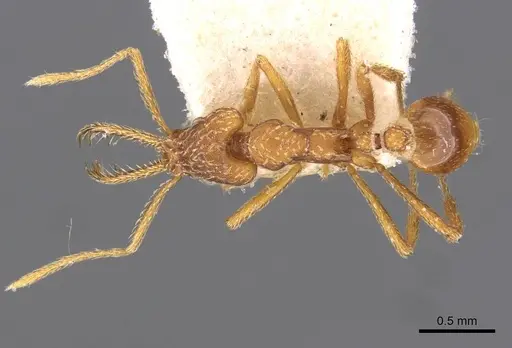
FOCOL0039
View on AntWeb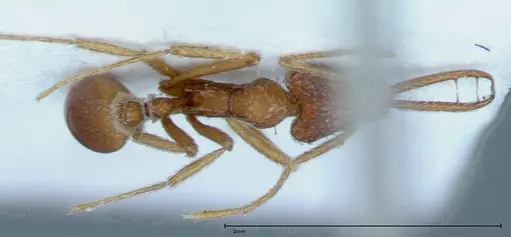
FOCOL0040
View on AntWeb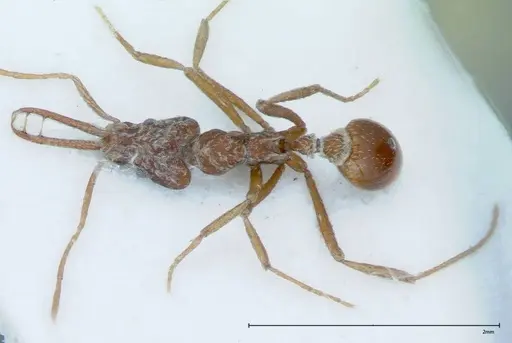
FOCOL0041
View on AntWeb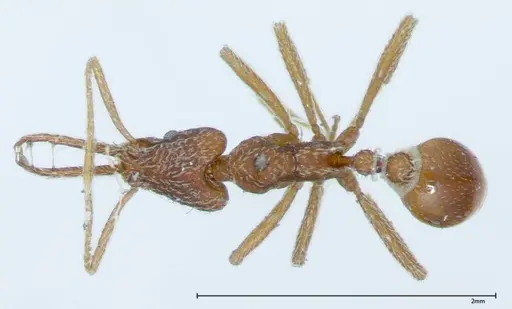
FOCOL0042
View on AntWeb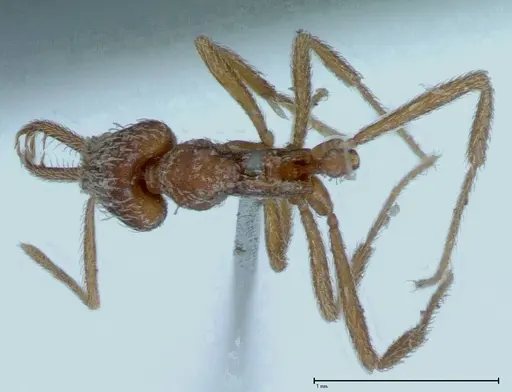
Literature
Loading distribution map...Loading products...