
Strumigenys rabesoni
- Sci. Name
- Strumigenys rabesoni
- Tribe
- Attini
- Subfamily
- Myrmicinae
- Author
- Fisher, 2000
- Distribution
- Found in 1 countries
Introduction
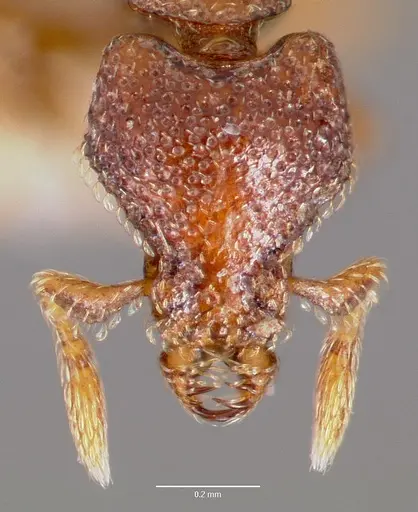
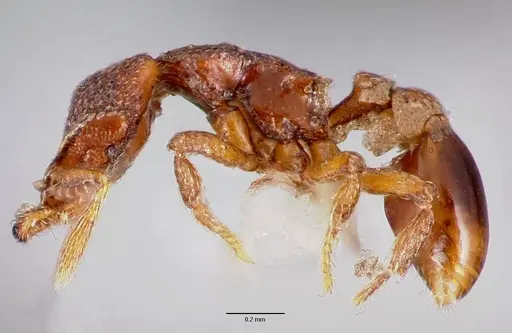
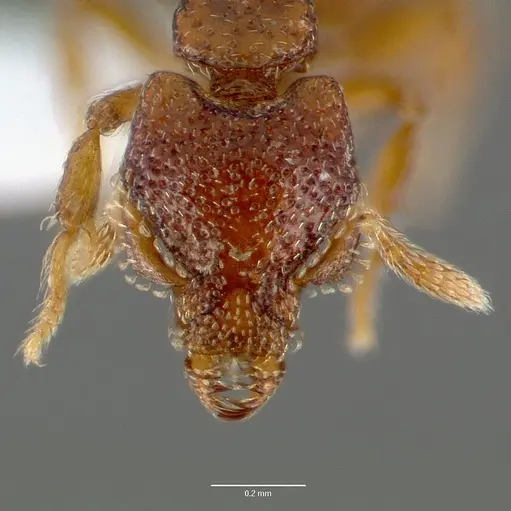
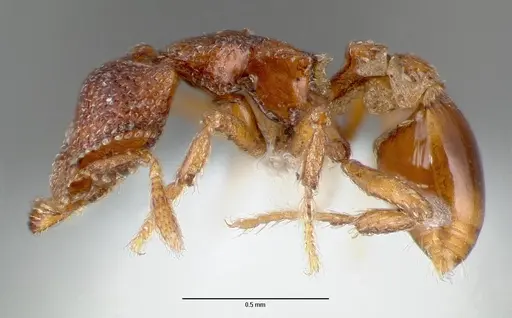
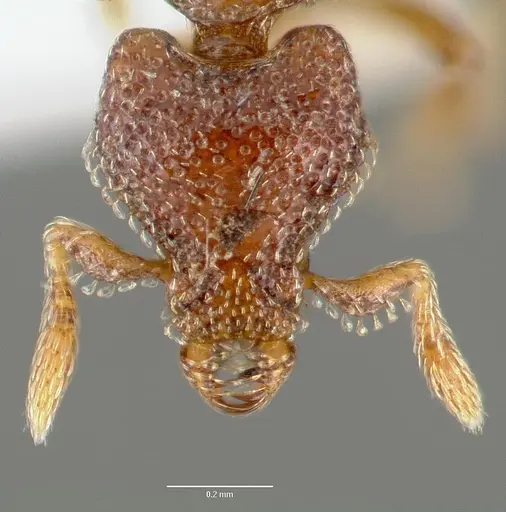
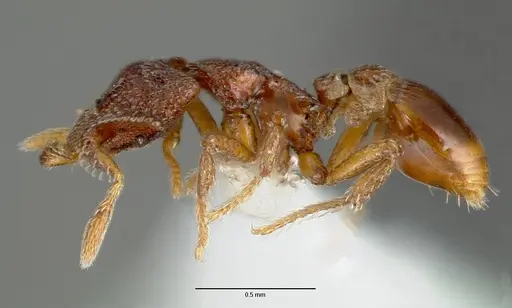
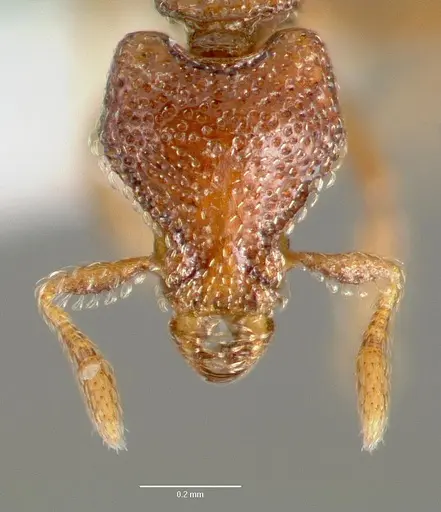
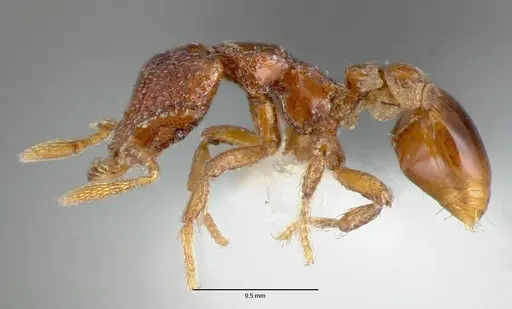
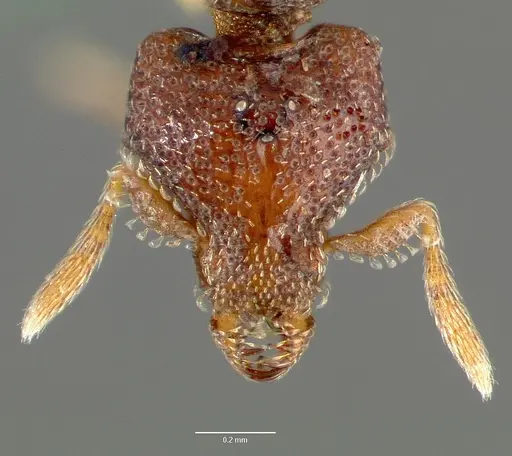
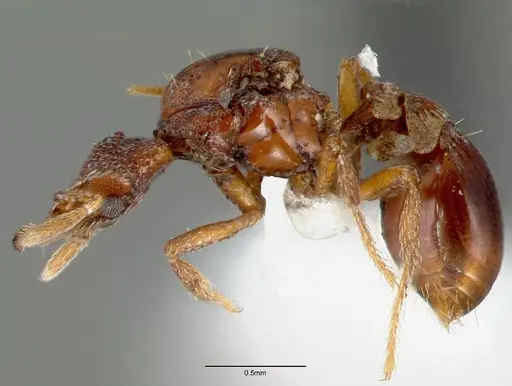
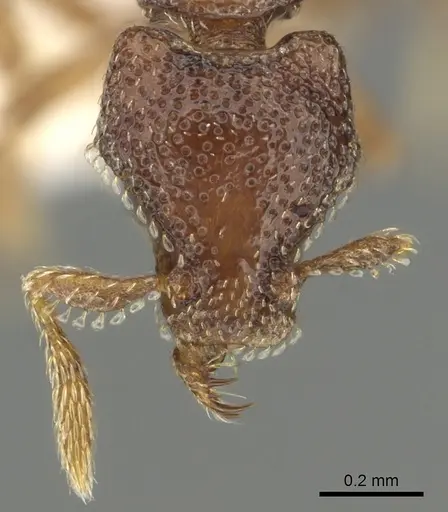
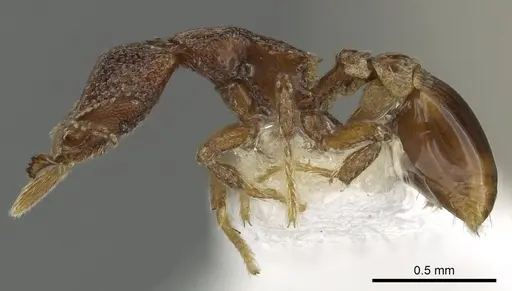
Strumigenys rabesoni is a minute trap-jaw ant species endemic to Madagascar. Workers measure about 2.3-2.5 mm in total length . They belong to the Dacetini group, known for their rapid-snap mandibles used to capture tiny prey. The species is part of the dexis-group and is closely related to Strumigenys gorgon . These ants live in montane rainforests at 1200-1280 m elevation, where they are found in leaf litter on the dark, humid forest floor . Over 20 collections are known, all from damp (mesic) habitats .
Quick Summary
- Difficulty: Hard
- Origin & Habitat: Endemic to Madagascar, specifically montane rainforest at 1200-1280 m. All specimens were sifted from leaf litter (leaf mold, rotten wood) in mesic forest [2][1].
- Colony Type: Colony structure is not confirmed. Based on related Strumigenys, they are likely monogyne (single queen) with small colony sizes, probably under 100 workers. Dacetini ants typically keep small colonies.
- Size & Growth:
- Queen: Size data unavailable. Inferred from genus patterns – queens are likely slightly larger than workers (3-4 mm range).
- Worker: 2.3-2.5 mm [1]
- Colony: Likely under 100 workers – based on typical Dacetini patterns and small worker size.
- Growth: Slow
- Development: Estimated 8-12 weeks at optimal conditions, based on similar Strumigenys species. No direct data for this species. (Development likely temperature-dependent, keep at 20-24 °C.)
- Antkeeping:
- Temperature: Keep at 20-24 °C – based on their cool montane habitat [2]. Avoid exceeding 26 °C.
- Humidity: High humidity is essential. Keep the nest substrate consistently moist but not waterlogged. Provide a water source and mist regularly to maintain damp conditions [3][2].
- Diapause: Unknown for this species. Madagascar montane species may slow down during cooler months, but true diapause is not documented. Maintain stable temperatures year-round.
- Nesting: Naturalistic setup with moist substrate (soil/leaf litter mix) works best. They are litter-dwellers that prefer tight, humid spaces with many hiding spots. A small test tube setup can work for founding but requires excellent humidity control.
- Behavior: Specialized predators that use their trap-jaw mandibles to catch tiny prey like springtails. They are not aggressive toward humans and have a sting too small to be effective. Due to their small size (2.3-2.5 mm), escape prevention is critical. Workers are slow and spend most of their time hunting in the leaf litter. They are not colony-aggressive.
- Common Issues: escape prevention is critical – their tiny size (2.3-2.5 mm) lets them squeeze through standard mesh barriers, drying out is the biggest killer – these montane forest ants need constant humidity, slow growth tests patience – colonies may take months to produce significant numbers, specialized diet is challenging – they need live micro-prey, not standard ant food, wild-caught colonies may have parasites that are difficult to treat in captivity
Housing and Nest Setup
Strumigenys rabesoni requires a setup that mimics its natural leaf litter habitat [2][1]. Use a naturalistic terrarium with a soil and decaying leaf matter substrate, kept consistently moist but not waterlogged. These ants live in dark, humid conditions [3], so provide plenty of hiding spots like small stones, bark pieces, or artificial tunnels. A test tube with a water reservoir can work for founding, but maintain high humidity. For established colonies, a small plastic container with moist substrate is better. Avoid acrylic nests. Escape prevention is essential – use fine mesh (at least 0.5 mm) on all openings and check seals regularly [3][1].
Feeding and Diet
Strumigenys rabesoni is a specialized predator that uses its trap-jaw mandibles to catch small, fast-moving prey. Their primary food in captivity should be live springtails, which mimic their natural diet of leaf-litter micro-arthropods. Other tiny live prey like fruit flies or booklice may also be accepted. They typically ignore sugar water and dead insects. Feed every 2-3 days, offering only as much as the colony can consume. Remove uneaten prey to prevent mold. Live prey is essential for colony growth.
Temperature and Humidity
These ants come from cool montane Madagascar habitats at around 1200 m elevation [2]. Keep them at 20-24 °C – lower than many tropical ants need. Avoid heating unless the room drops below 18 °C. Overheating is more dangerous than cool temperatures.
Humidity is critical. They live on dark, humid forest floors [3]. Keep the substrate damp by misting when the surface begins to dry. A water dish in the outworld helps maintain ambient humidity. Watch for condensation – good sign, but if mold appears, improve ventilation.
Growth and Development
Specific development data for this species is not available. Based on related Strumigenys, a queen likely starts a colony claustrally, sealing herself in a small chamber and laying eggs. The first workers (nanitics) probably emerge about 8-12 weeks after the first eggs, assuming good conditions (20-24 °C, high humidity). Live prey is critical for the first brood. Colony growth is slow – expect up to 50-80 workers after a year or more. Maximum colony size is likely under 100 workers. Patience is essential.
Behavior and Temperament
Workers are slow, deliberate foragers that hunt passively in the leaf litter. Their trap-jaw mechanism snaps shut in milliseconds on any tiny prey that comes within range. They are not defensive toward humans – they have a sting, but it is too small to be effective. These ants prefer to stay hidden in the substrate, so you may not see much activity. Provide good lighting and a clear viewing area if you want to observe their hunting. The main challenge is their escape ability due to small size.
Frequently Asked Questions
How long does it take for Strumigenys rabesoni to produce first workers?
No direct data exists. Based on similar Strumigenys species, first workers likely appear about 8-12 weeks after founding, assuming optimal temperature (20-24 °C) and high humidity.
What do Strumigenys rabesoni ants eat?
They are specialized predators that need live micro-prey. The best food is live springtails. They may also accept fruit flies, booklice, or other tiny arthropods. They usually ignore sugar water and dead insects.
Can I keep Strumigenys rabesoni in a test tube?
Yes, a test tube can work for founding, but humidity control is critical. Wrap the water reservoir in cotton and check for mold. For established colonies, a naturalistic setup with moist substrate is better. Escape prevention is essential due to their tiny size.
Are Strumigenys rabesoni good for beginners?
No, this species is not recommended for beginners. Their specialized diet (live micro-prey), high humidity needs, slow growth, and tiny size make them challenging. They are best for experienced keepers with micro-prey cultures.
What temperature do Strumigenys rabesoni need?
Keep them at 20-24 °C – cooler than many tropical ants. They come from cool montane Madagascar habitats [2]. Avoid exceeding 26 °C.
How big do Strumigenys rabesoni colonies get?
Colony size is likely under 100 workers, based on typical Dacetini patterns and small worker size. They grow slowly over many months.
Why are my Strumigenys rabesoni dying?
Common causes: insufficient humidity (the nest dried out), lack of live prey (they need springtails or similar micro-prey), or escape due to their small size. Check substrate moisture, supply live prey regularly, and inspect all barriers for gaps.
Do Strumigenys rabesoni need hibernation?
Diapause is unconfirmed for this species. They come from a relatively stable montane environment. Maintain stable temperatures year-round rather than attempting hibernation. They may slow down during cooler months but do not require a true diapause [2].
When should I move Strumigenys rabesoni to a formicarium?
For this species, a naturalistic setup can be used from the start. If starting in a test tube for founding, wait until the colony has at least 10-15 workers and the tube is becoming cramped. Transfer to a small terrarium with moist substrate.
Report an Issue
The current care sheet is based fully on literature. See inconsistencies, or something that's incorrect? Please , it will be resolved after review from an admin. Contributing to the blogs tab also helps providing information, to make us be able to further improve the caresheets. Thank you for your support!
References

This caresheet is licensed under CC BY-SA 4.0 .
Community Blogs
CASENT0003242
View on AntWeb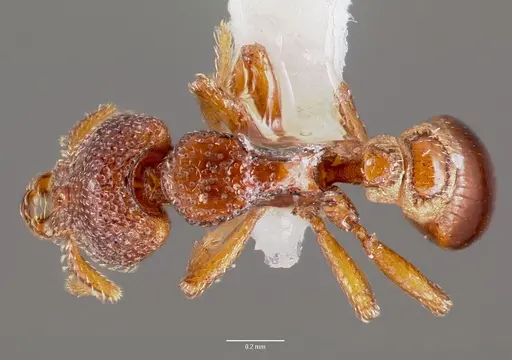
CASENT0005626
View on AntWeb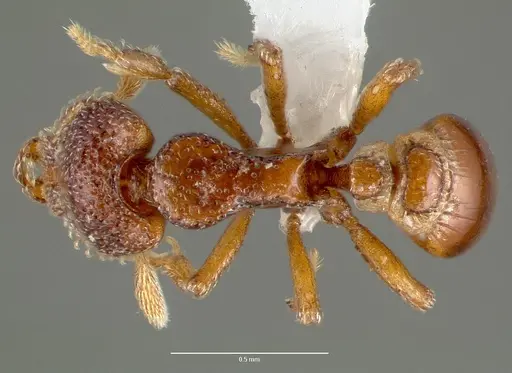
CASENT0005627
View on AntWeb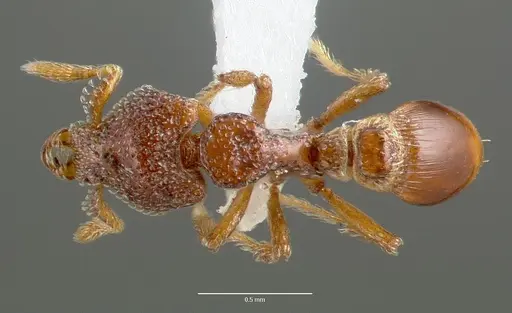
CASENT0005628
View on AntWeb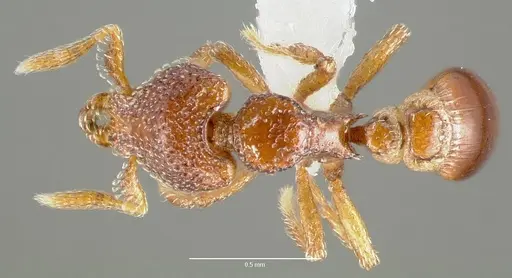
CASENT0006034
View on AntWeb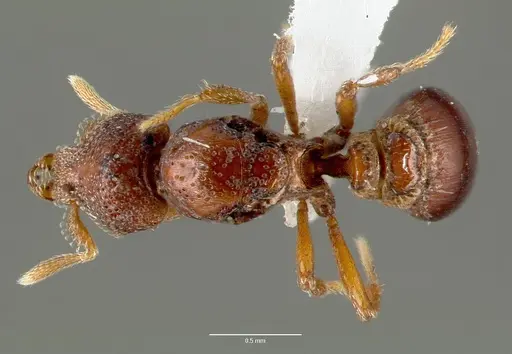
CASENT0900693
View on AntWeb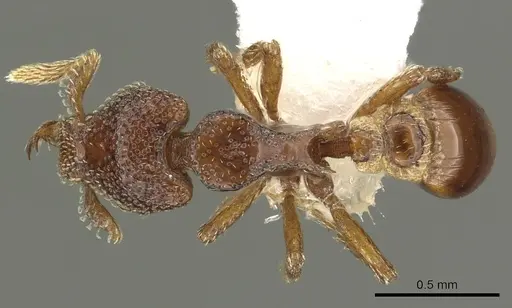
Literature
Loading distribution map...Loading products...