
Beautiful Mustache Ant
Strumigenys pulchella
- Sci. Name
- Strumigenys pulchella
- Tribe
- Attini
- Subfamily
- Myrmicinae
- Author
- Emery, 1895
- Common Name
- Beautiful Mustache Ant
- Distribution
- Found in 1 countries
Introduction
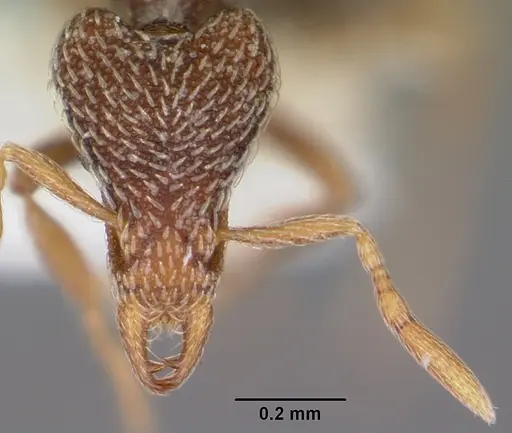
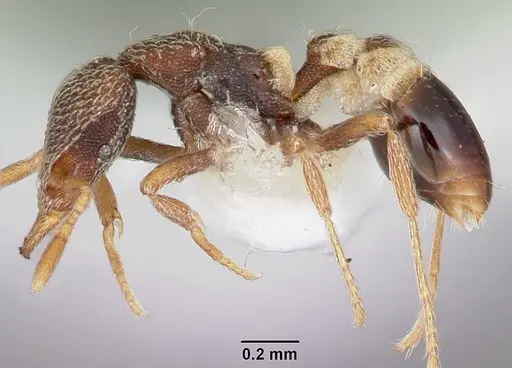
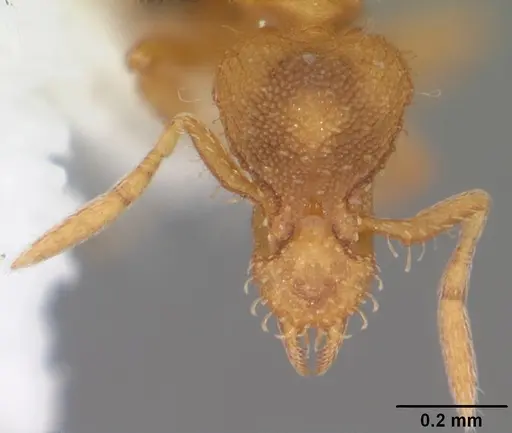
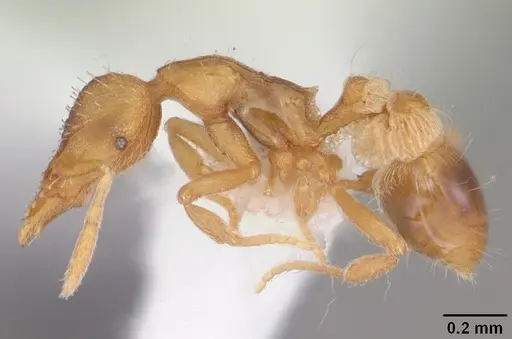
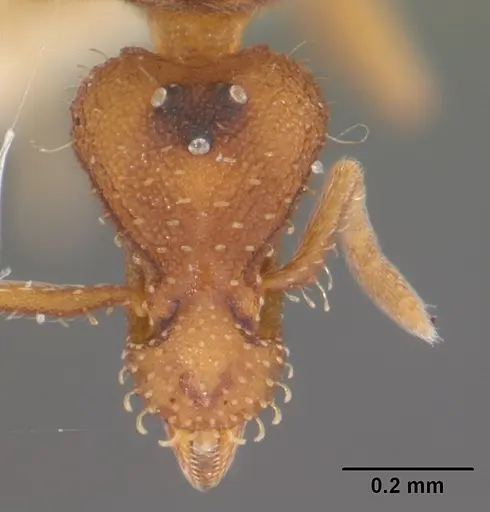
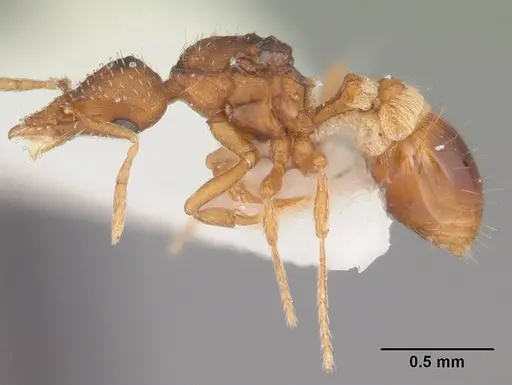
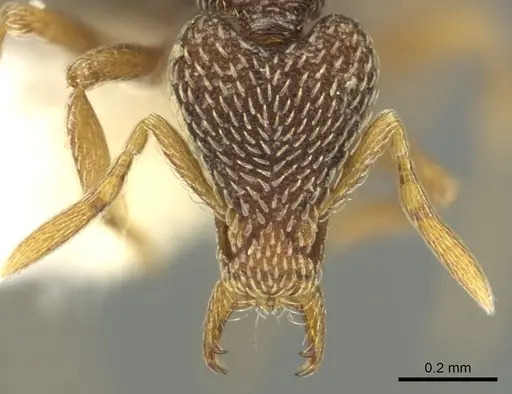
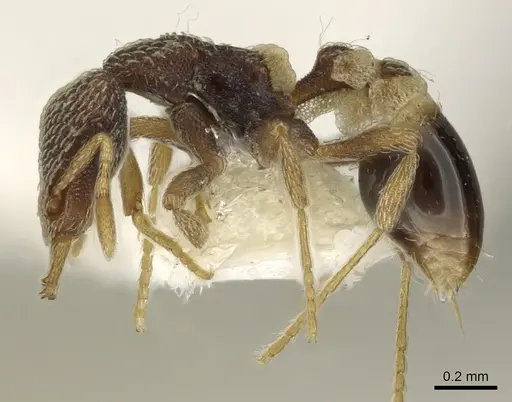
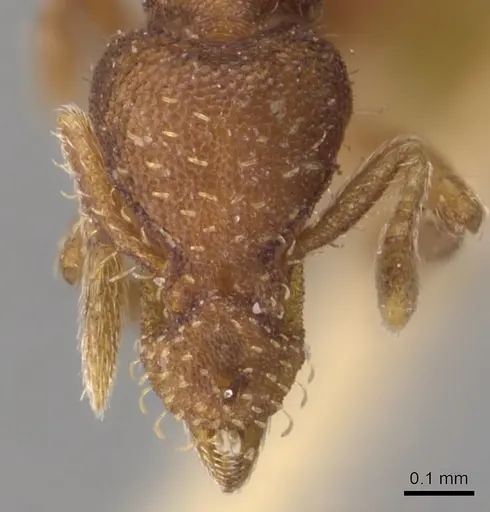
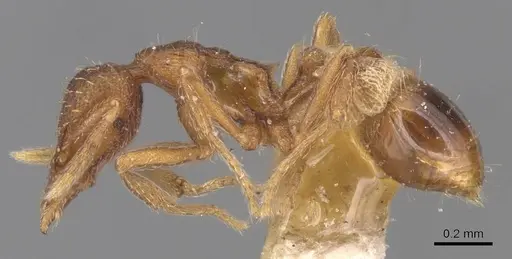
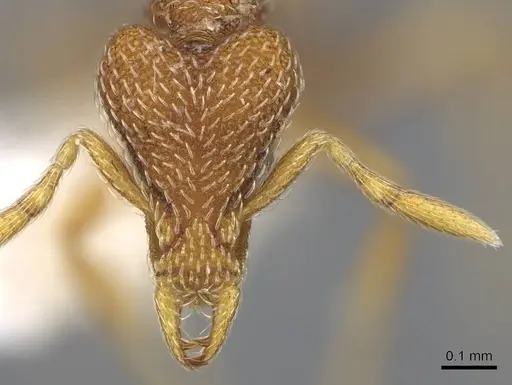
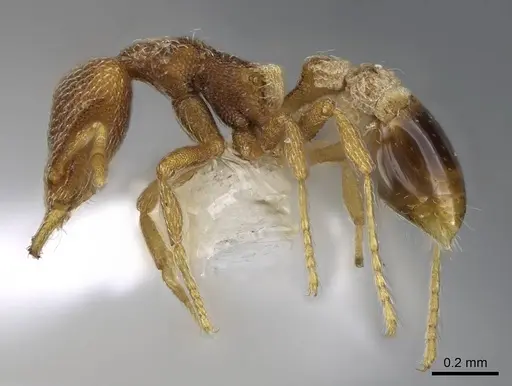
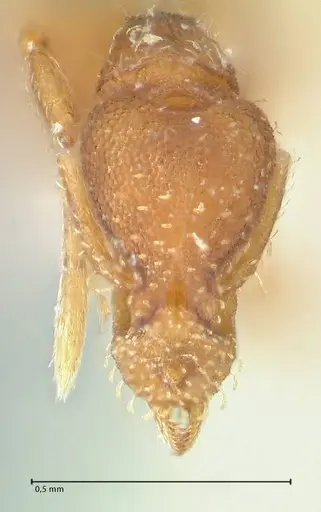
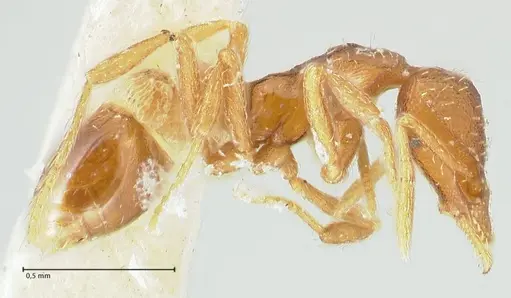
Strumigenys pulchella is a tiny predatory ant native to eastern and midwestern North America, ranging from Canada down to Florida and west to Texas . Workers are 1.9-2.1 mm . They have distinctive spoon-shaped hairs on the clypeus (the area above the mandibles) and a flagellate hair near the antennae . These ants are ambush predators – they crouch motionless at crevices and wait for springtails to wander within striking range before snapping their mandibles shut . In the wild, they nest in well-decayed hardwood stumps and rotting branches, preferring moist, warm, shaded spots . They are also found in urban forests, but only in forested patches, not in open habitats .
Quick Summary
- Difficulty: Hard
- Origin & Habitat: Eastern to midwestern North America, from Canada south to Florida and west to Iowa, Kansas, and Texas. Found in deciduous forests, nesting in hardwood stumps and rotting fallen branches in moist, shaded locations [1][4].
- Colony Type: Single-queen colonies (monogyne) – unconfirmed but typical of most Strumigenys. Colony size appears small based on limited field observations.
- Size & Growth:
- Queen: size data unavailable – AntWiki shows queen images but no measurements
- Worker: 1.9-2.1 mm [2]
- Colony: Up to 100 workers – inferred from typical Strumigenys colony sizes
- Growth: Slow
- Development: Estimated 8-12 weeks based on related Strumigenys species and typical Myrmicinae development at warm temperatures (Development is likely slow given their ambush predatory lifestyle and small colony size)
- Antkeeping:
- Temperature: 20-24 °C – they prefer warmth but not direct heat. Provide a gradient so workers can choose. Avoid temperatures above 28 °C [2]
- Humidity: High, but not waterlogged. Keep the nest substrate consistently moist – think damp rotting wood, not swamp. The nest should feel cool and damp to the touch [2]
- Diapause: Yes – a temperate species requiring winter hibernation. Reduce temperature to 10-15 °C for 3-4 months (November to February) [2]
- Nesting: Use a naturalistic setup with pieces of rotting hardwood or a Y-tong (AAC) nest with tight chambers. Avoid tall, open spaces – these ants feel safest in small, enclosed crevices. A test tube works for founding and small colonies. Never use acrylic nests – they don't hold humidity well and these ants need constant moisture [2]
- Behavior: Extremely docile and non-aggressive. Workers are slow-moving and spend most of their time motionless, waiting to ambush prey. They possess a functional stinger but it is not medically significant to humans. Escape prevention is critical – at 2 mm, they can squeeze through tiny gaps. Use fine mesh on all openings and apply fluon or petroleum jelly to barrier edges. They are strictly predatory, hunting springtails and other micro-arthropods [2].
- Common Issues: tiny size makes escapes likely without fine mesh barriers (use 0.5 mm mesh or silicone)., predatory diet requires live springtail cultures – they rarely accept dead prey and never eat sugar or honey., high humidity without ventilation leads to mold and colony death – ensure airflow while maintaining moisture., slow colony growth and small final size may discourage keepers expecting fast development., wild-caught colonies often stressed – source from captive breeders if possible.
Housing and Nest Setup
Strumigenys pulchella needs appropriately scaled housing. A naturalistic setup with pieces of rotting hardwood works best since this mimics their natural habitat – they nest in rotten wood at the red or chocolate crumbling stage [2]. You can also use a Y-tong (AAC) nest or a well-humidified plaster nest with tight chambers. The key is maintaining consistently high humidity without waterlogging. Place a water reservoir connected to the nest area to provide moisture. Because they are so small, even standard test tube setups can work if you use a small-diameter tube and keep it humidified. Avoid tall, open spaces – these ants feel safest in tight, enclosed crevices. Never use acrylic nests – they don't hold humidity well and these ants need constant moisture [2].
Feeding and Diet
These ants are strict predators and will not accept sugar water, honey, or seeds. Their primary prey in the wild is springtails, and you should culture live springtails as a primary food source. They are ambush predators – workers find a good vantage point, crouch motionless, and wait for prey to wander close. When a springtail touches the front of their head, they snap their mandibles shut [2]. After starvation, they may accept small pieces of dead flies, but live prey is always preferred [2]. Feed springtails or other micro-arthropods (like booklice) 2-3 times per week. Remove uneaten prey after 24-48 hours to prevent mold. Workers have been observed carrying dead springtails in their mandibles in the wild [2].
Temperature and Seasonal Care
Keep your colony at 20-24 °C, with a slight gradient so workers can choose their preferred temperature. They naturally live in warm but shaded forest floor environments, so avoid direct heat sources and bright lighting [2]. During winter, they require a hibernation period of 3-4 months at 10-15 °C. This mimics their natural cycle in eastern North America [2]. Reduce feeding during hibernation and keep the nest slightly drier but not completely dry. In mid-August, you may see winged reproductives in established colonies – this is their nuptial flight period in the wild [2].
Behavior and Handling
Strumigenys pulchella is one of the most docile ant species you can keep. Workers are slow-moving and non-aggressive. They possess a functional stinger, but it is not medically significant and you will likely never see it used defensively – they rely on their mandibles for prey capture, not stinging [2]. Their hunting strategy is purely ambush-based: they find a crevice or corner, crouch motionless, and wait. They may wait hours at a time for a springtail to wander by [2]. This means they are fascinating to watch but not particularly active. Colonies are small and quiet. The main behavioral concern is escape – at 2 mm, they can slip through the tiniest gaps. Use fine mesh on all openings and apply fluon or petroleum jelly to barrier edges. Despite their small size, they are not skittish and can be observed closely without fleeing.
Frequently Asked Questions
Can I keep Strumigenys pulchella in a test tube?
Yes, test tubes work well for small colonies. Use a small-diameter tube and keep the water reservoir filled to maintain humidity. These ants need moist conditions, so check that the cotton doesn't dry out. A test tube works best for founding colonies and small groups up to 20-30 workers [2].
What do Strumigenys pulchella eat?
They eat live springtails and other tiny arthropods. This is not optional – they are obligate predators that need live prey. Culture your own springtails or purchase them regularly. After prolonged starvation, they may accept dead fruit flies, but live prey is always better. They do NOT eat sugar, honey, seeds, or any other non-prey foods [2].
How long does it take for Strumigenys pulchella to grow from egg to worker?
The exact timing is unconfirmed. Based on related Strumigenys species and typical Myrmicinae development, estimate 8-12 weeks at 22-24 °C. They grow slowly – this is an ambush predator that doesn't actively hunt, and colonies remain small. Be patient [2].
Are Strumigenys pulchella good for beginners?
No, they are hard – better for experienced keepers. The main challenges are their predatory diet (requiring live springtail cultures), their need for high humidity, and their tiny size (escape prevention is critical). If you are willing to culture springtails and maintain proper humidity, they can be rewarding. But beginners should start with easier species like Lasius niger or Camponotus [2].
How big do Strumigenys pulchella colonies get?
Small – likely under 100 workers in mature colonies. They are not a prolific species. Expect slow growth over many months to reach even modest numbers [2].
Do Strumigenys pulchella need hibernation?
Yes, they require a winter dormancy period. Reduce temperature to 10-15 °C for 3-4 months during winter. This mimics their natural cycle in eastern North America. Keep them slightly drier during hibernation but don't let the nest dry out completely [2].
Why is my Strumigenys pulchella colony dying?
Common causes include: wrong humidity (too dry or too wet/moldy), lack of live prey, temperature stress (too cold or hot), or escapes due to inadequate barriers. Check that springtails are being offered and consumed. Verify humidity is high but ventilation prevents mold. Ensure temperatures stay in the 20-24 °C range [2].
When should I move my Strumigenys pulchella to a formicarium?
Wait until you have at least 30-50 workers and the colony is actively hunting. A test tube works fine for small colonies. Move to a naturalistic setup or Y-tong nest when the test tube becomes crowded or humidity management becomes difficult. They prefer tight spaces regardless of housing type [2].
Can I keep multiple Strumigenys pulchella queens together?
No – this is a monogyne species with single-queen colonies. Multiple queens will fight. Only keep one queen per colony. If you collect a colony from the wild, it will typically have just one queen [2].
Report an Issue
The current care sheet is based fully on literature. See inconsistencies, or something that's incorrect? Please , it will be resolved after review from an admin. Contributing to the blogs tab also helps providing information, to make us be able to further improve the caresheets. Thank you for your support!
References

This caresheet is licensed under CC BY-SA 4.0 .
Community Blogs
CASENT0102625
View on AntWeb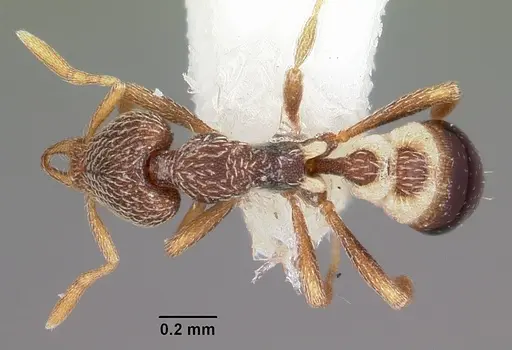
CASENT0104483
View on AntWeb
CASENT0104484
View on AntWeb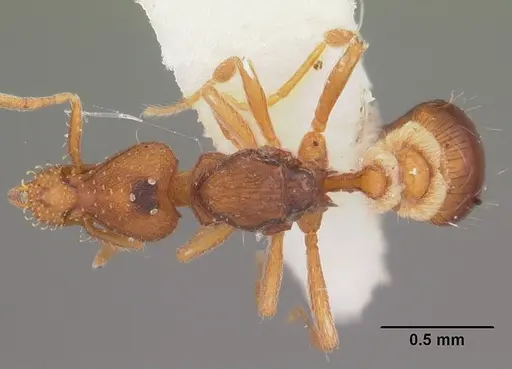
CASENT0900856
View on AntWeb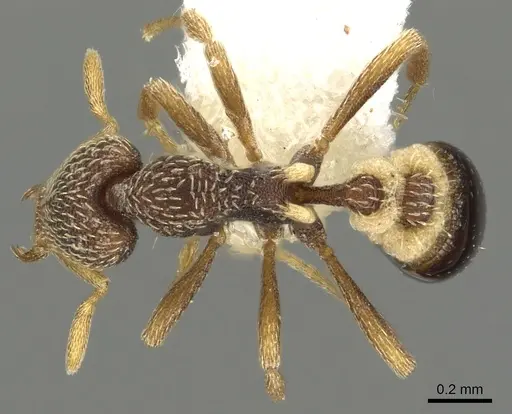
CASENT0904957
View on AntWeb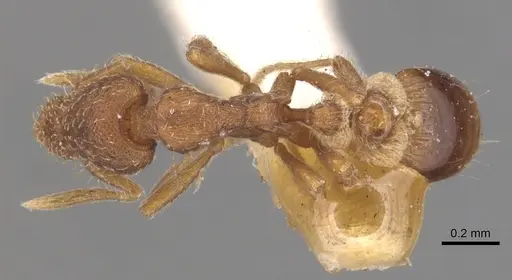
CASENT0914860
View on AntWeb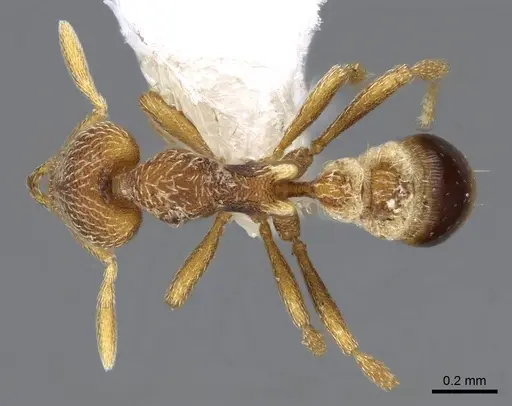
FOCOL2170
View on AntWeb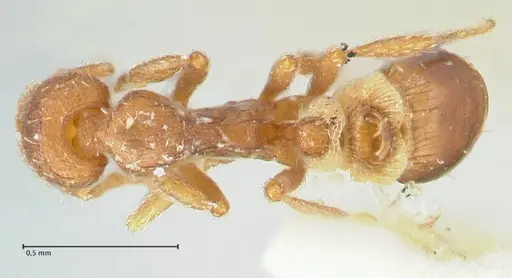
Literature
Loading distribution map...Loading products...