
Strumigenys prospiciens
- Sci. Name
- Strumigenys prospiciens
- Tribe
- Attini
- Subfamily
- Myrmicinae
- Author
- Emery, 1906
- Distribution
- Found in 2 countries
Introduction
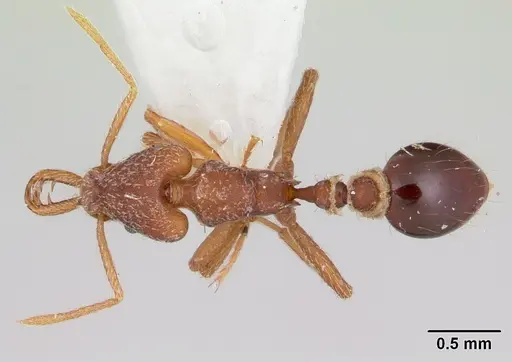
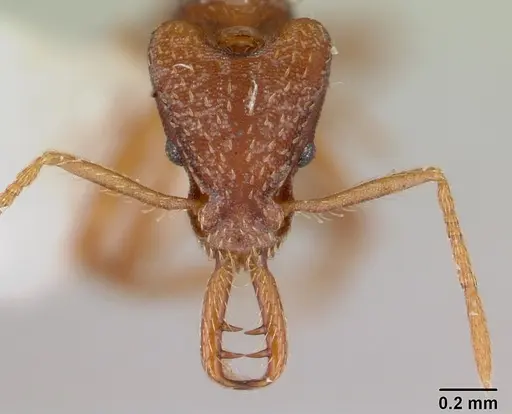
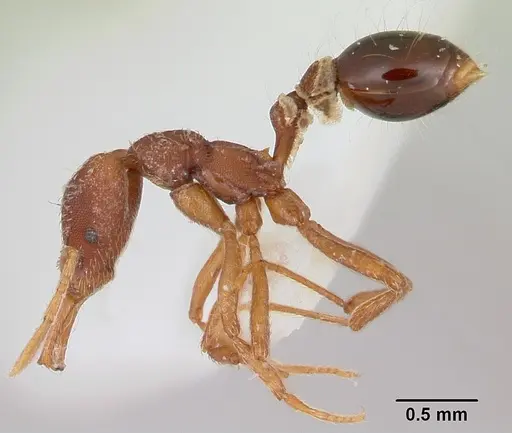
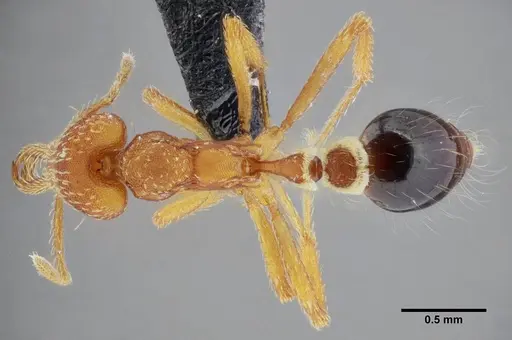
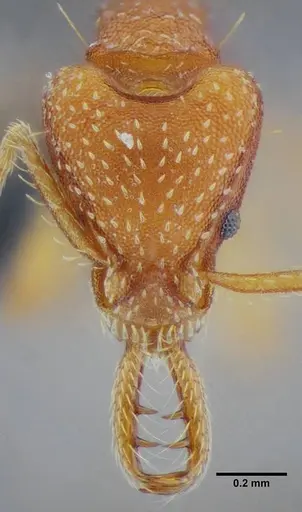
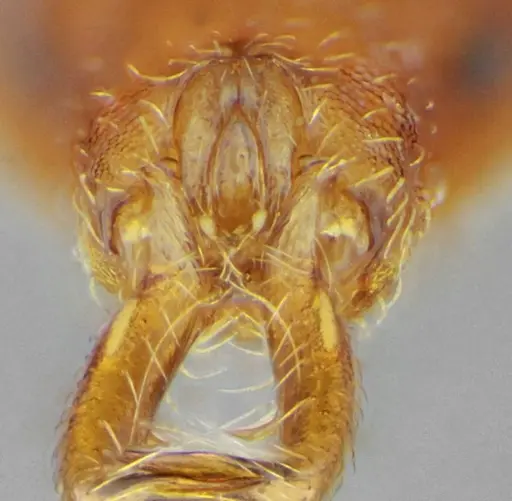
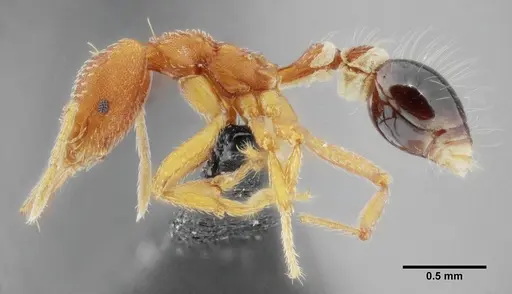
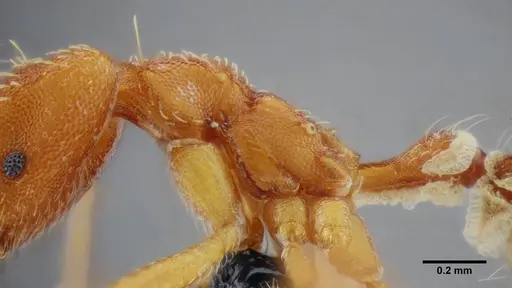
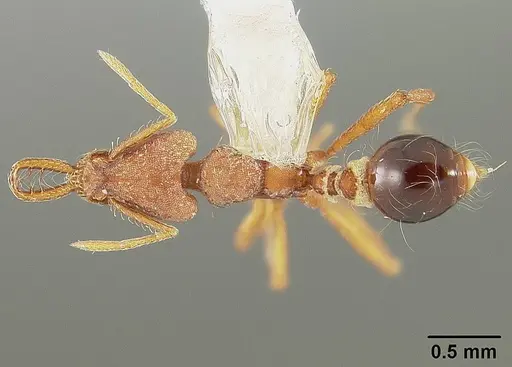
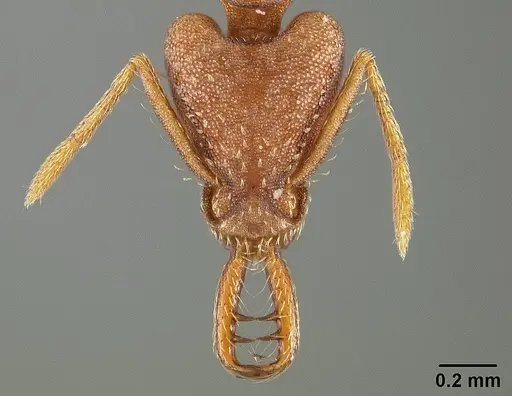
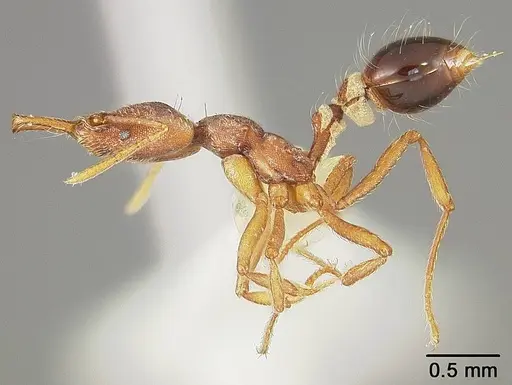
Strumigenys prospiciens is a tiny predatory ant measuring 3.1-3.3 mm in total length . Workers have elongated, trap-like mandibles characteristic of the Dacetini tribe, used to capture tiny prey. The head bears a single pair of erect hairs posteromedially on the dorsal surface, and the gaster is covered in numerous long, fine, subflagellate to flagellate hairs . This species belongs to the mandibularis group within Strumigenys and is found across the Neotropical region, including Argentina, Bolivia, Brazil, Colombia, French Guiana, Paraguay, Peru, and Venezuela . They inhabit forest floor litter in rain forests, tropical dry forests, and cloud forests up to 1400 m elevation . They are classified as cryptic foragers, meaning they hunt primarily within the leaf litter and soil layer rather than above ground .
Quick Summary
- Difficulty: Hard
- Origin & Habitat: Neotropical region: Argentina, Bolivia, Brazil, Colombia, French Guiana, Paraguay, Peru, and Venezuela. Found in forest floor litter in rain forests, tropical dry forests, and cloud forests up to 1400 m elevation [3][4].
- Colony Type: Colony structure is unconfirmed. Based on related Strumigenys species, likely single-queen colonies, but this has not been verified for this species.
- Size & Growth:
- Queen: Unknown, no data available for this species.
- Worker: 3.1-3.3 mm [1]
- Colony: Likely up to a few hundred workers based on typical Strumigenys patterns, but unconfirmed.
- Growth: Slow
- Development: Estimated 8-12 weeks based on related Strumigenys species, but unconfirmed for S. prospiciens. (Development is likely slow due to specialized predation on tiny arthropods. Temperature-dependent, warmer conditions may accelerate development.)
- Antkeeping:
- Temperature: Maintain at 22-26°C. These are forest-floor ants from humid tropical and subtropical regions, so they prefer warm, stable conditions without major fluctuations [3].
- Humidity: High humidity is essential. Keep the nest substrate consistently damp but not waterlogged, and provide a humid enclosure to prevent drying out. A moisture gradient with a damp area and a drier area is recommended.
- Diapause: May benefit from a mild winter rest period given their subtropical distribution. If colony activity drops in winter, lower temperatures slightly to 18-20°C for 2-3 months. Do not let temperatures fall below 15°C.
- Nesting: Naturalistic setups work best: a shallow layer of moist soil or leaf litter. Plaster or Y-tong nests with high humidity are suitable. Test tubes can be used inside a humid enclosure. Avoid tall, open spaces, these ants prefer tight, enclosed areas.
- Behavior: These are extremely small, cryptic ants that move slowly and methodically through leaf litter. They are specialized predators of tiny arthropods, primarily springtails. Workers have elongated trap-jaw mandibles but are not aggressive, they avoid confrontation and rely on stealth. They possess a functional stinger but it is not considered medically significant to humans. Escape prevention is critical due to their tiny size, they can squeeze through remarkably small gaps. They are not defensive and pose no threat to keepers.
- Common Issues: escape prevention is critical due to their tiny 3 mm size, they can squeeze through the smallest gaps., specialized diet makes feeding challenging, they need live micro-prey like springtails., slow growth can frustrate beginners who may overfeed or disturb the colony., high humidity requirements can lead to mold problems if ventilation is poor., captive colonies may fail if conditions are not stable or if diet is inadequate.
Housing and Nest Setup
To keep Strumigenys prospiciens, you need a setup that recreates the humid forest floor environment. A naturalistic terrarium-style enclosure with a shallow layer of moist soil, leaf litter, and moss works well, this allows the ants to forage naturally through the substrate. Alternatively, a plaster or Y-tong nest with tight, moisture-retaining chambers can be used, but you must keep the nest material consistently damp. Because they are tiny, even small gaps in commercial formicaria are escape routes. Keep them in a humid enclosure (like a plastic storage box with small air holes) to maintain moisture levels. A water tube or small water reservoir connected to the nest helps maintain humidity without flooding. Avoid tall, open spaces, these ants feel safest in tight, enclosed spaces [3].
Feeding and Diet
Feeding is the most challenging part of keeping Strumigenys prospiciens. They are specialized predators of tiny arthropods, primarily springtails (Collembola), but they may also take other micro-prey like mites, booklice, and fruit fly larvae. Unlike many ants, they do not typically scavenge on sugar sources or accept honey water. Your primary food should be live springtails cultured separately. You can establish a springtail culture in a container with moist charcoal or activated carbon, then harvest them to feed your ants. Other small live prey like booklice (psocids) and tiny isopods may be accepted experimentally. Feed small amounts every few days, removing any uneaten prey after 24 hours to prevent mold. Do not feed large prey items, their tiny size limits what they can tackle.
Temperature and Seasonal Care
Maintain temperatures between 22-26°C for optimal health and development. These ants come from subtropical forests, so they prefer warm, stable conditions. A heating cable on one side of the nest can create a gentle gradient, but avoid direct heat that could dry out the substrate. During winter (December-February in the Northern Hemisphere), you may notice reduced activity. If so, lower temperatures slightly to around 18-20°C and reduce feeding frequency for 2-3 months. Do not let temperatures drop below 15°C. High humidity is critical year-round, keep the nest substrate damp and the enclosure humid [3].
Behavior and Colony Dynamics
Strumigenys prospiciens is a cryptic, slow-moving ant that forages primarily within leaf litter. Workers use their elongated mandibles to capture tiny prey, they do not chase or overwhelm like larger predatory ants. Instead, they stalk slowly and strike when prey is within range. Colonies are likely small, probably reaching only a few hundred workers at most, based on typical Strumigenys patterns. Workers are not defensive, they flee rather than engage threats. They have a functional stinger but it is not considered medically significant. They communicate through chemical signals and likely use tandem running to recruit nestmates to food sources. The colony establishes a network of tunnels and chambers within the substrate. Observe them during their peak activity periods (typically evening and night) to see natural foraging behavior.
Handling and Observation
Due to their tiny size and cryptic nature, direct handling is not recommended. If you need to move the colony, connect the old enclosure to the new one and let the ants walk over voluntarily. If an emergency transfer is needed, use a soft brush to gently coax them. When observing, avoid excessive vibration or light, a red filter over your flashlight will let you watch natural behavior without disturbing them. These ants are fascinating to watch but are not interactive pets, they are best enjoyed as a naturalistic observation project.
Frequently Asked Questions
Can I keep Strumigenys prospiciens in a test tube?
Test tubes can work but are not ideal. These ants need high humidity and a naturalistic foraging area. If using a test tube, keep it inside a humid enclosure (like a plastic box) and provide a separate foraging area with moist substrate. The test tube water reservoir should be small to prevent flooding, and the cotton should be damp but not saturated.
What do Strumigenys prospiciens eat?
They are specialized predators that need live micro-prey. Their primary food should be live springtails (Collembola), culture these separately and add them to the foraging area. They may also accept other tiny arthropods like booklice, mites, and fruit fly larvae, but springtails should form the bulk of their diet. They do not typically accept sugar sources or dead protein.
How long does it take for Strumigenys prospiciens to raise first workers?
Based on related Strumigenys species, expect 8-12 weeks from egg to first worker at optimal temperature (around 24°C). This is an estimate, development may vary. The queen will remain in her founding chamber while raising the first brood on her stored reserves.
Are Strumigenys prospiciens dangerous?
No, they pose no danger to keepers. They are tiny (only 3 mm), non-aggressive, and while they have a functional stinger, it is not considered medically significant to humans. They will flee rather than confront anything larger than themselves.
Do Strumigenys prospiciens need hibernation?
Based on their subtropical distribution (Argentina, Brazil), they may benefit from a mild winter rest period. During winter, lower temperatures to around 18-20°C and reduce feeding frequency for 2-3 months if colony activity drops. This simulates their natural seasonal cycle and may help promote colony health. Do not let temperatures fall below 15°C.
Why are my Strumigenys prospiciens dying?
Common causes include: escape (they can squeeze through tiny gaps), improper diet (they need live springtails, not dead food or sugar), low humidity (below 70% can be fatal), mold from overwatering or poor ventilation, and stress from excessive disturbance. Check each of these factors and adjust accordingly.
How big do Strumigenys prospiciens colonies get?
Based on typical Strumigenys patterns, colonies likely reach up to a few hundred workers at maturity. They are not large colony producers. Growth is slow, expect several years to reach maximum size.
When should I move Strumigenys prospiciens to a formicarium?
Wait until the colony has a moderate number of workers (at least 15-20) before considering a move. They do best in naturalistic setups rather than commercial formicaria. If your colony is in a test tube, you can create a simple setup with a moist soil layer in a small container connected to the tube.
Are Strumigenys prospiciens good for beginners?
No, they are not recommended for beginners. Their specialized diet (live springtails), high humidity requirements, tiny size making escape likely, and slow growth make them challenging. They are better suited for intermediate to advanced antkeepers.
Can I keep multiple Strumigenys prospiciens queens together?
This has not been documented for this species. Based on related Strumigenys patterns, they likely form single-queen colonies. Combining unrelated queens is not recommended as it typically results in fighting. If you acquire a colony, assume it is single-queen.
Report an Issue
The current care sheet is based fully on literature. See inconsistencies, or something that's incorrect? Please , it will be resolved after review from an admin. Contributing to the blogs tab also helps providing information, to make us be able to further improve the caresheets. Thank you for your support!
References

This caresheet is licensed under CC BY-SA 4.0 .
Community Blogs
Literature
Loading distribution map...Loading products...