
Strumigenys probatrix
- Sci. Name
- Strumigenys probatrix
- Tribe
- Attini
- Subfamily
- Myrmicinae
- Author
- Brown, 1964
- Distribution
- Found in 5 countries
Introduction
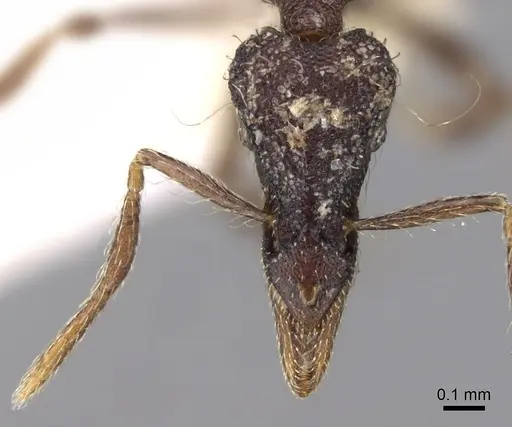
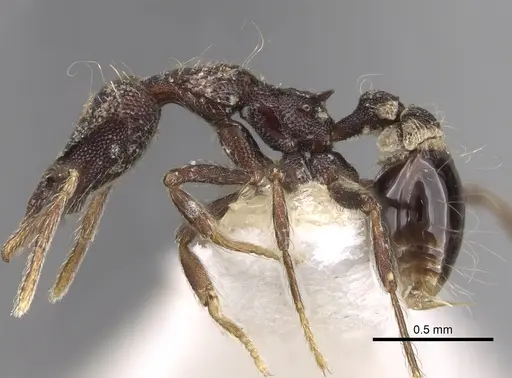
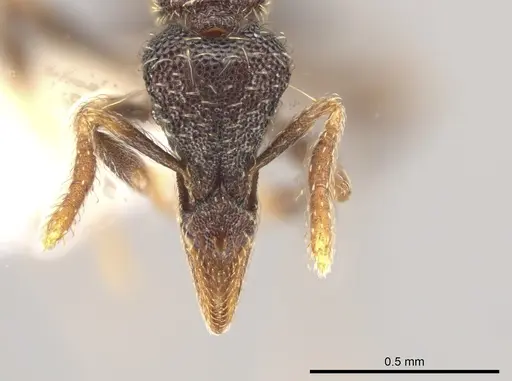
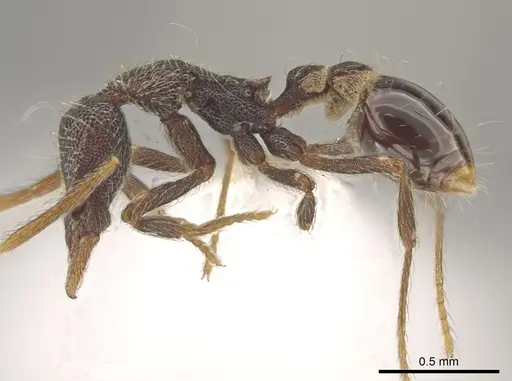
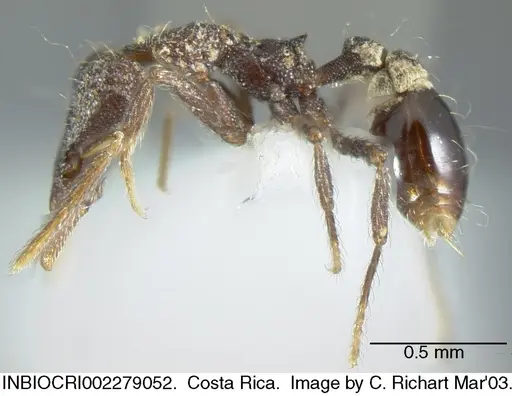
Strumigenys probatrix is a tiny predatory ant native to Central America, found in Costa Rica, Guatemala, Honduras, Mexico (Chiapas), and Panama . These ants are just 2.7–3.0 mm long, with an unusually elongated head and short, triangular mandibles . They are dark brown to black. They live in wet forests, including cloud forests at elevations around 1070 m, and are typically found in leaf litter on the forest floor . Unlike many ants, they are specialized predators of tiny soil invertebrates, using a sting to subdue prey.
Quick Summary
- Difficulty: Expert
- Origin & Habitat: Neotropical wet forests in Costa Rica, Guatemala, Honduras, Mexico (Chiapas), and Panama. Found in cloud forest habitats and forest floor leaf litter at elevations around 1070 m [1][2][3].
- Colony Type: Colony structure is unconfirmed. Based on related Strumigenys species, colonies are likely single‑queen with small worker populations.
- Size & Growth:
- Queen: No measurements available. A dealate queen has been collected but not measured [3].
- Worker: 2.7–3.0 mm total length [3]
- Colony: Likely small – typical Strumigenys colonies have up to a few hundred workers
- Growth: Slow
- Development: Estimated 8–12 weeks based on related species (Development is likely slow due to their specialized predatory lifestyle.)
- Antkeeping:
- Temperature: Keep at 20–24 °C – these are forest floor ants from tropical cloud forests with stable, mild temperatures
- Humidity: High humidity required – the substrate should be consistently moist but not waterlogged, mimicking damp leaf litter
- Diapause: Unconfirmed – as a tropical species, they likely do not require true hibernation, but may show reduced activity during cooler periods
- Nesting: Use fine substrate like soil mixed with rotting leaf litter, or a small Y‑tong/plaster nest with chambers scaled to their tiny size. Test tubes can work for founding but may be too spacious. Ensure humidity control and tight spaces
- Behavior: These ants are shy and secretive, spending most of their time hidden in the substrate. Workers are delicate and forage individually. They are docile and not aggressive. Their tiny size (under 3 mm) means escape prevention is critical – they can squeeze through very small gaps. They do not form visible trails. Their hunting involves a functional sting.
- Common Issues: tiny size makes them escape-prone – use fine mesh on vents and seal all gaps, specialized diet – they need live micro‑prey like springtails, standard ant foods will not be accepted, high humidity can cause mold growth if ventilation is poor, slow colony growth can lead to keeper impatience, avoid overfeeding or disturbing the nest, wild‑caught colonies may contain parasites
Housing and Nest Setup
To keep Strumigenys probatrix, create a setup that mimics their natural leaf‑litter home. Use a small container with fine substrate – a mix of soil and rotting leaf material works well. This provides structure and holds humidity. Alternatively, a small Y‑tong or plaster nest with tight chambers (scaled to ants under 3 mm) gives you better control over moisture. Test tubes can work for a founding queen, but they may feel too open. Whatever you choose, make sure there are no gaps – these ants can squeeze through tiny openings. Use fine mesh over any ventilation holes and seal all joints. Keep the nest dark and disturb it as little as possible. These are shy ants that prefer to stay hidden.
Feeding and Diet
Feeding Strumigenys probatrix is the hardest part. They are specialized predators of tiny soil invertebrates. Their natural prey includes springtails (Collembola), mites, and other micro‑arthropods. In captivity, the main food should be live springtails – you can culture them separately and add them to the enclosure. Other tiny live prey like fruit fly larvae, booklice, or minute soil mites may be accepted, but springtails are the safest bet. Do not offer sugar water, honey, or typical ant protein foods – they will not eat them. Feed live prey every few days and remove any leftovers after 24 hours to prevent mold. A reliable springtail culture is essential before getting these ants.
Temperature and Humidity
Strumigenys probatrix comes from wet tropical cloud forests, so they need warm, damp conditions. Keep the temperature around 20–24 °C – stable and consistent. Room temperature in this range works, but avoid placing the setup near air conditioning vents or heaters. Humidity should be high, the substrate should feel damp to the touch but never waterlogged. A thin layer of water in the outworld can help, but make sure there is some airflow to prevent mold. Mist the setup occasionally, but judge by the substrate's look, not a fixed schedule.
Behavior and Temperament
These are shy, secretive ants that stay hidden most of the time. Workers are small and delicate, foraging alone through the leaf litter. They are not aggressive and cannot penetrate human skin with their tiny mandibles or sting. Their main defense is to freeze or retreat. They hunt using a functional sting, not trap‑jaw mandibles – unlike the much bigger trap‑jaw ants (Odontomachus). Strumigenys probatrix have short, triangular mandibles that meet when closed. Observation is tricky because they remain hidden. Choose this species if you enjoy subtle, hidden behaviors rather than busy, visible ant trails.
Colony Acquisition and Founding
Getting Strumigenys probatrix is hard – they are rare in the ant‑keeping hobby. Wild collection is possible in their native range (Costa Rica, Panama, etc.) but requires permits and skill to find their tiny colonies in leaf litter. If you get a colony from another keeper, handle them gently. If starting from a queen, use a small test tube setup with a water reservoir and keep it dark and undisturbed. The queen will likely raise the first workers alone. Growth is slow – first workers may appear after 8–12 weeks, and double‑digit worker counts take many months. Patience is key.
Frequently Asked Questions
How long does it take for Strumigenys probatrix to produce first workers?
Estimated 8–12 weeks from egg to first worker at optimal temperatures, based on related species. For this species, no direct data exists, so expect slow growth.
What do Strumigenys probatrix ants eat?
They need live tiny prey. Their main food is springtails (Collembola). They will not accept sugar water, honey, or standard ant protein foods. Other acceptable prey may include tiny mites and fruit fly larvae. A springtail culture is essential before acquiring them.
Can I keep Strumigenys probatrix in a test tube?
Test tubes can work for a founding queen, but they may be too large – these ants feel more secure in tight spaces. A naturalistic setup with fine substrate or a small Y‑tong/plaster nest is better. Escape prevention is critical.
Are Strumigenys probatrix good for beginners?
No. They are rated Expert due to their specialized diet, tiny size, high humidity needs, and slow growth. Start with easier species like Lasius or Camponotus.
What temperature do Strumigenys probatrix need?
Keep them at 20–24 °C, stable and not fluctuating. Room temperature in this range is fine, but avoid vents and heaters.
How big do Strumigenys probatrix colonies get?
Based on related species, colonies likely stay small – probably under 200 workers at maturity. Growth is very slow.
Do Strumigenys probatrix need hibernation?
Not confirmed. As a tropical species, they likely do not require true hibernation, but may slow down in cooler periods. At stable 20–24 °C, no special winter care is needed.
Why are my Strumigenys probatrix dying?
Common causes include: escape (they find tiny gaps), starvation (they need live springtails, not standard food), mold from too much humidity with poor ventilation, and stress from frequent disturbance. Wild colonies may also have parasites.
Where is Strumigenys probatrix found?
In the Neotropical region: Costa Rica, Guatemala, Honduras, Mexico (Chiapas), and Panama. They live in wet forest leaf litter, often in cloud forests [1][2][3].
Can I keep multiple Strumigenys probatrix queens together?
Not recommended – this species likely forms single‑queen colonies. House foundresses separately to avoid fighting.
What makes Strumigenys probatrix different from other ants?
They are among the smallest ants (2.7–3.0 mm), with an unusually elongated head and short mandibles. They are specialized predators of springtails and live in wet cloud forest leaf litter. Their shy, secretive behavior makes them challenging but interesting for patient keepers [3].
Report an Issue
The current care sheet is based fully on literature. See inconsistencies, or something that's incorrect? Please , it will be resolved after review from an admin. Contributing to the blogs tab also helps providing information, to make us be able to further improve the caresheets. Thank you for your support!
References

This caresheet is licensed under CC BY-SA 4.0 .
Community Blogs
CASENT0281993
View on AntWeb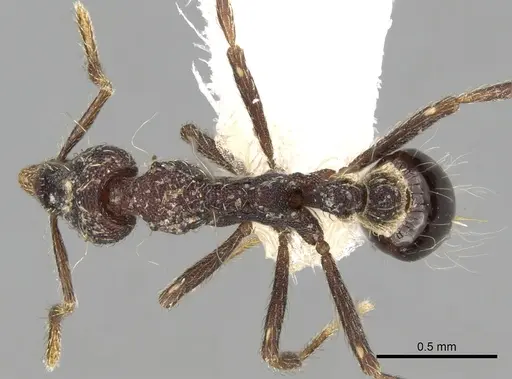
CASENT0640422
View on AntWeb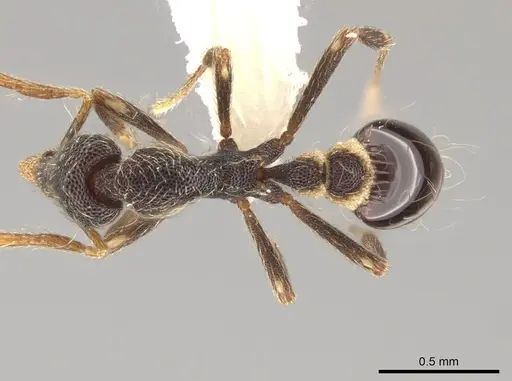
INBIOCRI002279052
View on AntWeb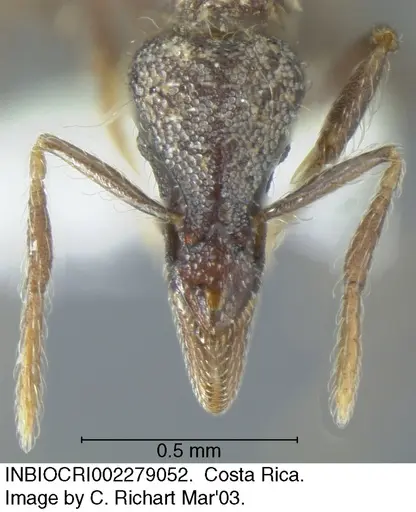
MZSPHYM0140223
View on AntWeb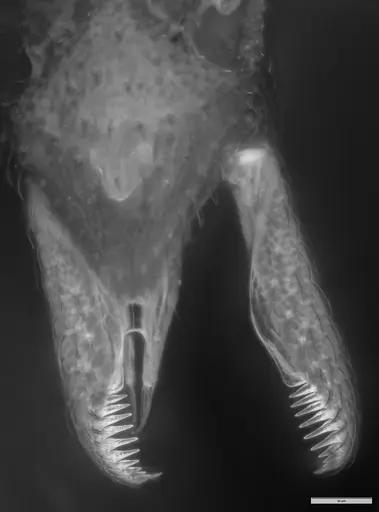
Literature
Loading distribution map...Loading products...