
Strumigenys perplexa
- Sci. Name
- Strumigenys perplexa
- Tribe
- Attini
- Subfamily
- Myrmicinae
- Author
- Smith, 1876
- Distribution
- Found in 2 countries
Introduction
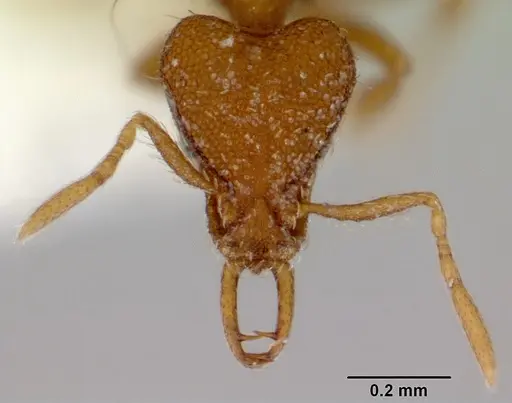
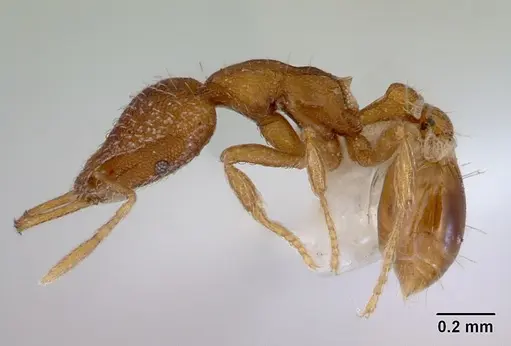
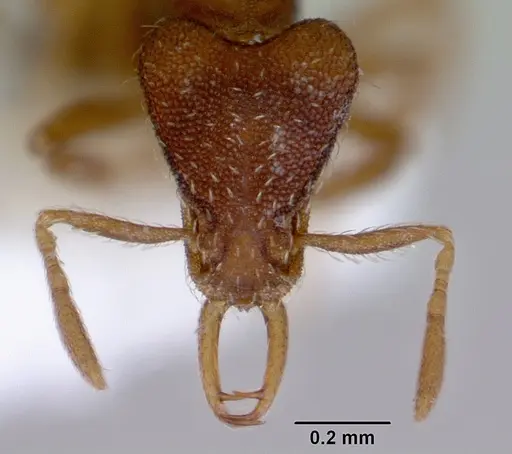
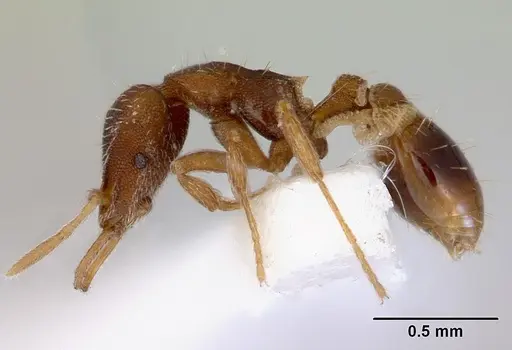
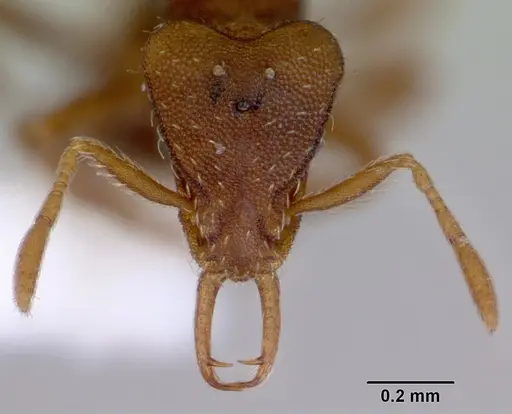
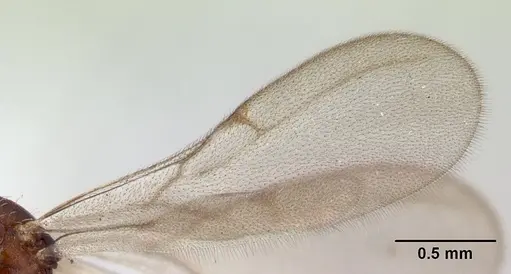
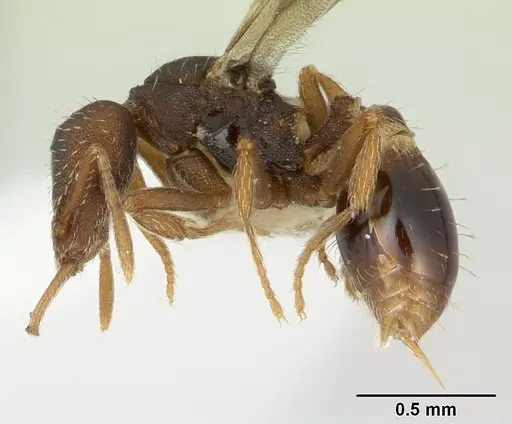
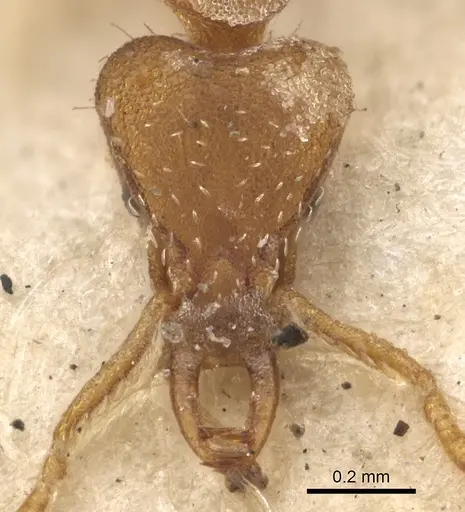
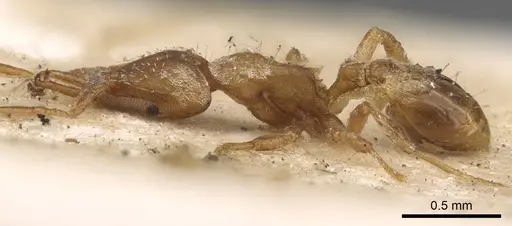
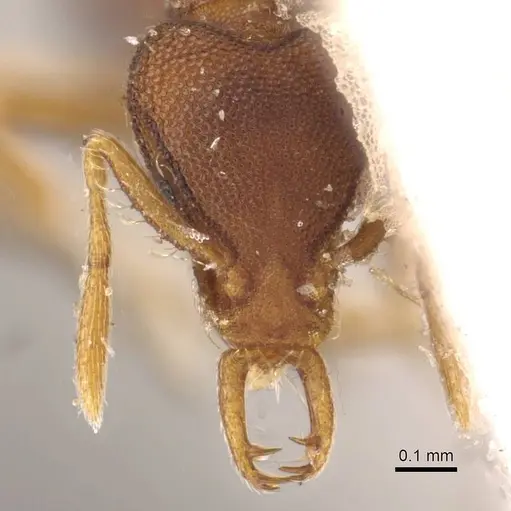
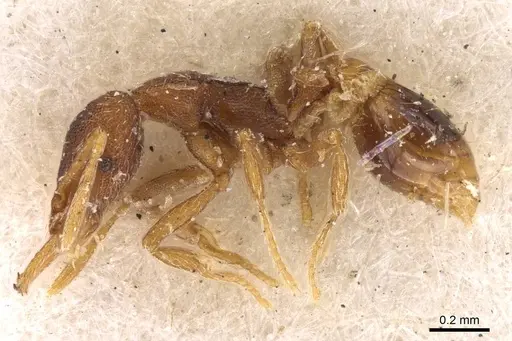
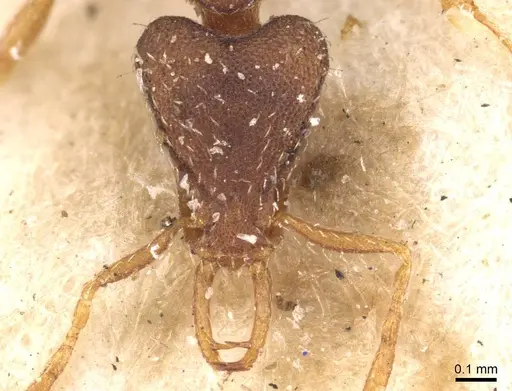
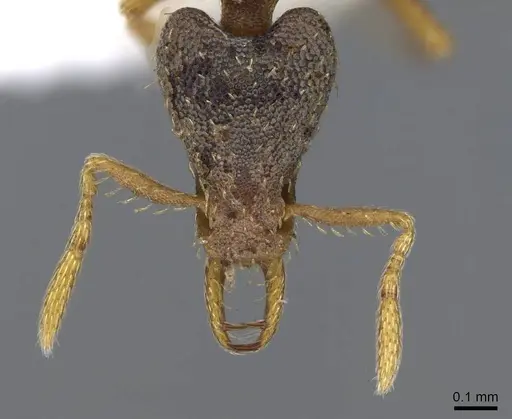
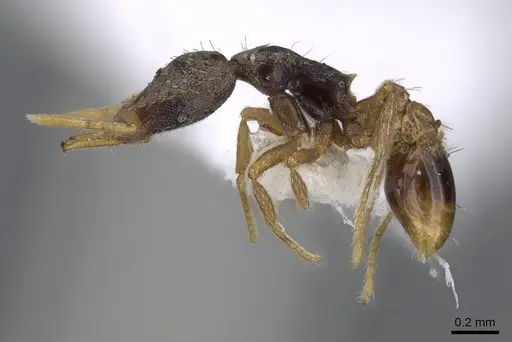
Strumigenys perplexa is a tiny predatory ant native to Australia, now found across Australasia including New Zealand, Lord Howe Island, and Norfolk Island . Workers measure just 2.0-2.6mm, making them one of the smaller ant species you'll encounter . You can recognize them by their long, subtly curved mandibles and distinctive stiff hairs on the middle back . Queens are larger at around 3mm . These ants are cryptic predators - they spend most of their time hunting in leaf litter and soil debris . They tolerate a wide range of habitats, from dry open woodland to moist fern gullies .
Quick Summary
- Difficulty: Expert
- Origin & Habitat: Native to Australia, introduced to New Zealand, Lord Howe Island, Norfolk Island, and recently Guernsey in the Channel Islands [1]. Found in diverse habitats from dry open woodland in South Australia to moist fern gullies in Victoria, with temperate rainforests providing optimal conditions [1][5]. Lives in soil, leaf litter, decomposing detritus, and under logs [1].
- Colony Type: Polygynous colonies with multiple queens working together [1]. The species hosts the inquiline social parasite Strumigenys xenos in introduced populations in New Zealand and Lord Howe Island [1].
- Size & Growth:
- Antkeeping:
- Temperature: Keep at 20-24°C. They tolerate a range but prefer moderate temperatures typical of temperate forests [1].
- Humidity: High humidity required. These ants live in leaf litter and soil, so keep the substrate consistently moist but not waterlogged [2][3].
- Diapause: Likely requires winter rest period given their temperate origin. Reduce temperature to 15-18°C for 2-3 months during winter.
- Nesting: Prefers naturalistic setups with deep substrate (soil/peat mix) and abundant leaf litter. Y-tong or plaster nests work if kept humid. They need space to hunt among debris.
- Behavior: Extremely slow and deliberate movement [1]. These are specialized predators that hunt springtails and other tiny arthropods in litter [1][2]. They are not aggressive and rarely sting. Escape prevention is critical due to their tiny 2mm size, they can squeeze through the smallest gaps. Workers are cryptic and spend most of their time foraging in the substrate rather than out in the open [4].
- Common Issues: tiny size means escapes are likely without fine mesh barriers, slow growth frustrates keepers expecting rapid colony development, colonies remain small (max ~200 workers) so expectations must be realistic, requires constant access to live springtails or micro-prey, cannot survive on sugar alone, wild-caught colonies may carry the inquiline parasite Strumigenys xenos, this species is an established exotic in New Zealand and Europe, never release it into the wild
Housing and Nest Setup
Strumigenys perplexa needs a naturalistic setup that mimics their leaf litter habitat. Use a deep container (at least 5-7cm of substrate) with a mixture of soil, peat, and decomposed leaf litter [1]. Keep the substrate consistently moist, these ants dry out easily and require high humidity [2][3]. A layer of dead leaves on top provides hunting grounds and helps maintain humidity. Test tubes work for founding colonies but transfer to a naturalistic setup once established. Because they are only 2mm tall, escape prevention must be excellent, use fine mesh and seal all gaps [1].
Feeding and Diet
These are specialized predatory ants that primarily hunt springtails (Collembola) and other tiny soil arthropods [1][2]. In captivity, you must provide live springtails as their primary food source, they will not accept sugar water or honey like many ants. Offer small live prey such as springtails, tiny isopods, and booklice (psocids). Feed every 2-3 days, removing uneaten prey after 48 hours. The slow-moving workers hunt by stalking and capturing prey with their mandibles [1]. Do not overfeed, excess prey can mold and harm the colony.
Temperature and Seasonal Care
Keep colonies at 20-24°C for optimal activity and brood development [1]. They tolerate temperatures from 18-26°C but avoid extremes. Based on their temperate Australian and New Zealand distribution, they likely benefit from a winter rest period, reduce temperatures to 15-18°C for 2-3 months during winter months [1]. This species shows remarkable habitat tolerance, being found in both dry open woodland and moist fern gullies, but they perform best in moderate, stable conditions [5]. Avoid direct sunlight and heating elements that dry out the substrate.
Colony Structure and Growth
Strumigenys perplexa forms polygynous colonies with multiple queens and typically up to 200 workers [1]. This is a small colony size compared to many ants, so don't expect massive swarms. Growth is slow, colonies take many months to reach even 50 workers. The species hosts the inquiline social parasite Strumigenys xenos, which invades colonies and lives as a guest [1]. When collecting from the wild, check carefully for these parasites as they can weaken or kill host colonies. Queens can live for several years, and multiple egg-layers help sustain the colony.
Behavior and Handling
These ants are extremely slow and deliberate in their movements, you won't see the frantic activity typical of many ant species [1]. Workers forage individually through leaf litter, hunting tiny prey rather than scavenging in groups. They are not defensive and rarely attempt to sting. Because of their minute size, they are difficult to handle and observation is best done through the enclosure. They are cryptic by nature, spending most time hidden in the substrate rather than visible on the surface. This makes them a 'watching' ant rather than an interactive one.
Frequently Asked Questions
Can I keep Strumigenys perplexa in a test tube?
You can start them in a test tube for founding, but transfer to a naturalistic setup with deep, humid substrate once the colony reaches 10-20 workers. They need leaf litter and soil to hunt effectively [1].
What do Strumigenys perplexa eat?
They are specialized predators that need live springtails as their primary food. They will not accept sugar water or commercial ant foods, live micro-prey is essential [1][2].
How long until first workers in Strumigenys perplexa?
Expect 8-12 weeks from egg to worker based on typical Strumigenys development. Growth is slow and colonies remain small even when established [1].
Are Strumigenys perplexa good for beginners?
Not ideal for beginners. They require live springtail cultures, high humidity, and escape prevention. Their slow growth and small colony size can be frustrating [1].
How big do Strumigenys perplexa colonies get?
Colonies reach only up to 200 workers even at maturity. This is a small colony species compared to most common ant pets [1].
Can I keep multiple queens together?
Yes, they are naturally polygynous with multiple queens per colony. Introducing unrelated queens may cause aggression, it's safer to start with a single queen or an established multi-queen colony [1].
Do Strumigenys perplexa need hibernation?
Based on their temperate distribution, a winter rest period is recommended. Reduce temperature to 15-18°C for 2-3 months during winter [1].
Why are my Strumigenys perplexa dying?
Common causes: dried-out substrate (they need high humidity), lack of live springtail prey (they cannot survive on sugar), escapes due to inadequate barriers, or parasite infection from wild colonies.
When to move to a formicarium?
Move to a naturalistic setup with deep, humid substrate when the colony reaches 10-20 workers. Standard formicariums dry out too quickly for this moisture-dependent species.
Report an Issue
The current care sheet is based fully on literature. See inconsistencies, or something that's incorrect? Please , it will be resolved after review from an admin. Contributing to the blogs tab also helps providing information, to make us be able to further improve the caresheets. Thank you for your support!
References

This caresheet is licensed under CC BY-SA 4.0 .
Community Blogs
CASENT0172366
View on AntWeb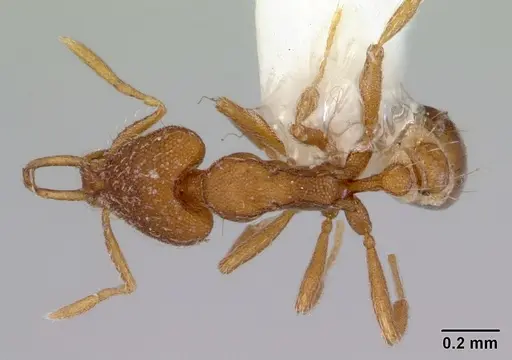
CASENT0172367
View on AntWeb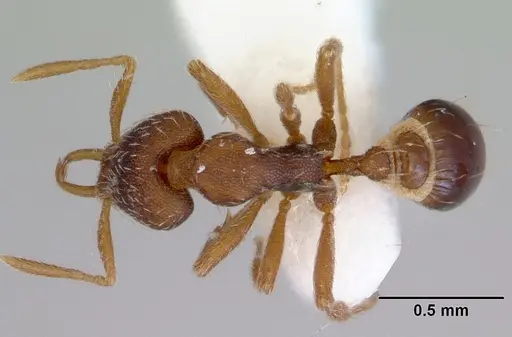
CASENT0172368
View on AntWeb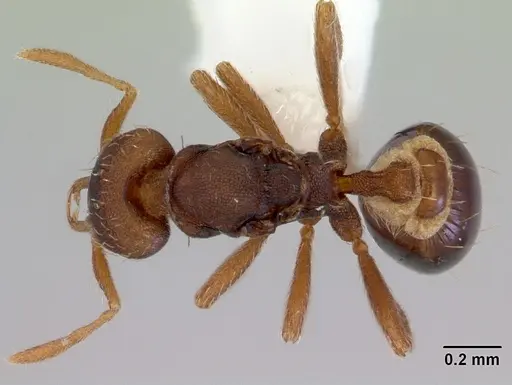
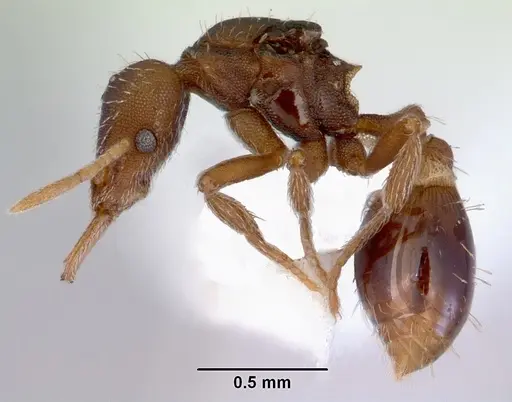
CASENT0178475
View on AntWeb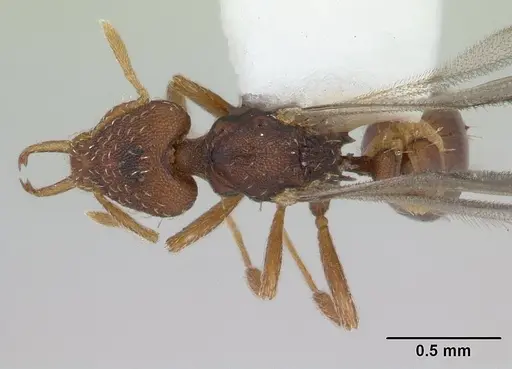
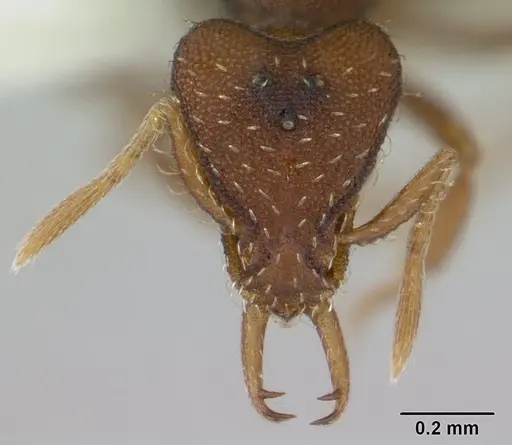
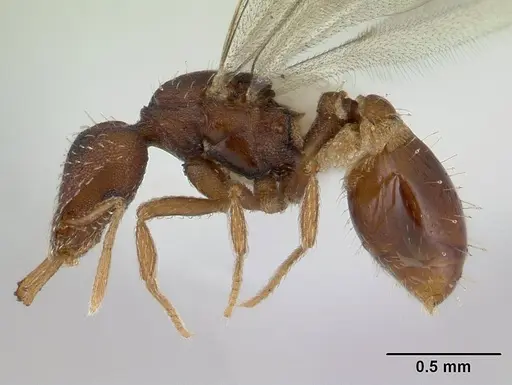
CASENT0178872
View on AntWeb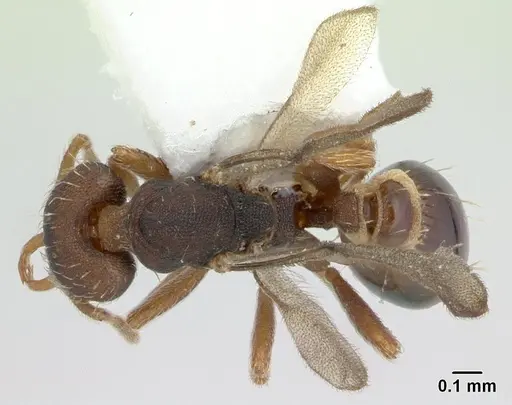

CASENT0900905
View on AntWeb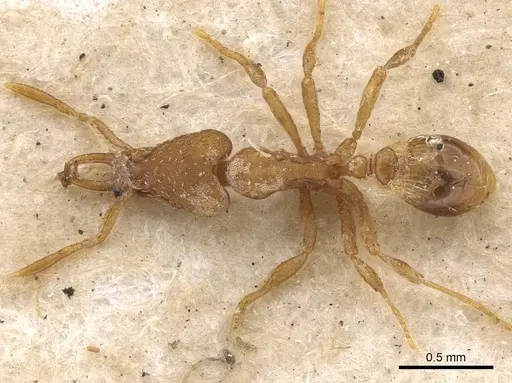
CASENT0909317
View on AntWeb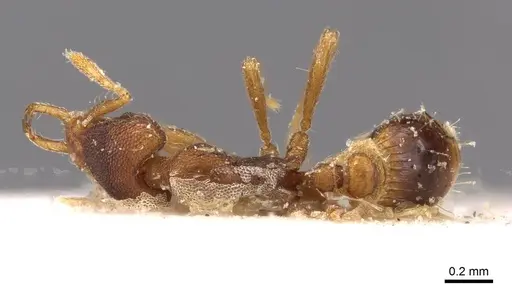
CASENT0909318
View on AntWeb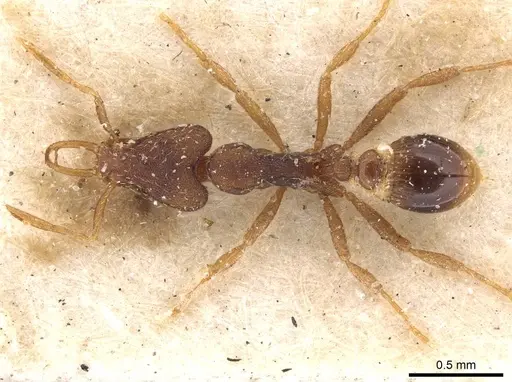
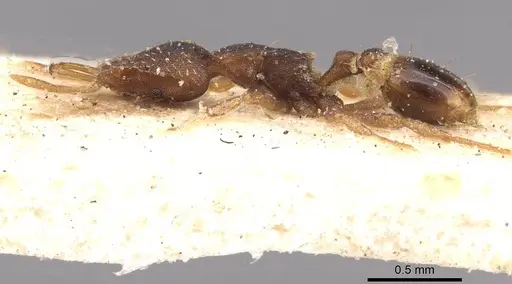
CASENT0914858
View on AntWeb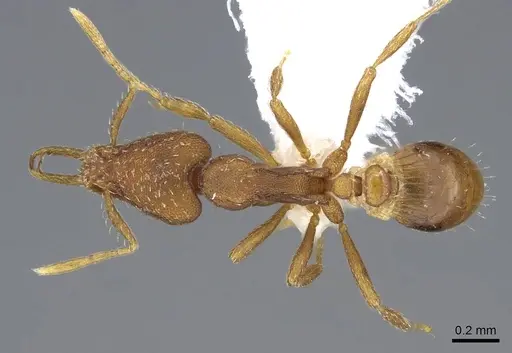
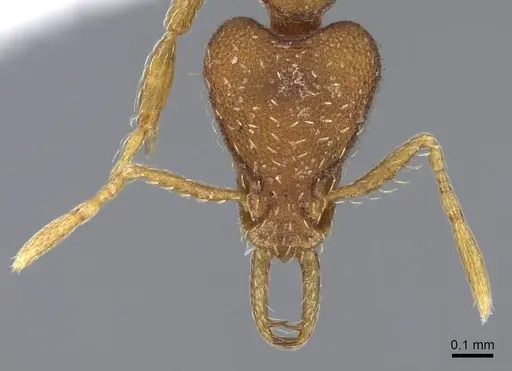
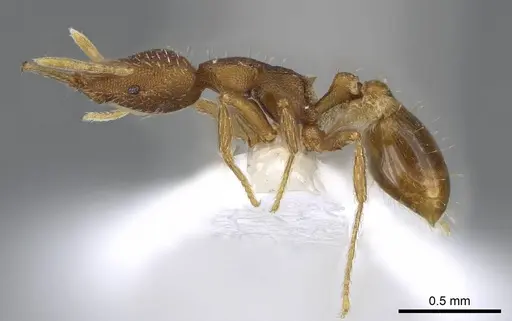
CASENT0914885
View on AntWeb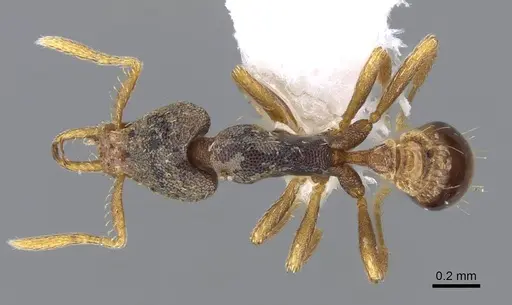
Literature
Loading distribution map...Loading products...