
Strumigenys nigrescens
- Sci. Name
- Strumigenys nigrescens
- Tribe
- Attini
- Subfamily
- Myrmicinae
- Author
- Wheeler, 1911
- Distribution
- Found in 8 countries
Introduction
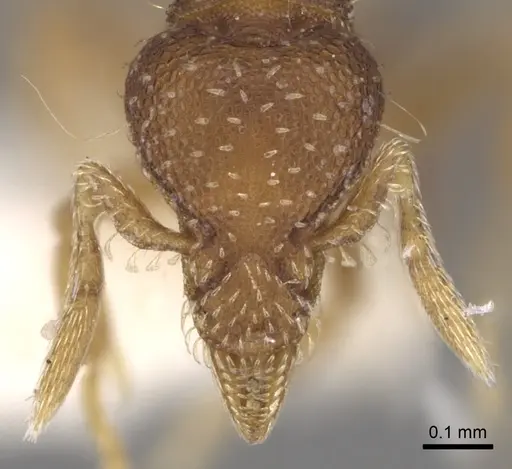
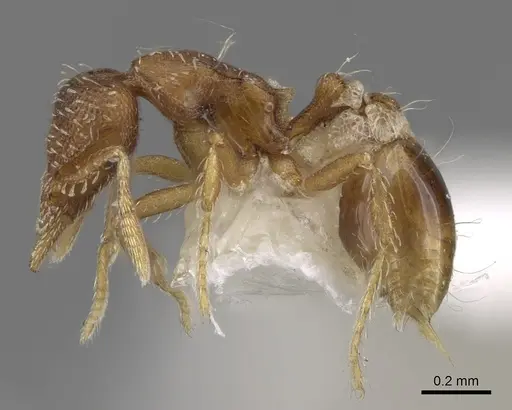
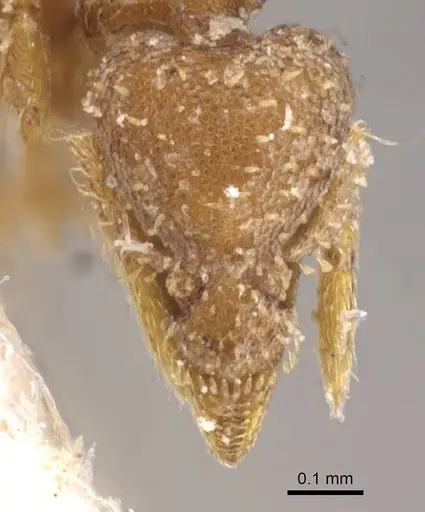
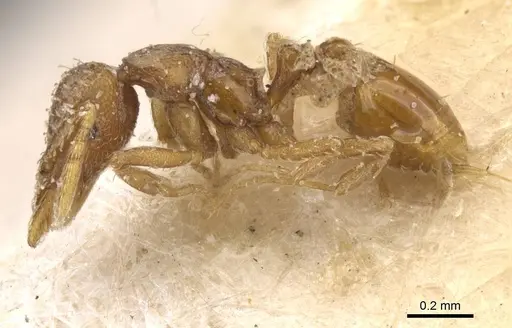
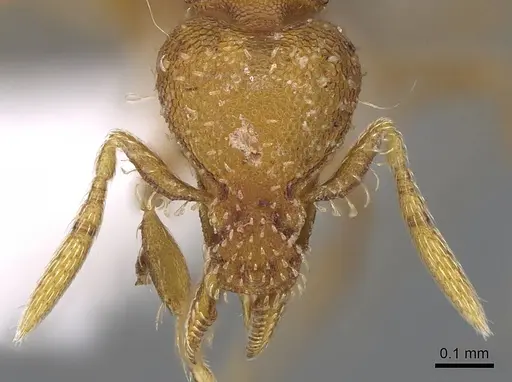
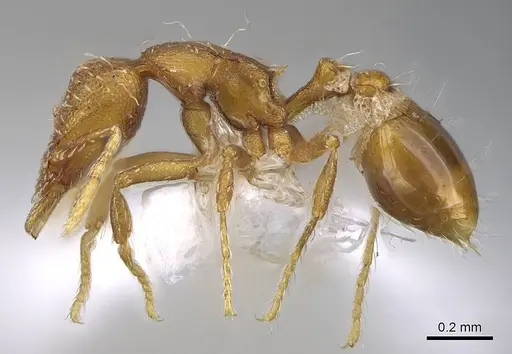
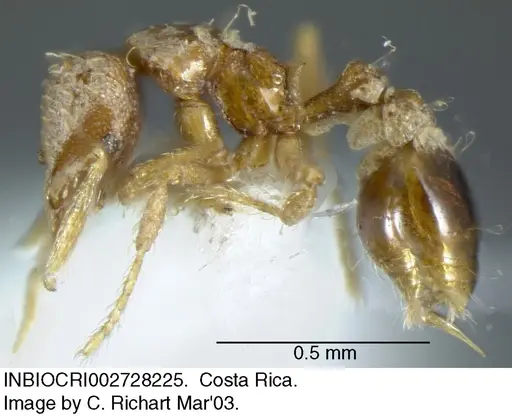
Strumigenys nigrescens is a tiny predatory ant measuring 1.8-2.0 mm for workers, with queens reaching about 2.3 mm . These ants belong to the Dacetini tribe, known for their trap-jaw mandibles that snap shut to capture prey. Workers have short, triangular mandibles with alternating blunt and sharp teeth, and their scapes bear conspicuous curved hairs . The species is native to the Caribbean and Central America: Jamaica, Cuba, Hispaniola, Mexico, Belize, Costa Rica, Guatemala, Honduras, Nicaragua, and surrounding islands . What makes S. nigrescens interesting is its broad habitat tolerance. While most Dacetini prefer moist forests, this species thrives in dry coastal forests, beach litter, and disturbed areas . It is one of the most commonly collected Strumigenys in the Greater Antilles . Colonies nest in rotting wood, leaf litter, and under stones . Its wide distribution and habitat flexibility suggest it may be a tramp species dispersed by commerce .
Quick Summary
- Difficulty: Medium
- Origin & Habitat: Caribbean and Central America: Jamaica, Cuba, Hispaniola, Mexico, Belize, Costa Rica, Guatemala, Honduras, Nicaragua, and surrounding regions. Found in dry coastal forests, beach areas, agricultural land, and disturbed habitats from sea level to 1300 m elevation [1][2][3].
- Colony Type: Likely monogyne (single-queen) based on typical Dacetini patterns. Colony size is small, probably under 100 workers.
- Size & Growth:
- Queen: ~2.3 mm [1]
- Worker: 1.8-2.0 mm [1]
- Colony: Small colonies, likely under 100 workers based on related species
- Growth: Slow, typical for Dacetini
- Development: Estimated 8-12 weeks at optimal temperature based on typical Dacetini development (Development is slower than many Myrmicinae. Dacetini usually take 2-3 months from egg to worker.)
- Antkeeping:
- Temperature: Keep at 24-28 °C, tropical ants that need warmth. A heating cable on one side creates a gradient [1].
- Humidity: Moderate to high humidity (60-80%). The nest substrate should remain damp but not waterlogged. Provide a moisture gradient so ants can self-regulate.
- Diapause: No true diapause, being tropical, they do not require hibernation. They may show reduced activity during cooler periods.
- Nesting: Y-tong (AAC) nests with narrow chambers work well, or naturalistic setups with moist soil/peat mixed with rotting wood fragments. Escape prevention is critical due to their tiny 2 mm size.
- Behavior: Specialized predators using trap-jaw mandibles to capture springtails and other micro-arthropods. Not aggressive toward humans, rarely stings. Main keeper concern: tiny size (easy to escape). Use fine mesh and tight lids. They are relatively slow-moving and skittish when disturbed. Workers forage individually through leaf litter [1].
- Common Issues: escape prevention is critical, their 2 mm size lets them slip through tiny gaps, require live springtails constantly, they rarely accept sugar sources, moisture management is tricky, too wet causes mold, too dry kills the colony, slow colony growth can frustrate beginners, months to reach 20-30 workers, small final colony size, don't expect large worker numbers even when established
Housing and Setup
Strumigenys nigrescens needs careful housing because of its tiny size. A Y-tong (AAC) formicarium with narrow chambers works well, or you can use a naturalistic setup with a moist soil/peat substrate. The key is providing small, tight chambers that match their leaf-litter environment. For a naturalistic setup, use a shallow container (2-3 cm deep) filled with moistened soil mixed with rotting wood fragments or leaf litter. This gives them the humid microhabitat they naturally inhabit [2][3]. Always use excellent escape prevention, these ants can slip through standard barrier setups. Apply Fluon or similar barrier to the rim of the outworld, and use fine mesh (at least 0.5 mm) for any ventilation. A small outworld connected to the nest works well, they will forage in a confined space where you can spot them easily.
Feeding and Diet
As a Dacetini ant, S. nigrescens is a specialized predator that needs live small arthropods. Their trap-jaw mandibles are designed for capturing springtails, mites, and other micro-arthropods [1]. In captivity, their primary food should be live springtails, these are essential for establishing and maintaining a colony. You can culture springtails separately or buy them. Other small live prey like booklice (psocids), fruit fly larvae, and tiny isopods may also be accepted. Sugar sources (honey, sugar water) are rarely accepted by Dacetini, they are obligate predators. Feed every 2-3 days, removing uneaten prey after 24 hours to prevent mold. A well-fed colony will have workers with distended abdomens (indicating they have captured prey). Never rely on sugar water alone with this species.
Temperature and Humidity
Keep these ants warm, aim for 24-28 °C in the nest area. Being tropical Caribbean species, they don't tolerate cool temperatures well. A small heating cable placed on one side of the nest creates a temperature gradient they can use. Avoid temperatures below 20 °C for long periods [1]. For humidity, target 60-80% relative humidity in the nest. The substrate should feel consistently damp but never waterlogged. In a Y-tong nest, keep the water reservoir filled but not overflowing. In naturalistic setups, mist the substrate regularly and let it partially dry between mistings. Good ventilation is important to prevent mold while keeping humidity, stagnant air causes problems. A small ventilation hole or mesh top helps balance humidity and airflow.
Colony Development
Strumigenys colonies grow slowly, this is normal for the Dacetini tribe. A newly mated queen will seal herself in a small chamber (claustral founding is unconfirmed but likely) and raise her first nanitic workers alone. The first workers will be very small (nanitics) and may take 8-12 weeks to emerge. After that, growth continues slowly. Expect 6-12 months to reach 20-30 workers, and 1-2 years to reach a mature colony size of perhaps 50-100 workers. This slow growth is a key consideration, these are not ants for keepers who want rapid colony expansion. The queen is long-lived and will continue producing workers for years. Be patient and maintain consistent care conditions. Disturbing the queen during founding can cause abandonment, so minimize nest inspections until workers emerge. [1]
Behavior and Observation
Watching Strumigenys hunt is interesting. They use their trap-jaw mandibles to snap shut on prey in milliseconds, one of the fastest movements in the animal kingdom. Workers forage individually through the substrate, patrolling leaf litter and rotting wood for springtails and other tiny prey [1]. They are not aggressive and will flee rather than fight. Their small size and cryptic lifestyle make them less interactive than larger ants, but they reward patient observation. Workers communicate using chemical trails and may recruit nestmates to good hunting grounds. The colony will establish defined foraging routes through the outworld. They are most active at night and during twilight hours, though they will forage during the day if hungry. Their colonies remain small but are long-lived with the queen potentially surviving for many years [2].
Frequently Asked Questions
Can I keep Strumigenys nigrescens in a test tube?
A test tube can work for a founding queen, but you'll need to move them to a proper formicarium once the colony reaches 10-15 workers. Their small size means standard test tubes are suitable, but the narrow chambers of a Y-tong or naturalistic setup are better for long-term housing. The key is providing small, tight spaces that match their leaf-litter lifestyle.
What do Strumigenys nigrescens eat?
They are obligate predators that require live small arthropods. Springtails are the essential food source, culture them separately or purchase them regularly. Other tiny live prey like booklice, fruit fly larvae, and small isopods may be accepted. Sugar sources are rarely taken. Feed live prey every 2-3 days and remove uneaten prey after 24 hours [1].
How long does it take for Strumigenys nigrescens to have first workers?
Expect 8-12 weeks from egg to first worker at optimal temperature (24-28 °C). This is slow compared to many ants, Dacetini development takes time. The queen raises the first brood alone, and the nanitic workers that emerge will be very small [1].
Are Strumigenys nigrescens good for beginners?
No, this is a medium-difficulty species. The main challenges are their escape-prone tiny size (requiring excellent barriers), their requirement for live springtail prey, and their slow growth. They are rewarding for experienced antkeepers who can provide consistent warmth, humidity, and proper food. Beginners often struggle with escape prevention and the live prey requirement.
How big do Strumigenys nigrescens colonies get?
Colonies remain small, typically under 100 workers even in established colonies. This is typical for Dacetini leaf-litter ants. Do not expect large, impressive worker numbers. A mature colony of 50-80 workers is considered well-developed.
Do Strumigenys nigrescens need hibernation?
No, being a tropical Caribbean species, they do not require hibernation or winter cooling. Keep them warm year-round at 24-28 °C. They may show reduced activity during cooler periods, but they do not enter diapause [1].
Why are my Strumigenys nigrescens dying?
Common causes include: escape (use fine mesh barriers), starvation (they need live springtails, not just sugar), too dry (keep substrate damp), too cold (below 20 °C), and mold from overwatering or uneaten prey. Check these parameters first. Also ensure you're not disturbing the founding queen too often, she may abandon if stressed [1].
When should I move Strumigenys nigrescens to a formicarium?
Move from test tube to formicarium when the colony reaches 10-15 workers. A Y-tong nest or naturalistic setup with small chambers works best. Make sure the new setup is pre-humidified and at the same temperature as the test tube to minimize stress.
Can I keep multiple Strumigenys nigrescens queens together?
Not recommended. Unlike some polygynous species, Dacetini are typically monogyne (single-queen). Combining unrelated queens will likely result in fighting. Only keep one queen per colony unless you have specific evidence this species accepts multiple queens.
Report an Issue
The current care sheet is based fully on literature. See inconsistencies, or something that's incorrect? Please , it will be resolved after review from an admin. Contributing to the blogs tab also helps providing information, to make us be able to further improve the caresheets. Thank you for your support!
References

This caresheet is licensed under CC BY-SA 4.0 .
Community Blogs
CASENT0281985
View on AntWeb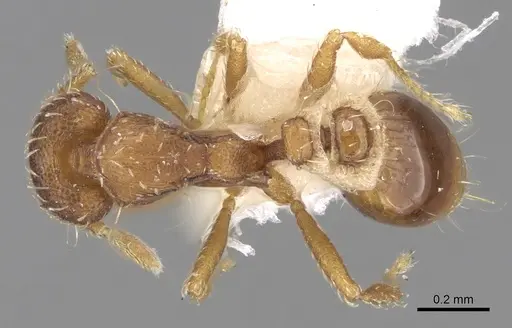
CASENT0912850
View on AntWeb
CASENT0914606
View on AntWeb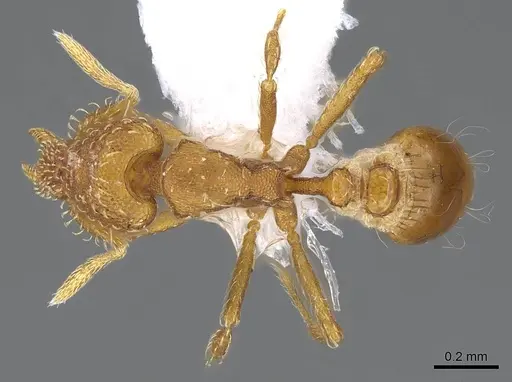
INBIOCRI002728225
View on AntWeb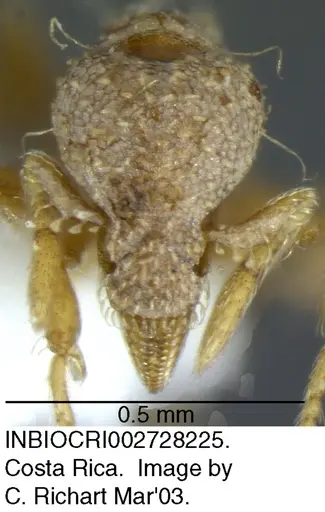
Literature
Loading distribution map...Loading products...