
Strumigenys nathistorisoc
- Sci. Name
- Strumigenys nathistorisoc
- Tribe
- Attini
- Subfamily
- Myrmicinae
- Author
- Tang <i>et al.</i>, 2019
- Distribution
- Found in 2 countries
Introduction
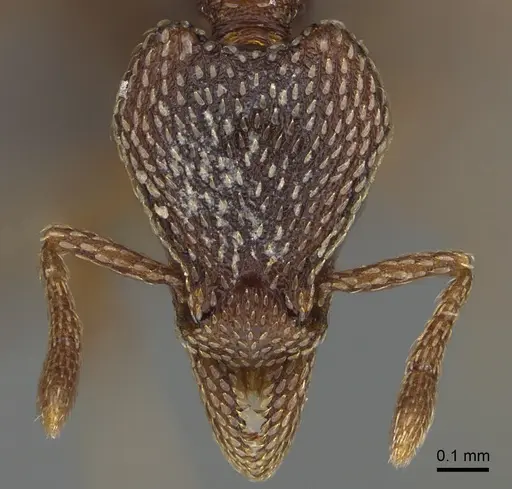
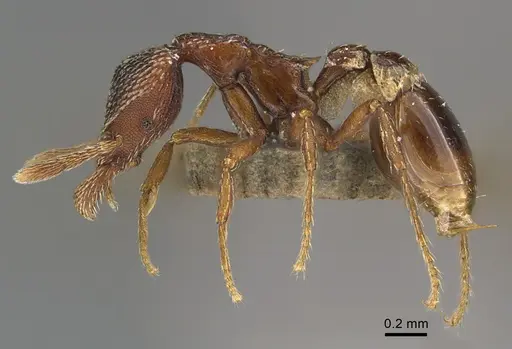
Strumigenys nathistorisoc is a tiny trap-jaw ant species from southern China. Workers measure 2.9-3.4 mm in total length, making them one of the smallest ants kept in captivity . The species was named after the Hong Kong Natural History Society, whose members supported the research leading to its discovery . Its mandibles are highly distinctive: seven alternating long, tapered teeth and reduced, low, rounded teeth, with a prominent gap between the mandibles at the basal half . The head, scape, and mandibles are covered with appressed spatulate (spoon‑shaped) hairs . These ants inhabit secondary forests and Feng Shui woods (traditional Chinese sacred forests) at elevations from 29 to 572 m . This is an expert‑level species for experienced antkeepers interested in specialized predatory micro‑ants.
Quick Summary
- Difficulty: Expert
- Origin & Habitat: Native to southern China, originally described from Hong Kong (Lantau Island) and now recorded in Guangxi, Hainan, and Guangdong provinces. Found in secondary forests and Feng Shui woods at elevations of 29-572 m [1][2][3].
- Colony Type: Colony structure is unconfirmed for this species.
- Size & Growth:
- Queen: Unknown, the queen caste has not been described [1]
- Worker: 2.9-3.4 mm total length [1][2]
- Colony: Unknown, colony size has not been documented. Based on similar Strumigenys, likely under 100 workers
- Growth: Unknown, growth rate has not been studied. Likely slow to moderate based on small colony sizes typical of the genus
- Development: Unconfirmed, development timeline has not been directly studied. Based on typical Strumigenys patterns and their small size, estimate 6-10 weeks at optimal temperature (Estimate based on genus‑level patterns for small Myrmicinae in subtropical conditions)
- Antkeeping:
- Temperature: Keep at 24-28°C. This species comes from subtropical Hong Kong and southern China where temperatures are warm year‑round. Provide a gentle temperature gradient so workers can select their preferred zone [1][2].
- Humidity: Keep the nest substrate consistently moist but not waterlogged. Provide a moisture gradient so ants can self‑regulate. The species inhabits forest floor environments in secondary forests [1].
- Diapause: Unconfirmed, likely minimal to no true diapause given their subtropical origin. Some reduction in activity during cooler months may occur, but they likely remain active year‑round in captivity.
- Nesting: Use a naturalistic setup with moist substrate or a well‑humidified Y‑tong (AAC) or plaster nest. Their tiny size and predatory nature mean they do best with access to small live prey. Tight escape prevention is essential, they can squeeze through remarkably small gaps despite their small size.
- Behavior: Strumigenys nathistorisoc are shy, reclusive ants that spend most of their time hidden in the nest or foraging quietly in leaf litter. They are not aggressive toward humans and their small size means they cannot break skin. Their trap‑jaw mandibles snap shut rapidly when triggered by tiny prey, this is a passive mechanism rather than the active strike of larger trap‑jaw ants [1]. Workers forage individually, searching for small arthropods in the substrate. Escape prevention is critical due to their tiny size, even standard test tube setups may allow escapes through minute gaps.
- Common Issues: escape prevention is critical due to their very small size, even standard test tube setups may allow escapes through minute gaps, slow colony growth means keepers may lose patience and overfeed, leading to mold issues, requires constant access to small live prey, they cannot survive on sugar water alone and need protein sources, humidity control is tricky, too wet causes flooding and fungal issues, too dry causes desiccation, wild‑caught colonies may carry parasites that can decimate the colony in captivity
Housing and Setup
Strumigenys nathistorisoc requires careful housing due to its tiny size and specialized needs [1][2]. Use a well‑humidified Y‑tong (AAC), plaster, or soil nest, these materials hold moisture consistently without waterlogging. The nest chambers should be appropriately scaled for a small Myrmicinae, avoid large, open spaces. Test tubes can work for founding colonies, but escape prevention must be excellent because these ants can squeeze through gaps that seem impossible for their size. Connect the nest to a foraging area that allows you to provide live prey. Use a shallow foraging container with smooth sides (these ants are not strong climbers on smooth surfaces) and apply fluon or a similar barrier to any connections. A naturalistic setup with a soil layer helps maintain humidity and allows natural foraging behavior. Keep the foraging area clean and remove uneaten prey before it molds.
Feeding and Diet
This species is a specialized predator and requires live small arthropods as its primary food source [1]. In captivity, springtails should make up the staple diet. Other suitable prey includes tiny mites, booklice (psocids), and fruit fly larvae. The trap‑jaw mechanism is designed for very small prey, so larger items will be ignored. Unlike many Myrmicinae, these ants do not require sugar sources, they are obligate predators that get all nutrition from animal prey. Offer small prey items every 2-3 days, adjusting based on colony size and consumption. Remove uneaten prey within 24 hours to prevent mold. Establish a reliable springtail culture before acquiring this species, without a constant prey supply they will not survive.
Temperature and Care
Keep the nest at 24-28°C for optimal colony health and activity [1]. This species comes from subtropical southern China where temperatures remain warm year‑round. Provide a gentle temperature gradient, place a heating cable on one side of the nest to create a warm zone (around 28°C) and let the cool side stay around 24°C. Avoid temperatures below 20°C for extended periods, cold can suppress activity and harm brood development. Room temperature (20-24°C) is acceptable, but active growth and foraging are best at the higher end of the range. Unlike temperate species, no winter cooling period is required. Maintain stable temperatures without major fluctuations.
Humidity Management
Maintain moderate to high humidity in the nest [1]. The substrate or nest material should feel damp to the touch but never have standing water. Use a water reservoir or regular misting to keep humidity levels, depending on your nest type. A humidity gradient is ideal, some areas slightly damper than others allows ants to self‑regulate. Condensation on nest walls indicates good humidity, but excessive moisture leads to mold growth and can drown the colony. In naturalistic setups, ensure proper drainage to prevent waterlogging. In dry environments, mist more frequently or use a larger water reservoir.
Behavior and Temperament
Strumigenys nathistorisoc are shy, reclusive ants that prefer to stay hidden in the nest or forage quietly in the leaf litter layer [1]. They are not aggressive and will flee rather than engage when threatened. Their trap‑jaw mandibles are designed for capturing tiny prey, not for defense, they pose no danger to keepers. Workers forage individually rather than in groups, searching for small arthropods in the substrate. The trap‑jaw mechanism works passively: when a potential prey item triggers the specialized hairs between the mandibles, they snap shut rapidly. This is less dramatic than the power strike of larger trap‑jaw ants but is still an effective hunting adaptation. Colonies are likely slow‑growing. Patience is essential, do not disturb the colony frequently or move the nest unnecessarily, as this causes stress.
Colony Establishment
Acquiring this species is challenging as it is newly described and rarely available in the hobby. Founding behavior is unconfirmed, so do not assume a specific founding type. If you obtain a queen, provide a small, humid chamber (e.g., a test tube with water and a cotton plug) and keep it dark and undisturbed. The queen will rely on her own reserves to produce the first workers. First workers will be very small (nanitics) and may take several months to emerge. Do not feed during the founding stage. Once workers appear, introduce very small live prey. Colony growth will be slow, do not expect rapid expansion. The colony may take a year or more to reach 20-30 workers. Avoid checking the nest frequently during founding, disturbance is a common cause of failure. [1][2]
Frequently Asked Questions
How long does it take for Strumigenys nathistorisoc to produce first workers?
The exact timeline is unconfirmed, but based on typical Strumigenys patterns and their small size, expect 6-10 weeks from egg to first worker at optimal temperature (around 26°C). The queen will raise the first brood alone, so be patient and do not disturb the founding chamber [1][2].
Can I keep Strumigenys nathistorisoc in a test tube?
Test tubes can work for founding colonies, but escape prevention must be excellent. These tiny ants can squeeze through remarkably small gaps. Use tightly packed cotton wool and consider adding fluon barriers to the tube opening. For long‑term housing, a well‑humidified Y‑tong or plaster nest is more suitable [1].
What do Strumigenys nathistorisoc eat?
They are specialized predators that require live small arthropods. Springtails should be their primary food, establish a springtail culture before acquiring this species. They may also accept tiny mites, booklice, and fruit fly larvae. Unlike many ants, they do not rely on sugar sources, protein from prey is essential [1][2].
Are Strumigenys nathistorisoc good for beginners?
No. This is an expert‑level species requiring specific care: constant access to live small prey, precise humidity control, warm temperatures, and excellent escape prevention. They are also rarely available as this is a recently described species. Beginners should start with more forgiving species like Lasius or Tetramorium [1][2].
Do Strumigenys nathistorisoc need hibernation?
Unlikely. This species comes from subtropical southern China where temperatures remain warm year‑round. No cooling period is required, but you may notice reduced activity during cooler winter months if your room temperature drops [1][2].
How big do Strumigenys nathistorisoc colonies get?
Colony size is unconfirmed for this species. Based on typical Strumigenys patterns, colonies likely remain relatively small, probably under 100 workers even at maturity [1][2].
Can I keep multiple queens together?
Not recommended. The colony structure of this species has not been documented, and combining queens of this newly described species has not been studied. Based on typical Strumigenys behavior, single‑queen colonies are most likely. Do not attempt pleometrosis (multiple queen founding) without specific evidence [1][2].
Why are my Strumigenys nathistorisoc dying?
Common causes include: escape due to inadequate barriers (they are tiny), starvation from lack of live prey, improper humidity (too dry or waterlogged), cold temperatures below 20°C, and stress from frequent disturbance. Ensure you have a springtail culture, proper humidity, warm temperatures, and minimal nest disturbance. Wild‑caught colonies may also carry parasites [1][2].
When should I move my colony to a formicarium?
Wait until the colony has at least 20-30 workers and is actively foraging before considering a move. Test tubes become difficult to maintain with larger colonies. When moving, create a connection between the test tube and the new nest and allow the ants to move themselves, do not force them [1][2].
What temperature range is ideal for Strumigenys nathistorisoc?
Keep the nest at 24-28°C, with a slight gradient allowing selection. Room temperature (20-24°C) is acceptable but may result in reduced activity. Use a heating cable on one side of the nest to create warmth. Avoid temperatures below 20°C for extended periods [1][2].
Is this species available in the antkeeping hobby?
Unlikely. Strumigenys nathistorisoc was only described in 2019 and is a newly documented species from Hong Kong and southern China. It is rarely encountered in the hobby and may not be legally available in all regions. This species is primarily of interest to advanced antkeepers and researchers [1][2].
Report an Issue
The current care sheet is based fully on literature. See inconsistencies, or something that's incorrect? Please , it will be resolved after review from an admin. Contributing to the blogs tab also helps providing information, to make us be able to further improve the caresheets. Thank you for your support!
References

This caresheet is licensed under CC BY-SA 4.0 .
Community Blogs
ANTWEB1016948
View on AntWeb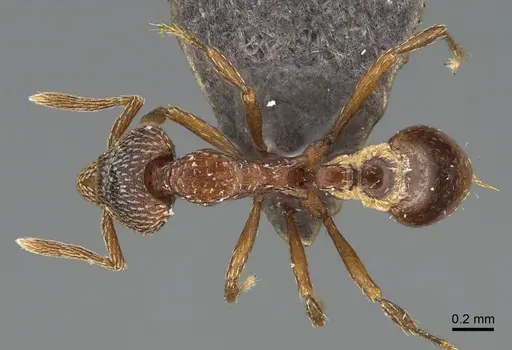
Literature
Loading distribution map...Loading products...