
Strumigenys mionova
- Sci. Name
- Strumigenys mionova
- Tribe
- Attini
- Subfamily
- Myrmicinae
- Author
- Bolton, 2000
- Distribution
- Found in 1 countries
Introduction
Strumigenys mionova is a small predatory ant species native to New Caledonia, a tropical island in the South Pacific . Like other Strumigenys, it has specialized trap-jaw mandibles that snap shut to catch tiny prey like springtails. Workers are tiny, around 2-3 mm, with elongated mandibles and pale to reddish-brown coloring. Queens are slightly larger. These ants live in moist leaf litter and soil, where they hunt small arthropods.
Quick Summary
- Difficulty: Hard
- Origin & Habitat: New Caledonia, a tropical island in the South Pacific with humid forests [1]
- Colony Type: Unconfirmed. Based on typical Strumigenys patterns, likely monogyne (single queen).
- Size & Growth:
- Queen: ~3-4 mm, estimated from Strumigenys genus averages
- Worker: ~2-3 mm, estimated from Strumigenys genus averages
- Colony: Up to 200 workers, estimated from typical Strumigenys colony sizes
- Growth: Slow
- Development: Estimated 8-12 weeks based on related Strumigenys species (Development time is an estimate from genus-level data, specific timing for S. mionova has not been documented)
- Antkeeping:
- Temperature: Keep at 22-26°C, these tropical ants need steady warmth but not extreme heat. Use a gentle gradient with a heating cable on one side.
- Humidity: High humidity required, keep the nest substrate consistently moist but not waterlogged. These ants come from humid tropical forests.
- Diapause: No, as a tropical species, they do not need hibernation. Keep warm year-round.
- Nesting: A naturalistic setup with moist substrate works best. Use a plaster nest with a water reservoir or a soil terrarium with leaf litter. In the wild they nest in leaf litter and topsoil.
- Behavior: These ants are cryptic and slow-moving, spending most of their time hunting through the leaf litter. They are not aggressive toward humans and rarely sting. Their small size makes them excellent escape artists, use fluon on rims and fine mesh on any openings.
- Common Issues: tiny size means escapes are likely without fine mesh barriers and tight-fitting lids, specialized diet makes them difficult to feed, they need live springtails or micro-prey, slow growth can frustrate keepers who expect rapid colony growth, wild-caught colonies may have unknown health or parasite issues, high humidity is critical, drying out kills them quickly
Housing and Nest Setup
Strumigenys mionova needs a setup that keeps humidity high while giving the colony space to hunt. A naturalistic terrarium with moist soil or a plaster nest with a water reservoir works well. Add leaf litter, moss, and small hiding spots to mimic their leaf-litter habitat. Use a test tube for the founding queen with a cotton plug for moisture, then move the colony to a small naturalistic setup once there are 10-15 workers. Because the ants are tiny, seal all gaps, they can squeeze through anything wider than about 0.5 mm.
Feeding and Diet
Feeding is the hardest part of keeping this species. They are specialized hunters that need live springtails as their main food. Springtails are tiny soil arthropods you can culture at home. Offer springtails at least twice a week. Some colonies may also take booklice, fruit flies, or soil mites, but springtails should be the staple. Do not rely on sugar water or honey, these ants get most of their nutrition from protein. Remove any leftover prey after 24-48 hours to stop mold.
Temperature and Humidity
Keep the nest at 22-26°C all year round. These tropical ants do not like cool conditions. Use a small heating cable on one side of the nest to create a gentle warmth gradient. Humidity is crucial, the nest substrate should feel consistently damp. Use a water reservoir or mist regularly. Avoid placing the setup near air conditioners or heating vents that dry things out. If humidity drops, the ants will dry out and die quickly.
Behavior and Temperament
Strumigenys mionova is calm and non‑aggressive. Workers move slowly and spend most of their time hunting through the substrate. They rarely try to sting, their trap‑jaw mandibles are for catching tiny prey, not for defense. The biggest challenge is their tiny size: they are expert escape artists. Use fluon on container rims, fine mesh on ventilation, and seal all gaps. Watching them hunt springtails with their specialized jaws is a fascinating sight.
Colony Development
Growth is slow compared with common ant species. A mated queen lays eggs after sealing herself in a claustral chamber (assumed). First workers (nanitics) appear after an estimated 8-12 weeks based on related Strumigenys species. The first workers are even smaller than the queen, and the colony stays small for many months. Expect 6-12 months to reach 20-30 workers, and years to reach 100+ workers. Patience is essential. Don’t overfeed, mold from rotting prey can kill the colony.
Frequently Asked Questions
Can I keep Strumigenys mionova in a test tube?
Yes, a test tube works for the founding queen, but once the colony has 10-15 workers you should move them to a naturalistic setup. Test tubes alone can’t keep high humidity long‑term, and the ants need space to hunt.
How long until first workers in Strumigenys mionova?
Based on related Strumigenys species, first workers appear after about 8-12 weeks at 24°C. This is an estimate, the exact development time for S. mionova hasn’t been recorded.
What do Strumigenys mionova ants eat?
They need live springtails as their main food. They are specialized hunters that catch springtails and other micro‑arthropods. Offer cultured springtails twice a week. Some colonies may also eat tiny prey like booklice or fruit flies, but springtails should be the staple.
Are Strumigenys mionova good for beginners?
No, this is not a beginner species. They need live springtails, very high humidity, and are tiny enough to escape easily. Their slow growth can also be discouraging. Only experienced keepers should try them.
How big do Strumigenys mionova colonies get?
Colonies stay small, probably up to 200 workers based on other Strumigenys. They never become large like Lasius or Camponotus.
Do Strumigenys mionova need hibernation?
No, they come from tropical New Caledonia and don’t need a winter rest. Keep them at 22-26°C year‑round. Cool temperatures stress them and slow development.
Why are my Strumigenys mionova dying?
Most often the cause is: low humidity (they dry out quickly), lack of live springtails (they starve), escapes (they are tiny), or mold from overfeeding. Check the humidity first, then make sure they are actually eating the springtails you offer.
When to move Strumigenys mionova to a formicarium?
Wait until the colony has at least 15-20 workers and the test tube looks crowded or the cotton is drying. Then move them to a small naturalistic setup with moist substrate. A plaster nest with a water reservoir or a soil terrarium works well.
Can I keep multiple Strumigenys mionova queens together?
It is not recommended. Strumigenys are usually monogyne (single queen). Combining unrelated queens has not been studied for this species and could cause fights.
Report an Issue
The current care sheet is based fully on literature. See inconsistencies, or something that's incorrect? Please , it will be resolved after review from an admin. Contributing to the blogs tab also helps providing information, to make us be able to further improve the caresheets. Thank you for your support!
References

This caresheet is licensed under CC BY-SA 4.0 .
Community Blogs
CASENT0900900
View on AntWeb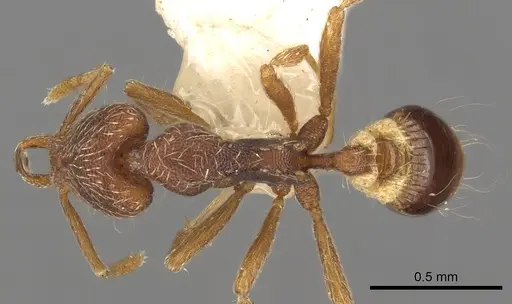
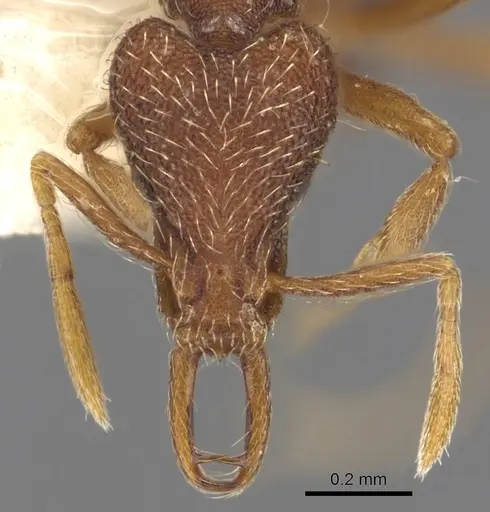
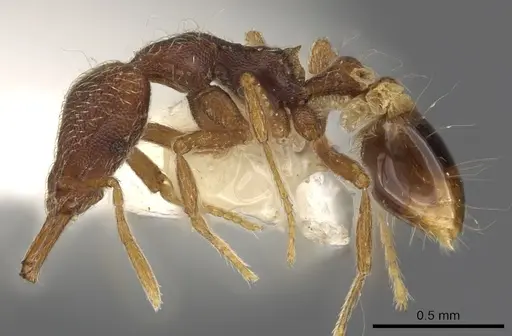
Literature
Loading distribution map...Loading products...