
Strumigenys microthrix
- Sci. Name
- Strumigenys microthrix
- Tribe
- Attini
- Subfamily
- Myrmicinae
- Author
- Kempf, 1975
- Distribution
- Found in 4 countries
Introduction
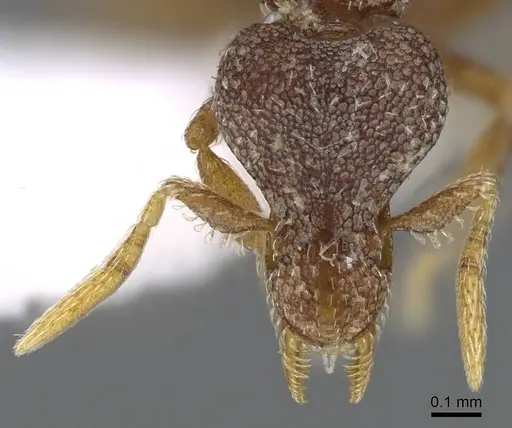
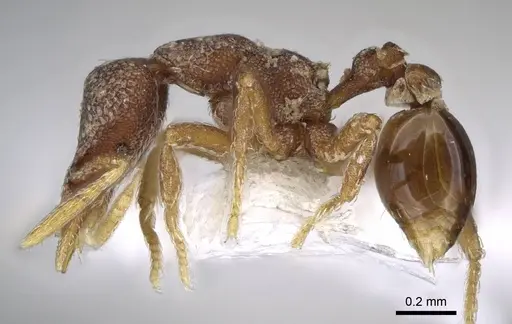
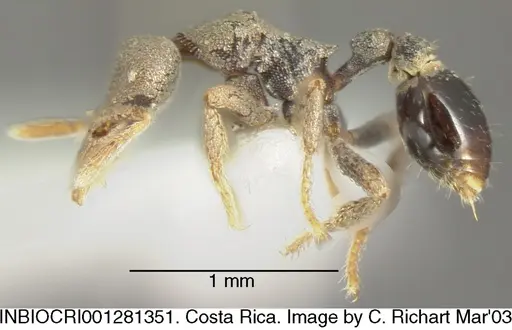
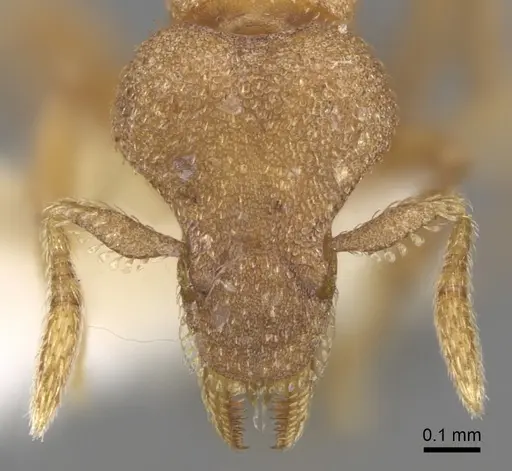
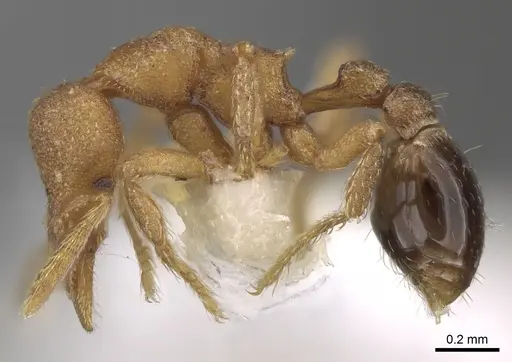
Strumigenys microthrix is a tiny predatory ant. Workers measure about 2.2-2.7mm in total length . They are red-brown to nearly black, with distinctly flattened and broad scapes that make them easy to identify under magnification . This species belongs to the schulzi group and is found across the Neotropical region, from Mexico down through Central America to Colombia and Ecuador . They live in mature wet forests, typically in leaf litter on the forest floor where they hunt small prey . Unlike their close relatives Strumigenys cassicuspis and Strumigenys stauroma, this species has notably sparse body hair, which is a key identification feature . Queens have been collected in Costa Rica, indicating this species establishes colonies in the wild .
Quick Summary
- Difficulty: Expert
- Origin & Habitat: Neotropical wet forests from Mexico to Colombia. Workers are found in leaf litter on the forest floor, sometimes in rotten sticks [1]. This is a ground-dwelling species that thrives in consistently moist, shaded environments [4].
- Colony Type: Colony structure is unconfirmed. Queens have been collected, suggesting single-queen colonies are possible. The genus Strumigenys typically forms small colonies.
- Size & Growth:
- Queen: Not documented in literature, estimated slightly larger than workers based on genus patterns.
- Worker: 2.2-2.7mm [1]
- Colony: Likely under 100 workers based on genus patterns.
- Growth: Slow, small ants with specialized diets typically develop slowly.
- Development: Estimated 8-12 weeks based on related Dacetini species at tropical temperatures. (Development time is estimated as no specific data exists for this species. Tropical temperatures (24-28°C) likely support faster development.)
- Antkeeping:
- Temperature: Keep at 24-28°C, these are tropical ants from wet forests. A gentle gradient allows workers to regulate their temperature [1].
- Humidity: High humidity is essential, think damp forest floor. Keep the substrate consistently moist but not waterlogged. These leaf-litter ants need humid conditions to survive [1].
- Diapause: No, as a tropical species, they do not require hibernation. Keep them warm year-round.
- Nesting: Use a naturalistic setup with fine substrate (like coco fiber or peat) that holds moisture well. A test tube with a water reservoir can work, but these tiny ants need excellent escape prevention. Y-tong nests with very small chambers also work well for their size.
- Behavior: These ants are specialized predators with trap-jaw mandibles designed to catch tiny prey, primarily springtails and other micro-arthropods [1]. They are not aggressive toward humans and rarely sting. Their small size makes them excellent escape artists, you must use fine mesh and tight-fitting barriers. Workers are slow-moving but actively hunt through leaf litter. They are shy and will flee from disturbance.
- Common Issues: escape prevention is critical, they are tiny enough to squeeze through standard mesh., specialized diet makes them difficult to feed, they need live micro-prey, not standard ant food., dry conditions kill them quickly, they require consistently humid environments., mold from uneaten prey or excessive moisture can harm the colony., slow growth tests keeper patience, colonies take months to establish.
Housing and Setup
Strumigenys microthrix requires a setup that recreates their natural leaf-litter environment. A naturalistic terrarium-style setup works best, use a shallow container filled with moist coco fiber, peat moss, or a mix of fine substrates that hold humidity well. The substrate should be 2-3cm deep and kept consistently moist [1]. Because these ants are tiny, even standard test tube setups need careful attention to escape prevention, use fine mesh on any ventilation. A small outworld area allows you to offer prey items. Y-tong nests with very small chambers can work, but the key is maintaining high humidity within the nest while allowing some ventilation to prevent mold. Place the setup away from direct sunlight in a shaded area of your room.
Feeding and Diet
This is the most challenging aspect of keeping Strumigenys microthrix. They are specialized predators that hunt tiny prey in nature, primarily springtails (Collembola) and other micro-arthropods [1]. You cannot rely on standard ant foods like sugar water or protein pellets. Their primary food should be live springtails cultured specifically for ant feeding. Other small live prey like fruit flies, tiny isopods, and booklice may be accepted. Offer prey 2-3 times per week, removing any uneaten items within 24 hours to prevent mold. Do not offer honey or sugar sources, these ants are obligate predators and rarely accept sugary liquids. A well-established springtail culture is essential before acquiring these ants.
Temperature and Humidity
Keep your colony at 24-28°C year-round, these are tropical ants that do not tolerate cool temperatures [1]. Room temperature in most homes is acceptable, but you may need a small heating cable on one side of the setup during winter if your room drops below 24°C. Place the heating element on top of the nest, not underneath, to avoid evaporating moisture too quickly. Humidity is critical, maintain high humidity inside the nest area. The substrate should feel damp to the touch but never waterlogged. Mist occasionally if the substrate surface dries, but do not create standing water. Good ventilation helps prevent mold while maintaining humidity. Monitor with a digital hygrometer placed near the nest.
Escape Prevention
With workers measuring only 2.2-2.7mm, escape prevention is absolutely critical [AntWiki
Report an Issue
The current care sheet is based fully on literature. See inconsistencies, or something that's incorrect? Please , it will be resolved after review from an admin. Contributing to the blogs tab also helps providing information, to make us be able to further improve the caresheets. Thank you for your support!
References

This caresheet is licensed under CC BY-SA 4.0 .
Community Blogs
ANTWEB1053694
View on AntWeb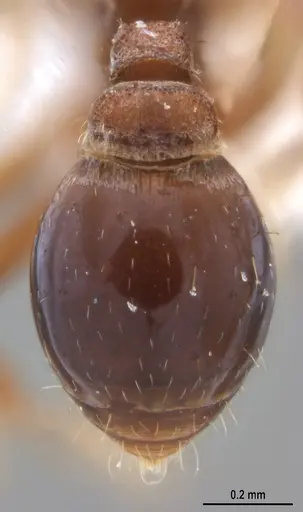
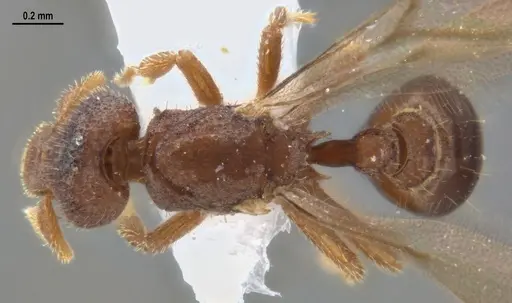
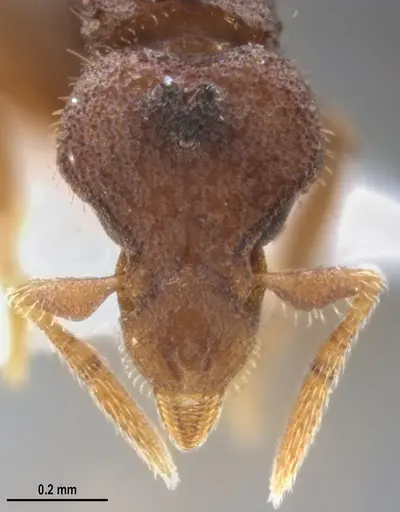
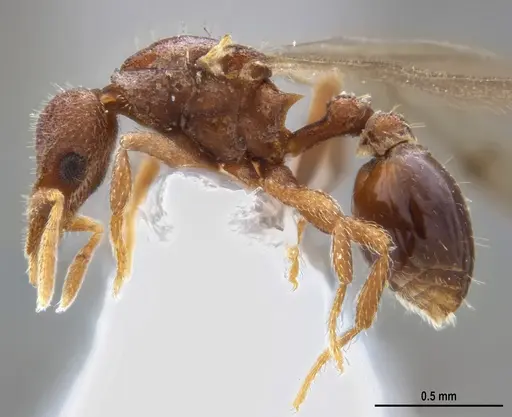
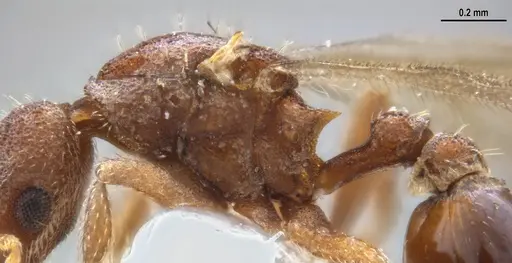
CASENT0653676
View on AntWeb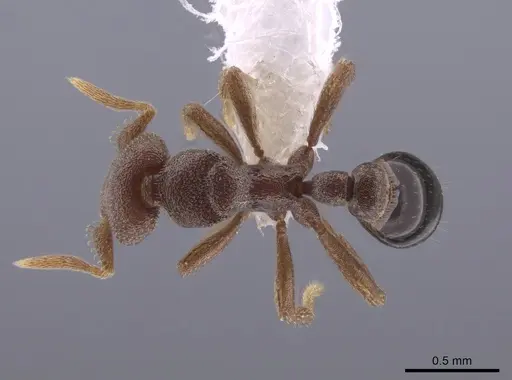
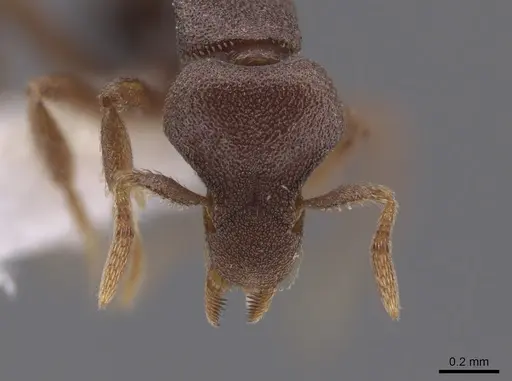
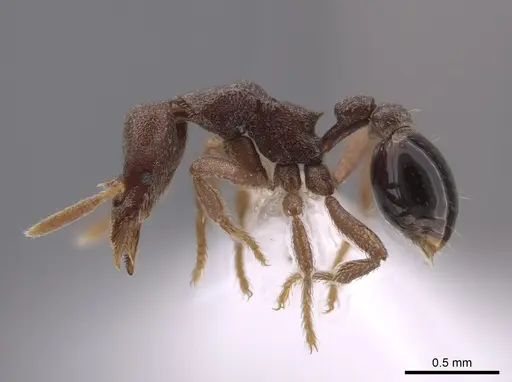
CASENT0914600
View on AntWeb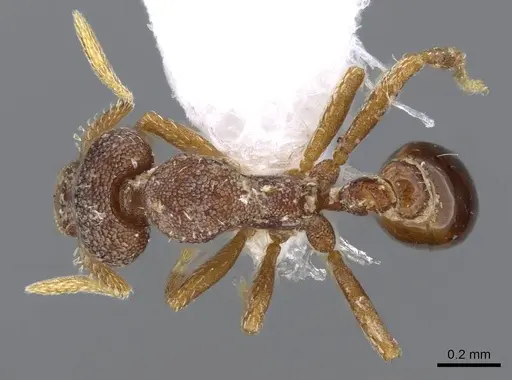
INBIOCRI001281351
View on AntWeb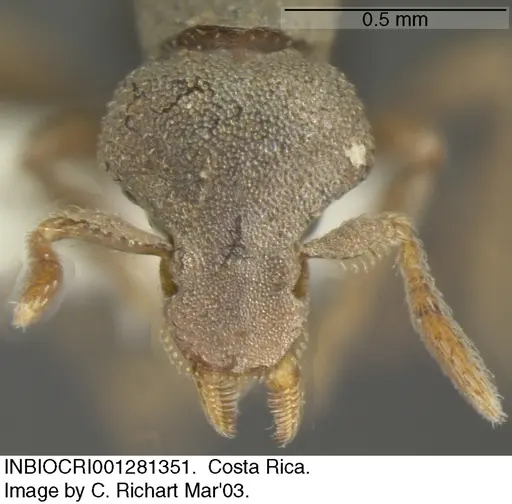
INBIOCRI001283688
View on AntWeb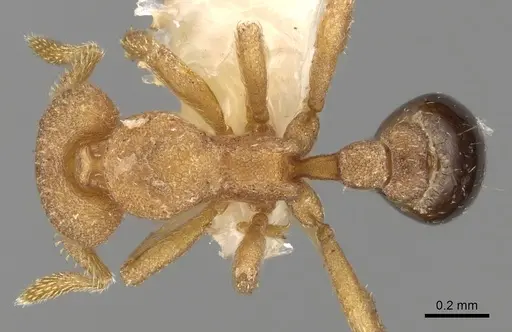
Literature
Loading distribution map...Loading products...