
Strumigenys maynei
- Sci. Name
- Strumigenys maynei
- Tribe
- Attini
- Subfamily
- Myrmicinae
- Author
- Forel, 1916
- Distribution
- Found in 3 countries
Introduction
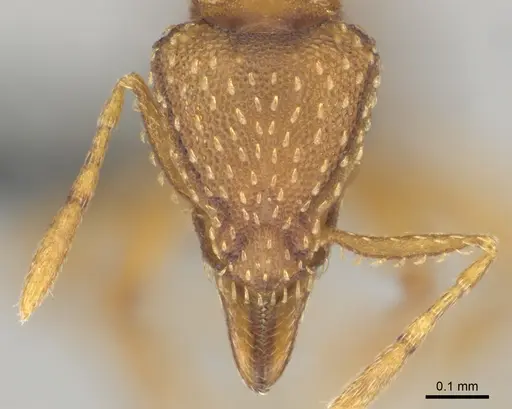
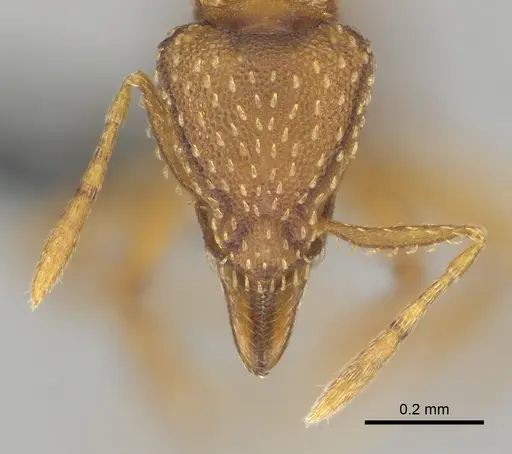
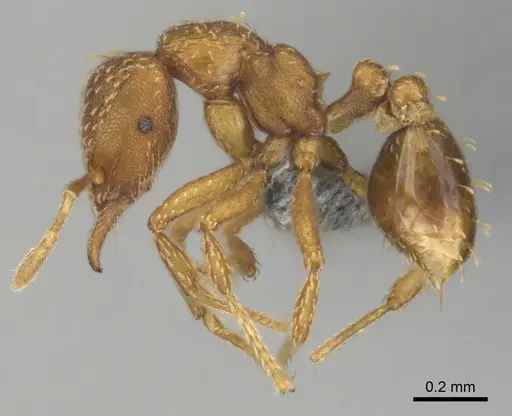
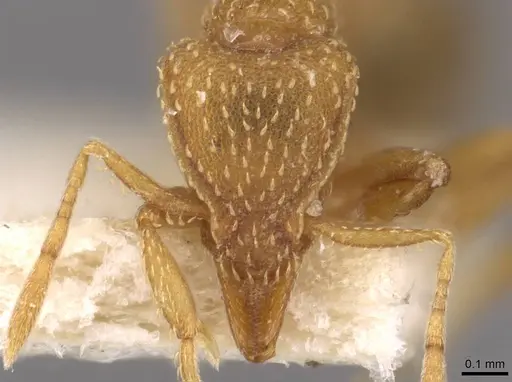
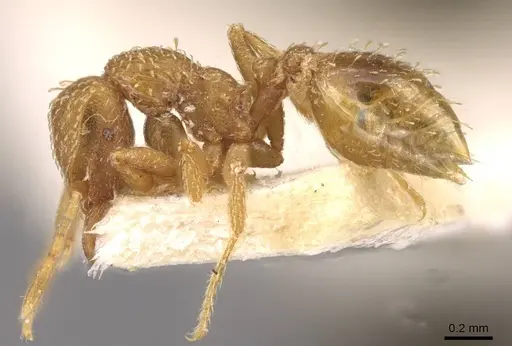
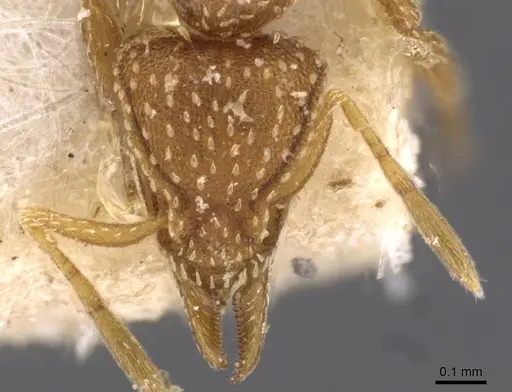
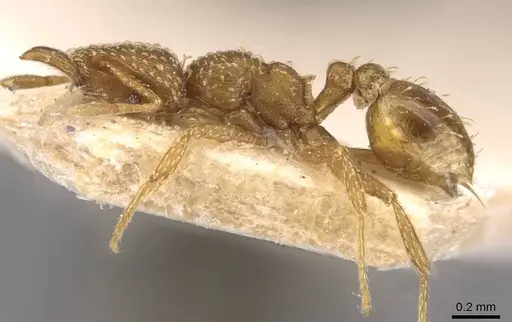
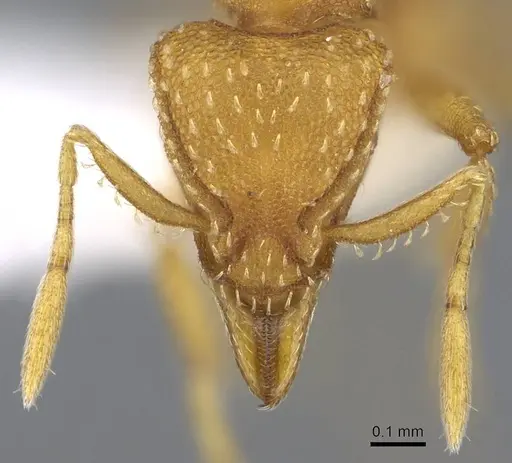
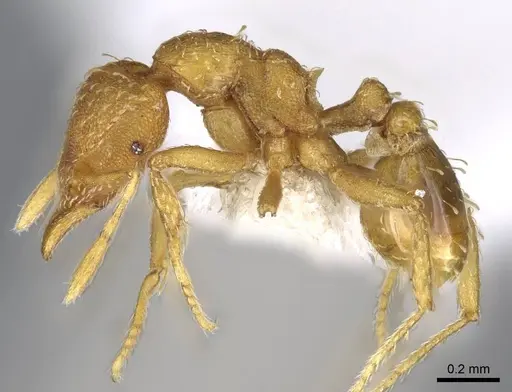
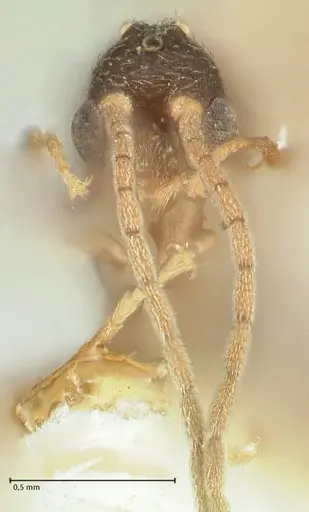
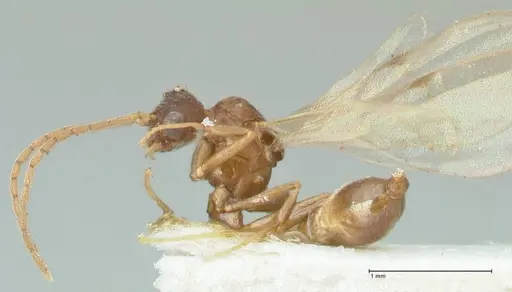
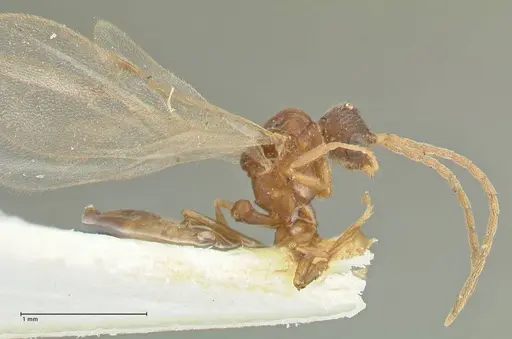
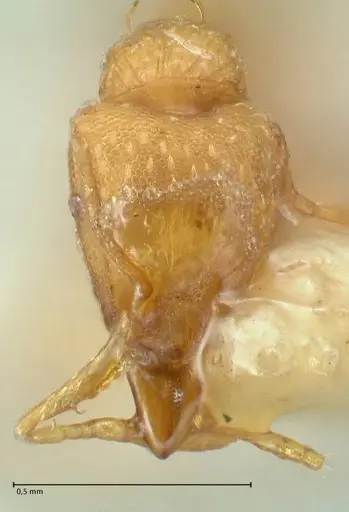
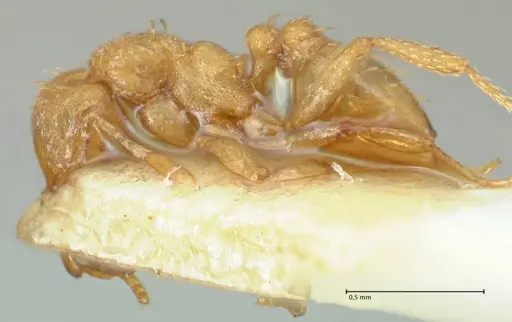
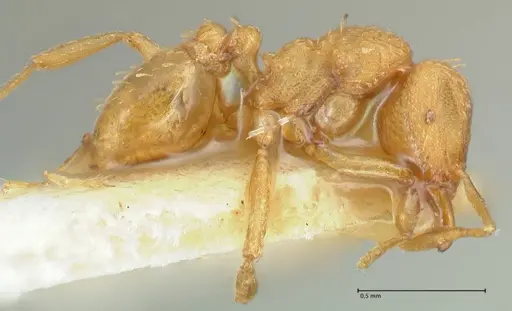
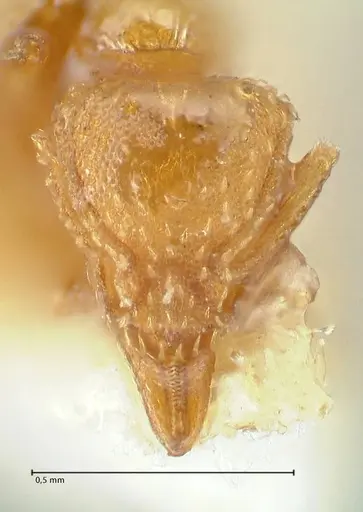
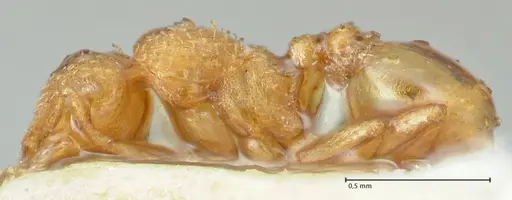
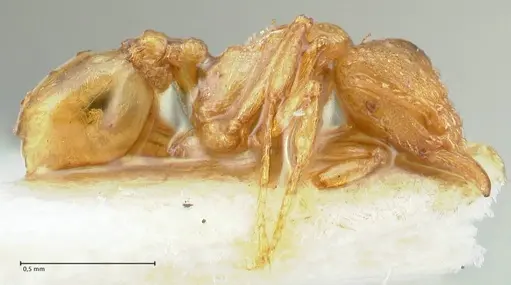
Strumigenys maynei is a tiny predatory ant from West and Central Africa's forest zones . Workers measure 2.3-3.0 mm in total length . They belong to the Strumigenys lujae group and have broad upper scrobe margins, strong costulate pronotal sculpture, and short spatulate ground pilosity – no long flagellate hairs . Color ranges from dull brownish yellow to mid-brown . What makes S. maynei unusual is its parabiotic relationship with the much larger ant Platythyrea conradti (15 mm). They share nests in hollow branches, with S. maynei building its own small galleries connected to P. conradti's chambers . S. maynei provides efficient nest defense against intruders and myrmecophiles , while benefiting from prey that thrives in the organic nest material collected by P. conradti . This association is likely mutualistic .
Quick Summary
- Difficulty: Medium
- Origin & Habitat: West and Central Africa including Ghana, Ivory Coast, Benin, Nigeria, Cameroon, Democratic Republic of Congo, Uganda, Kenya, and also recorded in Madagascar [2]. Nests in leaf litter and rotten wood in forest habitats, and in rot holes in trees up to 1.7 m above ground [2][1].
- Colony Type: Polygyne – multiple queens per colony, though single-queen colonies occasionally occur. All inspected wild colonies had multiple breeding queens and winged sexuals [1].
- Size & Growth:
- Queen: Size data unavailable, workers are 2.3-3.0 mm, and queens likely similar based on species description.
- Worker: 2.3-3.0 mm total length [2]
- Colony: Large numbers of workers (exact maximum unconfirmed) [1]
- Growth: Moderate (estimated – no specific data)
- Development: Unconfirmed for this species. Roughly estimated 6-10 weeks based on related dacetine ants. (Development depends on temperature and humidity.)
- Antkeeping:
- Temperature: Tropical forest species – maintain warm, stable conditions. An estimated target of 24-28 °C is recommended, but no precise range is documented. Avoid drops below 22 °C.
- Humidity: High humidity. Keep nest substrate consistently moist but not waterlogged – mimics damp rotten wood in leaf litter.
- Diapause: No diapause required – tropical species, active year-round.
- Nesting: Prefers tight, humid chambers that mimic rotten wood. Y-tong (AAC) or plaster nests work well. Provide multiple interconnected chambers.
- Behavior: S. maynei is a specialized predator that catches small arthropods like springtails and pseudoscorpions [1]. Workers fiercely defend the nest – they grab intruders by the legs and try to sting, showing strong aggression toward conspecifics from other colonies and any alien ants or myrmecophiles [1]. They forage no further than 10 cm from nest entrances, usually finding food inside the nest or very nearby [1]. Despite their tiny size, they are feisty defenders. Excellent escape prevention is critical due to their 2-3 mm size.
- Common Issues: tiny size makes escapes very likely without fine mesh barriers., specialized predator – requires live small prey (springtails, booklice), standard ant foods may not be accepted., high humidity needs can lead to mold if ventilation is poor., polygyne structure means colonies may have multiple queens, splitting requires caution., sustaining a live food supply can be challenging for small colonies.
Housing and Nest Setup
S. maynei needs tight, humid nest chambers that replicate their natural rotten wood environment [2]. A Y-tong (AAC) formicarium with narrow chambers works well, or a well-moistened plaster nest. The key is high humidity without stagnant air – use adequate ventilation while keeping the substrate damp. Thanks to their tiny 2-3 mm size, excellent escape prevention is a must – standard fine mesh barriers are essential. Provide a shallow water source in the outworld and keep the nest area humid. Multiple connected chambers are recommended, reflecting the gallery network they build when living with Platythyrea conradti [1].
Feeding and Diet
S. maynei is a specialized predator that hunts small arthropods. In the lab they were observed carrying springtails (Collembola: Cyphoderus subsimilis) and pseudoscorpions [1]. Offer live prey small enough for them to handle – springtails, booklice (psocids), and tiny pseudoscorpions are ideal. They rarely scavenge and prefer to hunt. Some keepers report success with small pieces of insect matter, but live prey should be the staple. Foraging is very restricted – they were never seen further than 10 cm from the nest entrance [1]. Place prey close to the nest entrance.
Temperature and Seasonal Care
As a tropical forest species from West and Central Africa, S. maynei requires warm conditions year-round. Maintain stable temperatures around 24-28 °C – this is an estimated range, not precisely documented. Avoid drops below 22 °C, which could slow their metabolism. No hibernation or diapause is needed – they stay active year-round in stable tropical conditions. Use a heating cable on one side of the nest to create a gradient, but place it on top of the nest rather than underneath to avoid drying the substrate too quickly. [1]
Colony Structure and Social Organization
S. maynei is polygynous – colonies typically contain multiple queens, but single-queen colonies are occasionally found [1]. In one study all ten wild colonies inspected were polygynous with multiple breeding queens and winged sexuals [1]. This means your colony may have several reproductives. Workers are highly aggressive toward conspecifics from other colonies but show limited aggression toward Platythyrea conradti from the same nest [1]. If you keep multiple colonies, keep them well separated to prevent fights. The species has a distinct cuticular hydrocarbon profile from P. conradti but shares 30 hydrocarbon peaks, which likely helps them coexist peacefully [1].
Defense and Behavior
Despite being only 2.5 mm long, S. maynei are fierce defenders. They show strong aggression toward myrmecophiles and alien ants of any size – they typically grab an intruder by the legs and try to sting [1]. This makes them highly effective at intranidal defense, protecting both their own colony and their larger host P. conradti from parasites and intruders [3]. Workers never solicit food from other species, and no interspecific grooming was observed – the relationship is purely defensive [1]. In your setup, you will see workers readily defend against any perceived threat, including your feeding tools if you are not careful.
Frequently Asked Questions
Can I keep Strumigenys maynei in a test tube?
A test tube can work for starting a colony, but S. maynei needs high humidity and tight chambers. A well-moistened plaster nest or Y-tong formicarium is better long-term. If using a test tube, keep the cotton damp and consider connecting a second tube for extra space.
What do Strumigenys maynei eat?
They are specialized predators of tiny arthropods. Feed live springtails, booklice, and small pseudoscorpions. They rarely scavenge and prefer to hunt. Acceptance of sugar sources is uncertain – they are predators, not honeydew feeders.
How long until first workers in Strumigenys maynei?
Exactly development time is unconfirmed for this species. Based on related dacetine ants, a rough estimate is 6-10 weeks from egg to worker at optimal warm temperatures (24-28 °C). This is not documented.
Are Strumigenys maynei good for beginners?
This is a medium-difficulty species. Their specialized predatory diet and high humidity needs make them more challenging than common beginners' species like Lasius or Tetramorium. They require live small prey and stable warm, humid conditions.
Can I keep multiple queens together in Strumigenys maynei?
Yes – this species is naturally polygynous, so colonies typically have multiple queens. Wild colonies are frequently found with multiple breeding queens. However, combining unrelated foundresses has not been documented and carries risks.
How big do Strumigenys maynei colonies get?
Colonies produce large numbers of workers [1]. Exact maximums are not documented, but related Strumigenys species can reach several hundred workers. Their polygynous structure supports larger colony sizes.
Do Strumigenys maynei need hibernation?
No – being a tropical African species, they do not require hibernation. Keep them at warm temperatures (24-28 °C estimated) year-round without seasonal cooling.
Why are my Strumigenys maynei dying?
Common causes include: temperature too cold (below 22 °C), humidity too low or too high (leading to mold), lack of live small prey, and escape due to inadequate barriers. Check that prey items are small enough for these tiny predators.
Report an Issue
The current care sheet is based fully on literature. See inconsistencies, or something that's incorrect? Please , it will be resolved after review from an admin. Contributing to the blogs tab also helps providing information, to make us be able to further improve the caresheets. Thank you for your support!
References

This caresheet is licensed under CC BY-SA 4.0 .
Community Blogs
CASENT0217921
View on AntWeb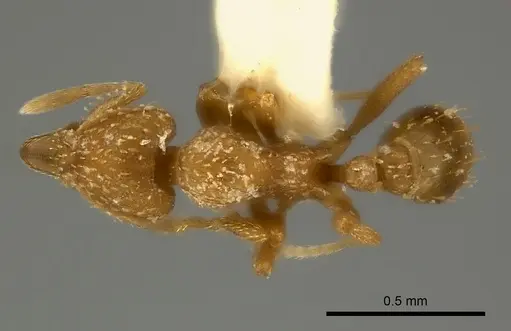
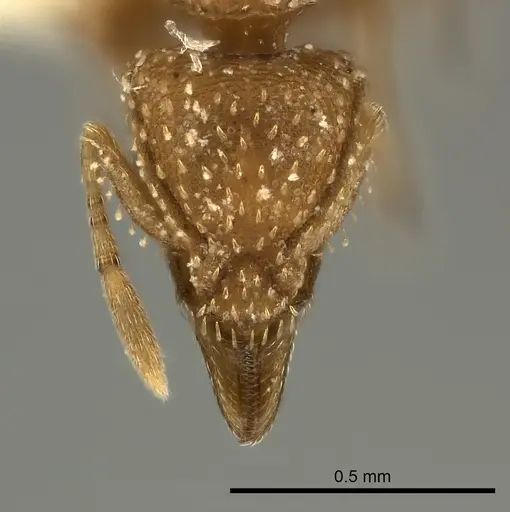
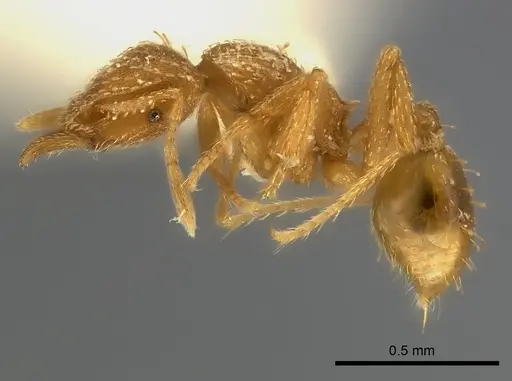
CASENT0815806
View on AntWeb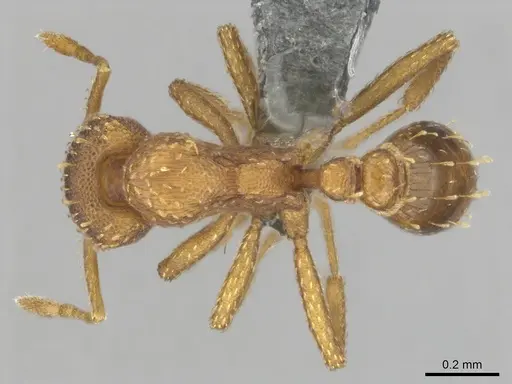
CASENT0909335
View on AntWeb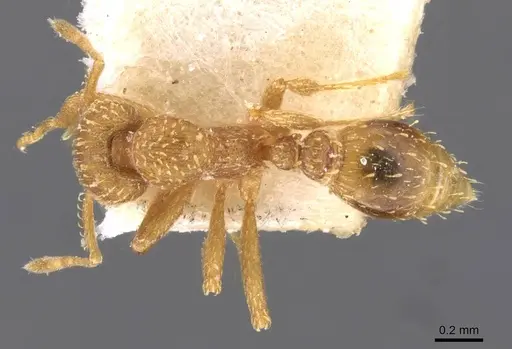
CASENT0909336
View on AntWeb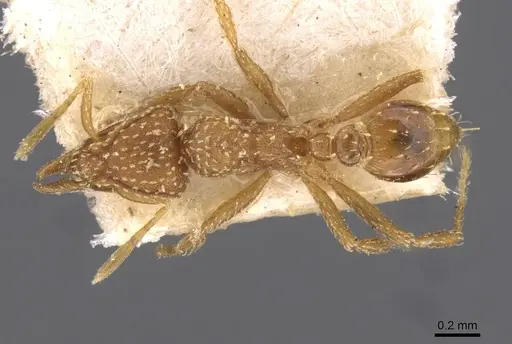
CASENT0914719
View on AntWeb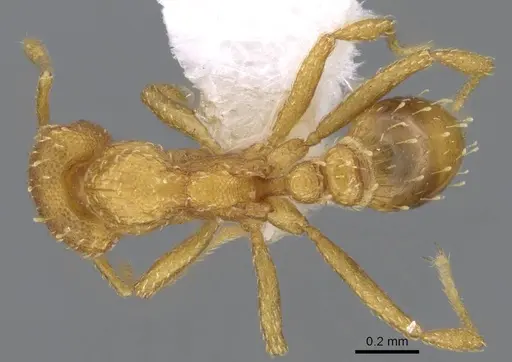
FOCOL2165
View on AntWeb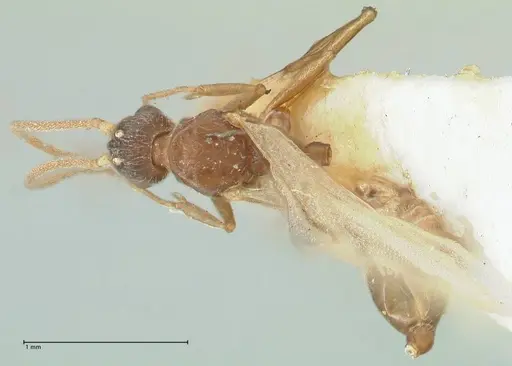
FOCOL2166
View on AntWeb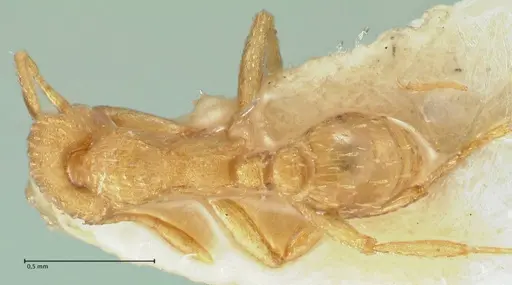
FOCOL2167
View on AntWeb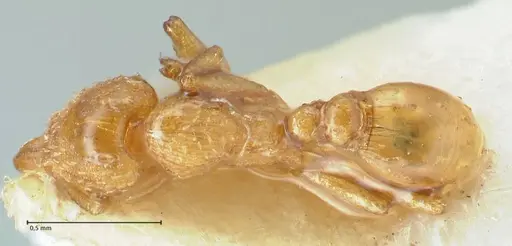
Literature
Loading distribution map...Loading products...