
Strumigenys marginiventris
- Sci. Name
- Strumigenys marginiventris
- Tribe
- Attini
- Subfamily
- Myrmicinae
- Author
- Santschi, 1931
- Distribution
- Found in 4 countries
Introduction
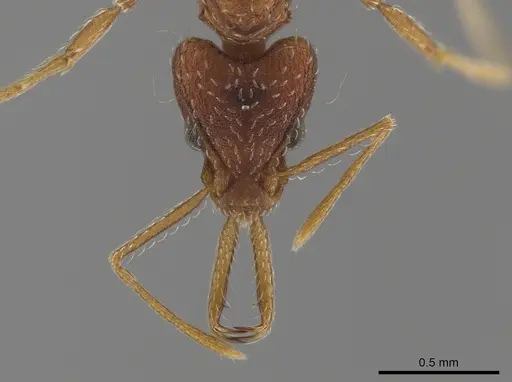
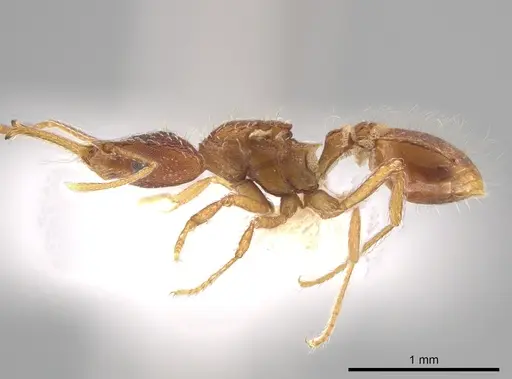
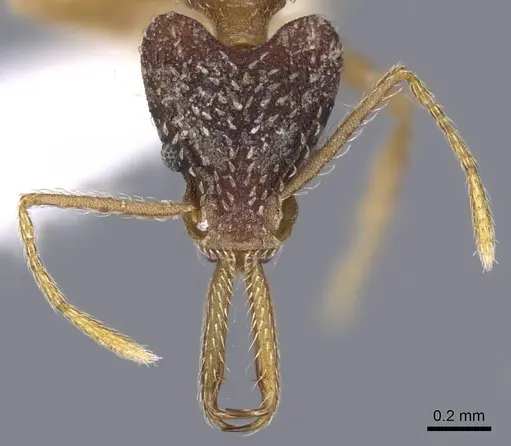
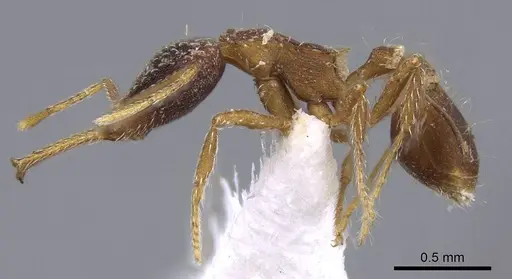
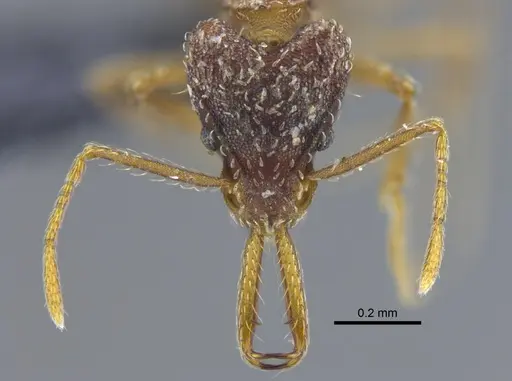
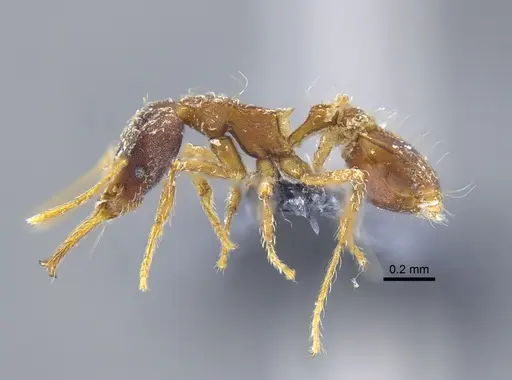
Strumigenys marginiventris is a tiny predatory ant, with workers measuring 2.8–3.1 mm in total length . They are easy to recognize by the sharp raised ridges on the sides of the first gaster segment, a broad lamella on the propodeum, and long flagellate hairs on the gaster . This species lives across the Neotropical region, from Costa Rica and Panama to Colombia, Venezuela, and Honduras . Unlike many forest-floor Strumigenys, it prefers open spaces – nesting in soil along paths and clearings in rainforests and plantations, and foraging over the ground among leaves and herbs both day and night . They are specialized predators with a functional stinger, but it is not medically significant to humans.
Quick Summary
- Difficulty: Medium
- Origin & Habitat: Neotropical region: Colombia (Bolívar, Cesar, Chocó, Huila, Magdalena, Santander, Sucre, Tolima), Costa Rica, Honduras, Panama, Venezuela [2][1]. Found in open areas within rainforest and plantations. Nests in soil, often in paths or clearings. Workers forage on the ground among leaf litter and herbs during both day and night [1].
- Colony Type: Unconfirmed. Based on related Strumigenys species, likely single-queen colonies. No data on replacement reproductives or polygyny for this species.
- Size & Growth:
- Queen: Described but measurements not available [1] – queen size unknown.
- Worker: 2.8–3.1 mm (total length) [1]
- Colony: Unknown – no data available
- Growth: Unknown – inferred to be slow to moderate based on typical Strumigenys development
- Development: Unknown – estimated 6–10 weeks based on related Dacetini species at tropical temperatures (No direct data exists for S. marginiventris. Growth likely temperature-dependent, expect slow colony buildup.)
- Antkeeping:
- Temperature: Keep at 24–28°C – these are tropical ants that need warm conditions. Provide a gradient so workers can choose cooler areas around 22°C. Avoid temperatures below 20°C. (Inferred from tropical distribution.)
- Humidity: High humidity required. Keep the nest substrate consistently moist but not waterlogged. A well‑humidified plaster or soil nest works well. (Based on typical habitat preferences [1].)
- Diapause: No – this is a tropical species with no winter diapause. Maintain warm, humid conditions year-round [1].
- Nesting: Naturalistic soil setups mimic their wild nests. Use a plaster nest or a terrarium with moist substrate and leaf litter. Provide a shallow water reservoir. Escape prevention is critical due to their tiny size.
- Behavior: Workers forage individually on the ground, hunting micro-arthropods. They are active both day and night [1]. Despite being Myrmicinae with a functional stinger, the sting is not medically significant and they pose no threat to humans. The main challenge for keepers is their extremely small size – they are expert escape artists. They are not aggressive toward humans.
- Common Issues: escape prevention is critical – they are under 3 mm and will squeeze through standard gaps, requiring fine mesh (≤0.5 mm) and fluon barriers, slow colony growth requires patience, months may pass before the first nanitics appear, strict live micro-prey diet – they will not accept dead insects or sugary foods, humidity control is essential – too dry desiccates the colony, too wet promotes mold, wild-caught colonies may carry parasites or pathogens that can devastate the colony in captivity
Housing and Nest Setup
Strumigenys marginiventris nests in soil in the wild [1], so a naturalistic setup works best. Use a well‑humidified plaster nest or a small terrarium with a layer of moist substrate. The nest should retain humidity well – a shallow water reservoir at the bottom helps. Because these ants are tiny (under 3 mm), escape prevention is absolutely critical. Cover all ventilation openings with fine mesh (0.5 mm or smaller) and apply fluon or a similar barrier to the top edge of the outworld. A test tube setup can be used during founding, but ensure the cotton plug remains damp without flooding. Once the colony grows, transfer to a larger setup with leaf litter and moss for enrichment. Keep the setup warm (24–28°C) and humid year‑round, as this species does not enter diapause [1].
Feeding and Diet
Strumigenys marginiventris is a specialized predator that hunts live micro-arthropods [1]. They will not accept dead or processed foods. The ideal staple is live springtails (Collembola). Other suitable prey includes tiny isopods, booklice, and fruit fly larvae. Offer small prey every 2–3 days, adjusting based on how quickly the colony consumes it. Remove any uneaten prey after 24 hours to prevent mold. They do not accept sugar water, honey, or protein flakes – this species is an obligate carnivore. A well‑fed colony will have active workers with plump gasters.
Behavior and Colony Dynamics
Workers forage singly across the ground, using their mandibles to capture tiny prey. They are active both day and night [1]. Despite having a functional stinger (typical for Myrmicinae), the sting is not painful to humans and the ants are not aggressive. The biggest challenge is their size – even the smallest gap in the setup will be exploited, so escape prevention must be meticulous. Colony growth is likely slow, Strumigenys colonies typically take months to reach even a few dozen workers. Be patient during the founding stage – it may take 6–10 weeks for the first workers to appear at optimal temperatures. Once the colony is established, you can observe their fascinating hunting behavior as workers stalk springtails and other tiny prey.
Frequently Asked Questions
How long does it take for Strumigenys marginiventris to raise first workers?
The exact timeline is unconfirmed for this species, but based on typical Dacetini development, expect 6–10 weeks from egg to first worker at optimal tropical temperatures (26–28°C). Founding colonies may take longer if temperatures are suboptimal. Be patient – slow growth is normal for this genus.
Can I keep Strumigenys marginiventris in a test tube?
Yes, test tubes work for founding colonies. Keep the water reservoir small to prevent flooding, and maintain high humidity by ensuring the cotton stays damp. However, test tubes limit space for foraging – transfer to a naturalistic setup once the colony reaches 20–30 workers. Escape prevention is critical regardless of setup.
What do Strumigenys marginiventris ants eat?
They are specialized predators that need live micro-prey. Small springtails are the ideal staple food. Other options include tiny isopods, booklice, and fruit fly larvae. They will not accept dead food or standard ant foods. This is an obligate predator species [1].
Are Strumigenys marginiventris good for beginners?
This species is rated as medium difficulty. While not impossible, they have specific requirements: live prey diet, high humidity, tropical temperatures, and excellent escape prevention due to their tiny size. Beginners should ensure they can commit to these requirements before acquiring a colony.
Do Strumigenys marginiventris need hibernation?
No, this is a tropical species with no diapause requirement. Keep them warm and humid year-round. Temperatures below 20°C can stress colonies and harm brood development [1].
Why are my Strumigenys marginiventris escaping?
Their tiny size (under 3 mm) makes them expert escape artists. Standard barrier methods often fail. Use fine mesh (at least 0.5 mm or smaller), apply fluon to all rim edges, and check for any gaps in your setup. Even the smallest crack will be found.
How big do Strumigenys marginiventris colonies get?
Colony size data is not available for this specific species, but based on related Dacetini, colonies likely reach a few hundred workers over time. Growth is slow to moderate – do not expect rapid expansion.
Can I keep multiple Strumigenys marginiventris queens together?
Combining unrelated queens has not been documented for this species. Based on typical Strumigenys behavior, single-queen colonies are likely. Do not attempt pleometrosis unless you have specific evidence it works for this species.
What temperature is best for Strumigenys marginiventris?
Keep nest temperatures at 24–28°C. A gradient allowing workers to choose their preferred zone is ideal. Avoid temperatures below 20°C. Room temperature alone is often insufficient – supplemental heating is usually needed.
Report an Issue
The current care sheet is based fully on literature. See inconsistencies, or something that's incorrect? Please , it will be resolved after review from an admin. Contributing to the blogs tab also helps providing information, to make us be able to further improve the caresheets. Thank you for your support!
References

This caresheet is licensed under CC BY-SA 4.0 .
Community Blogs
CASENT0636969
View on AntWeb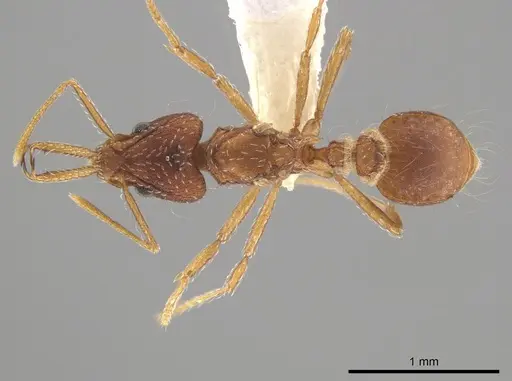
CASENT0912859
View on AntWeb
CASENT0914744
View on AntWeb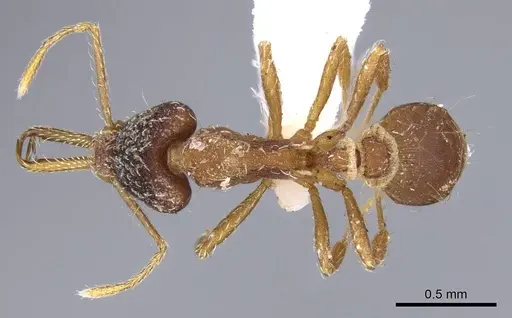
CBUMAGENT41691
View on AntWeb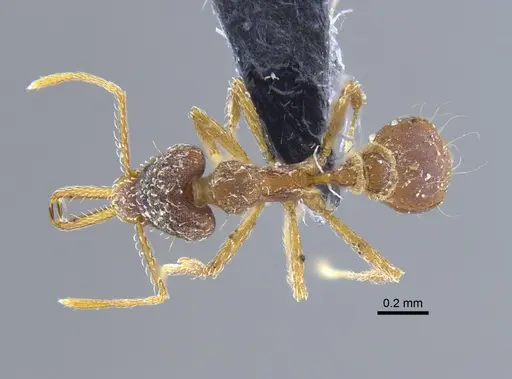
Literature
Loading distribution map...Loading products...