
Strumigenys lujae
- Sci. Name
- Strumigenys lujae
- Tribe
- Attini
- Subfamily
- Myrmicinae
- Author
- Forel, 1902
- Distribution
- Found in 5 countries
Introduction
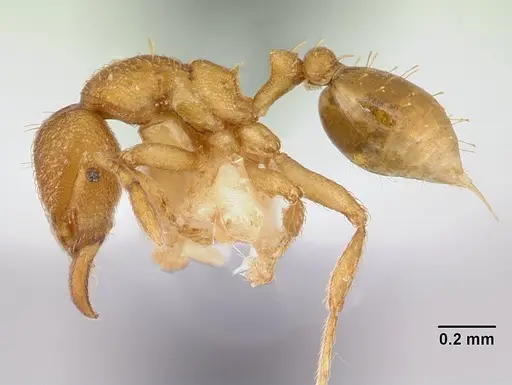
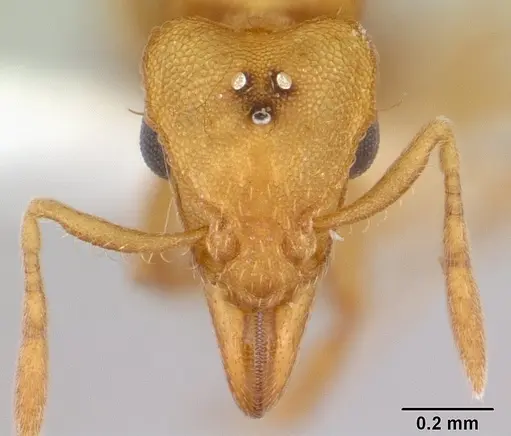
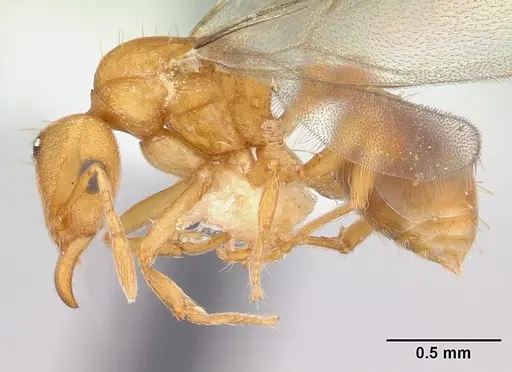
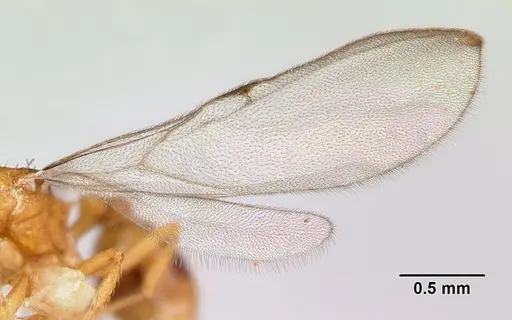
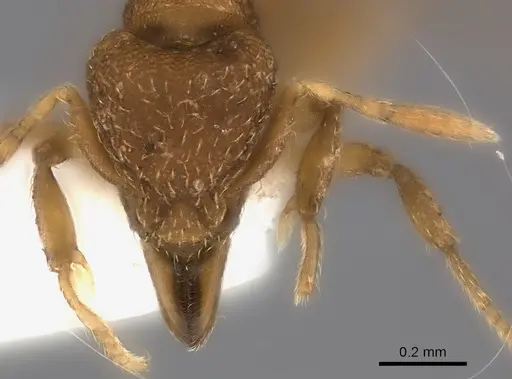
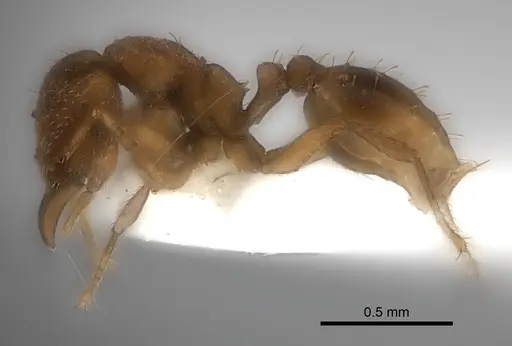
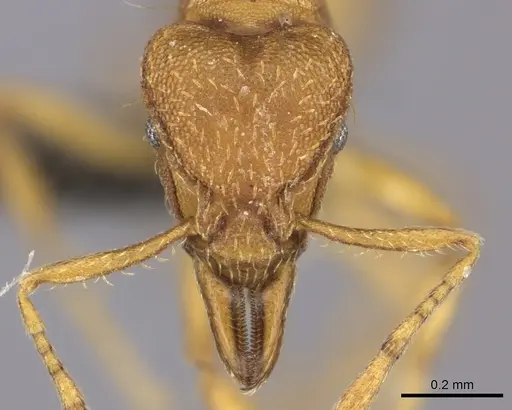
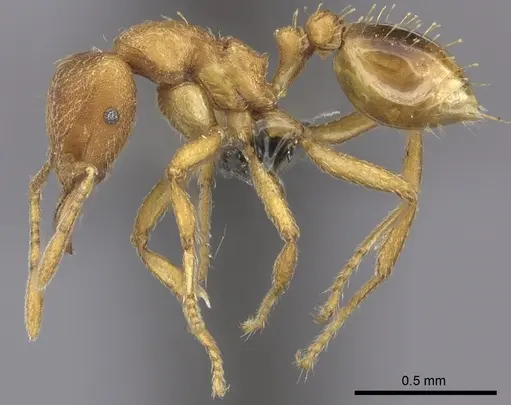
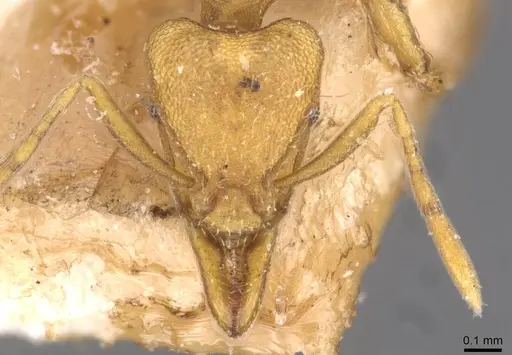
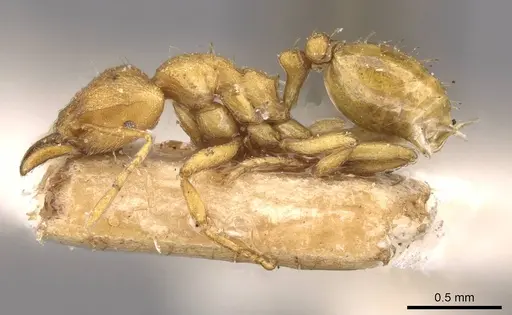
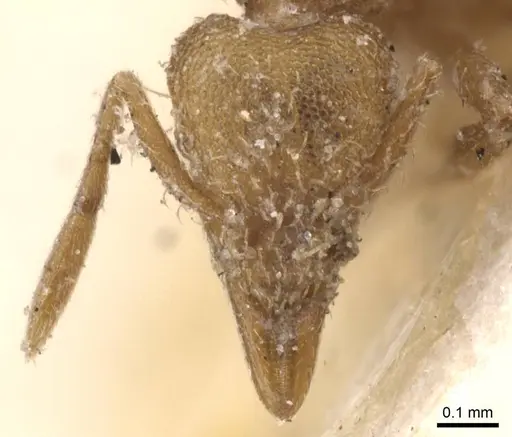
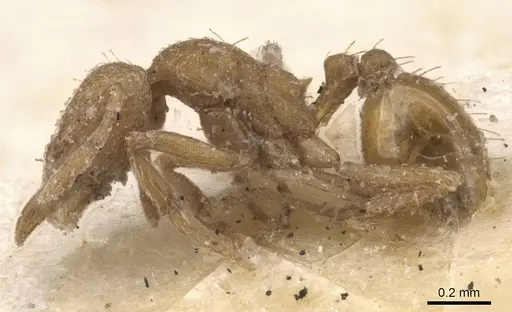
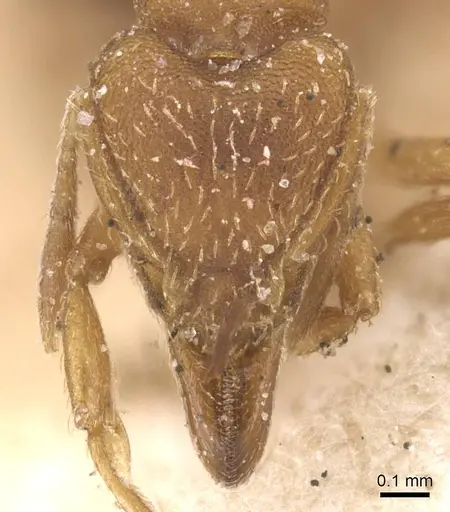
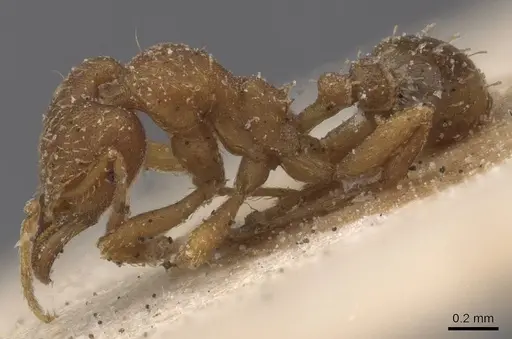
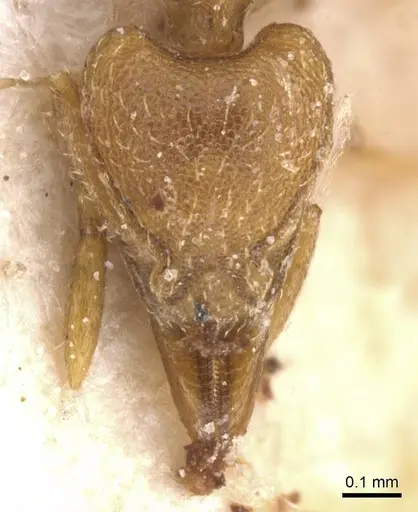
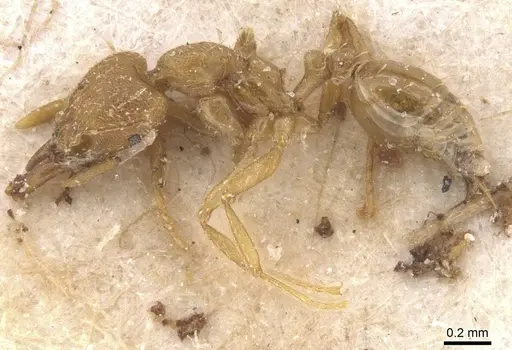
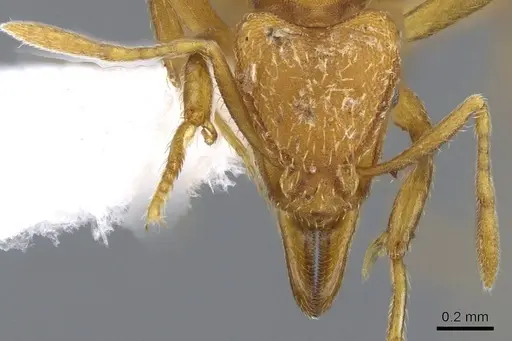
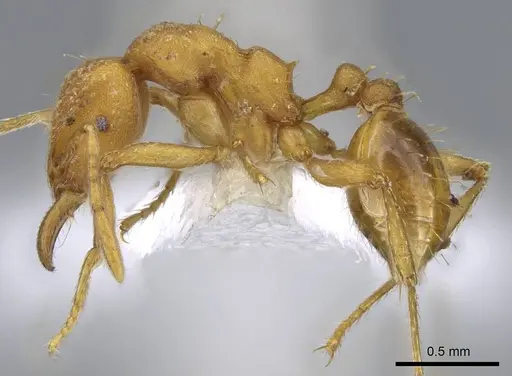
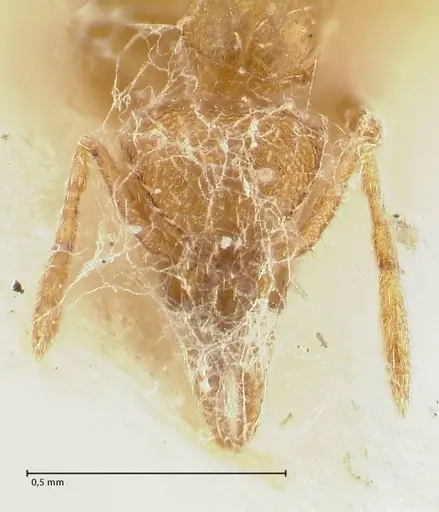
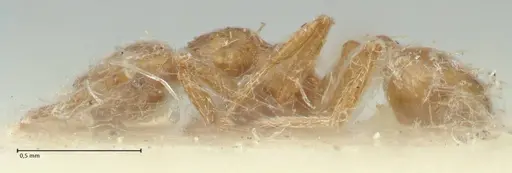
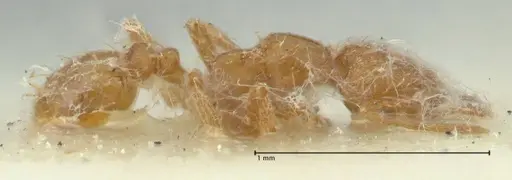
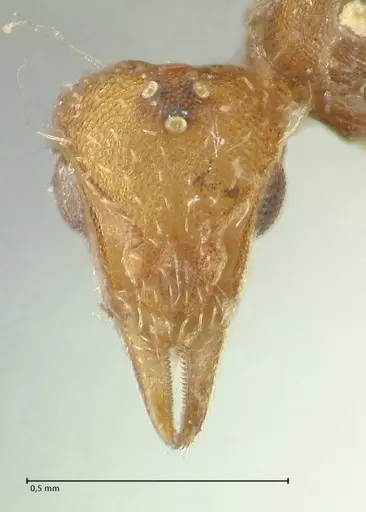
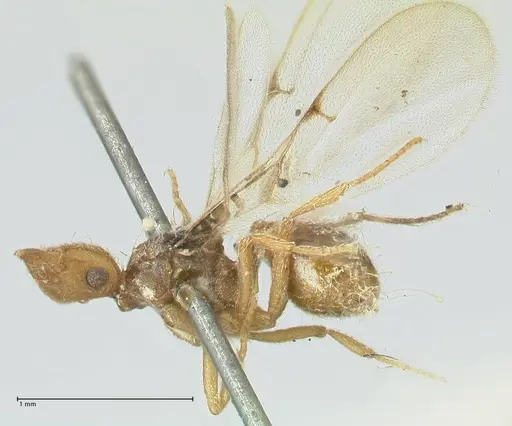
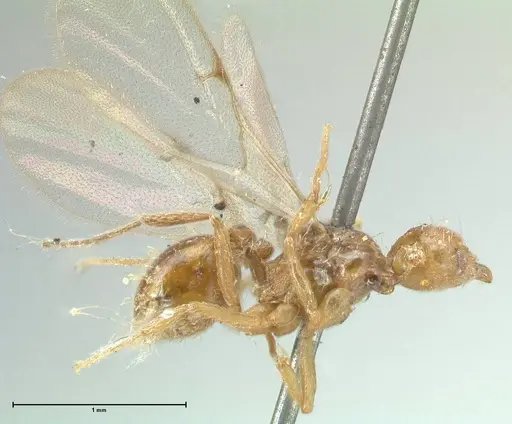
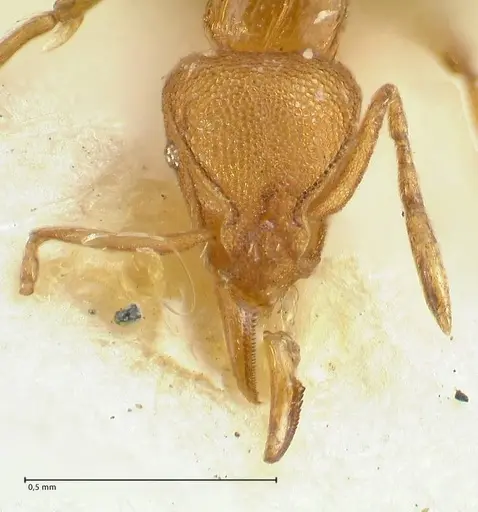
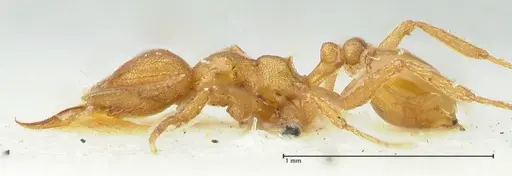
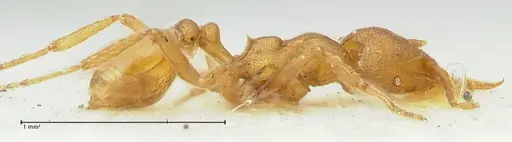
Strumigenys lujae is a tiny predatory ant from African rainforests. Workers are 2.2-3.3 mm long and yellow to medium brown, with long mandibles used to catch springtails . They hunt alone in leaf litter and rotten wood . Colonies often have multiple queens, up to five have been found in big nests, and can hold up to 300 workers . This species is tough to keep because it needs live springtails and high humidity, but their hunting style is unique.
Quick Summary
- Difficulty: Expert
- Origin & Habitat: Widespread across the Afrotropical region: Angola, Cameroon, Democratic Republic of Congo, Ghana, Ivory Coast, Kenya, Nigeria, Rwanda, South Africa, Tanzania, Uganda, Zimbabwe, and others. They live in rotten wood and leaf litter in equatorial rainforests and gallery forests [1].
- Colony Type: Polygynous, multiple queens (up to 5 documented in natural nests) [1].
- Size & Growth:
- Queen: Unknown, not measured in available sources.
- Worker: 2.2-3.3 mm (total length) [1]
- Colony: Up to 300 workers in natural nests [1]
- Growth: Slow
- Development: Unknown, likely 6-10 weeks based on typical Myrmicinae development at tropical temperatures (No specific data available for this species.)
- Antkeeping:
- Temperature: Maintain warm conditions around 24-28°C (inferred from tropical forest habitat) [2][4]
- Humidity: Keep the nest substrate consistently moist but not waterlogged. Provide a humidity gradient with damp leaf litter [1]
- Diapause: No, as a tropical species they do not hibernate, keep warm year‑round [1]
- Nesting: Naturalistic setups work best: rotten wood, damp soil‑sand mix, and leaf litter. Use fine mesh for ventilation to prevent escapes [1]
- Behavior: These ants are solitary hunters, each worker searches independently for springtails in leaf litter [2][3]. They have a functional stinger (subfamily trait) but are not aggressive to humans. Their tiny size (under 4 mm) makes escape prevention critical, they can slip through very small gaps. They are slow‑moving compared to many ants and rely on their mandibles to catch prey.
- Common Issues: specialised diet, they need live springtails, which are hard to culture in enough quantity, tiny size, escape prevention must be airtight, use fine mesh and sealed joints, high humidity requirements can cause mold if ventilation is poor, colony growth is slow, which may frustrate keepers expecting quick expansion
Housing and Nest Setup
Strumigenys lujae needs a naturalistic setup that mimics its forest floor home. They nest in rotten wood and leaf litter, so use a container with damp soil‑sand mix, pieces of rotting wood, and a thick layer of leaf litter [1]. Because workers are under 4 mm, escape prevention is critical, seal all gaps and use fine mesh on ventilation. A small formicarium with tiny chambers can work, but many keepers prefer a bioactive outworld with plenty of hunting space. Aim for high humidity while allowing some airflow to stop mold.
Feeding and Diet - The Critical Challenge
This is the hardest part of keeping S. lujae. They are specialised predators that hunt almost exclusively for springtails (collembolans) [2][4]. In the wild, single workers carry back springtails about their own size [1]. In captivity you must culture live springtails as the main food. Other tiny arthropods might be accepted, but springtails should form the bulk of their diet. Do not rely on sugar water or standard ant feed, these ants are obligate predators. Culturing springtails takes a separate setup, which adds complexity.
Temperature and Humidity
As tropical rainforest ants, S. lujae needs warm, damp conditions. Keep the temperature at 24-28°C (inferred from their equatorial habitat) [2][4]. High humidity is essential, the forest floor is constantly moist. Keep the substrate damp but not waterlogged, and offer a drier area so the ants can choose their microclimate. Avoid both stagnant air (mold) and strong airflow (drying). A heating cable on the side or top of the nest helps maintain warmth without drying the nest too fast.
Foraging Behavior
S. lujae uses solitary foraging, each worker hunts alone [3]. When they find a wet patch where springtails gather, they switch to area‑concentrated searching [2][4]. Workers have been seen following trails on logs, spaced 4-10 cm apart, each carrying a springtail back to the nest [1]. In captivity, provide a big outworld with scattered leaf litter, moss, and hiding spots to give them hunting territory. If workers seem sluggish, check the temperature and add damp areas.
Colony Structure
S. lujae is polygynous, colonies naturally have multiple queens. Large wild nests contain up to five queens and around 300 workers [1]. Males often appear as fully pigmented adults while most females are still pupae. This is different from many ants that have only one queen. For keepers, this means you might need to provide space for several egg‑laying queens. Colony growth is slow, and established nests sometimes host small staphylinid beetles (myrmecophiles), that’s normal [1].
Frequently Asked Questions
Can I keep Strumigenys lujae in a test tube?
A test tube alone is not enough, these ants need space to hunt. A naturalistic setup with damp substrate, leaf litter, and rotten wood is much better [1]. You can start a small colony in a test tube for founding, but move them to a larger setup as soon as first workers appear.
What do Strumigenys lujae eat?
They eat almost exclusively live springtails (collembolans) [2][4]. This is critical, they are specialised predators and will not survive on standard ant food. You must culture your own springtails or buy them regularly. Very small arthropods may be accepted, but springtails should be the main food.
How long does it take for first workers to appear?
The exact time is unknown. Based on typical Myrmicinae development at tropical temperatures (24-28°C), expect roughly 6-10 weeks from egg to worker. Growth is slow because of the specialised diet.
Are Strumigenys lujae good for beginners?
No, this is an expert‑level species. The combination of a strict live‑springtail diet, high humidity needs, tiny size (high escape risk), and slow growth makes them very challenging. They are best for experienced keepers who can maintain springtail cultures and stable conditions.
Do Strumigenys lujae need hibernation?
No, they are tropical ants from the African equatorial belt and do not hibernate. Keep them warm year‑round (24-28°C) [1].
How big do Strumigenys lujae colonies get?
In the wild, colonies reach up to 300 workers with up to 5 queens [1]. In captivity, expect moderate‑sized colonies that grow slowly due to their specialised diet.
Why are my Strumigenys lujae dying?
Most likely causes: lack of live springtails (they starve without their natural prey), humidity too low (they need damp conditions), temperature below 24°C (they need warmth), or escapes (they are tiny). Check each factor. Also ensure ventilation is adequate to stop mold while keeping humidity high.
Report an Issue
The current care sheet is based fully on literature. See inconsistencies, or something that's incorrect? Please , it will be resolved after review from an admin. Contributing to the blogs tab also helps providing information, to make us be able to further improve the caresheets. Thank you for your support!
References

This caresheet is licensed under CC BY-SA 4.0 .
Community Blogs
CASENT0096113
View on AntWeb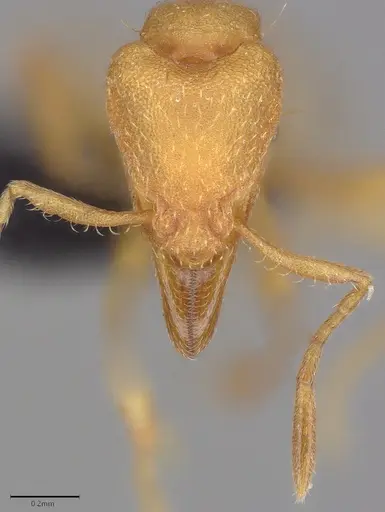
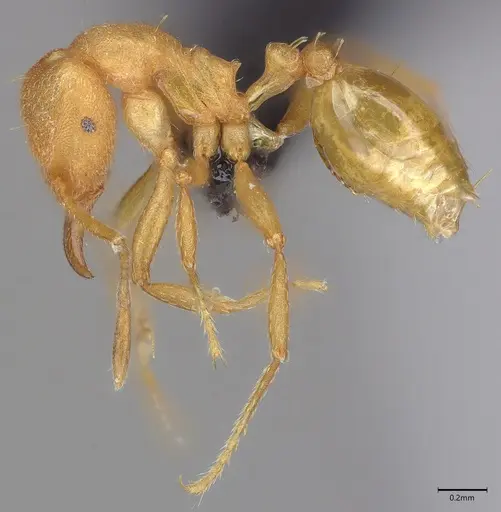
CASENT0178312
View on AntWeb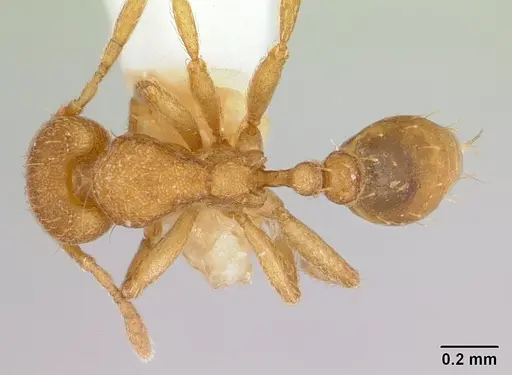
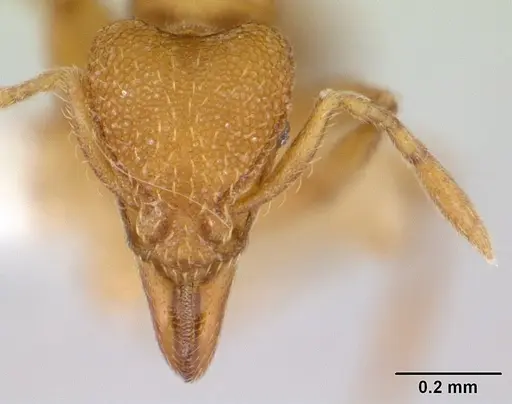
CASENT0178313
View on AntWeb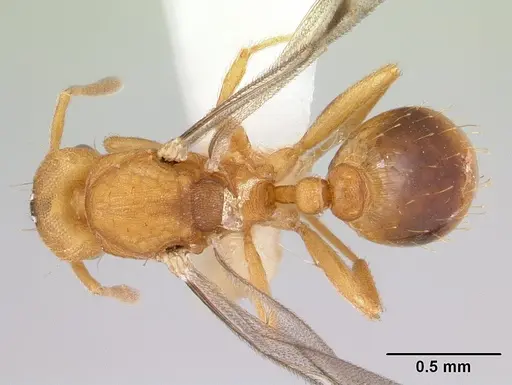
CASENT0217194
View on AntWeb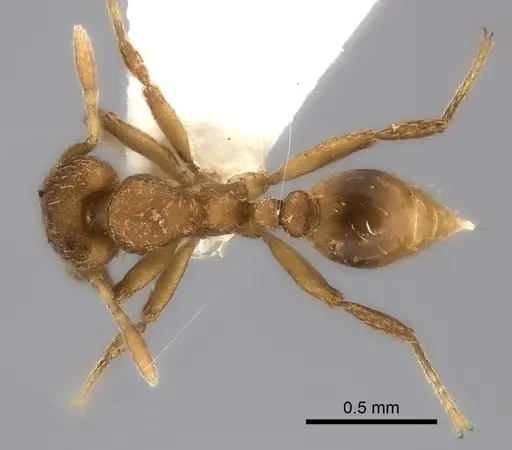
CASENT0235693
View on AntWeb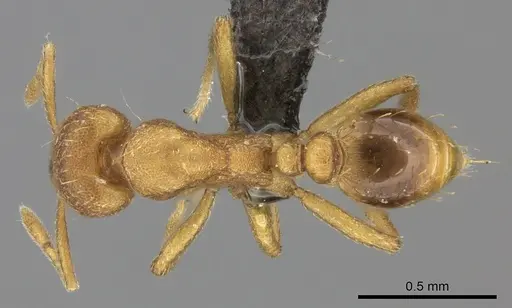
CASENT0359652
View on AntWeb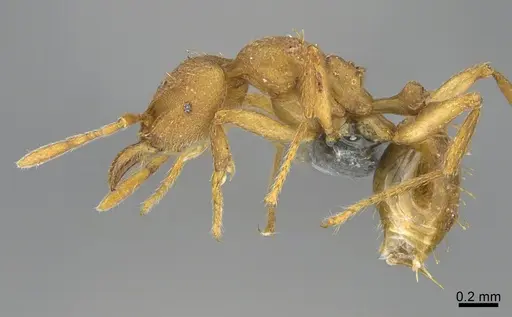
CASENT0909334
View on AntWeb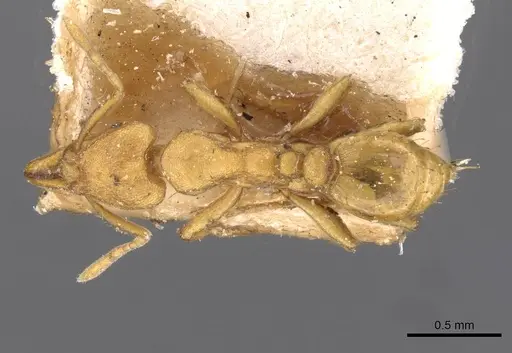
CASENT0912837
View on AntWeb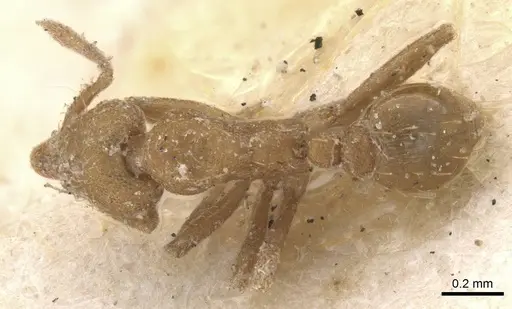
CASENT0912838
View on AntWeb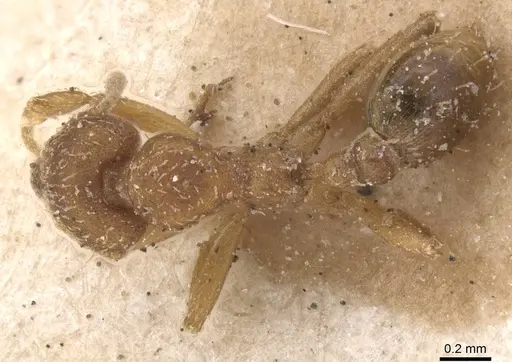
CASENT0912839
View on AntWeb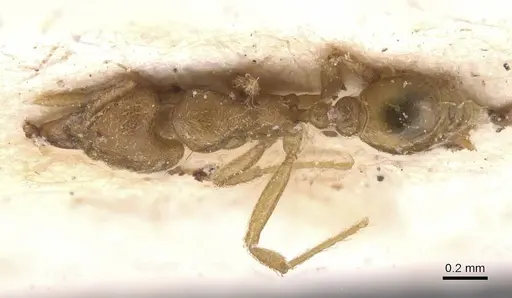
CASENT0914716
View on AntWeb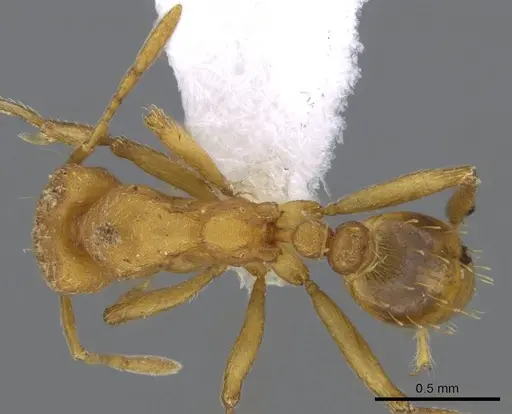
FOCOL2152
View on AntWeb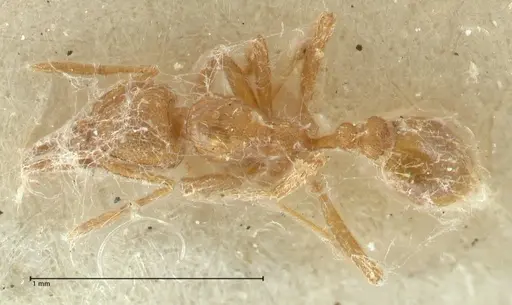
FOCOL2153
View on AntWeb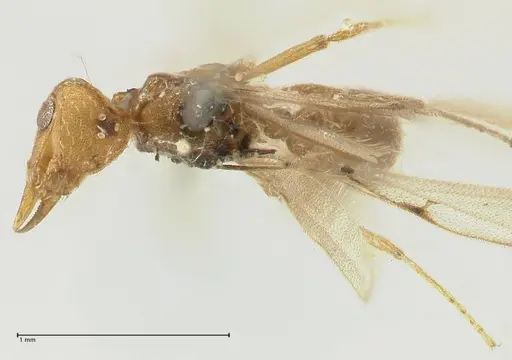
FOCOL2154
View on AntWeb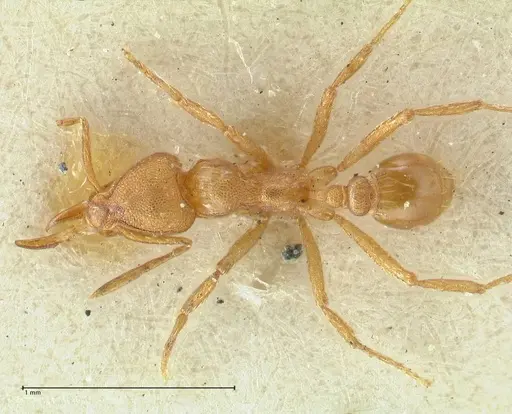
Literature
Loading distribution map...Loading products...