
Strumigenys ludia
- Sci. Name
- Strumigenys ludia
- Tribe
- Attini
- Subfamily
- Myrmicinae
- Author
- Mann, 1922
- Distribution
- Found in 5 countries
Introduction
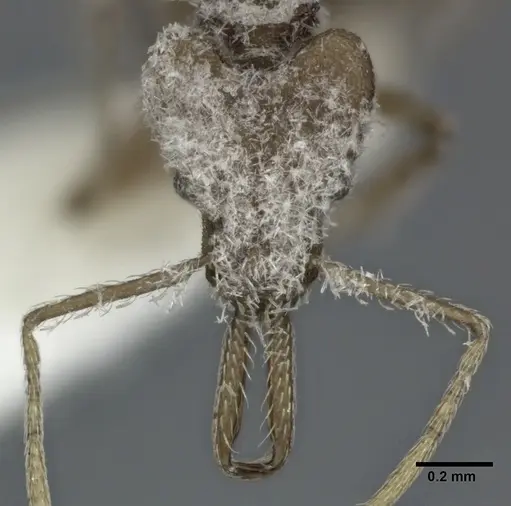
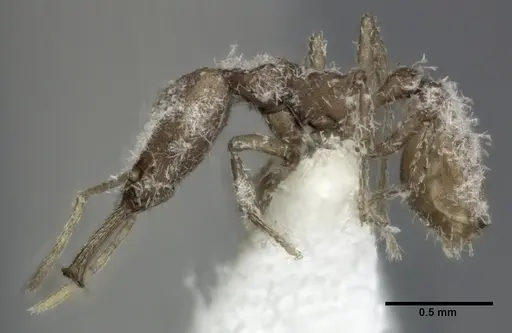
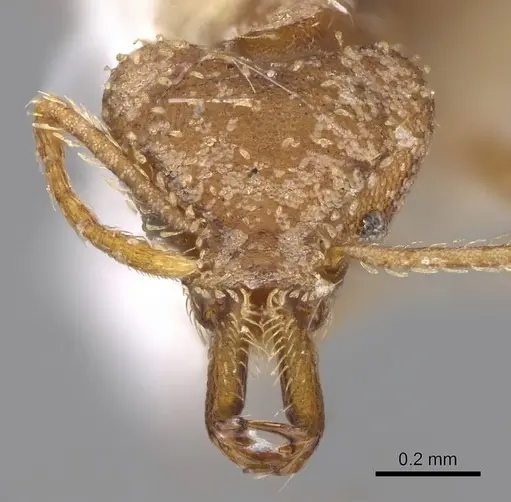
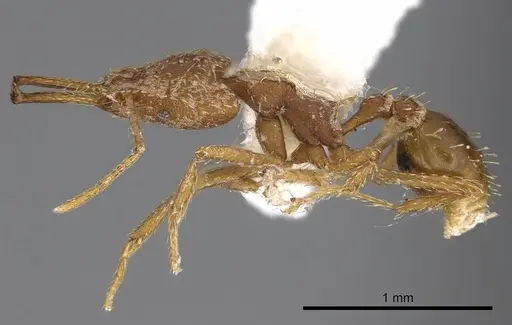
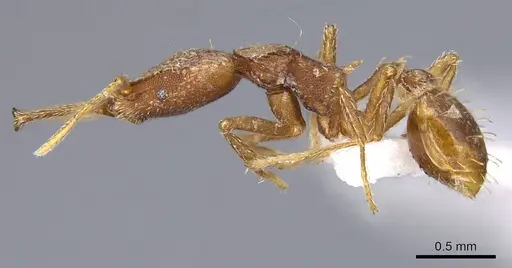
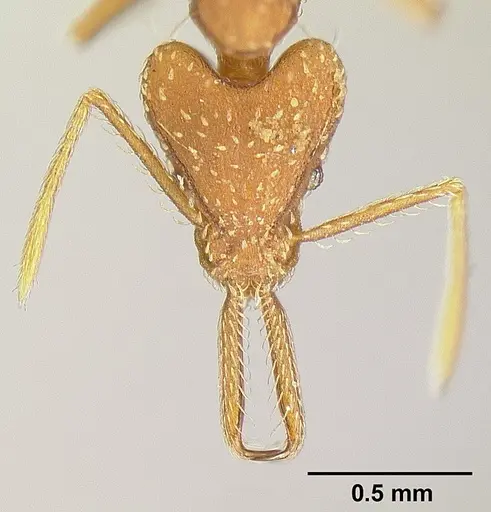
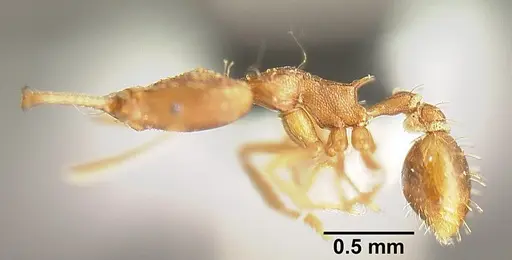
Strumigenys ludia is a tiny predatory ant measuring 2.9-3.3 mm in total length . It belongs to the tribe Attini and is a specialist hunter of springtails (entomobryoid Collembola) . This species is found across the Neotropical region, from Mexico through Central America to Costa Rica, typically nesting in rotten branches or twigs on the forest floor . Its most distinctive feature is the kinetic mandible mechanism used to snap shut on prey . Workers have long, fine hairs and spongiform tissue on the waist . In some areas it may be associated with synanthropic habitats and second-growth forests rather than mature forest .
Quick Summary
- Difficulty: Expert
- Origin & Habitat: Native to the Neotropical region: Belize, Costa Rica, Guatemala, Honduras, and Mexico [1]. Inhabits lowland tropical forests, nesting in rotten wood and twigs on the forest floor [1]. Also recorded in second-growth and synanthropic habitats, possibly avoiding mature forest [1]. Found in Mexican states: Chiapas, Hidalgo, Quintana Roo, Tabasco, Tamaulipas, Veracruz [3].
- Colony Type: Colony structure is not well documented. Based on typical Strumigenys patterns, colonies are likely small with a single queen, but this is unconfirmed for this species.
- Size & Growth:
- Queen: No specific data available for this species, queens have been described but measurements are not published [1]. Based on related Strumigenys, queens are probably larger than workers but exact size is unknown.
- Worker: 2.9-3.3 mm total length [1].
- Colony: Probably under 200 workers, typical for small specialist predators [4].
- Growth: Slow
- Development: Unknown, no direct data. Based on typical Strumigenys patterns, expect 2-4 months from egg to first worker. This is an estimate. (Development is likely slow due to specialized predatory lifestyle and small colony size. Temperature will significantly affect speed.)
- Antkeeping:
- Temperature: Keep at 22-26 °C, with a slight gradient. Avoid below 20 °C. These tropical ants need warm, stable conditions year-round [1].
- Humidity: High humidity is essential, maintain moist substrate (like damp forest floor) but avoid waterlogging. Use a water reservoir and fine mist if needed. No specific data, but inferred from tropical forest floor habitat [1].
- Diapause: No, tropical species, no hibernation needed. Keep warm all year [1].
- Nesting: Naturally nest in rotten wood and twigs on the forest floor [1]. In captivity, use naturalistic setups with moist substrate, plaster, Y-tong, or 3D-printed nests with tight, humid chambers scaled to their tiny size. Provide darkness and a humidity gradient. Never use acrylic nests.
- Behavior: Specialized predator using kinetic mandible snap to capture springtails [2]. Ground-dwelling, slow foragers. Workers are under 4 mm, so excellent escape prevention (fine mesh) is required. Likely timid, may abandon brood if disturbed. They possess a functional stinger (subfamily Myrmicinae) but it is not medically significant and poses no threat to keepers. Not aggressive.
- Common Issues: tiny size means escapes are likely without fine mesh barriers, specialized diet requires live springtail cultures, cannot survive on dead food alone, high humidity needs can lead to mold growth if ventilation is poor, slow growth and small colony size test keeper patience, wild-caught colonies may carry parasites or pathogens that kill them in captivity
Housing and Nest Setup
Strumigenys ludia requires high-humidity housing. Naturalistic setups with moist soil or leaf litter work well, allowing the ants to hunt through the substrate. Alternatively, use plaster, Y-tong, or 3D-printed nests with tight, humid chambers scaled to their tiny size. Chambers should be small, these ants feel secure in tight spaces [1]. Use fine mesh (e.g.,0.2 mm) for ventilation because workers can squeeze through surprisingly small gaps. A water reservoir connected to the nest helps maintain humidity without constant misting. Keep the nest area dark or covered, these ants prefer dim conditions and may be stressed by bright light.
Feeding and Diet
This is the most challenging aspect. Strumigenys ludia is a specialist predator that feeds almost exclusively on springtails (entomobryoid Collembola) [1]. In captivity, you must establish a culture of live springtails to feed your colony. Other small soft-bodied prey may be accepted experimentally, but springtails should form the bulk of their diet. Do not rely on sugar water or honey, these ants are predators, not sugar-seekers. Feed small prey items every 2-3 days, adjusting based on colony size and consumption. Remove uneaten prey to prevent mold. Because they are such specialized hunters, they may ignore dead prey initially, you may need to release live springtails into their foraging area.
Temperature and Seasonal Care
As a tropical species, Strumigenys ludia needs warm conditions year-round. Maintain temperatures between 22-26 °C, with a slight gradient allowing the colony to choose their preferred spot. Avoid temperatures below 20 °C, as prolonged cold can weaken or kill the colony [1]. No hibernation or winter rest period is needed, keep conditions stable throughout the year. A small heating cable on one side of the nest can help maintain warmth, but ensure it does not dry out the substrate. Room temperature in the low-to-mid 20s °C is ideal if your home is naturally that warm. Monitor colony activity, if workers become sluggish, the temperature may be too low.
Behavior and Colony Dynamics
Strumigenys ludia uses a unique kinetic mechanism to capture prey, their mandibles snap shut rapidly to catch springtails [2]. This specialized hunting method means they are not able to tackle larger prey items. Workers are small and ground-dwelling, spending most of their time hunting through leaf litter and rotting wood [1]. Colonies are likely small, probably under 200 workers even in mature colonies [4]. The ants have spongiform tissue on their waist segments, which is a genus characteristic [2]. They possess a functional stinger (subfamily Myrmicinae) but it is not medically significant and they are not aggressive toward keepers [1]. Handle with care during nest transfers as they are fragile. Expect slow colony growth, these are not fast-expanding colonies.
Acquiring and Establishing a Colony
Finding Strumigenys ludia for sale is uncommon, they are not frequently kept in the ant hobby due to their specialized care requirements. If you acquire a colony, it will likely be a small fragment from a wild colony. Quarantine and observe any new colony for signs of parasites before introducing them to any established setups. Wild-caught colonies often carry parasites that can wipe them out in captivity. When establishing a new colony, give them time to settle, do not disturb them for the first week. Ensure their first prey items (live springtails) are available in their foraging area. Founding colonies may take months to produce their first workers, so patience is essential.
Frequently Asked Questions
Can I keep Strumigenys ludia in a test tube?
Test tubes can work for small colonies but are not ideal. These ants need high humidity and a naturalistic setup where they can hunt. If using test tubes, use a water reservoir tube and ensure the cotton stays damp. A small naturalistic setup with moist substrate is better for long-term success.
What do Strumigenys ludia ants eat?
They are specialized predators that hunt springtails (tiny soil-dwelling arthropods). You must culture live springtails to keep this species successfully. They do not accept sugar water or honey, their diet consists almost entirely of small live prey [1].
How long does it take for Strumigenys ludia to produce first workers?
Exact development time is unknown, but based on typical Strumigenys patterns and their small colony size, expect 2-4 months from egg to first worker. Growth is slow, so patience is essential. Temperature significantly affects development speed.
Are Strumigenys ludia good for beginners?
No. This species is considered expert-level due to its specialized diet (requires live springtail cultures), high humidity needs, small size making them fragile, and slow growth. They are not recommended for beginners.
Do Strumigenys ludia need hibernation?
No. As a tropical species from Central America, they do not require hibernation. Keep them warm year-round at 22-26 °C with stable conditions [1].
How big do Strumigenys ludia colonies get?
Colony size is likely small, probably under 200 workers even in mature colonies [4]. This is typical for Strumigenys species, which are specialist predators with slower growth rates.
Why are my Strumigenys ludia dying?
Common causes include: lack of live springtail prey (they will starve if only dead food is offered), too low temperature (below 20 °C), incorrect humidity (too dry causes desiccation), or parasites from wild-caught colonies. Ensure proper humidity, warm temperatures, and a steady supply of live springtails.
When should I move Strumigenys ludia to a formicarium?
Wait until the colony has at least 20-30 workers before considering a move. These ants prefer naturalistic setups with moist substrate anyway. Test tubes with water reservoirs can house small colonies for extended periods.
Can I keep multiple queens together?
Colony structure for this specific species is not well documented. Based on typical Strumigenys behavior, single-queen colonies are most likely. Combining unrelated queens is not recommended as aggression may occur.
Report an Issue
The current care sheet is based fully on literature. See inconsistencies, or something that's incorrect? Please , it will be resolved after review from an admin. Contributing to the blogs tab also helps providing information, to make us be able to further improve the caresheets. Thank you for your support!
References

This caresheet is licensed under CC BY-SA 4.0 .
Community Blogs
CASENT0246144
View on AntWeb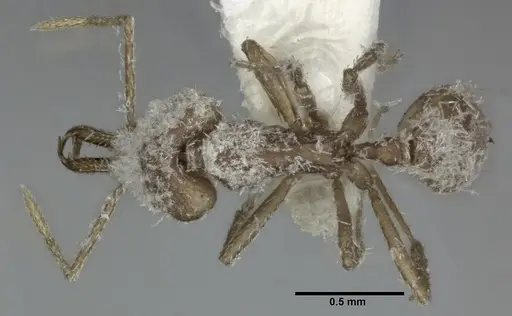
CASENT0914506
View on AntWeb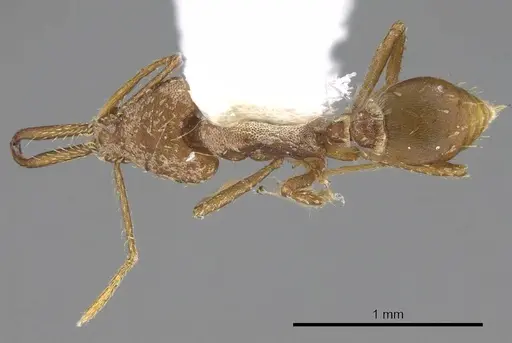
CASENT0914743
View on AntWeb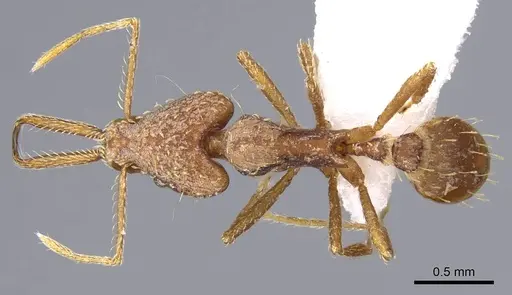
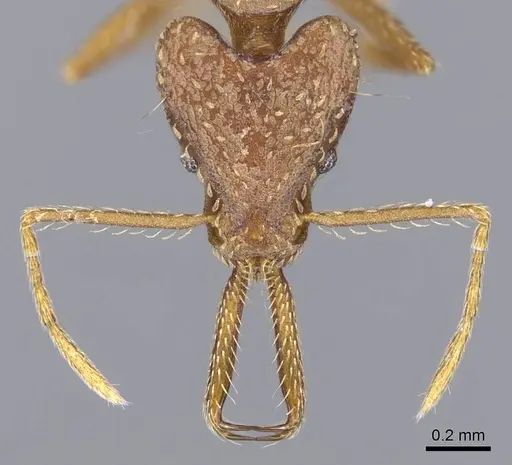
INBIOCRI001237630
View on AntWeb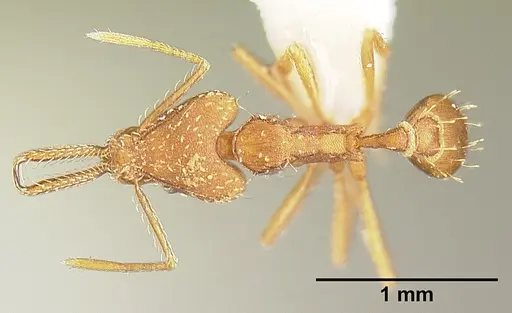
Literature
Loading distribution map...Loading products...