
Strumigenys luca
- Sci. Name
- Strumigenys luca
- Tribe
- Attini
- Subfamily
- Myrmicinae
- Author
- Fisher, 2000
- Distribution
- Found in 1 countries
Introduction
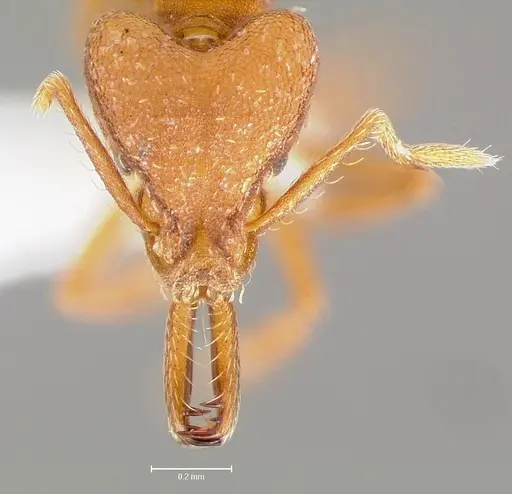
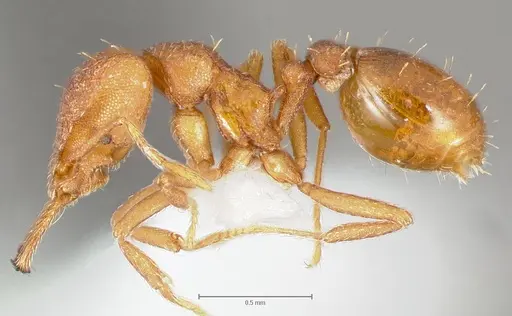
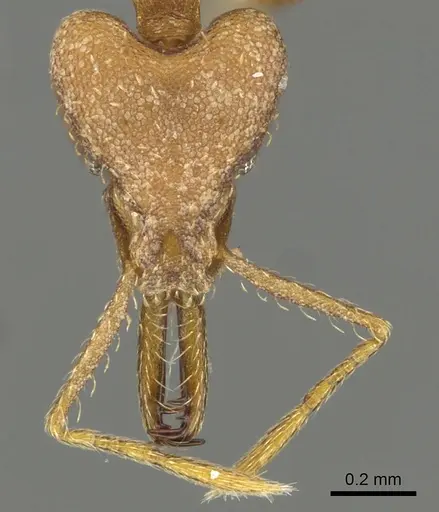
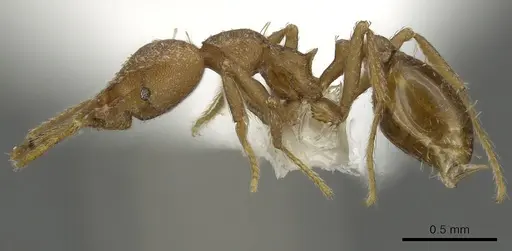
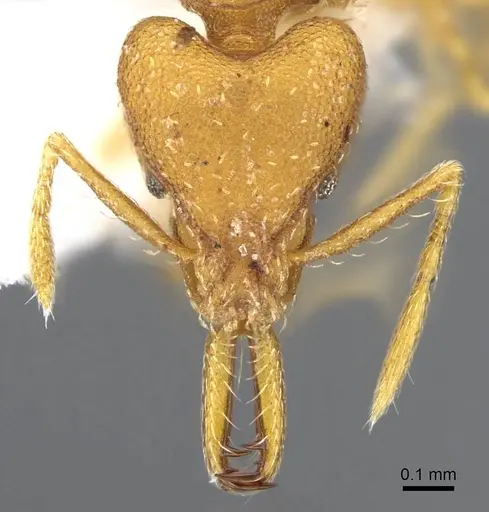
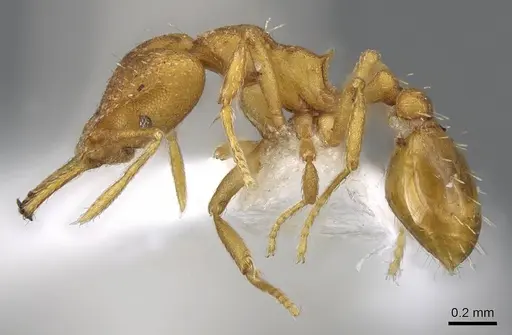
Strumigenys luca is a tiny predatory ant native to Madagascar, with workers measuring 2.8-3.1 mm in total length . Their bodies are light to medium brown and covered with distinctive spoon-shaped hairs. This species belongs to the hilaris-complex within the Strumigenys arnoldi group . They are ground-dwelling ants found in dry forest habitats, living in leaf litter, on the ground, and inside rotting wood . Like other members of their genus, Strumigenys luca are specialized predators that hunt micro-arthropods such as springtails. Their small size and cryptic lifestyle make them challenging for antkeepers, but they offer a unique window into the behavior of litter-dwelling predators.
Quick Summary
- Difficulty: Expert
- Origin & Habitat: Madagascar, collected in dry deciduous forest and other forest habitats at elevations around 730 m. Specimens have been recovered from leaf litter, ground surfaces, and rotting wood [2][3].
- Colony Type: Unknown, no data available on queen number or social structure.
- Size & Growth:
- Queen: Size data unavailable
- Worker: 2.8-3.1 mm [1]
- Colony: Unknown, no reliable data. Strumigenys species typically maintain small colonies, but specific maximums are unconfirmed.
- Growth: Unknown
- Development: Unknown, no data available for this species or closely related ones. (No confirmed timeline. Expect slow development based on the genus’s typical patterns, but treat as speculative.)
- Antkeeping:
- Temperature: 22-26°C, maintain warm conditions similar to Madagascar dry forest floor.
- Humidity: Dry to moderate, keep the substrate slightly moist but well-drained. These ants inhabit dry forest litter and prefer aerated, well-drained conditions [3].
- Diapause: Unknown, likely no true diapause given tropical origin, but no data confirms this.
- Nesting: Use a naturalistic setup with a deep substrate of leaf mold, rotten wood, and sand to mimic their litter habitat [1]. Y-tong or plaster nests with small chambers can work if kept adequately moist, but a terrarium-style setup with moist soil and leaf litter is preferred.
- Behavior: Possess a functional stinger (as members of Myrmicinae) but are docile and not aggressive towards humans. Workers move slowly and spend most time hunting micro-prey in the substrate. Escape prevention is critical due to their tiny size (
- Common Issues: escape prevention is critical, tiny workers squeeze through standard mesh barriers., requires live micro-prey (springtails), won't accept standard ant foods., slow growth means colonies can stagnate if not fed properly., wild-caught colonies may be stressed and difficult to establish., low humidity tolerance, substrate drying out can quickly kill colonies, maintain consistent but not wet moisture.
Housing and Setup
Strumigenys luca requires a naturalistic setup with a deep substrate layer to mimic their litter-dwelling habitat. Mix soil, sand, and decaying leaf matter (leaf mold and rotten wood) to create a moist, structured substrate that holds humidity while allowing air circulation [1]. A 3-5 cm depth works well. Keep the outworld simple, as these ants rarely venture far from their nest area. Escape prevention is absolutely critical, these ants are under 3 mm and can fit through gaps that seem impossible. Use fluon or barrier grease on container edges, and ensure any ventilation uses fine metal mesh or cloth. A test tube with a damp cotton plug can work for small colonies, but a naturalistic terrarium setup is better for established groups. Keep the nest area darkened by covering any transparent sides.
Feeding and Diet
Strumigenys luca is an obligate predator that requires live micro-arthropods as its primary food source. Springtails are the ideal prey, they are small enough for these tiny ants to subdue and provide proper nutrition. Keep a cultured springtail colony to ensure a constant supply. Other acceptable prey may include tiny isopods, booklice, and other minute soil arthropods. These ants will not accept standard ant foods like sugar water, honey, or dead insects. Their mandibles are adapted for hunting live, soft-bodied prey. Offer small prey every 2-3 days, adjusting based on consumption. Remove uneaten prey after 48 hours to prevent mold. [1]
Temperature and Humidity
Keep the temperature between 22-26°C, matching the warm conditions of Madagascar dry forests. A slight gradient allows the ants to regulate their exposure. Room temperature (20-24°C) may suffice, but use a gentle heat source in cooler environments. Humidity should be dry to moderate, these ants are from a dry forest habitat (terricolous, dry, light) [3]. Keep the substrate slightly moist but not wet. Mist the setup periodically and ensure a water source (e.g., a test tube reservoir) provides constant access to moisture. Avoid stagnant, waterlogged conditions that encourage mold.
Colony Establishment
No data exists on the founding behavior of Strumigenys luca. If you obtain a queen or small colony, provide a quiet, dark setup with minimal disturbance. For a queen, a small test tube setup with a moist cotton plug is standard, though whether founding is claustral or semi-claustral is unknown. Give the ants time to settle before offering food. First workers (nanitics) will be very small and may take months to appear, be patient. Wild-caught colonies may be stressed, focus on providing stable conditions and ample prey. [1]
Behavior and Observation
Workers of Strumigenys luca are slow-moving and docile. As members of the subfamily Myrmicinae, they possess a functional stinger, but they rarely use it on humans and are not considered medically significant. They spend most of their time hunting through the substrate for springtails and other micro-prey. Much of their activity occurs hidden in the litter layer, so you may need to disturb the substrate slightly to see them. Use a red film over the viewing area to observe nocturnal behavior without disturbing the colony. [1]
Frequently Asked Questions
What do Strumigenys luca ants eat?
They eat live micro-arthropods, primarily springtails. These tiny predatory ants cannot accept standard ant foods like sugar water or dead insects, they require live, soft-bodied prey that they can hunt with their specialized mandibles.
How long does it take for Strumigenys luca to produce first workers?
The exact timeline is unknown, no data is available for this species. Based on general Strumigenys patterns, development is likely slow (months), but this is speculative.
Can I keep Strumigenys luca in a test tube setup?
Test tubes can work for small colonies or founding queens, but a naturalistic setup with substrate is better for established colonies. If using test tubes, ensure the water reservoir is small to prevent drowning of these tiny ants (under 3 mm).
Are Strumigenys luca ants dangerous?
No, they are harmless to humans. They possess a functional stinger (as Myrmicinae) but are docile and rarely sting. Any sting would be very mild and not a concern.
Why are my Strumigenys luca dying?
Common causes include: lack of live springtail prey (starvation), escape through tiny gaps, overly dry conditions, mold from excessive moisture, and stress from wild collection. Provide appropriate prey, a tight escape-proof setup, and stable humidity.
Do Strumigenys luca ants need hibernation?
No, as a Madagascar species from tropical forests, they likely do not require a diapause period. Maintain stable warm temperatures year-round (22-26°C).
How big do Strumigenys luca colonies get?
Colony size is unknown. Strumigenys species typically maintain small colonies (likely under a few hundred workers), but no specific data exists for this species.
What is the best nest type for Strumigenys luca?
A naturalistic setup with moist substrate (soil, sand, leaf litter, and rotten wood) works best [1]. Y-tong or plaster nests with small chambers can work if kept adequately moist, but avoid dry, airy nests.
Can I keep multiple Strumigenys luca queens together?
This has not been documented. Based on typical Strumigenys behavior, single-queen colonies are likely, but this is unconfirmed. Combining unrelated queens is not recommended.
Why can't I see my Strumigenys luca ants?
These are cryptic, litter-dwelling ants that spend most of their time hidden in the substrate hunting micro-prey. You may only see them when you disturb the setup or offer food. This is normal behavior.
Report an Issue
The current care sheet is based fully on literature. See inconsistencies, or something that's incorrect? Please , it will be resolved after review from an admin. Contributing to the blogs tab also helps providing information, to make us be able to further improve the caresheets. Thank you for your support!
References

This caresheet is licensed under CC BY-SA 4.0 .
Community Blogs
CASENT0005581
View on AntWeb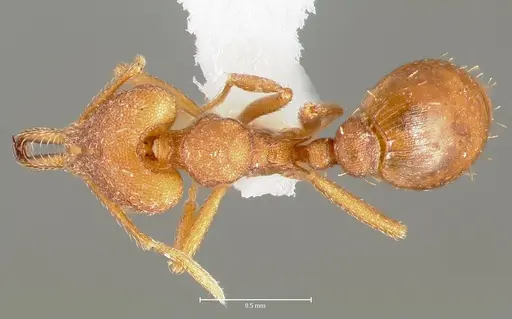
CASENT0005582
View on AntWeb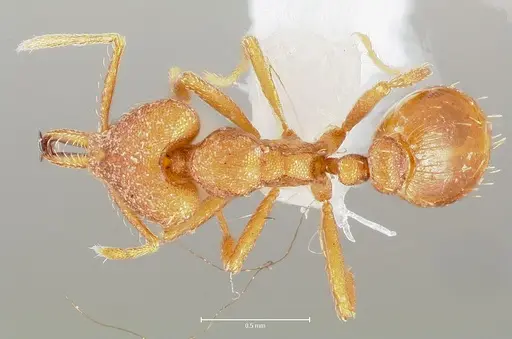
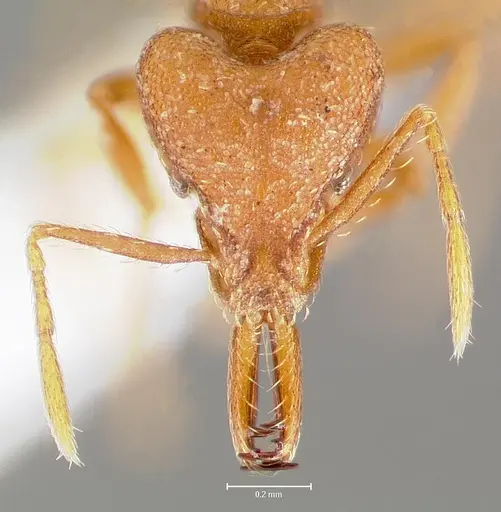
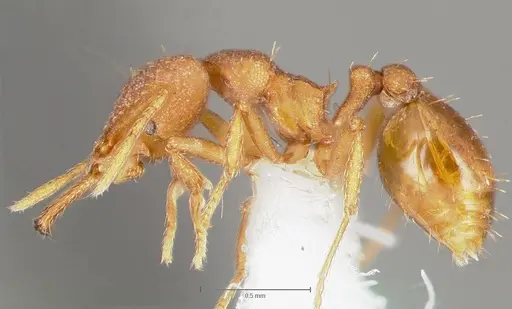
CASENT0005583
View on AntWeb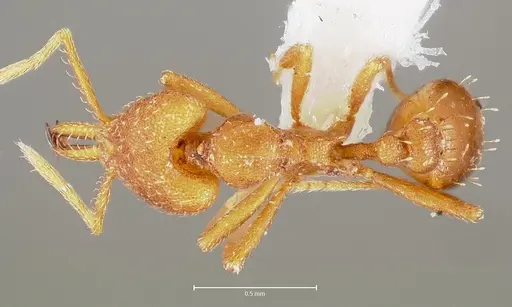
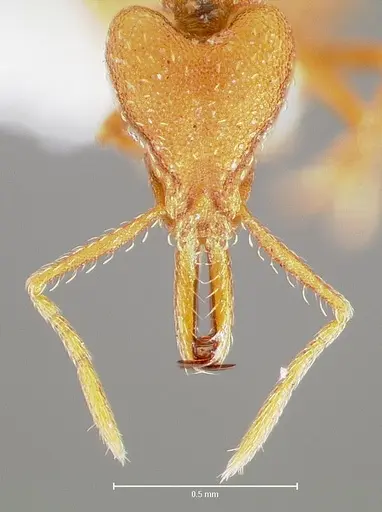
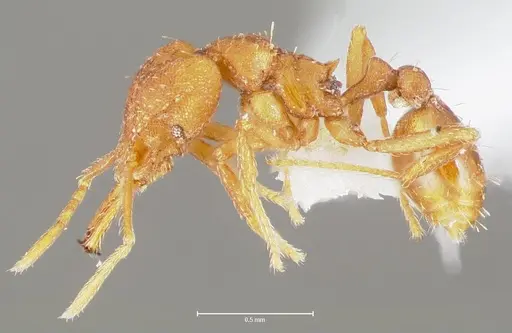
CASENT0005584
View on AntWeb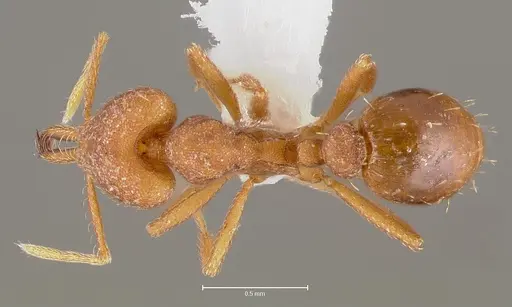
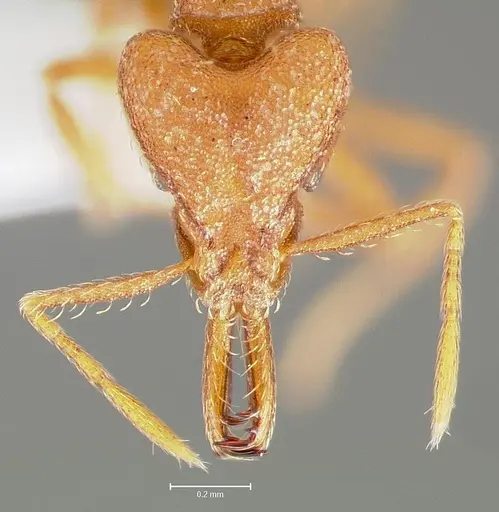
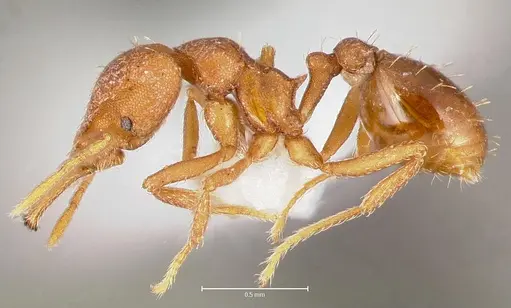
CASENT0144936
View on AntWeb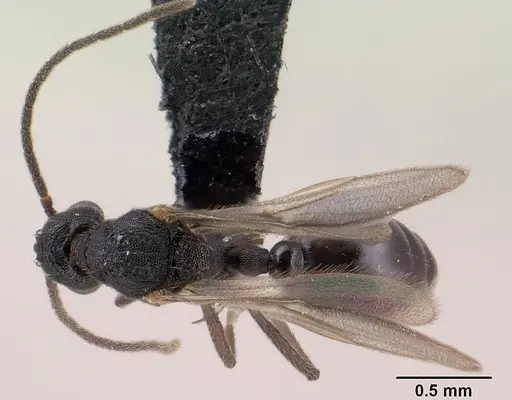
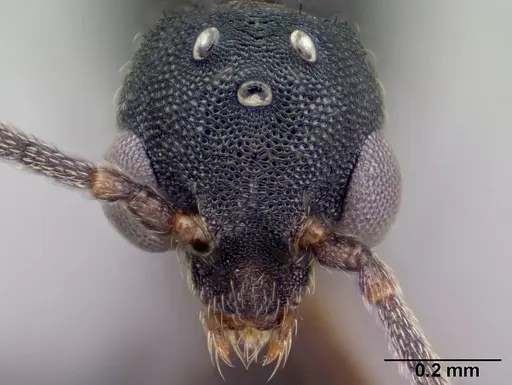
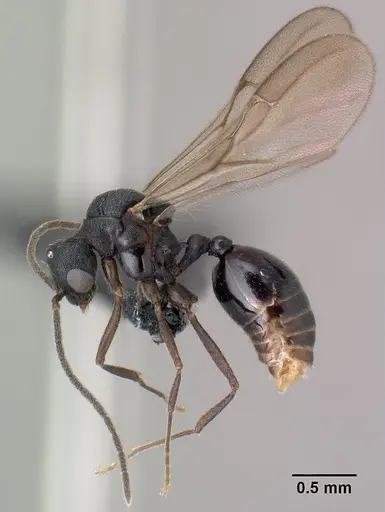
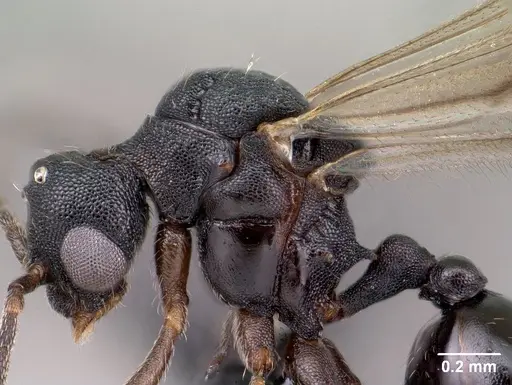
CASENT0900707
View on AntWeb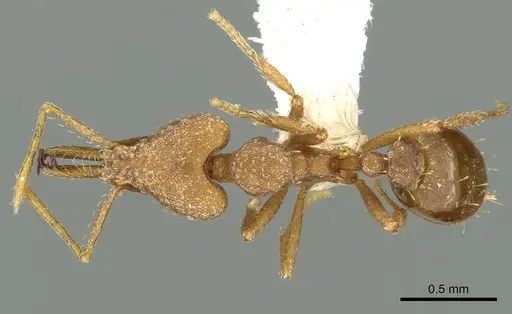
CASENT0914768
View on AntWeb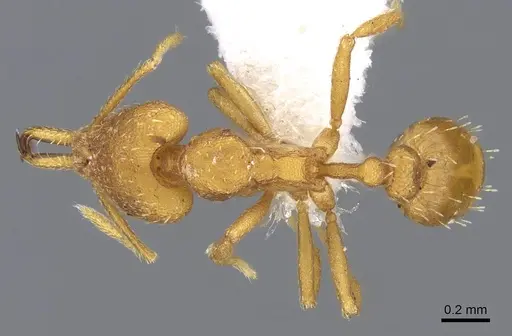
Literature
Loading distribution map...Loading products...