
Strumigenys lamia
- Sci. Name
- Strumigenys lamia
- Tribe
- Attini
- Subfamily
- Myrmicinae
- Author
- Bolton, 2000
- Distribution
- Found in 2 countries
Introduction
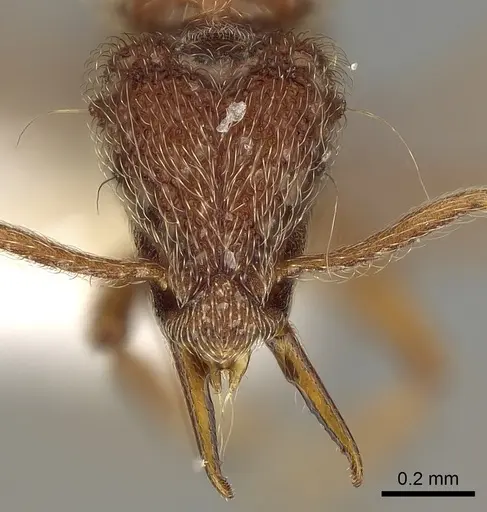
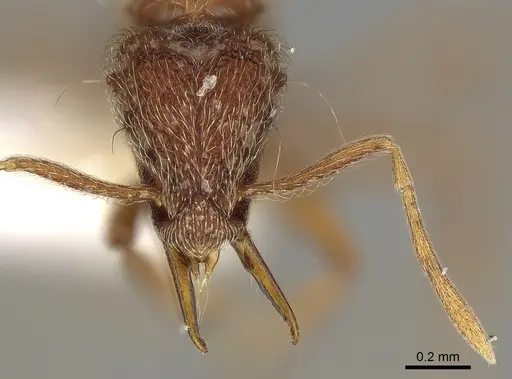
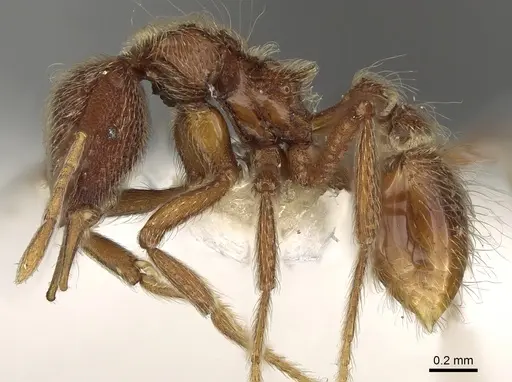
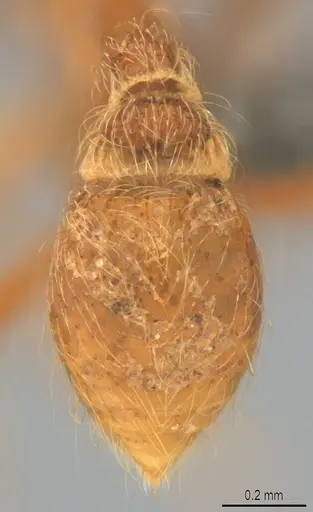
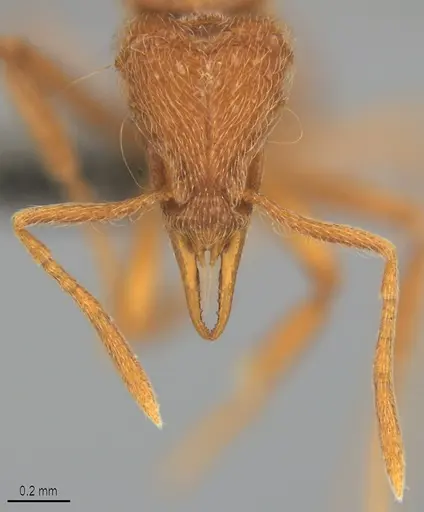
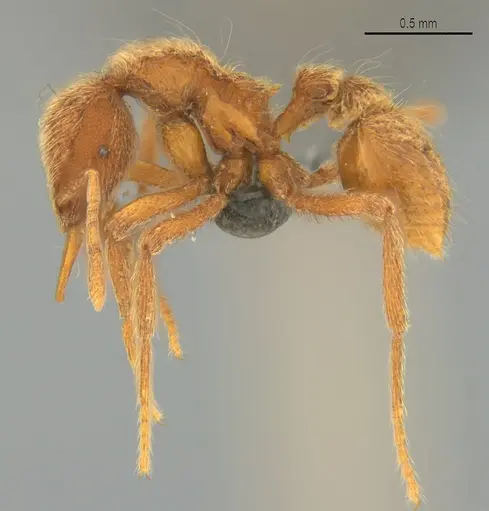
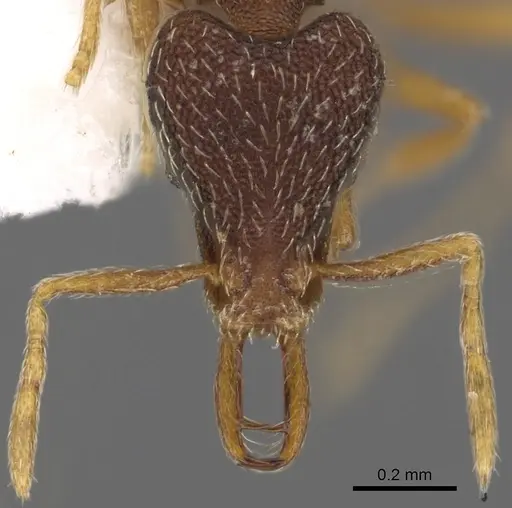
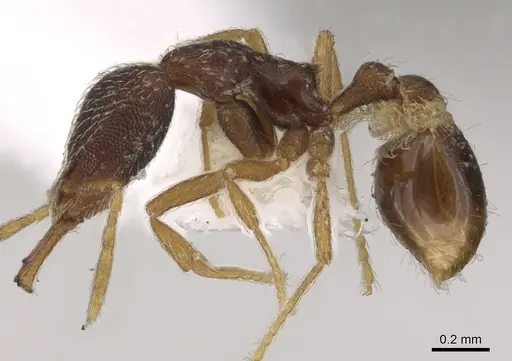
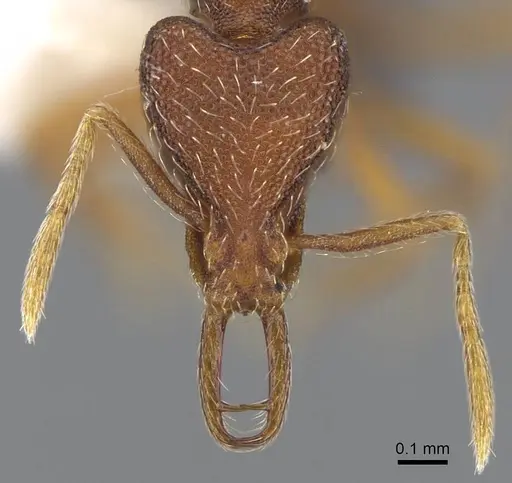
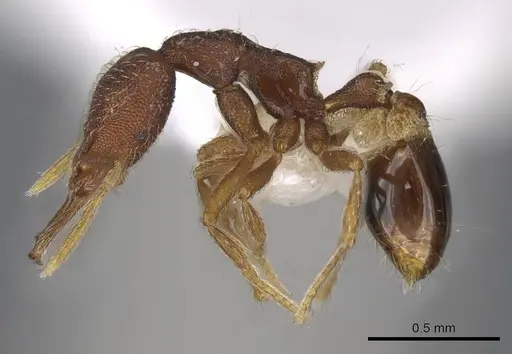
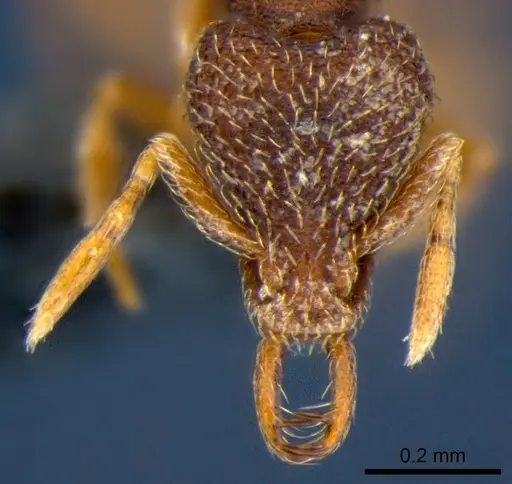
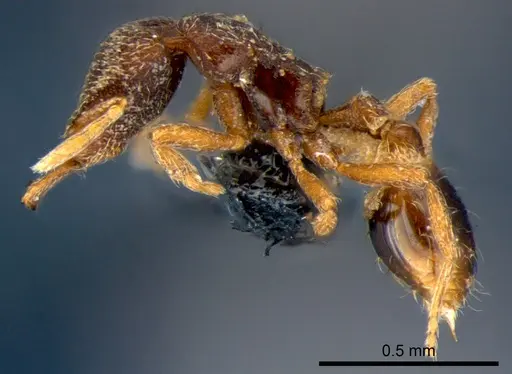
Strumigenys lamia is a tiny predatory ant from New Caledonia . It belongs to the species-rich trap-jaw genus Strumigenys, known for their specialized mandibles that snap shut on small prey like springtails. Based on typical Strumigenys patterns, workers are very small (about 2-3 mm) and the queen slightly larger. The ant’s colour is golden-brown to reddish-brown, and its body is somewhat flattened - an adaptation for moving through leaf litter. The species is recorded only from New Caledonia , where it inhabits tropical forest floor microhabitats: moist leaf litter, rotting wood, and upper soil layers. Like almost all Strumigenys, it is a cryptic forager, rarely seen on the surface. Colony size is unstudied but presumably small, as is usual for the genus.
Quick Summary
- Difficulty: Expert
- Origin & Habitat: New Caledonia, tropical island forest, leaf litter and rotting wood [1]
- Colony Type: Unconfirmed, based on genus patterns it is probably single-queen (monogyne), but no direct evidence exists.
- Size & Growth:
- Queen: Size data unavailable, inferred from Strumigenys genus (approx. 3-4 mm)
- Worker: Size data unavailable, inferred from Strumigenys genus (approx. 2-3 mm)
- Colony: Unknown, typical Strumigenys colonies reach a few hundred workers at most, but no data for this species.
- Growth: Unknown, expected to be slow given the genus’s specialised diet and small colony size.
- Development: Unknown, timing has not been documented, likely several weeks to months at warm temperatures. (Development is estimated from related Strumigenys, no specific data for S. lamia.)
- Antkeeping:
- Temperature: Tropical species, keep at 22-26 °C year‑round. No specific data, but a stable warm environment with a slight gradient is recommended.
- Humidity: Always high, aim for 70-85 % relative humidity. The nest substrate should be kept moist but not waterlogged. Condensation on the nest walls is a good sign.
- Diapause: No, being from a tropical island, hibernation is not needed. Keep warm all year.
- Nesting: Y‑tong (AAC) or naturalistic setups with moist substrate are best. Provide tight chambers and narrow passages. Avoid dry or highly ventilated enclosures.
- Behavior: Strumigenys lamia is a specialised predator that hunts micro‑arthropods, primarily springtails. It is calm and rarely aggressive to humans, it will retreat rather than attack. The sting is functional but not dangerous. Foraging is done individually through leaf litter. Escape prevention is critical because of its tiny size.
- Common Issues: escape is easy due to tiny size, use fine mesh and fluon barriers., specialised diet requires a constant culture of live springtails., high humidity can promote mold if ventilation is poor., slow growth may tempt keepers to overfeed or raise temperatures, stressing the colony., wild‑caught colonies may carry parasites that can devastate a captive colony.
Housing and Nest Setup
Because Strumigenys lamia is tiny and needs high humidity, choose a nest that holds moisture well. A Y‑tong (AAC) block with a water reservoir works perfectly. Alternatively, a naturalistic setup with moist soil and leaf litter will mimic their natural home. Keep chambers small and passages narrow, these ants like snug spaces. The outworld should also be small, large open areas stress them. Escape prevention is non‑negotiable: use fine mesh on any opening and apply a fluon barrier. Gaps smaller than 1 mm can be an escape route.
Feeding and Diet
Feeding is the hardest part. Strumigenys lamia is a specialised predator that needs live springtails (Collembola). You must culture your own springtail colony, buying them regularly is not an option. Other tiny live prey like fruit flies, booklice, or very small isopods may be accepted sometimes, but springtails should be the staple. Dead prey will not trigger their hunting response. Do not offer sugar water or honey, they do not need carbohydrates. Offer a few springtails every couple of days and remove leftovers to prevent mold.
Temperature and Humidity Control
Keep the colony warm and humid all year. Aim for 22-26 °C, with a slight gradient so workers can choose a spot. A heating cable placed on top of the nest (not underneath, which dries the substrate) works well. Humidity must stay above 70 %, ideally 70-85 %. Use a water reservoir inside the nest and check regularly that the substrate feels moist. Condensation on the walls is a good sign. If the humidity drops, the colony will quickly decline.
Colony Establishment and Growth
Starting a colony from a queen requires patience. Founding behavior is unconfirmed, based on the genus we assume she may seal herself in, but this is guesswork. The queen will raise the first workers alone. The process may take months. Once workers appear, growth will be slow. Even after a year the colony might have fewer than 50 workers. Do not try to speed things up by overfeeding or raising the temperature. Let them grow at their own pace.
Behavior and Temperament
Strumigenys lamia is calm and non‑aggressive. It has a functional sting (as is typical for Myrmicinae) but rarely uses it against humans. Its main defense is to hide. Workers forage alone, moving slowly through the substrate until they snap their trap‑jaw mandibles on prey. The snap is fast, but the ant is otherwise not quick. They are cryptobiotic and spend most of their time inside the nest. They are not territorial toward other colonies.
Frequently Asked Questions
Can I keep Strumigenys lamia in a test tube?
A test tube is not ideal because it is hard to maintain the required high humidity and to prevent escape. A Y‑tong nest or a naturalistic setup with moist substrate works much better. If you must use a test tube, add a water reservoir and make absolutely sure there are no gaps.
What do Strumigenys lamia eat?
They need live springtails as their main food. You have to culture your own colony. Other tiny live prey like fruit flies, booklice, or small isopods may be accepted, but springtails are essential. They do not eat sugar or honey.
How long until first workers appear in Strumigenys lamia?
That is unknown for this species. Based on related Strumigenys, it probably takes several weeks to months at warm temperatures. No precise timeline has been published.
Are Strumigenys lamia good for beginners?
No, this is an expert‑level species. Their specialised diet, high humidity needs, tiny size, and slow growth make them very challenging. Start with easier species like Lasius or Tetramorium.
How big do Strumigenys lamia colonies get?
Actual colony size for this species is unknown. Typical Strumigenys colonies are small, usually a few hundred workers at most. Expect a very modest colony that takes years to reach maturity.
Do Strumigenys lamia need hibernation?
No. They come from tropical New Caledonia and need warm conditions year‑round. Do not cool them, they will likely die.
Why are my Strumigenys lamia dying?
The most common causes are: low humidity (below 70 %), lack of live springtail prey, escape through tiny gaps, temperature swings, or parasites brought in with wild‑caught colonies. Check each factor and correct it immediately.
When should I move Strumigenys lamia to a formicarium?
It is best to start them directly in a Y‑tong or naturalistic nest. If you must move them, wait until the colony has at least 20-30 workers and is well established. Move the whole setup at once during their active hours.
Can I keep multiple queens of Strumigenys lamia together?
There is no information for this species. Based on typical Strumigenys patterns, they are probably single‑queen. Do not try to combine unrelated queens, it could lead to fighting.
Report an Issue
The current care sheet is based fully on literature. See inconsistencies, or something that's incorrect? Please , it will be resolved after review from an admin. Contributing to the blogs tab also helps providing information, to make us be able to further improve the caresheets. Thank you for your support!
References

This caresheet is licensed under CC BY-SA 4.0 .
Community Blogs
CASENT0280698
View on AntWeb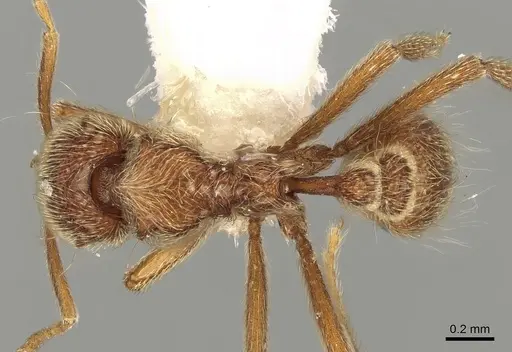
CASENT0358163
View on AntWeb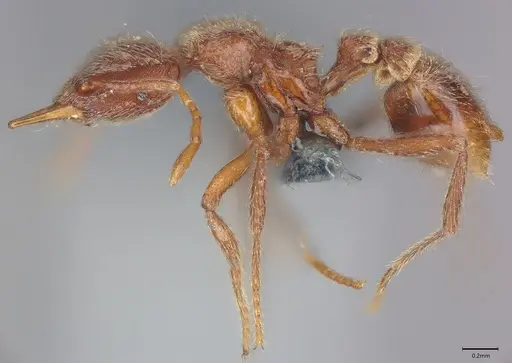
CASENT0358232
View on AntWeb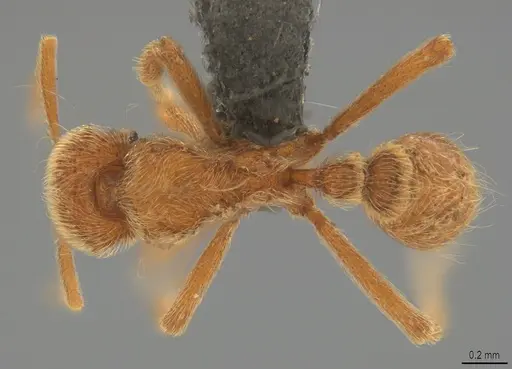
CASENT0900901
View on AntWeb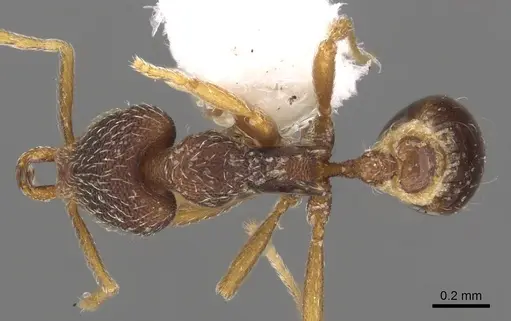
CASENT0914838
View on AntWeb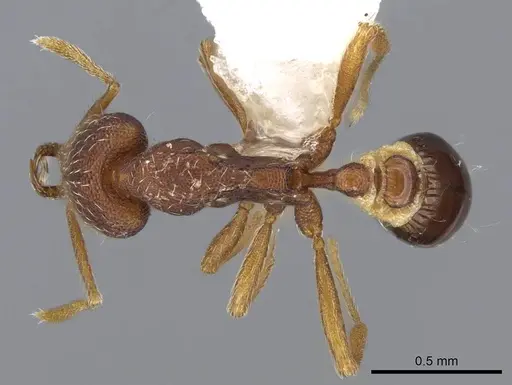
CSIRONC0173
View on AntWeb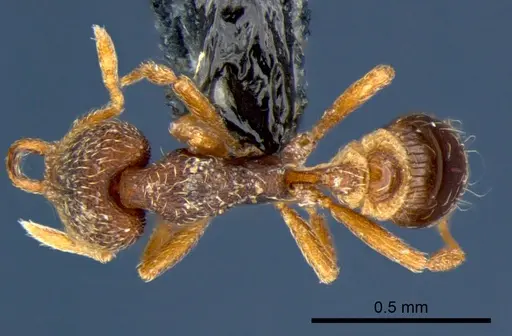
Literature
Loading distribution map...Loading products...