
Strumigenys koningsbergeri
- Sci. Name
- Strumigenys koningsbergeri
- Tribe
- Attini
- Subfamily
- Myrmicinae
- Author
- Forel, 1905
- Distribution
- Found in 3 countries
Introduction
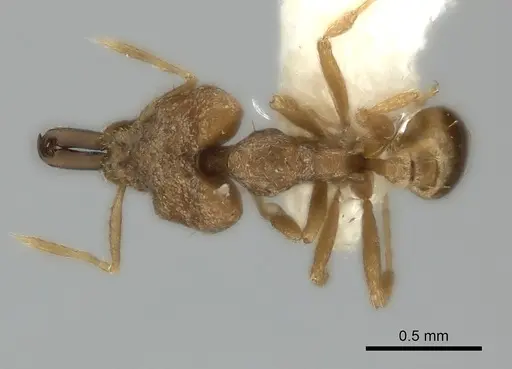
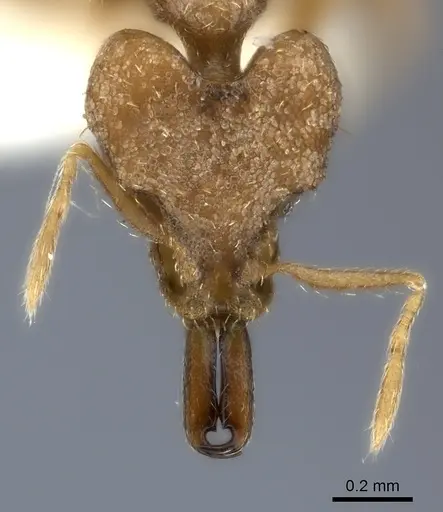
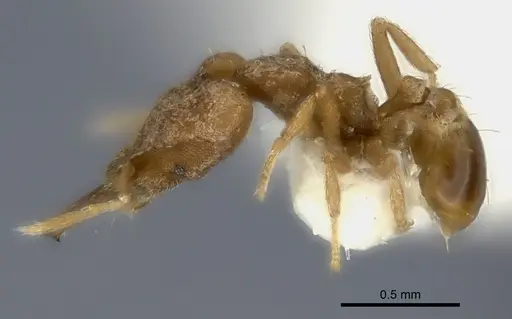
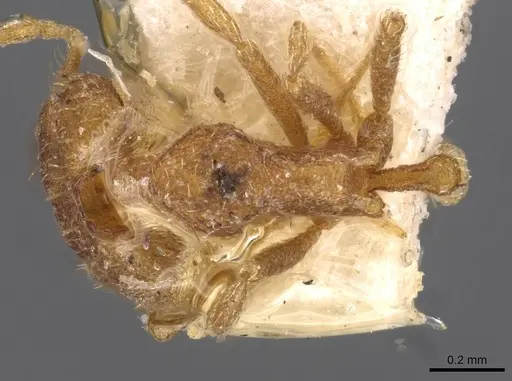
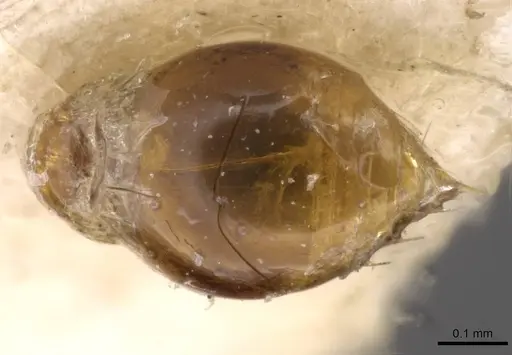
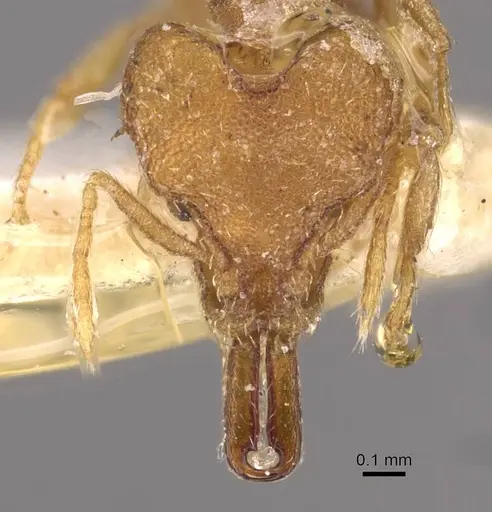
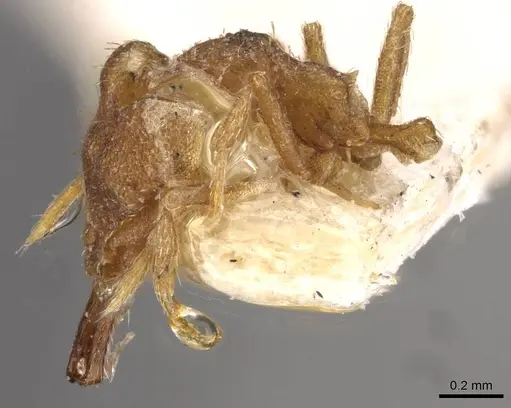
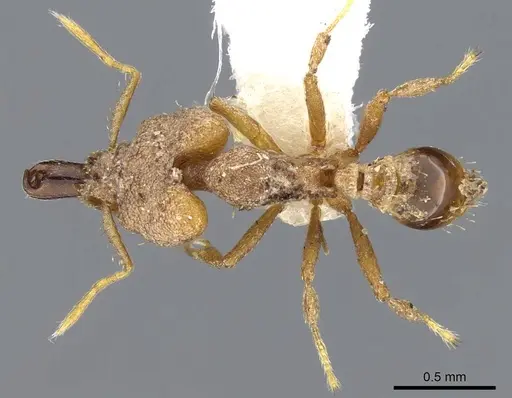
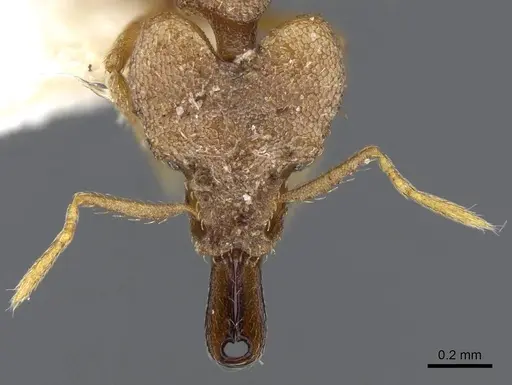
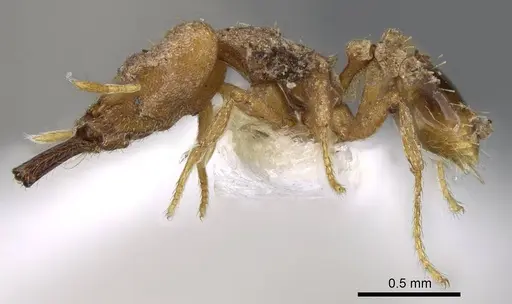
Strumigenys koningsbergeri is a tiny predatory ant measuring just 2.5–3.0 mm in total length . Workers have a distinctively shaped head with irregular dorsolateral margins that make the preocular impression and eye visible in full-face view – a unique feature among its relatives . The species has a transverse depression across the posterior vertex and lacks pronotal standing hairs, but retains humeral and mesonotal hairs . It belongs to the koningsbergeri-complex within the genus Strumigenys, part of the tribe Attini in the subfamily Myrmicinae . These ants are found across Southeast Asia including Borneo, Brunei, Indonesia, Malaysia, the Philippines, and Singapore, living in wet forest leaf litter where they hunt small prey . They are monogynous (single-queen colonies) and nest in soil . Like other Strumigenys, they are specialized predators, primarily hunting springtails and other micro-arthropods in the leaf litter layer.
Quick Summary
- Difficulty: Hard
- Origin & Habitat: Wet forest leaf litter across Southeast Asia (Borneo, Brunei, Indonesia, Malaysia, Philippines, Singapore). The type locality is Java, Bogor (Buitenzorg) [1][5].
- Colony Type: Monogynous – single-queen colonies. Queens are alate (winged) [4].
- Size & Growth:
- Queen: Unknown – no measurements available for queens.
- Worker: 2.5–3.0 mm total length [1]
- Colony: Unknown – inferred small (typical for leaf-litter Strumigenys).
- Growth: Moderate
- Development: 6–10 weeks (estimated based on related Strumigenys species at optimal temperature) (No direct measurements exist for this species. Temperature will significantly affect development speed.)
- Antkeeping:
- Temperature: Keep around 24–26°C. These are tropical forest ants that need warm, stable conditions. Use a heating cable on one side of the nest to create a gentle gradient if room temperature is below this range.
- Humidity: High humidity is essential – these ants live in wet forest leaf litter [2]. Keep the nest substrate consistently moist but not waterlogged. Provide a water reservoir and ensure the setup retains humidity well.
- Diapause: No – this is a tropical species that does not require hibernation. Maintain warm temperatures year-round.
- Nesting: Soil-nesting species that prefers naturalistic setups with moist substrate [4]. A test tube setup can work if kept humid, but a naturalistic or plaster nest with good moisture retention is ideal. They need tight chambers scaled to their tiny 2.5–3 mm size.
- Behavior: These are tiny, cryptic ants that spend most of their time hunting in the leaf litter layer [2]. Workers are not aggressive and will flee rather than engage threats. They are specialized predators that hunt springtails and other micro-arthropods using their elongated mandibles. Escape prevention is critical – at 2.5–3 mm, they can easily slip through standard barrier setups. Use fine mesh and tight-fitting lids. They are slow-moving and not particularly active foragers compared to larger ants.
- Common Issues: escape prevention is critical due to their very small size – they can squeeze through tiny gaps, high humidity requirements make them prone to mold if ventilation is poor, specialized diet means they may refuse standard ant foods – live springtails are essential, slow colony growth can frustrate keepers expecting rapid development, soil-nesting means they need appropriate substrate depth and moisture
Housing and Nest Setup
Strumigenys koningsbergeri is a soil-nesting species [4] that requires high humidity and small-scale accommodations. For founding colonies, a test tube setup can work if you maintain high ambient humidity, but these tiny ants need very tight connections and small water reservoirs to prevent flooding. A naturalistic setup with moist soil or a plaster nest works better for established colonies. The chambers should be small and narrow – these are tiny ants at just 2.5–3 mm that feel exposed in large spaces. Keep the nest area humid (think damp forest floor) while allowing some drier areas for the ants to regulate their moisture exposure. Use a water tube or reservoir connected to the nest to maintain moisture over time.
Feeding and Diet
These are specialized predators that hunt micro-arthropods, primarily springtails. In captivity, you must provide live springtails as their primary food source – they will not accept dead prey or most standard ant foods. Other small live prey like micro-arthropods may be accepted experimentally, but springtails should be your foundation. Feed springtails every few days, removing any uneaten prey to prevent mold. Do not rely on sugar sources or honey – Strumigenys are strict predators. Some keepers report success with tiny fruit flies, but springtails remain the most reliable food. The hunting method involves stalking and seizing prey with their elongated mandibles.
Temperature and Seasonal Care
As a tropical species from Southeast Asian wet forests [2], Strumigenys koningsbergeri needs warm temperatures year-round. Aim for 24–26°C in the nest area – this is warmer than most room temperatures in temperate climates. Use a heating cable on one side of the nest to create a gentle temperature gradient, placing it on top of the nest rather than underneath to avoid evaporating moisture too quickly. These ants do not require hibernation or diapause. Maintain consistent temperatures – avoid major fluctuations that could stress the colony. The combination of warmth and high humidity mimics their natural leaf-litter environment.
Escape Prevention
With workers measuring only 2.5–3 mm, escape prevention is critical. These ants can squeeze through gaps that seem impossibly small. Use fine mesh (at least 0.5 mm or smaller) on any ventilation holes. Ensure all lid connections are tight-fitting – standard test tube caps may need additional sealing with cotton or tape. Apply fluon or similar barriers to the rim of any containers. When transferring colonies, work over a white tray so you can spot any escapees. Never leave any opening unattended, even briefly.
Colony Development
Colony growth is expected to be slow to moderate. Founding is independent (haplometrosis) [4] – the queen raises the first workers on her own. First workers typically emerge 6–10 weeks after founding at optimal temperature, though this is estimated based on related Strumigenys species. Colonies likely remain small – probably under 100 workers even at maturity. This is typical for leaf-litter Strumigenys, which maintain smaller colonies than their ground-nesting relatives. Be patient with colony development and avoid disturbing the queen during the founding phase. Do not overfeed – excess prey can mold and harm the colony.
Frequently Asked Questions
How long does it take for Strumigenys koningsbergeri to have first workers?
Based on related Strumigenys species, expect first workers (nanitics) approximately 6–10 weeks after the queen lays eggs, assuming optimal temperature around 24–26°C. Development time varies with temperature – warmer conditions speed development, while cooler temperatures slow it significantly.
What do Strumigenys koningsbergeri ants eat?
They are specialized predators that need live springtails as their primary food. These tiny ants hunt springtails and other micro-arthropods in the leaf litter. They will not accept dead prey or most standard ant foods. Live springtails are essential – you cannot keep this species successfully on a diet of honey or protein flakes.
Can I keep Strumigenys koningsbergeri in a test tube?
Yes, a test tube setup can work for founding colonies, but you must maintain high humidity around the tube and ensure all connections are escape-proof. These tiny ants need very tight-fitting caps and may require additional sealing. A naturalistic or plaster nest with moisture retention is often better for established colonies.
Are Strumigenys koningsbergeri good for beginners?
No – this is a difficult species to keep. They require high humidity, specialized live food (springtails), excellent escape prevention due to their tiny size, and warm tropical conditions. They are not recommended for beginners. If you're interested in Strumigenys, consider starting with more common species that have established captive care protocols.
How big do Strumigenys koningsbergeri colonies get?
Colony size is estimated to remain small – likely under 100 workers at maturity. This is typical for leaf-litter dwelling Strumigenys species, which maintain smaller colonies than many other ants. Do not expect large, bustling colonies.
Do Strumigenys koningsbergeri need hibernation?
No – this is a tropical species from Southeast Asian wet forests. They do not require hibernation or cooling periods. Keep them warm (24–26°C) year-round.
Why are my Strumigenys koningsbergeri dying?
Common causes include: low humidity (they need damp conditions), wrong food (they must have live springtails, not dead prey or sugar), escape losses (they are tiny and escape easily), temperature too low (they need 24–26°C), and mold from overfeeding or poor ventilation. Check each of these factors if your colony is struggling.
When should I move my Strumigenys koningsbergeri to a formicarium?
Wait until the colony has established itself with multiple workers before considering a move. These are small colonies that prefer stable conditions. Disturbing during founding or when the colony is small can be fatal. A naturalistic setup with moist soil works well when they're ready to move.
Can I keep multiple Strumigenys koningsbergeri queens together?
No – this species is monogynous, meaning colonies have a single queen [4]. Combining unrelated queens is not recommended and would likely result in fighting. Each colony should have one queen.
Report an Issue
The current care sheet is based fully on literature. See inconsistencies, or something that's incorrect? Please , it will be resolved after review from an admin. Contributing to the blogs tab also helps providing information, to make us be able to further improve the caresheets. Thank you for your support!
References

This caresheet is licensed under CC BY-SA 4.0 .
Community Blogs
Literature
Loading distribution map...Loading products...