
Strumigenys juliae
- Sci. Name
- Strumigenys juliae
- Tribe
- Attini
- Subfamily
- Myrmicinae
- Author
- Forel, 1905
- Distribution
- Found in 4 countries
Introduction
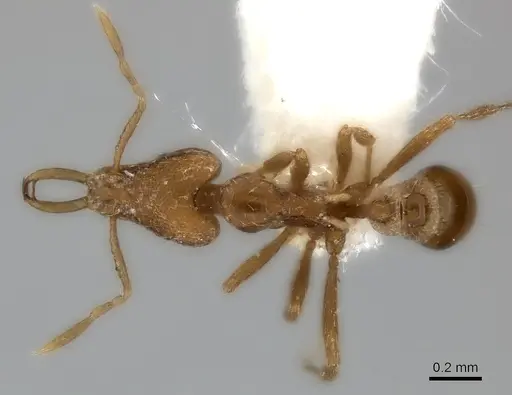
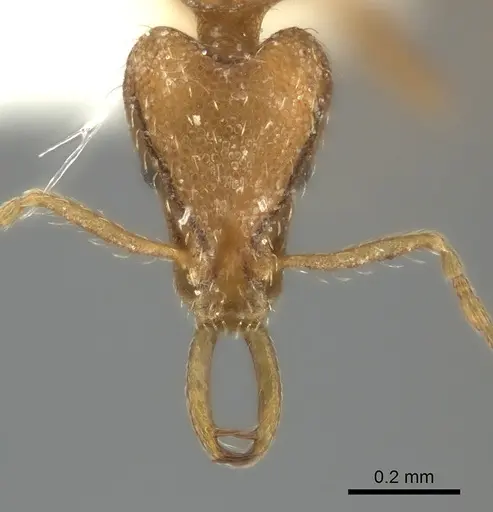
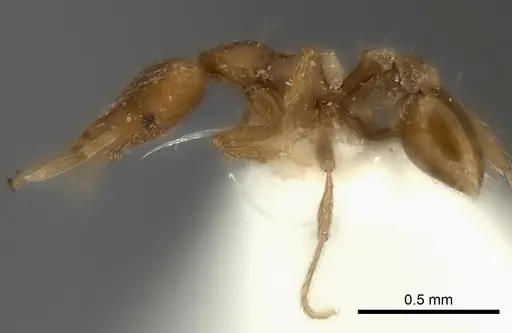
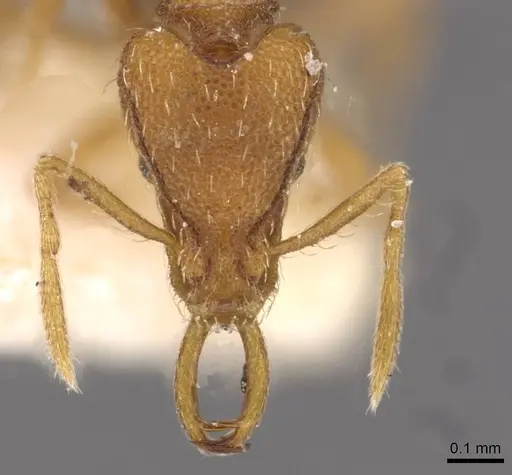
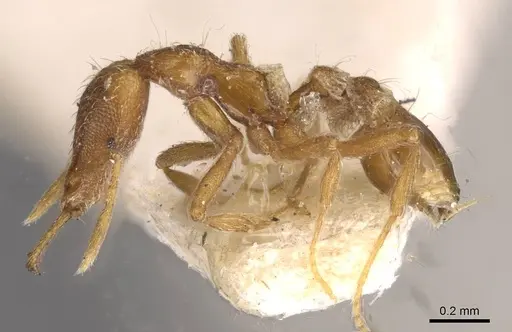
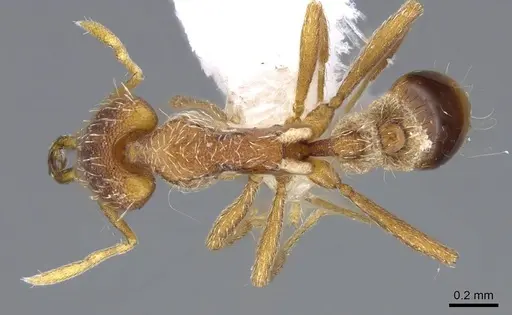
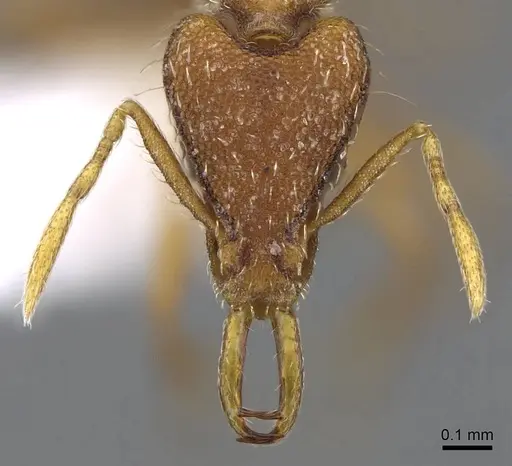
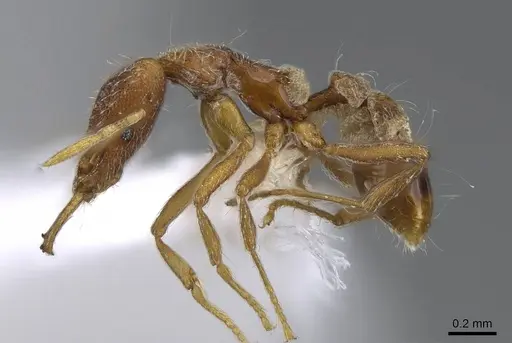
Strumigenys juliae is a tiny predatory ant measuring 1.9-2.4 mm in total length, belonging to the Myrmicinae subfamily and Attini tribe . Workers have a dark brown to black body with a smooth, shiny surface. Like many in its genus, it uses trap-jaw mandibles to snap shut on small prey such as springtails . The species is part of the godeffroyi-complex within the Strumigenys godeffroyi group . This ant lives in the leaf litter of wet tropical forests across Southeast Asia, including Borneo, Indonesia, Malaysia, the Philippines, Singapore, Thailand, and Vietnam . It has been collected in primary forest, secondary forest, mature forest, and even rubber plantations, showing some flexibility but a clear preference for humid, shaded spots . They are specialized predators of tiny soil arthropods, not generalist foragers.
Quick Summary
- Difficulty: Hard
- Origin & Habitat: Southeast Asia: Borneo, Indonesia (Java, Lesser Sunda Islands), Malaysia, Philippines, Singapore, Thailand, Vietnam. Lives in leaf litter in wet forests, including primary, secondary, and mature rubber plantations [1][2].
- Colony Type: Colony structure is unconfirmed. Most Strumigenys species have single-queen colonies, but specific data for S. juliae is missing.
- Size & Growth:
- Queen: Undocumented, estimated 3-4 mm based on related Strumigenys species
- Worker: 1.9-2.4 mm total length [1]
- Colony: Probably under 200 workers based on typical Strumigenys colony sizes
- Growth: Slow
- Development: Estimated 8-12 weeks at optimal temperature, based on genus patterns (Development time is unconfirmed for this species. Small predatory ants generally develop slower than omnivorous ones.)
- Antkeeping:
- Temperature: Keep at 24-28°C. These are tropical forest ants that need warm, stable conditions. A small heating mat on one side can create a gradient.
- Humidity: High humidity is critical. Keep the nest substrate consistently moist but not waterlogged, mimicking damp forest floor. Use a test-tube setup or a sealed enclosure with damp substrate.
- Diapause: Probably not needed, as this is a tropical species. They may slow down in cooler seasons but don't require true hibernation.
- Nesting: In nature, they live in leaf litter and soil. In captivity, use a small naturalistic setup with moist substrate (e.g., soil-coco fiber mix) or a test tube inside a humid box. Keep chambers small to match their tiny size.
- Behavior: Strumigenys juliae is a specialized predator that hunts springtails and other micro-arthropods using fast-snapping mandibles. Workers forage alone through the substrate rather than in trails. They have a functional stinger (like most Myrmicinae) but it's not medically significant to humans. Their tiny size (under 2.5 mm) means they can escape through very small gaps, so escape-proofing is essential. They are not aggressive toward keepers.
- Common Issues: tiny size makes escape prevention difficult, use fine mesh (≤0.5 mm) and tight seals, specialized diet, they rely on live springtails, without a stable culture they will starve, high humidity needs can lead to mold if ventilation is poor, balance moisture with air exchange, slow growth can tempt keepers to overfeed or disturb the nest, which can stress the queen, wild-caught colonies may harbor mites or parasites that are hard to treat
Housing and Setup
Set up a small nest that mimics leaf-litter conditions. A test tube kept inside a plastic tub with damp substrate works well. Alternatively, a small naturalistic formicarium with moist soil-coco fiber mix allows workers to dig. Since they are tiny, use tight chambers and narrow passages. A layer of leaf litter or moss on top helps hold humidity and gives them a hunting zone. Keep the setup warm (24-28°C) and away from direct sun. [1][2]
Feeding and Diet
This is the hardest part: Strumigenys juliae needs live springtails. Their trap-jaw mandibles are built to catch fast, tiny prey. Before you get the ants, start a springtail culture. Offer springtails every few days. Some keepers also add tiny insects like booklice, dust mites, or small fruit-fly larvae, but live springtails should be the main food. Remove uneaten prey after a day or two to avoid mold. [2]
Temperature and Humidity
These tropical ants need warmth and constant high humidity. Keep temperature between 24°C and 28°C. A small heat mat on one side of the enclosure can help if your room is cooler. Humidity should be very high: the substrate should always feel moist but not soaked. Mist the enclosure regularly, but also provide ventilation to stop mold. A test tube with a water reservoir is a good way to keep the nest humid while the outer box holds a moister environment. [1][2]
Behavior and Colony Life
Workers are solitary hunters that patrol through the substrate. They don't form clear foraging trails. Their trap-jaw snap is fast enough to catch springtails in milliseconds. Based on other Strumigenys species, colonies are small, likely under 200 workers. Queens probably start colonies alone, but this specific behavior hasn't been studied for S. juliae. They have a stinger typical of Myrmicinae, but it's not dangerous to people. Keepers should still avoid getting stung if sensitive. [2]
Growth and Development
There's no published data on development times for S. juliae. Based on similar small predatory ants, expect 8-12 weeks from egg to worker at about 26°C. The first workers (nanitics) will be smaller than later ones. Colonies stay small and grow slowly. Don't disturb them often, stress can cause the queen to stop laying or workers to die. Patience is key with this species.
Common Problems
The top killer is starvation, without a steady supply of live springtails the colony will die. Escape is another big risk, seal every gap with fine mesh (0.5 mm or smaller). High humidity often leads to mold, especially in small setups. Keep the enclosure ventilated but humid. Wild colonies may bring in parasites. Their slow growth frustrates some keepers, but overfeeding or checking too often harms them more than it helps. [2]
Frequently Asked Questions
Can I keep Strumigenys juliae in a test tube?
Yes, but put the test tube inside a larger container with damp substrate to keep humidity high. Use a water plug in the tube and change it if it dries out. You will also need a hunting area outside the tube where you can release live springtails.
What do Strumigenys juliae eat?
Only live springtails and other micro-arthropods. They won't eat sugar water or standard ant foods. You must have a springtail culture ready before you get the ants.
How long does it take for first workers to appear?
It likely takes 8-12 weeks from egg to first worker at around 26°C. This is an estimate because exact data for S. juliae isn't available.
Are Strumigenys juliae good for beginners?
No. Their specialized diet, high humidity needs, tiny size, and slow growth make them a hard species. Beginners should start with easier ants like Lasius niger or Messor barbarus.
How big do Strumigenys juliae colonies get?
Probably under 200 workers at maturity. Most Strumigenys species stay small.
Do Strumigenys juliae need hibernation?
No. They are tropical and don't need a cold diapause. Their activity may drop slightly in cooler months, but that's normal.
Why are my Strumigenys juliae dying?
Common causes: no springtails (starvation), humidity too low (below 60%), escape, mold from poor ventilation, or hidden parasites. Check temperature (24-28°C) and humidity first.
Can I keep multiple queens together?
It hasn't been documented. Most Strumigenys are single-queen, so it's not recommended to try without evidence they can coexist.
When should I move them to a formicarium?
Wait until the colony has a decent number of workers and is actively hunting. Moving too early can stress the queen. A small naturalistic setup is better than a big formicarium.
What temperature do Strumigenys juliae need?
24-28°C. Use a small heat mat on one side of the enclosure if needed. Avoid direct heat on the nest.
Is Strumigenys juliae invasive anywhere?
No. Its range is limited to Southeast Asia (Borneo, Indonesia, Malaysia, Philippines, Singapore, Thailand, Vietnam). It is not reported as invasive elsewhere [1].
Report an Issue
The current care sheet is based fully on literature. See inconsistencies, or something that's incorrect? Please , it will be resolved after review from an admin. Contributing to the blogs tab also helps providing information, to make us be able to further improve the caresheets. Thank you for your support!
References

This caresheet is licensed under CC BY-SA 4.0 .
Community Blogs
Literature
Loading distribution map...Loading products...