
Strumigenys infidelis
- Sci. Name
- Strumigenys infidelis
- Tribe
- Attini
- Subfamily
- Myrmicinae
- Author
- Santschi, 1919
- Distribution
- Found in 1 countries
Introduction
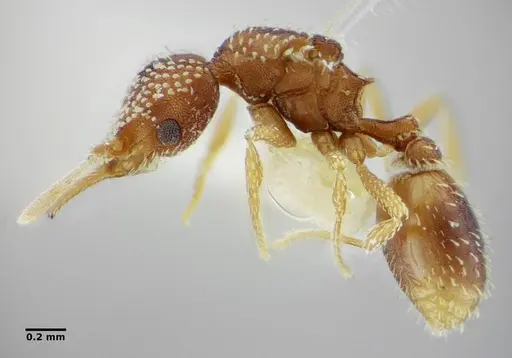
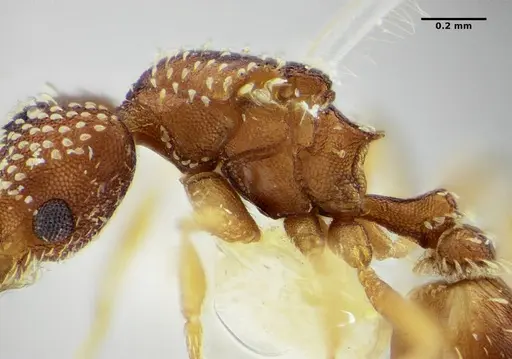
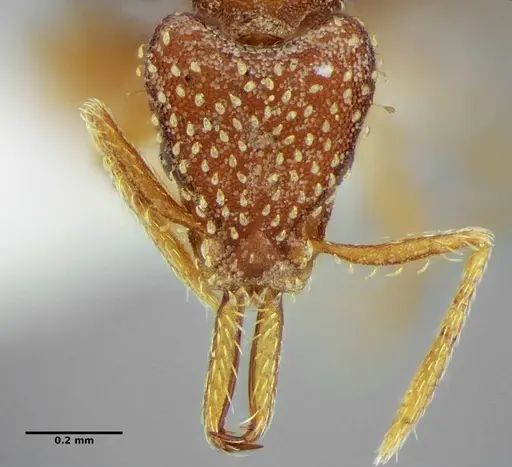
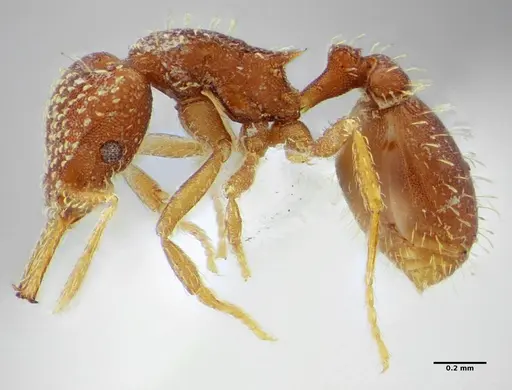
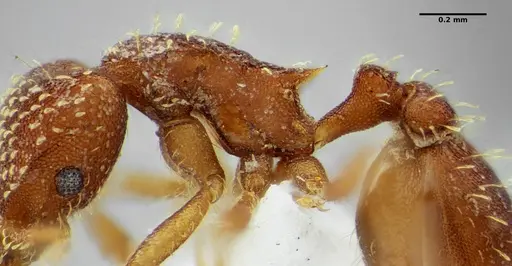
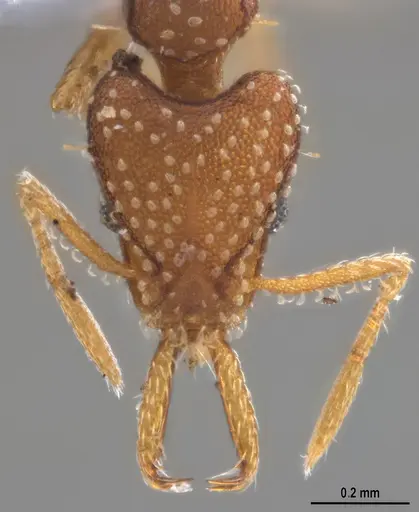
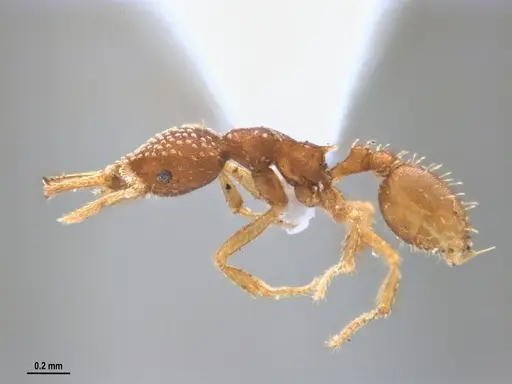
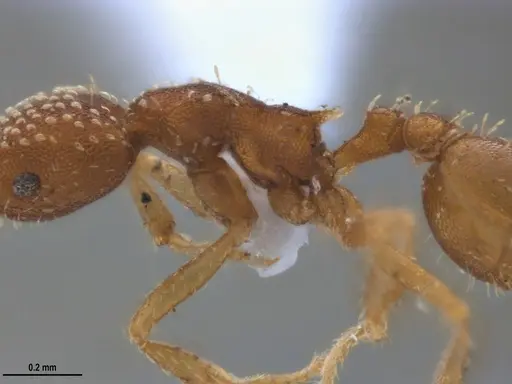
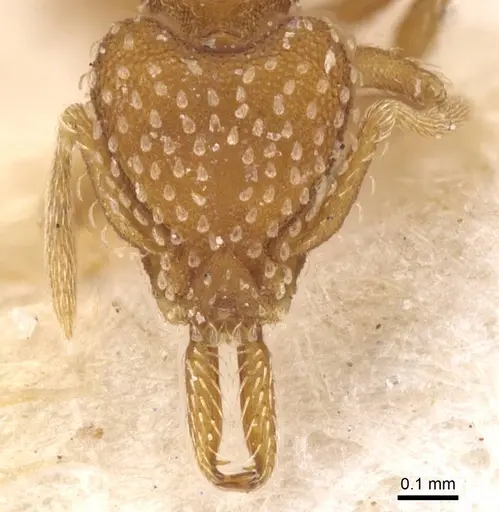
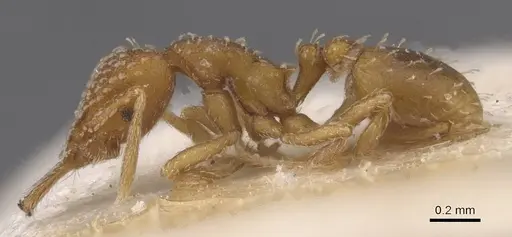
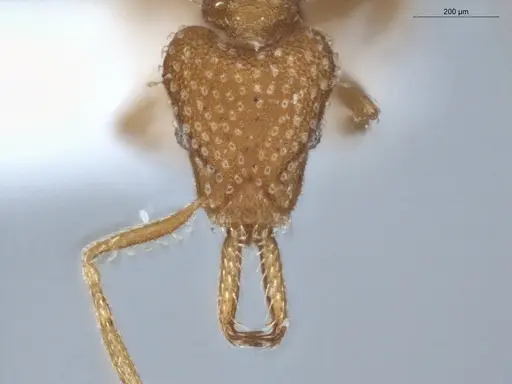
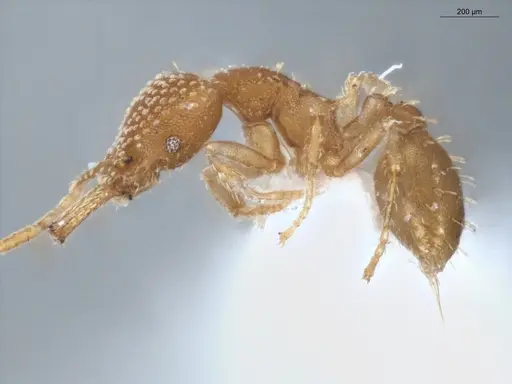
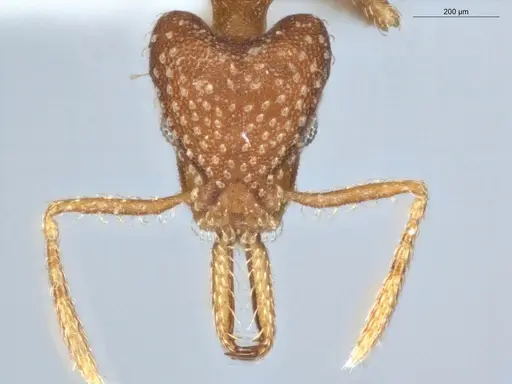
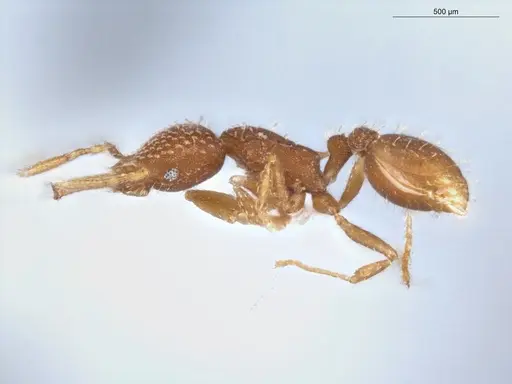
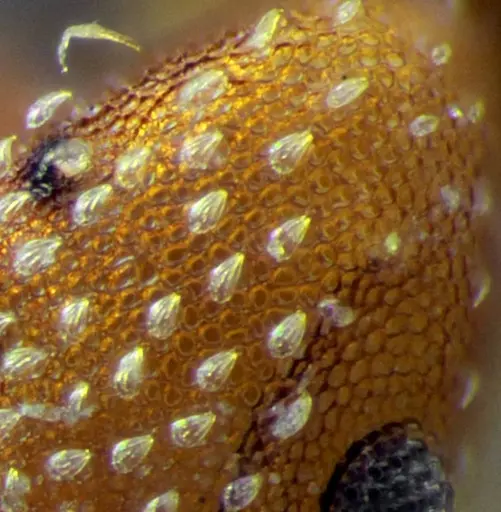
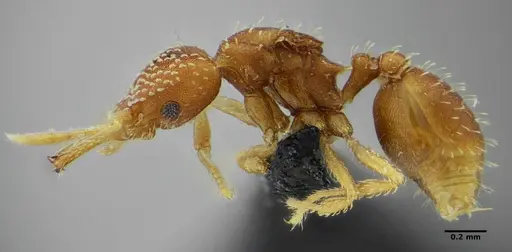
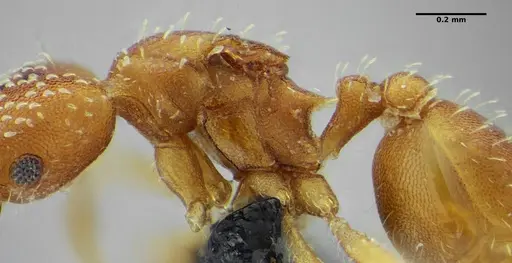
Strumigenys infidelis is a minute ant measuring just 2.0-2.2 mm in total length, placing it among the tiniest members of the Dacetini tribe . Workers have a distinctive morphology: the mandibles lack a denticle proximal to the preapical tooth, the postbuccal groove is deep and narrow, and the head and mesosoma bear short remiform hairs . This species was originally described from Argentina and later revived from synonymy with Strumigenys louisianae . It belongs to the Strumigenys louisianae group and is separated from that species by the absence of flagellate humeral hairs . Native to the Neotropical region (Argentina, Bolivia, Brazil, Venezuela), it has been collected in a range of habitats including cloud forests, primary forests, grasslands, reforested areas, and pastures . As a specialist predator of the leaf-litter layer, it plays a role in controlling populations of tiny soil arthropods .
Quick Summary
- Difficulty: Expert
- Origin & Habitat: Native to Argentina, Bolivia, Brazil, and Venezuela [1]. Inhabits cloud forests, plantain plantings, primary forests, natural grasslands, reforestation areas, and pastures [1][3][4][5]. Most records come from leaf litter in humid environments, including the Amazon rainforest and high-altitude grasslands [6][4].
- Colony Type: Colony structure is unconfirmed. Based on related Dacetini species, it is likely monogyne (single queen) with small colony sizes typical of litter-dwelling specialist predators.
- Size & Growth:
- Queen: Unknown, queens have not been specifically described in available literature.
- Worker: 2.0-2.2 mm total length [1]
- Colony: Likely under 100 workers at maturity, inferred from typical colony sizes of other litter-dwelling Dacetini.
- Growth: Slow, based on typical Dacetini patterns.
- Development: Estimated 8-12 weeks at optimal temperature, based on typical Dacetini development. (Development timeline is unconfirmed for this species, figures are estimates from related species.)
- Antkeeping:
- Temperature: Estimated 24-28 °C (based on tropical origin). Provide a thermal gradient so ants can self-regulate.
- Humidity: High humidity, the substrate should stay consistently damp but not waterlogged. Their cloud forest and leaf-litter habitat indicates a need for moist microclimates [1][6].
- Diapause: No, as a tropical species, they do not require a true diapause. Maintain stable warm conditions year-round.
- Nesting: Provide a naturalistic setup with a deep layer of moist coco fibre or soil topped with leaf litter and small twigs. Y‑tong or plaster nests with small chambers and high humidity also work. Escape prevention is critical: use fine mesh and check all seals.
- Behavior: Workers are cryptic and slow-moving, spending most of their time hunting small arthropods in the leaf litter. They are not aggressive toward keepers but can deliver a sting if handled, as is typical for Myrmicinae ants, they possess a functional stinger. Their tiny size (2 mm) makes them extremely vulnerable to escaping through any gap, rigorous escape-proofing is essential. They forage mainly in the evening and night.
- Common Issues: escape prevention is critical, standard barriers often fail with ants this small., specialised diet makes feeding difficult, they require live micro-prey such as springtails., slow colony growth can discourage keepers expecting rapid expansion., high humidity needs conflict with ventilation, mold can quickly become a problem if air exchange is poor., wild‑caught colonies may carry parasites that can kill the entire colony in captivity.
Housing and Nest Setup
Because Strumigenys infidelis lives in leaf litter, a naturalistic terrarium‑style setup works best. Use a shallow container filled with moist coco fibre or a soil mixture, topped with dried leaves, twigs, and other debris to create a litter layer they can forage through [6]. The substrate should remain consistently damp but not waterlogged. If using a formicarium, choose a Y‑tong or plaster nest with small, tight chambers that retain high humidity. These tiny ants can squeeze through gaps that seem invisible, so use fine mesh barriers and check all connection points regularly. Avoid acrylic nests, they do not hold moisture well enough for this species.
Feeding and Diet
This species is a specialist predator of small soil arthropods [5]. In captivity, live springtails (Collembola) appear to be essential, they are the most likely natural prey, though this has not been confirmed for S. infidelis specifically. You can also try tiny mites, booklice (psocids), and freshly hatched fruit‑fly larvae, but springtails should form the staple. Dead prey, sugar water, and standard ant foods will be ignored. Provide small amounts of live food every 2-3 days, and remove any uneaten prey after 24 hours to prevent mold. A steady supply of springtails is the single most important factor for keeping this ant alive.
Temperature and Humidity
These tropical ants need warmth: aim for 24-28 °C. Use a small heat mat on one side of the enclosure to create a gradient so workers can choose their preferred temperature. Avoid letting the nest drop below 22 °C for extended periods. Humidity must be high, the substrate should feel damp, and you should see occasional condensation on the nest walls. Mist lightly when the condensation disappears, but avoid creating standing water. Good ventilation is essential to prevent mold while maintaining the moist environment. Their cloud‑forest and leaf‑litter origins [1] demand these conditions.
Behavior and Temperament
Strumigenys infidelis workers are cryptic and slow‑moving. They spend most of their time patrolling the leaf litter for tiny prey. They are not aggressive toward keepers, but they can sting if handled, a characteristic of the Myrmicinae subfamily. The sting is not medically significant to humans. Because of their minute size, they are easily overlooked and can escape through the tiniest gap. Always inspect the enclosure for potential exits. They forage more actively in low light and at night. Observing them requires a magnifying glass or macro lens. [1]
Colony Development
Colony growth is slow, typical for specialist predators that invest heavily in each individual. After the first workers (nanitics) emerge, the colony builds up numbers gradually. Although exact numbers are unknown for this species, mature colonies of related Dacetini often stay below 100 workers. Be patient: from egg to first worker takes roughly 8-12 weeks at optimal temperature. Stress can cause the queen to abandon the brood, so disturb the nest as little as possible during founding. Once established, colonies are reasonably robust but remain sensitive to drying out and temperature drops. [1]
Frequently Asked Questions
Can I keep Strumigenys infidelis in a test tube?
Test tubes are not ideal. These ants naturally live in leaf litter, so a naturalistic setup with moist substrate and leaf litter is much better. If you must use test tubes, connect several with very tight cotton barriers and add a small container of damp leaf litter as a foraging area.
What do Strumigenys infidelis ants eat?
They are specialist predators. Live springtails are almost certainly essential, but their exact diet is not fully documented. Offer springtails as the staple, small mites, booklice, and tiny fruit‑fly larvae may also be accepted. Dead prey and sugar sources will not be eaten.
How long does it take for the first workers to emerge?
The egg‑to‑worker time is unconfirmed for this species, but based on related Dacetini it likely takes 8-12 weeks at 24-28 °C. Development is slow, this is normal for specialist predator ants.
Are Strumigenys infidelis good for beginners?
No, this is an expert‑level species. Their tiny size makes escape prevention very difficult, they demand a continuous supply of live micro‑prey, and they need precise humidity and warmth. Only experienced keepers should attempt to keep them.
How big do Strumigenys infidelis colonies get?
Colony size is likely under 100 workers at maturity. Most litter‑dwelling Dacetini maintain small colonies, investing in each individual rather than mass‑producing workers.
Do Strumigenys infidelis need hibernation?
No, as a tropical species, they do not require a diapause. Keep them warm year‑round (24-28 °C). They may slow down slightly during cooler weather, but they should not be subjected to prolonged cold.
Why are my Strumigenys infidelis dying?
Common causes include: temperature too low (below 22 °C), substrate drying out, lack of live springtail prey, escape through tiny gaps, and mold from poor ventilation. Check all these factors immediately. Wild‑caught colonies may also harbour parasites that kill them in captivity.
When should I move Strumigenys infidelis to a formicarium?
Wait until the colony is actively foraging and has at least 10-15 workers, though because of their small size and litter‑dwelling habits, many keepers prefer to keep them in a naturalistic setup permanently instead of moving them to a traditional formicarium.
Can I keep multiple queens together?
Colony structure is unconfirmed, and there is no evidence that multiple queens coexist in nature. Do not attempt to combine unrelated queens. If you obtain a queen, house her alone until workers appear.
Report an Issue
The current care sheet is based fully on literature. See inconsistencies, or something that's incorrect? Please , it will be resolved after review from an admin. Contributing to the blogs tab also helps providing information, to make us be able to further improve the caresheets. Thank you for your support!
References

This caresheet is licensed under CC BY-SA 4.0 .
Community Blogs
ANTWEB1038993
View on AntWeb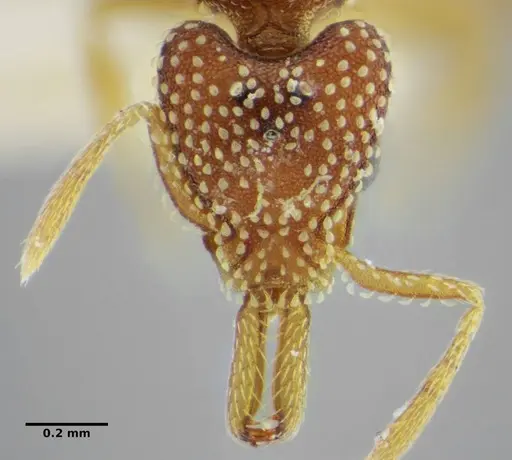
ANTWEB1041097
View on AntWeb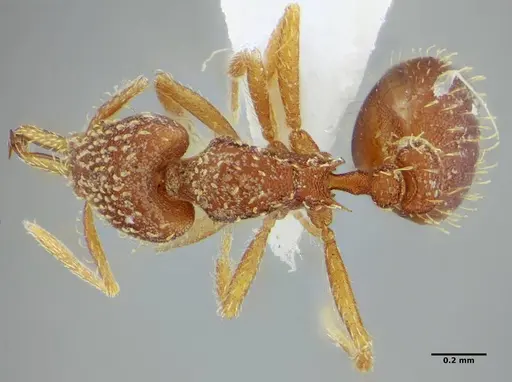
ANTWEB1053709
View on AntWeb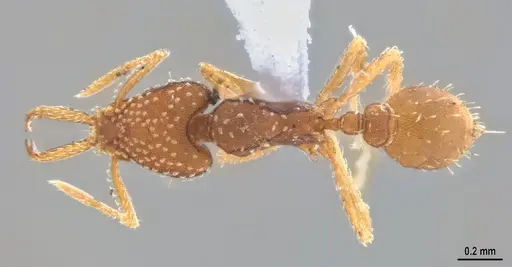
CASENT0912858
View on AntWeb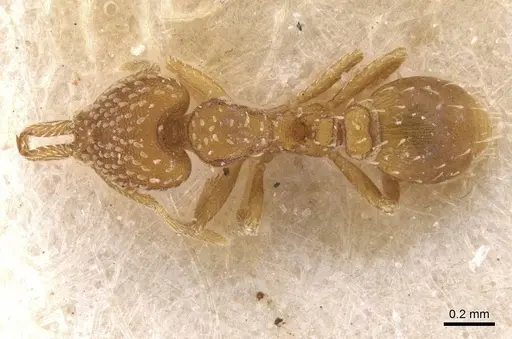
ECOFOG-SAV18-0228-05
View on AntWeb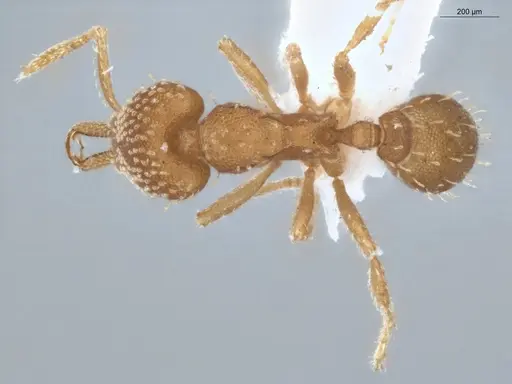
ECOFOG-SG17-0066-05
View on AntWeb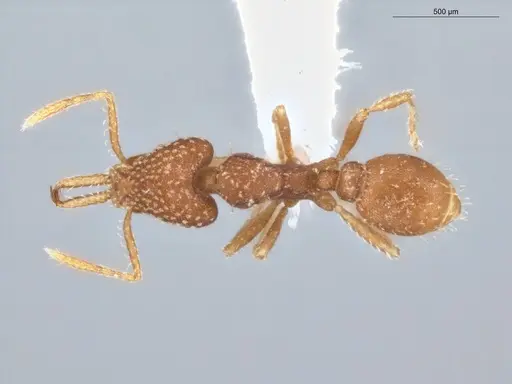
UFV-LABECOL-001523
View on AntWeb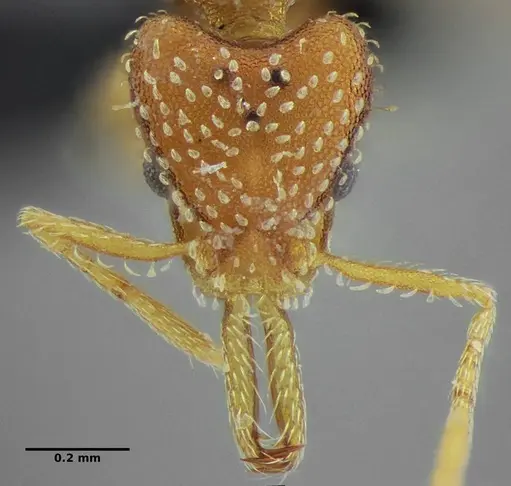
Literature
Loading distribution map...Loading products...