
Strumigenys hastyla
- Sci. Name
- Strumigenys hastyla
- Tribe
- Attini
- Subfamily
- Myrmicinae
- Author
- Bolton, 1983
- Distribution
- Found in 4 countries
Introduction
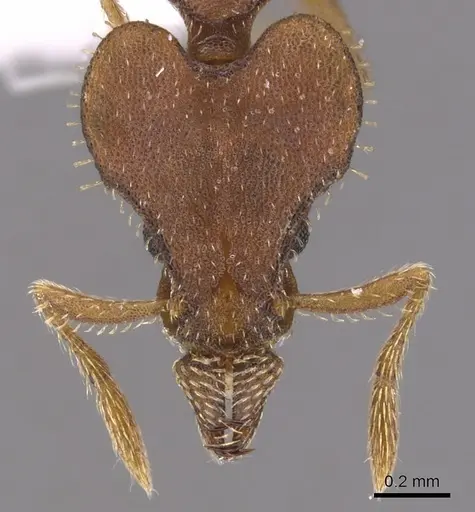
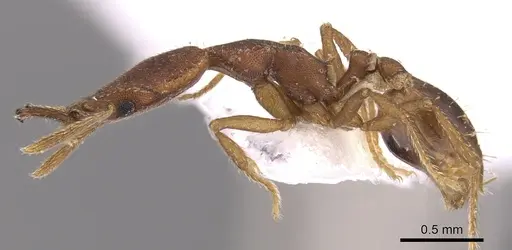
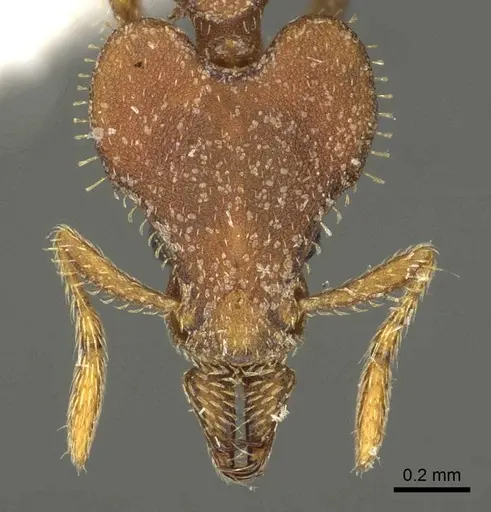
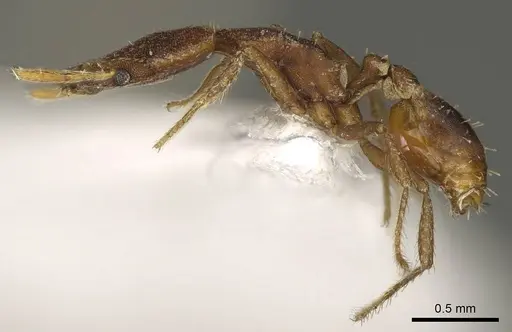
Strumigenys hastyla is an ant speciesof the genusStrumigenys , belonging to the subfamily Myrmicinae and tribe Attini . It is documented in 4 countries , including Central African Republic, Gabon, Togo . Queens are semi-claustral and forage during colony founding.
Frequently Asked Questions
What makes Strumigenys hastyla 'trap-jaw ants'?
Strumigenys hastyla, like many in their genus, possess unique 'trap-jaw' mandibles. These mandibles can snap shut at incredibly high speeds, allowing them to ambush and capture small, quick-moving prey, most notably springtails. It's a fascinating predatory adaptation!
What is the best food for Strumigenys hastyla?
The best diet for Strumigenys hastyla consists almost exclusively of live springtails (Collembola) or similarly tiny arthropods. They are specialized predators, so offering dead insects or common ant foods like sugar water won't sustain them. You'll need a reliable culture of springtails to keep your colony fed.
How big do Strumigenys hastyla colonies get?
Strumigenys hastyla colonies are generally on the smaller side. You can expect a mature colony to range from a few tens to a few hundreds of workers. They won't form the massive supercolonies seen with some other common ant species, making them suitable for smaller setups.
What kind of nest is best for Strumigenys hastyla?
For Strumigenys hastyla, a small formicarium that allows for high humidity and incorporates natural substrates like fine soil, leaf litter, and small rotten wood fragments is ideal. They thrive in setups that mimic their natural leaf litter and decaying wood habitats, often preferring a deep layer of substrate. Test tube setups with a large foraging area can also work for founding colonies.
Do Strumigenys hastyla sting or bite?
Strumigenys hastyla are not known to sting humans. While they possess powerful mandibles, these are used for prey capture and not typically for defense against large threats like a curious ant keeper. Their small size also means any bite would be insignificant.
Are Strumigenys hastyla good for beginner ant keepers?
Strumigenys hastyla are considered to be of 'Medium' difficulty to keep. They aren't recommended for absolute beginners due to their specific dietary requirements (live prey like springtails) and their critical need for high, consistent humidity. If you're new to antkeeping, it might be better to start with an easier species before delving into specialized predators like these.
Where do Strumigenys hastyla naturally live?
Strumigenys hastyla are native to the Afrotropical Region, found in countries such as Angola, Burundi, Cameroon, and Nigeria. Their natural habitat is typically dense rainforests and swamp forests, where they forage and nest within the moist leaf litter and decaying wood on the forest floor.
Do Strumigenys hastyla need diapause?
Given their tropical origin, Strumigenys hastyla do not typically require a diapause period. They are accustomed to stable, warm temperatures and high humidity year-round in their natural environment. Maintaining consistent conditions is key to their health.
How fast do Strumigenys hastyla colonies grow?
Strumigenys hastyla colonies generally exhibit a slow growth rate. Don't expect rapid expansion or huge numbers of workers quickly. Patience is essential when keeping these tiny, slow-growing colonies, as their population increases gradually.
How do Strumigenys hastyla hunt their prey?
These fascinating ants are ambush predators. They typically wait for unsuspecting springtails or other small arthropods to pass by. Once prey is within range, their trap-jaw mandibles snap shut with incredible speed, immobilizing or killing the prey almost instantly. It's truly a marvel to witness!
Is mold a concern with Strumigenys hastyla?
Yes, mold can be a significant concern when keeping Strumigenys hastyla due to their requirement for high humidity. It's crucial to ensure good ventilation in the foraging area and to remove any uneaten food promptly to prevent mold growth, which can be detrimental to the colony's health.

This caresheet is licensed under CC BY-SA 4.0 .
Community Blogs
CASENT0102607
View on AntWeb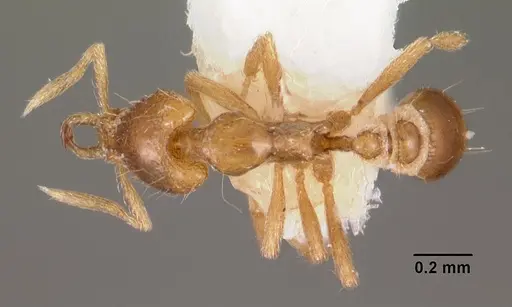
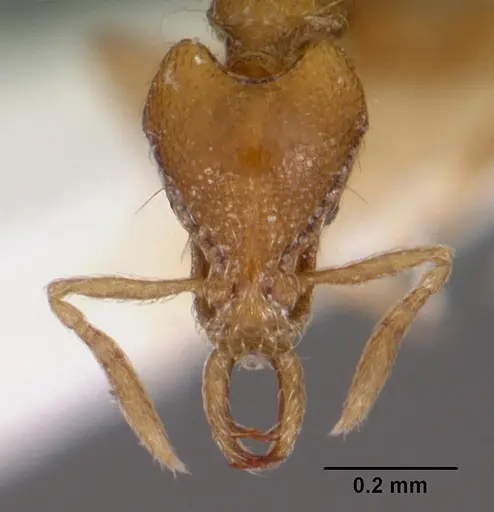
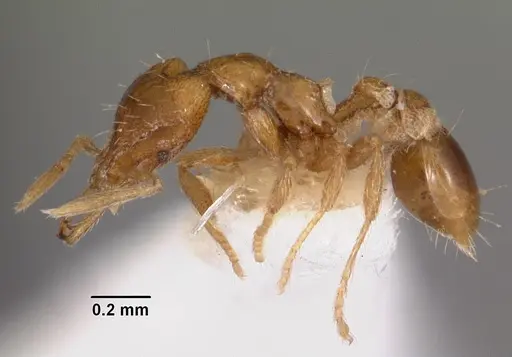
CASENT0411623
View on AntWeb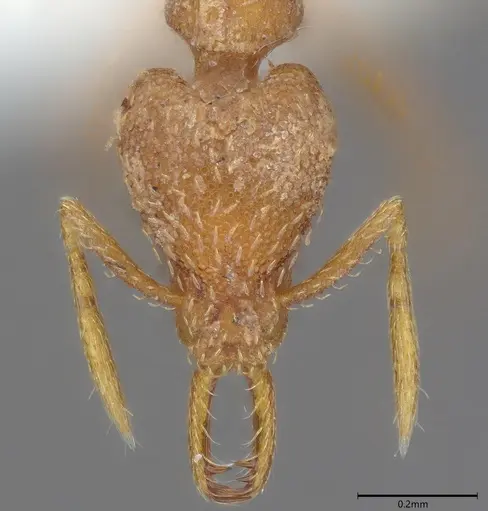
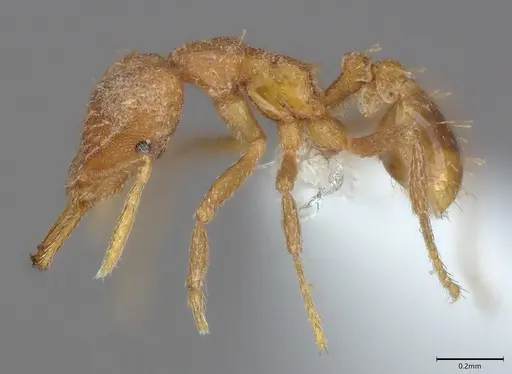
CASENT0900620
View on AntWeb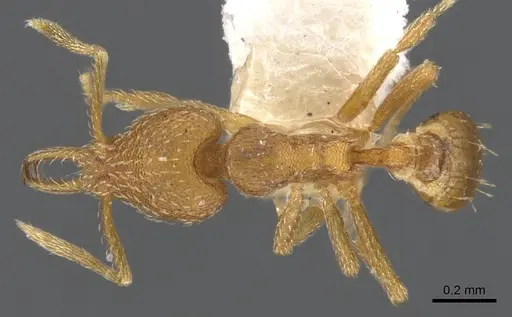
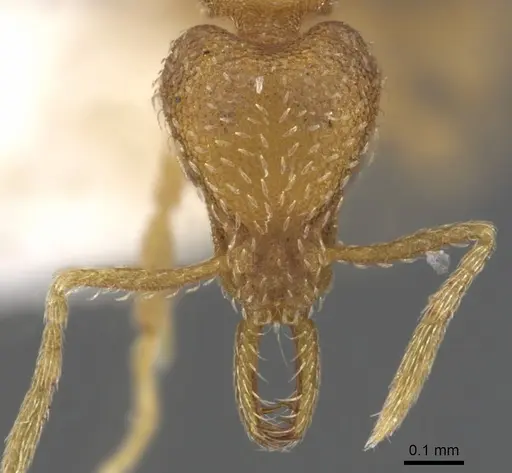
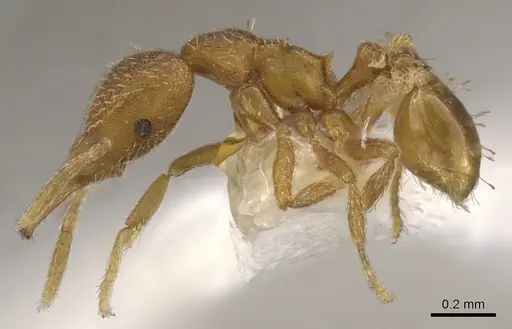
CASENT0900770
View on AntWeb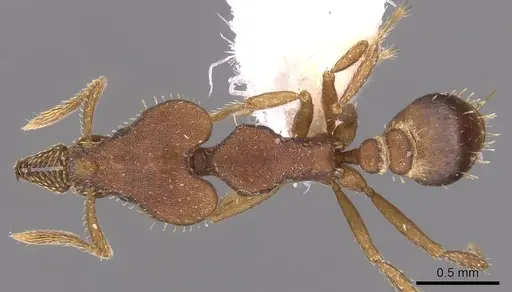
CASENT0915693
View on AntWeb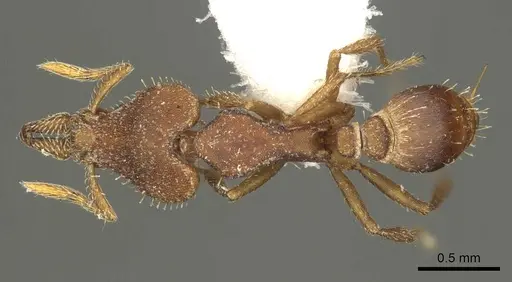
Literature
Loading distribution map...Loading products...