
Strumigenys godeffroyi
- Sci. Name
- Strumigenys godeffroyi
- Tribe
- Attini
- Subfamily
- Myrmicinae
- Author
- Mayr, 1866
- Distribution
- Found in 13 countries
Introduction
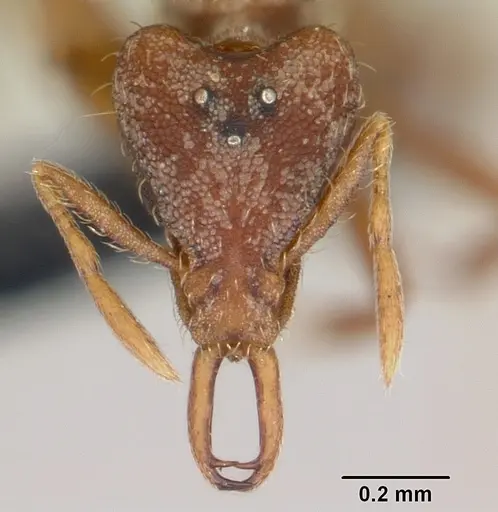
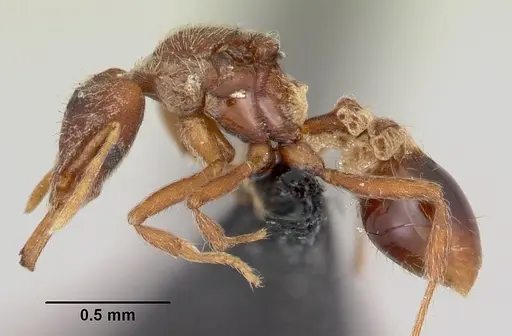
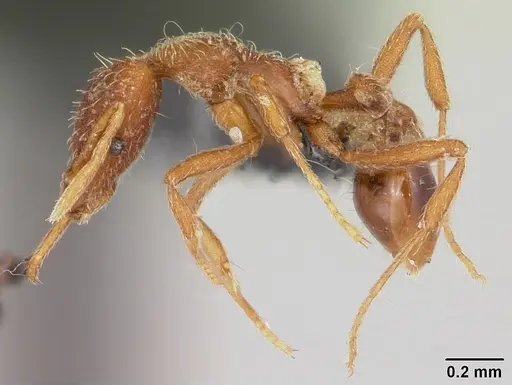
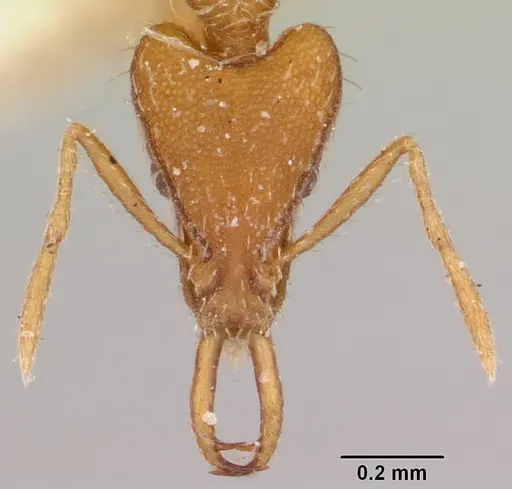
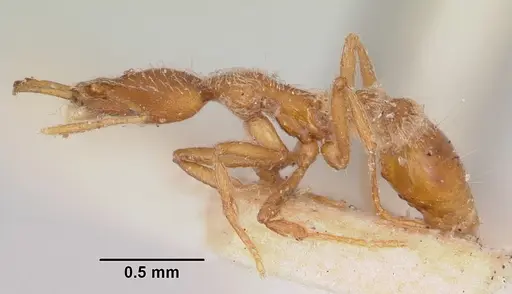
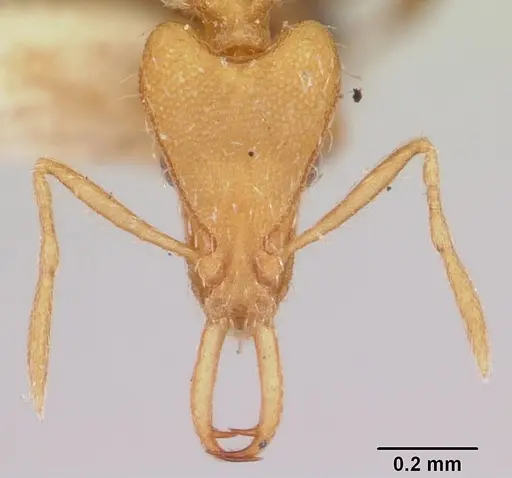
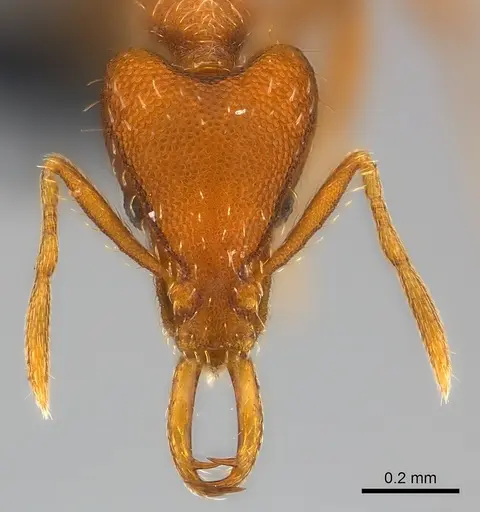
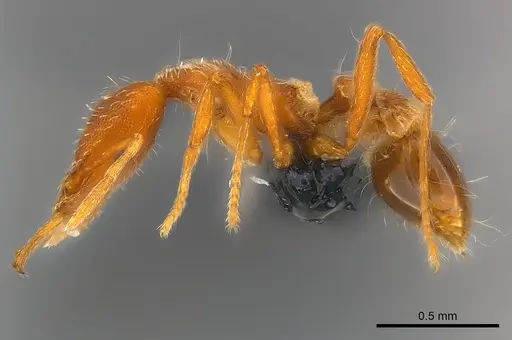
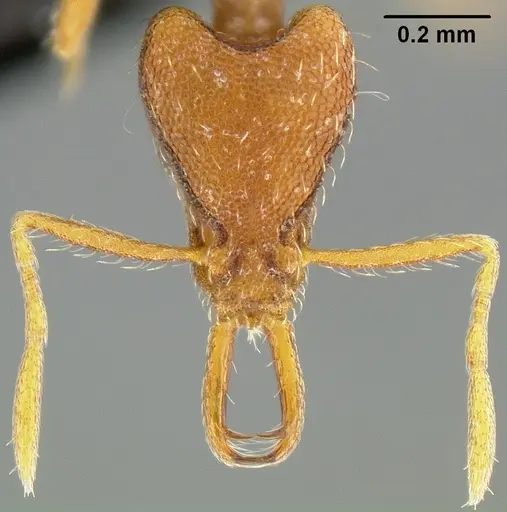
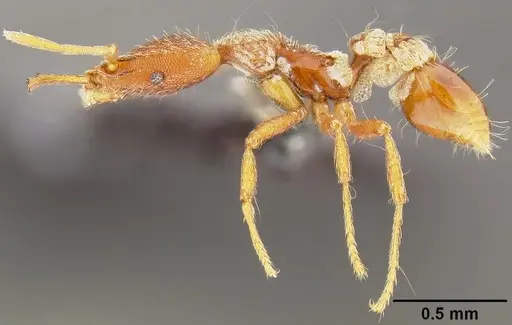
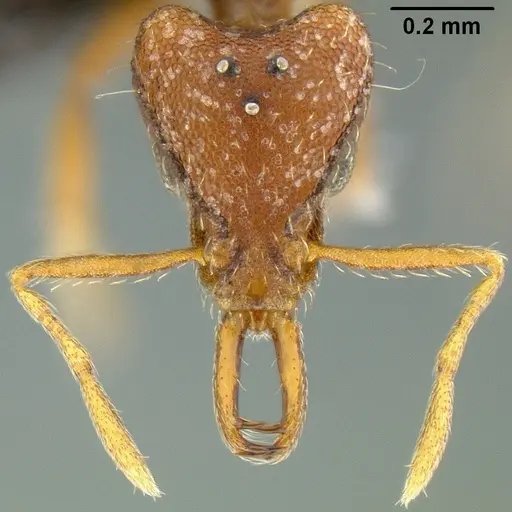
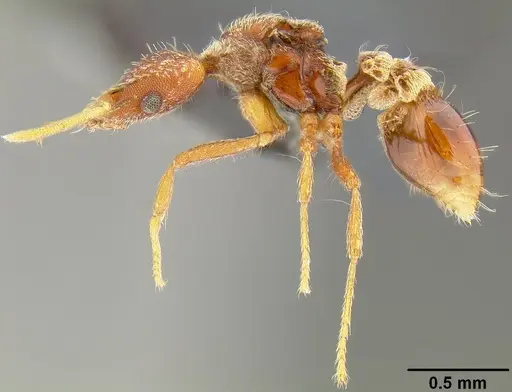
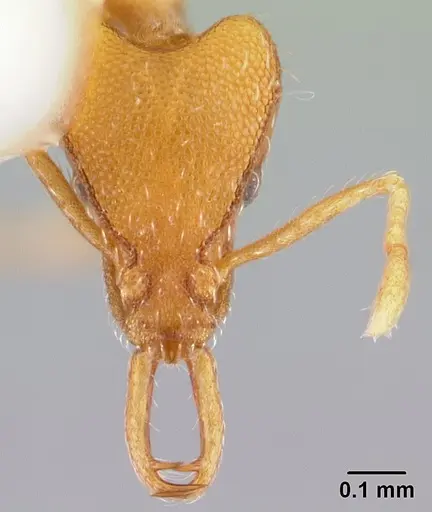
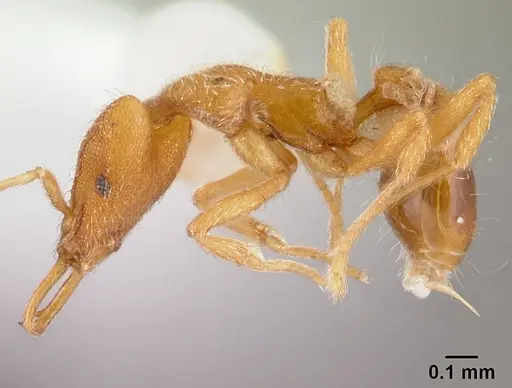
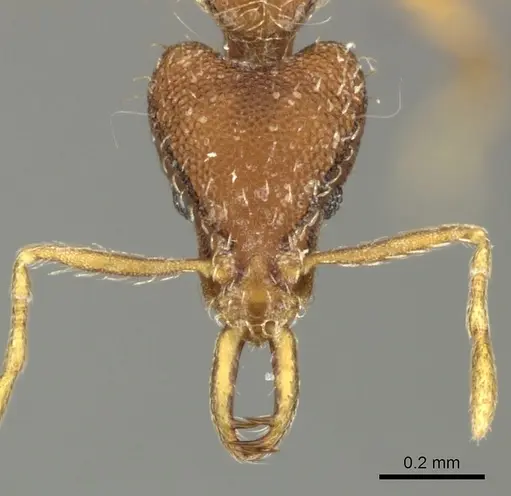
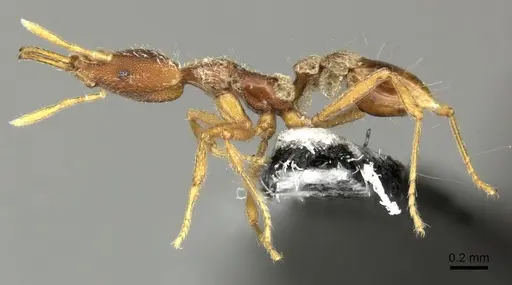
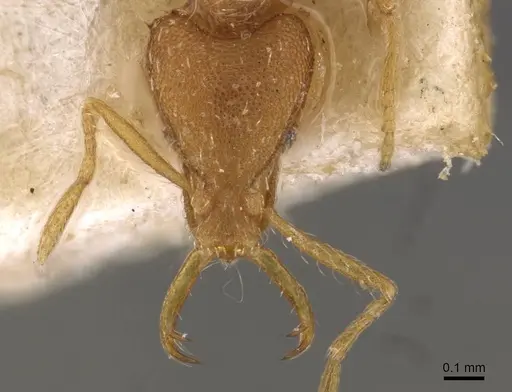
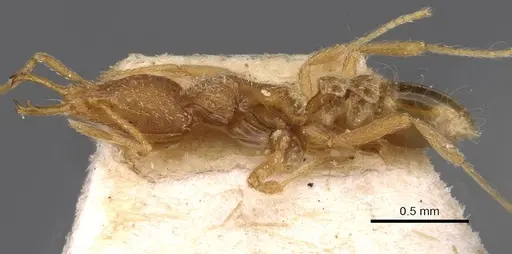
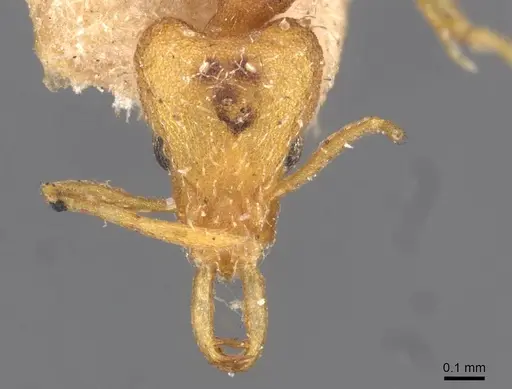
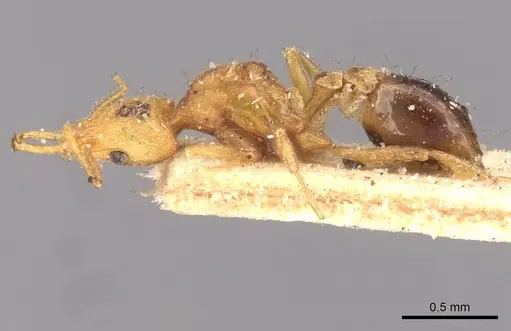
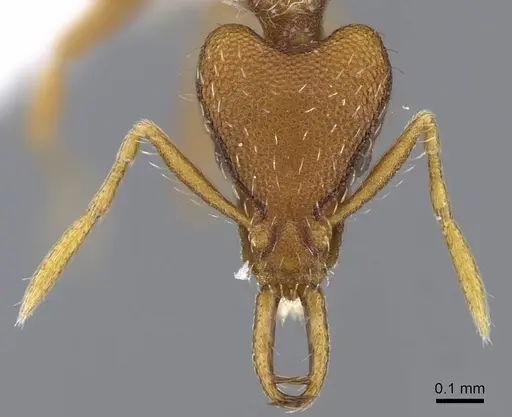
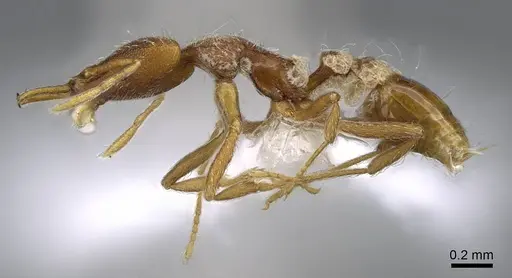
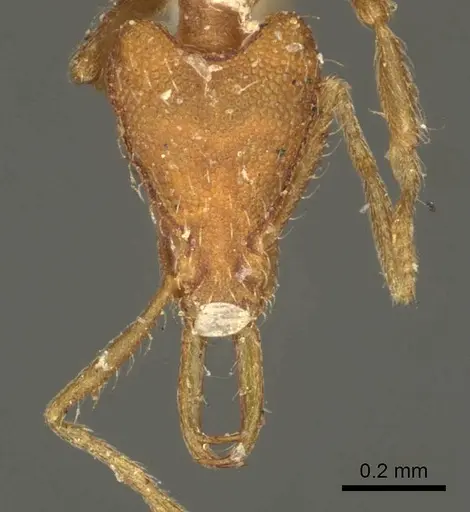
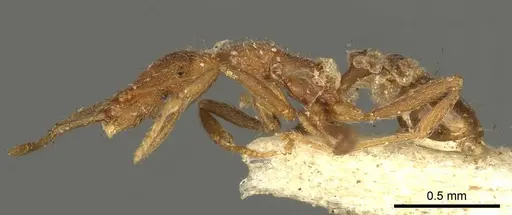
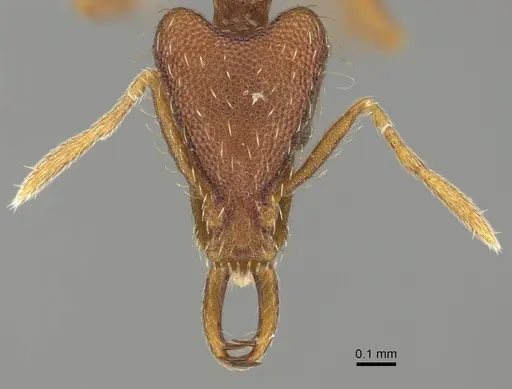
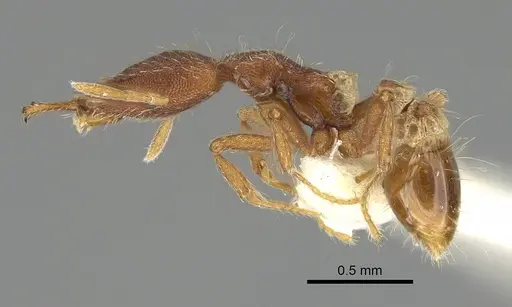
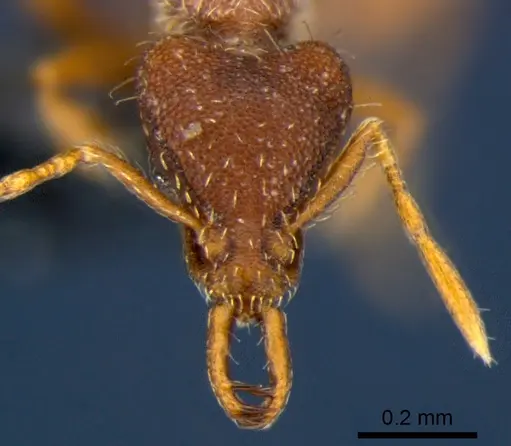
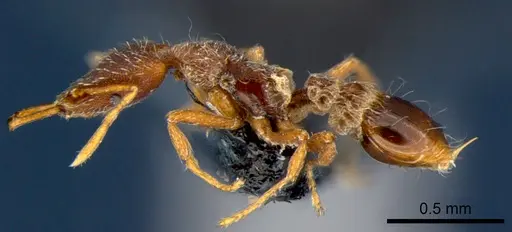
Strumigenys godeffroyi is a tiny predatory ant measuring just 2.1-2.5 mm in workers, easily recognized by its long trap‑jaw mandibles and dense cover of long, fine flagellate hairs over its reddish‑brown body . The propodeum has extensive spongiform material that covers the propodeal spines, giving these ants a somewhat fluffy appearance . Native to Southeast Asia (India, Malaysia, Indonesia, Philippines, Vietnam, Myanmar), this species has become a successful tramp - spread across the Pacific and Indian Oceans through human commerce. It’s been recorded in Fiji, Hawaii, Samoa, Tonga, New Caledonia, and many other islands . These ants are specialized predators that hunt springtails (Collembola) using their lightning‑fast trap‑jaw mandibles, making them fascinating but challenging to keep in captivity .
Quick Summary
- Difficulty: Medium
- Origin & Habitat: Native to the Oriental realm (India, Indonesia, Malaysia, Myanmar, Philippines, Singapore, Vietnam). Introduced across Pacific and Indian Ocean islands including Fiji, Hawaii, Samoa, Tonga, New Caledonia, Solomon Islands [6][3]. Found in leaf litter, under rocks, and in low‑ to mid‑elevation forest areas [5][7].
- Colony Type: Colony structure is not well documented. Based on typical Strumigenys patterns, likely single‑queen colonies with small worker counts, one study found a mean of 10 workers with a range of 1-72 [8].
- Size & Growth:
- Queen: Slightly larger than workers, exact measurements are not available in the literature [9]
- Worker: 2.1-2.5 mm TL [1][2], some reports give 2.5-3 mm [10]
- Colony: Up to around 100 workers, one study recorded a maximum of 72 [8]
- Growth: Slow, typical for small Myrmicinae with specialized diets
- Development: Estimated 8-12 weeks based on typical Strumigenys patterns (no direct data) (Development is temperature‑dependent, keep at 24-28°C for steady growth)
- Antkeeping:
- Temperature: Tropical species, keep at 24-28°C. Avoid prolonged temperatures below 22°C.
- Humidity: High humidity is essential, think damp forest floor leaf litter. Keep the nest substrate consistently moist but not waterlogged
- Diapause: No, tropical species with no hibernation requirement. Keep warm year‑round
- Nesting: Prefers moist, snug spaces. A test tube setup works for founding and small colonies. For established colonies, use a small formicarium with moist soil or plaster. Avoid large open spaces, these ants are cryptic and feel secure in tight, humid chambers [5][7].
- Behavior: Docile, cryptic ants that spend most of their time hunting springtails in leaf litter. They are not aggressive and will flee rather than fight. Their trap‑jaw mandibles are designed for prey capture, not defense. Because of their tiny size (2-3 mm), escape prevention is critical, they can squeeze through very small gaps. Colonies remain small and inconspicuous.
- Common Issues: specialized diet, requires live springtails or tiny arthropods, which can be difficult to source consistently, tiny size means excellent escape prevention, inspect all seals and gaps, slow colony growth can be frustrating for keepers expecting rapid expansion, small colony size makes them vulnerable to disturbance, keep handling to a minimum, humidity requirements are critical, too dry and the colony will decline
Housing and Nest Setup
Strumigenys godeffroyi is a tiny ant that needs careful housing. Test tube setups work well for founding colonies and small groups, use a small test tube with a cotton barrier and water reservoir. For established colonies, a small formicarium or naturalistic setup with moist substrate is ideal. The key is maintaining high humidity while allowing some ventilation to prevent mold. Scale the nesting area to their tiny size, chambers should be small and snug. Because of their very small size, escape prevention must be excellent. Use tight‑fitting lids and consider applying Fluon or similar barriers to the rim of any formicarium. A layer of moist soil or plaster works well as a substrate. Avoid deep, open spaces, these ants are naturally cryptic and prefer tight, humid spaces similar to leaf litter environments [5][7].
Feeding and Diet
This is the most challenging aspect of keeping Strumigenys godeffroyi. They are specialized predators that primarily hunt springtails (Collembola) using their trap‑jaw mandibles [5]. In captivity, offer live springtails as their main food source. Other tiny live prey may be accepted experimentally, including very small fruit flies (Drosophila), booklice (Liposcelis), and other micro‑arthropods. Do not rely on sugar sources or standard ant feeds, these ants are obligate predators. Feed small prey items every 2-3 days, adjusting based on colony size and consumption. Remove uneaten prey after 24 hours to prevent mold. A well‑established springtail culture is essential for long‑term success. Some keepers have had limited success offering tiny pieces of insects, but live springtails remain the ideal food [5][9].
Temperature and Care
As a tropical species native to Southeast Asia and Pacific islands, Strumigenys godeffroyi requires warm temperatures. Keep the nest area at 24-28°C, this range matches their natural habitat. A heating cable or mat on one side of the nest can create a gentle temperature gradient, allowing ants to regulate their own warmth. Avoid temperatures below 22°C for extended periods, as this can slow activity and potentially harm brood development. Temperature stability is important, avoid drafts and major fluctuations. Since they come from humid tropical environments, maintain high humidity in the nesting area. A water tube attached to the nest helps maintain moisture. Monitor condensation levels, you should see some condensation but not excessive water pooling. Room temperature within the recommended range is acceptable if your home stays consistently warm.
Behavior and Temperament
Strumigenys godeffroyi is a docile, cryptic species that avoids confrontation. Workers are small and inconspicuous, typically foraging slowly through leaf litter and soil in search of springtails. They are not aggressive and will flee rather than fight when threatened. Their trap‑jaw mandibles are designed for hunting tiny prey, not for defense, they can deliver a mild pinch, but they are not dangerous to humans. The main behavioral concern for keepers is their small size and tendency to escape. They can squeeze through remarkably small gaps, so inspect all enclosures carefully. Colonies remain small throughout their lives, typically maxing out around 50-100 workers. Workers are relatively long‑lived, which helps compensate for slow colony growth. Observe their hunting behavior, it’s fascinating to watch them capture springtails with their lightning‑fast mandibles [5][4].
Colony Founding
Colony founding behavior for Strumigenys godeffroyi has not been directly documented in scientific literature. It is unknown whether they are claustral or semi‑claustral. If you acquire a founding queen, provide a small, humid test tube setup with moist cotton. Do not offer food during the founding stage unless you observe the queen foraging, claustral queens do not forage, but if semi‑claustral she may need prey. Place the setup in a warm, dark location and wait patiently. First workers (nanitics) will be smaller than normal workers and may take several months to emerge. Do not disturb the queen during this time, stress can cause her to abandon or consume her brood. Once workers emerge, begin offering tiny live prey very sparingly.
Growth and Development
Colony growth in Strumigenys godeffroyi is slow, which is typical for small Myrmicinae with specialized diets. The total development time from egg to worker is estimated at 8-12 weeks at optimal temperature (around 26°C), though this is not directly documented for this species. First workers (nanitics) will be smaller than mature workers and may have slightly reduced pilosity. Growth rate depends heavily on consistent access to appropriate prey, primarily springtails. A well‑fed colony may produce new workers every few weeks once established, but overall colony size remains small (typically under 100 workers). Workers are relatively long‑lived, which helps colonies persist despite slow growth. Patience is essential, do not overfeed in an attempt to speed growth, as excess prey can cause mold issues in their humid environment. Monitor brood development and adjust temperature slightly upward if growth seems stalled [8].
Frequently Asked Questions
Can I keep Strumigenys godeffroyi in a test tube?
Yes, test tubes work well for these tiny ants. Use a small test tube with a cotton barrier and water reservoir. Keep it humid and warm (24-28°C). For established colonies, you may eventually need a small formicarium or naturalistic setup with moist substrate, but test tubes are perfect for founding colonies and small groups. The key is maintaining humidity without flooding, use just enough water to keep the cotton moist [5].
How long until first workers in Strumigenys godeffroyi?
The exact timeline is not documented, but based on typical Strumigenys development, expect 8-12 weeks from egg to first worker at optimal temperature (around 26°C). First workers (nanitics) will be smaller than normal workers. Patience is essential, these ants grow slowly, and founding colonies can take several months before you see workers. Do not disturb the queen during founding.
What do Strumigenys godeffroyi eat?
They are specialized predators that primarily eat springtails (Collembola). In captivity, you must provide live springtails as their main food source. Other tiny live prey like fruit flies, booklice, or micro‑arthropods may be accepted. Do not rely on sugar water, honey, or standard ant feeds, these ants are obligate predators and will not survive on plant‑based foods. A springtail culture is essential for long‑term success [5][9].
Are Strumigenys godeffroyi good for beginners?
No, this species is not recommended for beginners. Their specialized diet (requiring live springtails), small size (escape risk), and humidity requirements make them challenging. They are best suited for experienced antkeepers who can provide consistent access to live prey and maintain proper humidity levels. If you’re new to antkeeping, start with a more forgiving species like Lasius or Tetramorium.
How big do Strumigenys godeffroyi colonies get?
Colonies remain small. One study found a mean colony size of 10 workers with a maximum of 72 workers [8]. In captivity, colonies likely max out around 50-100 workers. This is a small‑colony species that stays inconspicuous throughout its life. Do not expect large, bustling colonies, their appeal is in their fascinating hunting behavior, not colony size.
Do Strumigenys godeffroyi need hibernation?
No, they do not need hibernation. As a tropical species native to Southeast Asia and Pacific islands, they require warm temperatures year‑round (24-28°C). Do not expose them to cold temperatures or attempt to hibernate them. Keeping them at room temperature within their preferred range is sufficient. Cold stress can harm the colony and slow or stop brood development.
Why are my Strumigenys godeffroyi dying?
Common causes include: (1) lack of appropriate prey, they must have live springtails or tiny arthropods, (2) low humidity, their leaf litter habitat requires moist conditions, (3) temperature too low, keep at 24-28°C, (4) escape/dehydration, check that water tubes are working and enclosures are secure, (5) mold from overfeeding or poor ventilation. Review each of these factors and adjust accordingly. Small colonies are also vulnerable to stress from excessive disturbance.
Can I keep multiple queens together?
This has not been documented for this species. Strumigenys colony structures are not well studied, and combining unrelated queens is not recommended without evidence that they can coexist. In general, ant queens are territorial during founding, and combining them often leads to fighting. If you acquire multiple foundresses, house them separately until you have evidence they can form a polygynous colony.
When to move to a formicarium?
Move to a formicarium or larger setup when the test tube becomes crowded or the water reservoir runs low, typically when the colony reaches 20-30 workers. However, these ants prefer small, snug spaces, so do not give them an oversized formicarium. A small naturalistic setup with moist soil works well. Many keepers successfully keep mature colonies in modified test tube setups or small plaster nests. The key is maintaining humidity while providing enough space for the colony to expand slightly.
Report an Issue
The current care sheet is based fully on literature. See inconsistencies, or something that's incorrect? Please , it will be resolved after review from an admin. Contributing to the blogs tab also helps providing information, to make us be able to further improve the caresheets. Thank you for your support!
References

This caresheet is licensed under CC BY-SA 4.0 .
Community Blogs
CASENT0060224
View on AntWeb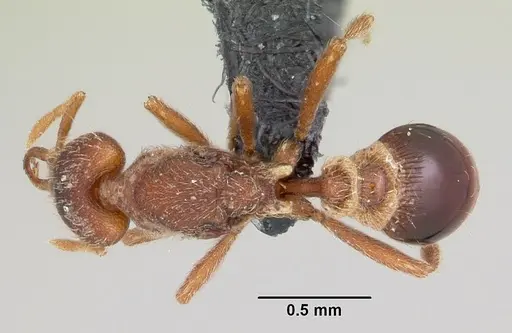
CASENT0060226
View on AntWeb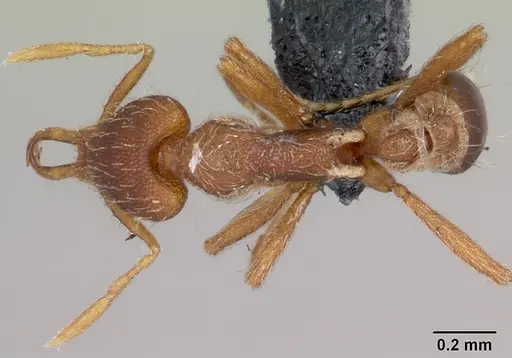
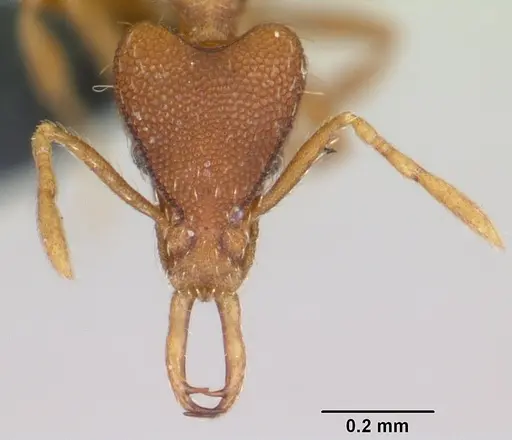
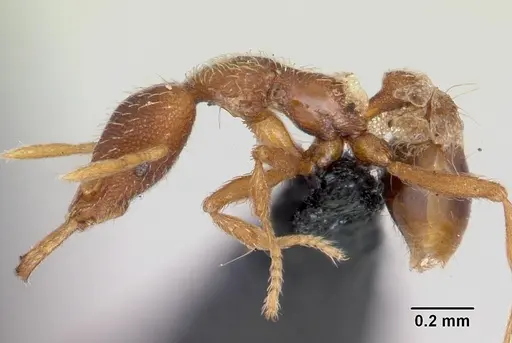
CASENT0060343
View on AntWeb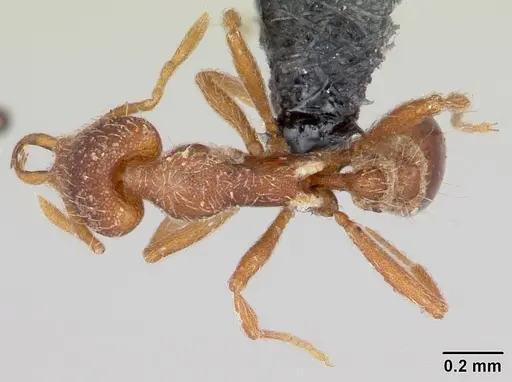
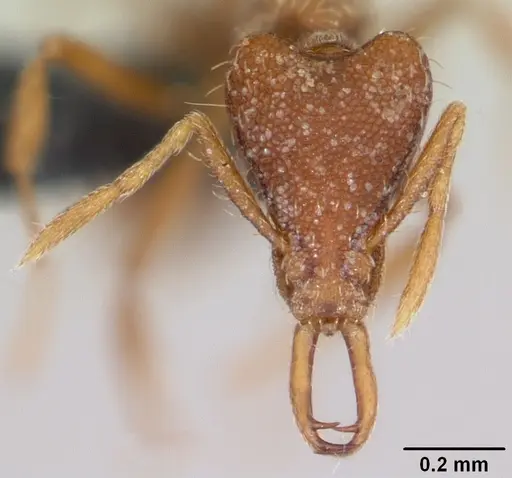
CASENT0060744
View on AntWeb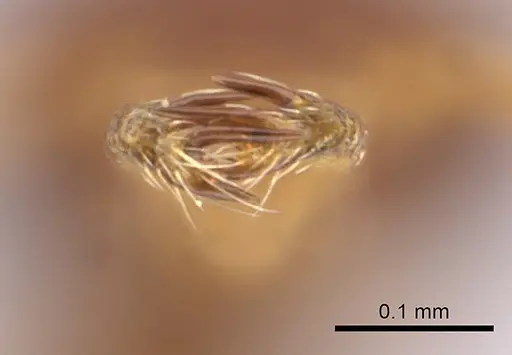
CASENT0101214
View on AntWeb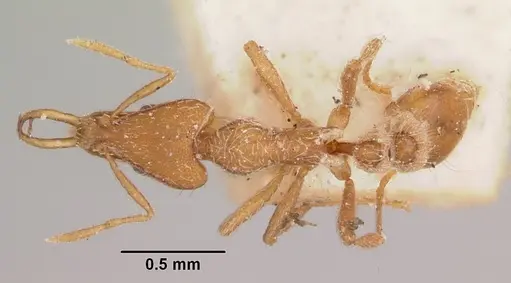
CASENT0101215
View on AntWeb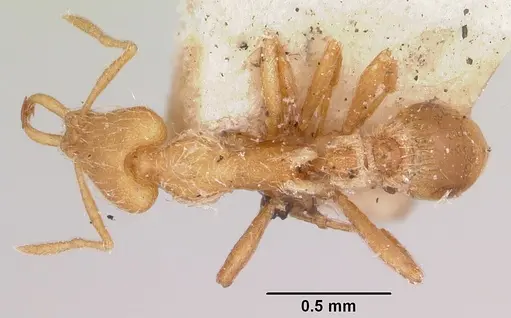
CASENT0159907
View on AntWeb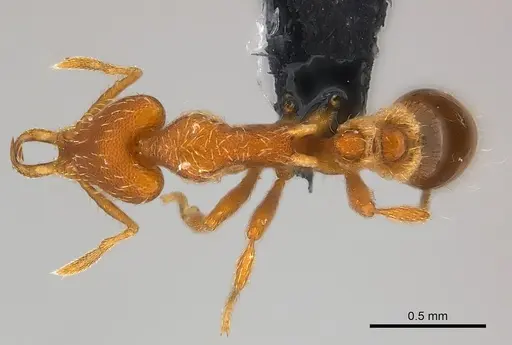
CASENT0171155
View on AntWeb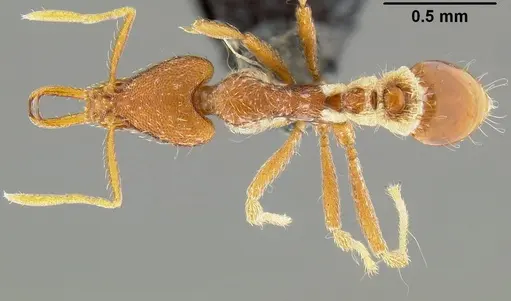
CASENT0171156
View on AntWeb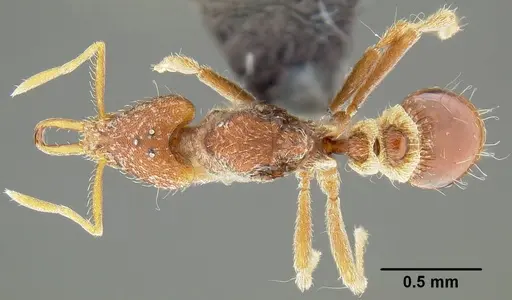
CASENT0178443
View on AntWeb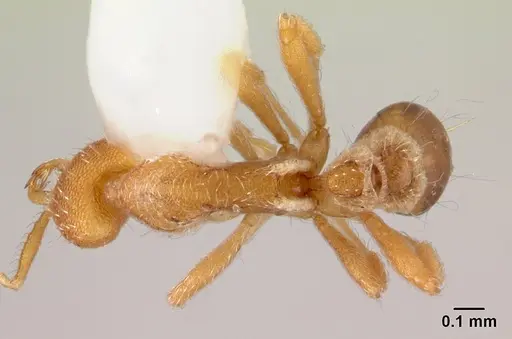
CASENT0199943
View on AntWeb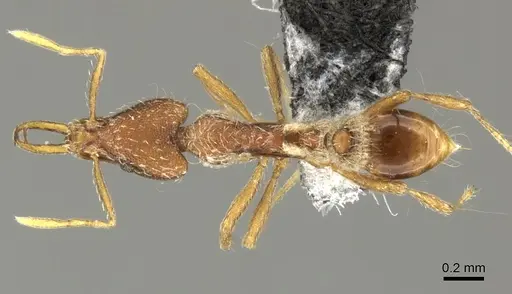
CASENT0909311
View on AntWeb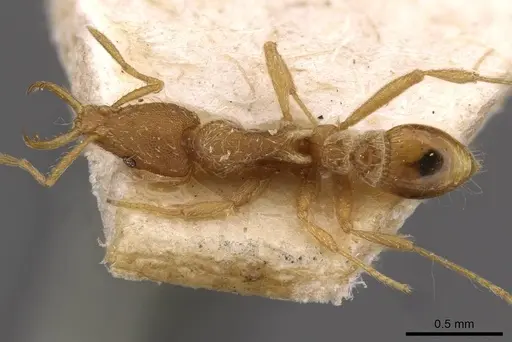
CASENT0909312
View on AntWeb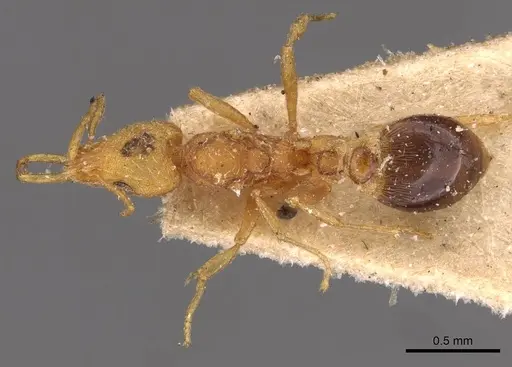
CASENT0914798
View on AntWeb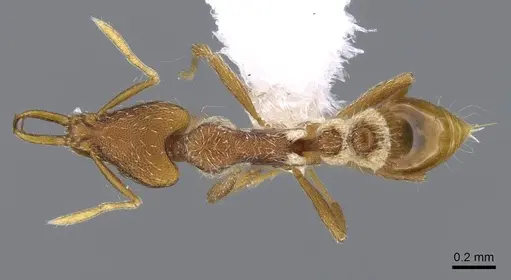
CASENT0915692
View on AntWeb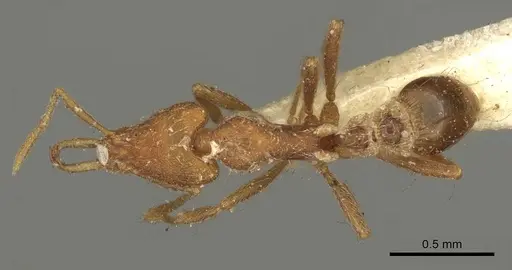
CASENT0919901
View on AntWeb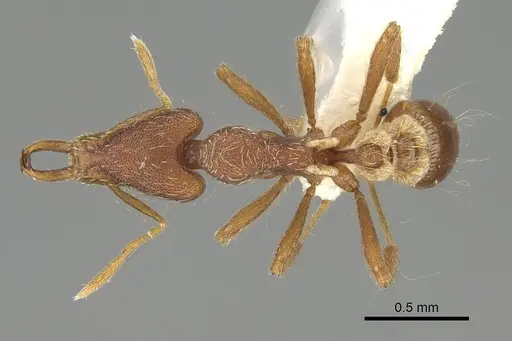
CSIRONC0174
View on AntWeb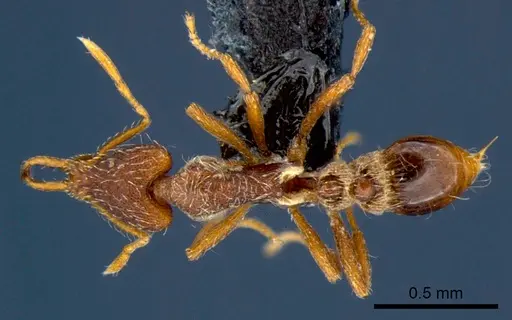
Literature
Loading distribution map...Loading products...