
Strumigenys fenkara
- Sci. Name
- Strumigenys fenkara
- Tribe
- Attini
- Subfamily
- Myrmicinae
- Author
- Bolton, 1983
- Distribution
- Found in 1 countries
Introduction
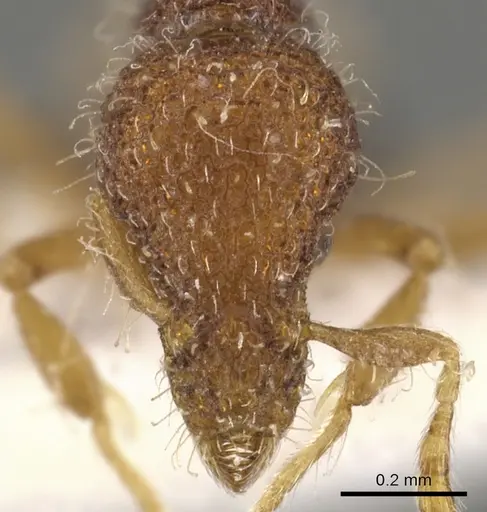
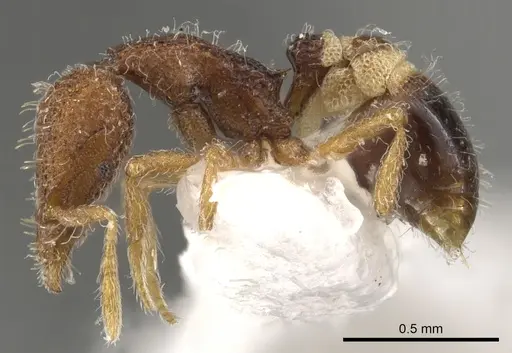
Strumigenys fenkara is a tiny ant species known from the Democratic Republic of Congo . Workers are among the smallest ants, with body length roughly 2-3 mm inferred from related species of the same genus. They have the distinctive trap‑jaw mandibles characteristic of Strumigenys, which snap shut on small prey. These ants are pale to amber‑colored. In the wild they inhabit humid forests, living in leaf litter, rotting wood, or soil. Like other Strumigenys, they are specialized predators, mainly hunting tiny arthropods such as springtails. Colonies remain small, with mature colonies estimated to contain up to about 200 workers.
Quick Summary
- Difficulty: Medium
- Origin & Habitat: Democratic Republic of Congo, central Africa [1]. Found in humid forest habitats, typically in leaf litter and rotting wood.
- Colony Type: Likely monogyne (single queen colony), based on typical Strumigenys colony structure.
- Size & Growth:
- Queen: ~3-4 mm (inferred from Strumigenys genus)
- Worker: ~2-3 mm (inferred from Strumigenys genus)
- Colony: Up to about 200 workers (estimated from Strumigenys genus)
- Growth: Slow
- Development: Likely 6-10 weeks at warm temperatures, based on genus patterns for small tropical ants (Development is slow due to small colony size and specialized feeding requirements)
- Antkeeping:
- Temperature: Keep warm and stable, roughly 24-28 °C, a tropical environment is essential. A heating cable on one side of the nest creates a suitable gradient.
- Humidity: High humidity is critical. Keep the nest substrate consistently moist but not waterlogged. Provide a water tube for drinking.
- Diapause: No. As tropical ants from DRC, they do not require hibernation. Keep warm year‑round.
- Nesting: Y‑tong (AAC), plaster, or soil nests that maintain high humidity. Small, enclosed chambers mimic their natural leaf‑litter habitat. Avoid open, dry setups.
- Behavior: Peaceful, specialized predators. They rarely sting humans. The trap‑jaw mandibles are used for hunting tiny prey, not defense. Workers forage alone. Escape prevention is critical due to their very small size, use fine mesh barriers and tight‑fitting lids.
- Common Issues: escape prevention is critical, their tiny size lets them slip through the smallest gaps., slow growth requires patience, colonies may take months to build up., specialized diet, they may refuse standard ant foods and need live tiny prey., high humidity can lead to mold if ventilation is poor, balance moisture with airflow., wild‑caught colonies may carry parasites that cause failure, quarantine new queens.
Housing and Nest Setup
Strumigenys fenkara needs a humid, enclosed nest. Y‑tong (AAC) or plaster nests work well because they hold moisture while staying dark. For a founding queen, a test tube with a water reservoir is suitable. Once the brood reaches a few workers, move the colony to a small, tight‐fitting nest, these tiny ants feel secure in cramped spaces. The outworld should be simple, with a shallow feeding dish and a water tube. Use fine mesh on all openings to prevent escapes.
Feeding and Diet
This species is a specialized predator that hunts tiny arthropods. In captivity, live springtails are ideal, they match the ants’ size and nutritional needs. Fruit flies, small white worms, and copepods may also be accepted. Some keepers report success with freeze‑dried insects crushed into powder, but live prey is always preferred. Sugar sources are rarely taken. Offer small amounts every 2-3 days and remove leftovers within 24 hours to prevent mold. The key is prey that is small enough to subdue, oversized prey will be ignored.
Temperature and Humidity
Maintain warm, stable conditions as expected for a tropical forest species: aim for about 24-28 °C. A heating cable placed on top of the nest (not underneath, which dries the substrate) helps keep the nest warm. Humidity must be high, the nest substrate should feel damp but not waterlogged. A water tube in the outworld provides drinking water. Monitor for condensation on nest walls, it indicates good humidity. If the nest dries out, workers become sluggish and brood development stalls.
Behavior and Colony Dynamics
Workers of Strumigenys fenkara forage individually, using their trap‑jaw mandibles to capture small prey in a lightning‑fast snap. Colonies are small and grow slowly, likely reaching up to about 200 workers at maturity. The queen is long‑lived. These ants are not aggressive toward humans and rarely attempt to sting. Their main defense is fleeing. The biggest practical challenge is preventing escapes, because they are so tiny, they can slip through gaps that larger ants cannot. Excellent escape prevention is mandatory.
Frequently Asked Questions
How long does it take for Strumigenys fenkara to raise first workers?
Exact timing is unknown for this species, but based on Strumigenys patterns, expect roughly 6-10 weeks from founding. The queen will seal herself in and not emerge until her first nanitic workers hatch. Be patient, these ants grow slowly.
Can I keep Strumigenys fenkara in a test tube?
Yes, test tubes work for founding. Use a small test tube with a cotton‑stoppered water reservoir. Keep it humid and warm. Move them to a proper nest (Y‑tong or plaster) once the colony reaches about 15-25 workers, but exact timing is flexible.
What do Strumigenys fenkara eat?
They are specialized predators that need live tiny prey. Springtails are ideal. Small fruit flies and other tiny invertebrates may also be accepted. They typically do not eat sugar or honey.
Are Strumigenys fenkara good for beginners?
They are intermediate difficulty. You need some ant‑keeping experience, especially with specialized feeding and maintaining high humidity. Their slow growth and small colony size require patience.
Why are my Strumigenys fenkara dying?
Common causes: low humidity (keep substrate moist), cold temperatures (maintain 24-28 °C), wrong prey size (must be tiny), and escapes (use fine mesh). Wild‑caught colonies may have parasites, quarantine new queens.
How big do Strumigenys fenkara colonies get?
Colonies are relatively small, estimated at up to about 200 workers based on related Strumigenys. They never form the large colonies seen in Lasius or Camponotus.
Do Strumigenys fenkara need hibernation?
No. As tropical ants from the Democratic Republic of Congo, they do not require hibernation. Keep them warm year‑round at roughly 24-28 °C. Hibernation could harm or kill the colony.
When should I move Strumigenys fenkara to a formicarium?
Move them when the test tube becomes crowded, typically around 15-25 workers. A Y‑tong or plaster nest with small chambers works best. Do not rush, they prefer tight spaces when founding.
How often should I feed Strumigenys fenkara?
Feed every 2-3 days with small amounts of live prey. Remove uneaten prey after 24 hours to prevent mold. A constant water supply is essential. Do not overfeed, small colonies do not need much.
Report an Issue
The current care sheet is based fully on literature. See inconsistencies, or something that's incorrect? Please , it will be resolved after review from an admin. Contributing to the blogs tab also helps providing information, to make us be able to further improve the caresheets. Thank you for your support!
References

This caresheet is licensed under CC BY-SA 4.0 .
Community Blogs
CASENT0355817
View on AntWeb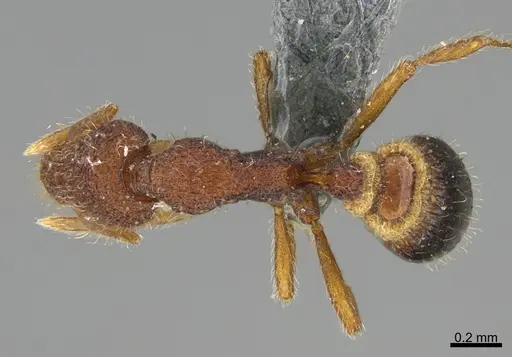
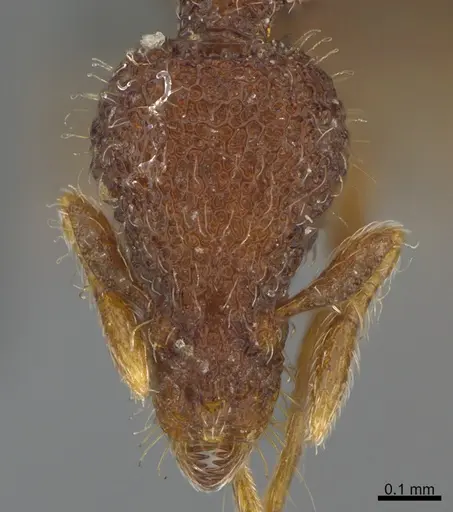
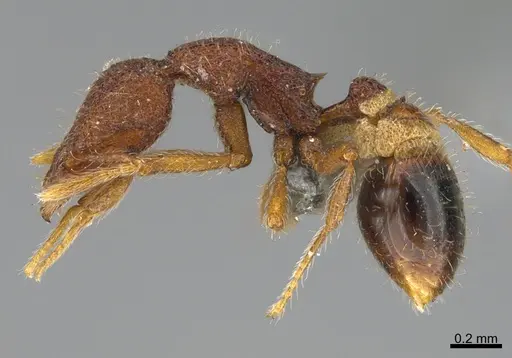
CASENT0900089
View on AntWeb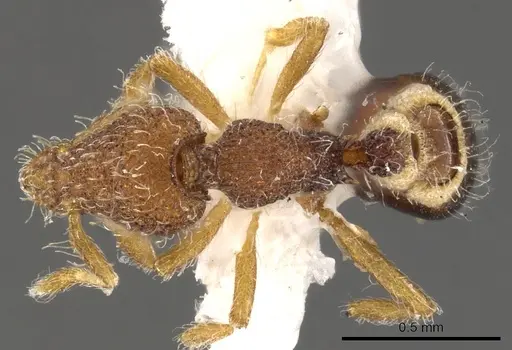
Literature
Loading distribution map...Loading products...